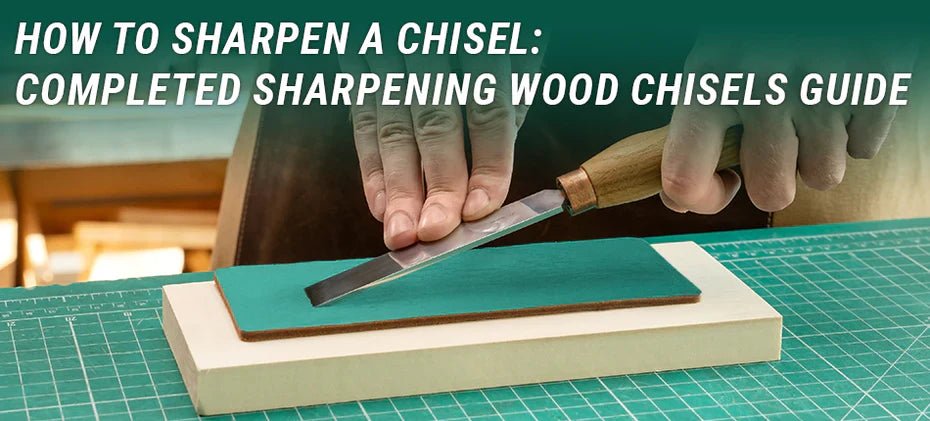
If you want your woodworking projects to stand out, sharp chisels are a must. Dull chisels can ruin your cuts, waste your time, and leave your work looking rough.
But sharpening chisels doesn’t have to be complicated or frustrating. In this guide, you’ll learn simple, step-by-step methods to sharpen your chisels quickly and effectively. Imagine working with tools that glide through wood like a hot knife through butter. Ready to take your woodworking precision to the next level?
Keep reading and discover how sharpening your chisels can transform your craft.
Choosing The Right Chisel
Picking the right chisel is important for accurate woodworking. Different chisels suit different tasks and wood types. Understanding their features helps you work safely and efficiently.
This guide covers types of chisels and how to select quality steel for lasting sharpness and strength.
Types Of Chisels
Chisels come in various shapes and sizes. Each type serves a specific purpose in woodworking. Choose the one that fits your project needs.
- Bench Chisels:General purpose, good for most woodworking tasks.
- Paring Chisels:Long, thin blades for delicate trimming and smoothing.
- Mortise Chisels:Thick and strong for cutting mortises and heavy chopping.
- Corner Chisels:Designed for cleaning out corners and square holes.
- Firmer Chisels:Sturdy blades for rough work and heavy material removal.
Selecting Quality Steel
Steel quality affects how well a chisel holds its edge and resists damage. Look for steel types known for hardness and durability.
| Steel Type | Features | Best Use |
|---|---|---|
| High Carbon Steel | Hard, sharp edges, easy to sharpen | General woodworking chisels |
| Chrome Vanadium Steel | Strong, corrosion resistant, durable | Heavy duty chisels for tough wood |
| Tool Steel (O1, A2) | Very hard, holds edge longer | Professional-grade chisels |
| Stainless Steel | Rust resistant, less hard | Good for moist environments, lighter use |
Credit: www.anneofalltrades.com
Tools Needed For Sharpening
Sharpening chisels requires the right tools for best results. Using proper equipment keeps the edge sharp and safe. It also saves time and effort during woodworking.
This guide covers essential tools like sharpening stones, honing guides, and lubricants. Each plays a key role in creating a precise chisel edge.
Sharpening Stones
Sharpening stones come in different grits. They remove metal and refine the blade’s edge. Common types include water stones, oil stones, and diamond stones.
- Water stones:Fast cutting and easy to flatten.
- Oil stones:Durable and use oil as a lubricant.
- Diamond stones:Very hard and cut quickly.
Honing Guides And Jigs
Honing guides hold chisels at a steady angle during sharpening. They help keep the bevel even and consistent. Jigs can be adjustable or fixed angle types.
| Type | Description | Best For |
| Fixed angle guide | Holds chisel at one set angle. | Simple, repeatable sharpening. |
| Adjustable guide | Allows angle changes for different chisels. | Versatile use on many tools. |
Lubricants And Accessories
Lubricants reduce friction and prevent stone clogging. Water or oil suits different stones. Other accessories include flattening stones and strops for final polishing.
- Water for water stones
- Honing oil for oil stones
- Flattening stone to keep stones flat
- Leather strop for polishing edges
Preparing The Chisel
Before sharpening, prepare your chisel carefully. Good preparation helps achieve a clean, sharp edge.
Focus on cleaning and checking the blade. These steps make sharpening easier and safer.
Cleaning The Blade
Remove dirt, resin, and rust from the chisel blade. Clean blades sharpen faster and more evenly.
- Use a soft cloth to wipe off dust and dirt.
- Apply a small amount of oil or solvent to remove sticky resin.
- Gently scrub rust spots with fine steel wool or a rust eraser.
- Dry the blade completely to prevent new rust.
Checking For Damage
Inspect the blade for chips, cracks, or dents. Damaged edges need special care before sharpening.
| Damage Type | Description | Action Needed |
| Chips | Small missing pieces on the edge | Use a coarse stone to remove chips before fine sharpening |
| Cracks | Visible lines on the blade surface | Replace the chisel if cracks are deep or wide |
| Dents | Indentations on the blade edge | Flatten dents by grinding carefully |
Sharpening Techniques
Sharpening chisels is key for precise woodworking. Proper techniques help keep edges sharp and accurate.
Use the right tools and follow steps carefully. This guide covers essential sharpening methods.
Setting The Bevel Angle
Keep the bevel angle steady while sharpening. Most chisels need a 25 to 30-degree bevel.
Use a guide or jig to hold the chisel at the correct angle. This helps maintain a sharp edge.
Using Coarse To Fine Grit Stones
Start with coarse stones to remove nicks or dents. Then move to medium and fine stones for a smooth edge.
- Coarse grit: 220 to 400 for quick sharpening
- Medium grit: 800 to 1000 for refining the edge
- Fine grit: 3000 or higher for polishing
Maintaining Consistent Pressure
Apply even pressure when sharpening. Press too hard and you can ruin the edge.
| Pressure Level | Effect on Edge |
|---|---|
| Light | Polishes and refines edge |
| Moderate | Removes dull metal effectively |
| Heavy | May cause uneven edge or damage |
Honing For A Razor Edge
Honing is the final step to sharpen chisels. It makes the blade very sharp and smooth. This helps you cut wood cleanly and accurately.
Using the right honing techniques keeps your chisels sharp longer. It also protects the blade from damage during use.
Using A Honing Guide
A honing guide holds your chisel at the correct angle. This makes it easier to sharpen evenly. It stops the blade from slipping while you hone.
Place the chisel in the guide and set the angle. Move the blade across the honing stone smoothly. Keep the same angle for every pass.
- Choose a guide that fits your chisel size
- Adjust to the correct bevel angle (usually 25-30 degrees)
- Secure the chisel tightly in the guide
- Use steady pressure while honing
Stropping Methods
Stropping removes tiny burrs and polishes the edge. This step makes the chisel razor sharp. Use a leather strop with polishing compound for best results.
Drag the chisel blade backward on the strop. Keep the bevel flat against the leather. Repeat until the edge shines and feels smooth.
- Use a clean leather strop
- Apply a fine abrasive compound
- Pull the blade away from the edge
- Keep strokes even on both sides
Testing Sharpness
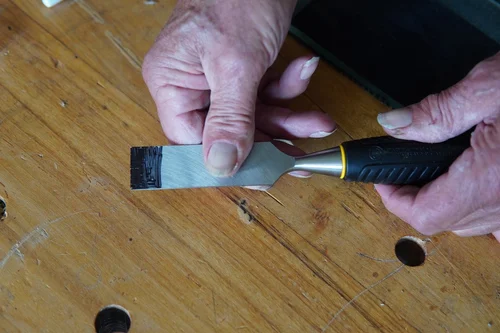
Test your chisel sharpness before woodworking. A sharp chisel cuts wood easily without force. Look for a clean, smooth cut on soft wood.
You can also check sharpness by gently slicing a thin piece of paper. The blade should cut without tearing or snagging.
- Cut end grain of a soft wood block
- Slice thin paper with light pressure
- Feel for a smooth, sharp edge with your finger
- Repeat honing if the edge is dull or rough

Credit: woodworkersinstitute.com
Maintaining Sharpness
Keeping chisels sharp is key for exact woodworking. Sharp chisels cut cleanly and safely.
Regular care helps your chisels last longer and work better every time.
Regular Touch-ups
Touch up your chisels often to keep edges sharp. Use a fine sharpening stone or strop.
Light sharpening removes small nicks and keeps the edge smooth. Avoid over-sharpening to save metal.
- Use a honing guide for steady angles
- Strop on leather with polishing compound
- Check sharpness by gently slicing paper
Proper Storage
Store chisels where blades stay dry and safe. Moisture causes rust and dulls edges.
Use a wooden rack, tool roll, or blade guards. Keep chisels separate to avoid banging blades.
- Keep chisels in a dry place
- Use blade covers or caps
- Organize tools to prevent damage
Avoiding Common Mistakes
Do not use chisels on metal or nails. This chips and damages the edge quickly.
Do not skip cleaning after use. Dust and sap build-up dulls the blade and causes rust.
- Always clean and dry after work
- Sharpen before the blade feels dull
- Keep correct sharpening angle
Troubleshooting Common Issues
Sharpening chisels can be tricky if you face common problems. Knowing how to fix these issues keeps your tools sharp and safe.
This guide covers dealing with nicks and chips, fixing rolled edges, and when to regrind your chisel blades.
Dealing With Nicks And Chips
Nicks and chips damage the cutting edge and reduce chisel performance. Fixing them requires careful grinding to restore a clean edge.
- Inspect the blade for visible damage.
- Use a coarse grinding stone or wheel to remove nicks.
- Keep the bevel angle consistent while grinding.
- Switch to finer stones to polish the edge.
- Test the sharpness on scrap wood.
Fixing Rolled Edges
A rolled edge feels dull and rounded instead of sharp. It happens after heavy use or poor sharpening technique.
| Signs of Rolled Edge | Fixing Method |
|---|---|
| Dull tip, rounded feel | Resharpen using a flat sharpening stone |
| Edge lacks bite | Strop the edge with leather and polishing compound |
| Edge splinters wood | Refine bevel angle and polish thoroughly |
When To Regrind
Regrinding removes too much metal but is necessary in some cases. It resets the bevel angle and removes deep damage.
- If the blade has deep nicks that sharpening can’t fix.
- When the bevel angle is incorrect or uneven.
- After many sharpening cycles that cause a thick bevel.
- If the chisel edge chips repeatedly despite care.

Credit: woodworkersinstitute.com
Frequently Asked Questions
How Often Should Chisels Be Sharpened For Woodworking?
Chisels should be sharpened whenever they feel dull or struggle to cut cleanly. Regular sharpening ensures precision and safety. For frequent use, sharpening every few hours of work keeps edges sharp. Proper maintenance extends chisel life and improves woodworking results.
What Tools Are Needed To Sharpen Chisels Effectively?
Essential tools include sharpening stones (whetstones), honing guides, and strops with polishing compounds. Water or oil stones are popular choices depending on preference. Using a honing guide helps maintain consistent angles, while strops polish edges for a razor-sharp finish.
What Is The Best Angle For Sharpening Chisels?
A bevel angle between 25° to 30° is ideal for most woodworking chisels. This angle balances sharpness and durability. Softer woods may benefit from a slightly sharper angle, while harder woods require a more robust edge to prevent chipping.
Can I Sharpen Chisels Without Professional Equipment?
Yes, chisels can be sharpened using household items like sandpaper on glass or leather strops. However, professional sharpening stones provide better control and a sharper edge. Beginners should start with basic tools, then upgrade as skills improve.
Conclusion
Sharpening chisels is key for precise woodworking. Consistent practice enhances skill. Use the right tools for best results. Keep your angles steady. Regular maintenance ensures sharpness and longevity. Safe handling prevents accidents. Sharp chisels make work easier and more accurate.
Remember, patience is vital. Take your time for quality results. With practice, sharpening becomes effortless. Enjoy the satisfaction of finely honed tools. Achieve cleaner cuts and smoother finishes. Happy woodworking!