Are you about to work with electrical wires but unsure if they’re live? One small mistake can lead to serious shocks or damage.
Using a voltage detector for live wires is the simplest way to keep yourself safe and confident. Imagine being able to instantly know if a wire carries electricity without touching it—saving you time and worry. You’ll discover how a voltage detector works, why it’s a must-have tool, and how to use it correctly every time.
Keep reading to protect yourself and make your electrical tasks easier and safer.
Choosing The Right Voltage Detector
Using a voltage detector helps you find live wires safely. Picking the right one is important for your work.
Different voltage detectors have different features. You need one that fits your needs and keeps you safe.
Types Of Voltage Detectors
There are several types of voltage detectors. Each works in a unique way to find live wires.
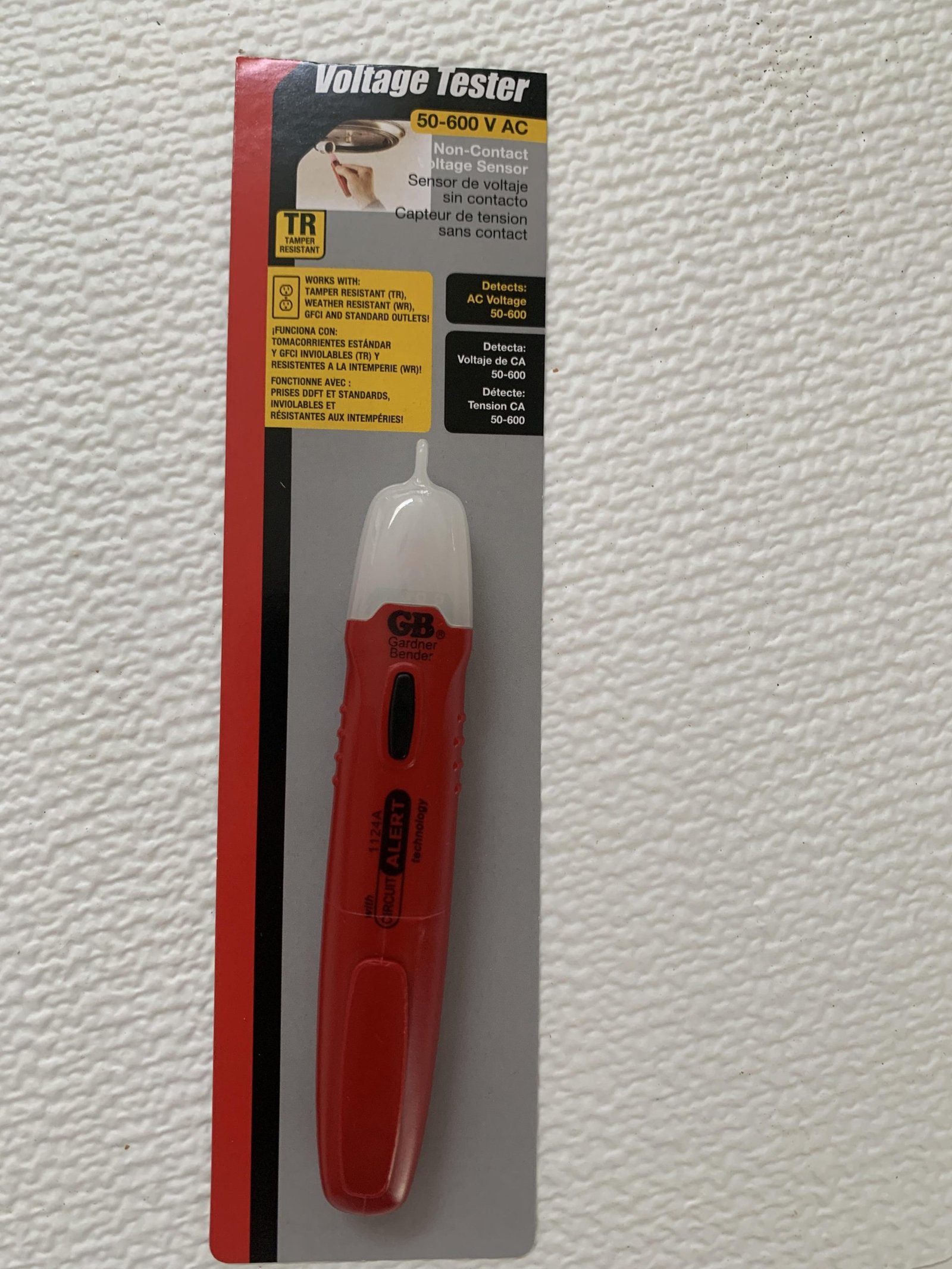
- Non-contact voltage detectors:Detect voltage without touching wires.
- Contact voltage testers:Require direct contact with the wire to test voltage.
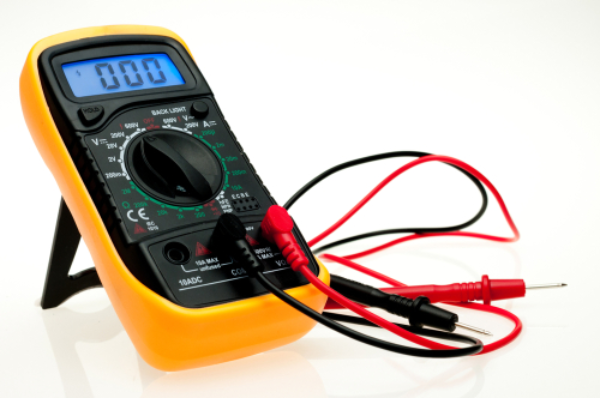
- Multimeter voltage testers:Measure voltage and other electrical values.
Choose a type based on your task and skill level. Non-contact types are safer for beginners.
Key Features To Consider
Look at features that make the detector easier and safer to use. These improve your testing experience.
- Voltage range:Check if it covers the voltages you will test.
- Accuracy:Choose a detector that gives reliable results.
- Display type:LED lights or digital screens help you read results.
- Size and weight:A compact and light detector is easy to carry.
- Safety ratings:Look for devices rated for electrical safety standards.
Battery Life And Maintenance
Good battery life keeps your voltage detector ready when you need it. Check how long the battery lasts.
Maintain your detector by cleaning it and replacing batteries on time. This keeps it working well.
- Use quality batteries for longer life.
- Turn off the device when not in use.
- Store in a dry place to avoid damage.
- Check batteries regularly and replace if low.

Credit: www.amazon.ca
Preparing For Voltage Detection
Using a voltage detector is important to find live wires safely. Preparing before testing helps avoid accidents.
Before you start, check your tools and environment carefully. This makes your work safer and easier.
Inspecting The Detector
Look over the voltage detector for any damage. Make sure the device is clean and not cracked.
Check the batteries and test the detector on a known live source. This confirms it works correctly.
- Check for broken parts or cracks
- Ensure the batteries are fresh
- Test on a live wire or test point
- Read the user manual for specific checks
Wearing Proper Safety Gear
Wear safety gear to protect yourself from electric shock. Use insulated gloves and safety glasses.
Non-conductive shoes and flame-resistant clothing add more safety. Dress properly before you start work.
- Insulated gloves
- Safety glasses
- Non-conductive shoes
- Flame-resistant clothing
Clearing The Work Area
Make sure the area around the wires is clean and dry. Remove any wet materials or clutter nearby.
Keep tools and other objects away from the wires. This helps prevent accidental contact with live parts.
- Remove wet rags and liquids
- Clear tools from the immediate area
- Ensure good lighting
- Keep the floor dry and free of debris
Testing Live Wires Safely
Using a voltage detector helps you find live wires without touching them. It keeps you safe from electric shocks.
Always test live wires carefully before working on any electrical system. This prevents accidents and damage.
Step-by-step Detection Process
Start by turning on your voltage detector and checking its function on a known live source. This ensures it works well.
Hold the detector close to the wire or outlet you want to test. Keep your hands away from any exposed parts.
- Turn on the voltage detector and test it on a live wire you trust.
- Place the detector near the wire or outlet to test.
- Watch for signals like lights or sounds to show voltage.
- Move the detector slowly along the wire to find live sections.
- Turn off the detector after use and store it safely.
Avoiding Common Mistakes
Do not assume a wire is safe without testing it first. Always use your detector every time.
Never test wires with wet hands or in wet places. Water can cause electric shocks or false readings.
- Check the detector’s battery before use.
- Do not touch wires directly while testing.
- Avoid testing near metal objects that may affect readings.
- Do not rely only on the detector; use other safety checks too.
Interpreting Detector Signals
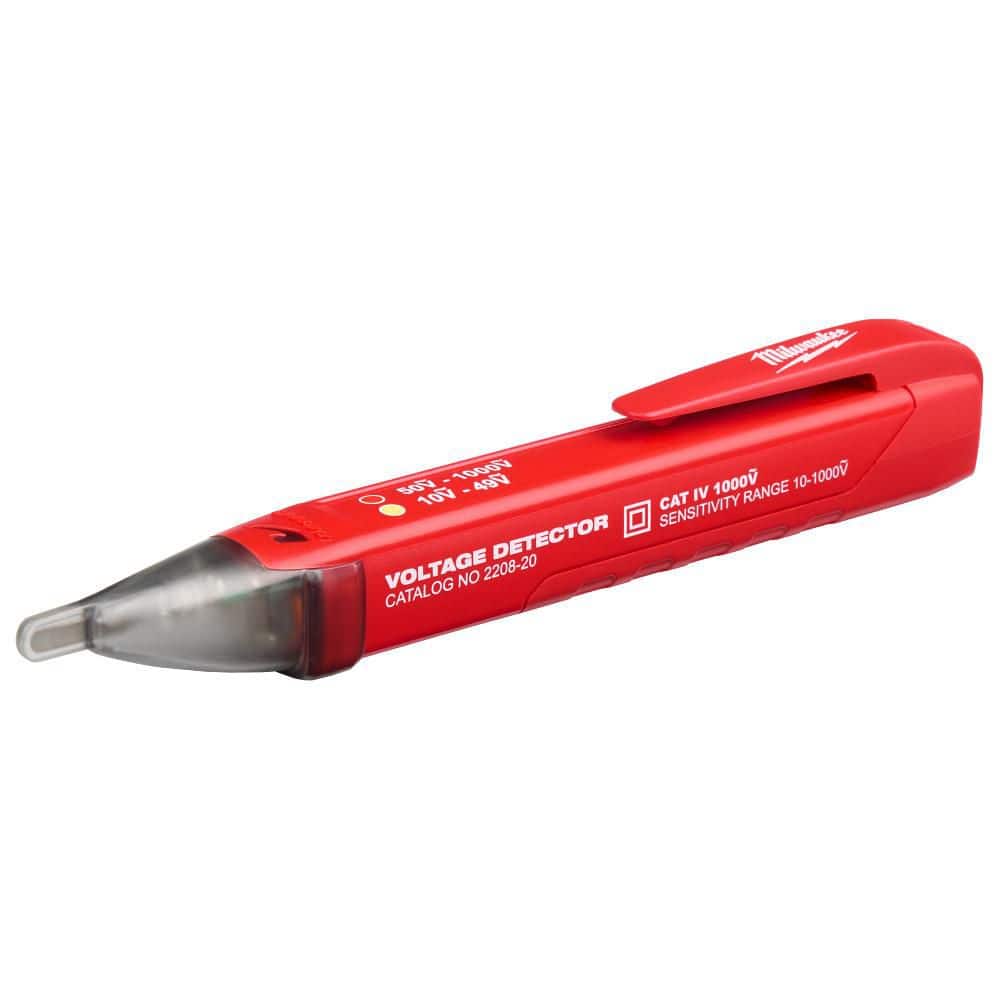
Most voltage detectors use lights, sounds, or vibrations to show live wires. Learn what each signal means.
Strong signals usually mean high voltage. Weak signals may show low voltage or interference.
- A steady light or sound means the wire is live.
- A blinking or weak signal may mean low voltage or a faulty wire.
- No signal usually means the wire is not live, but test again to be sure.
Credit: www.homedepot.com
Handling Live Wires After Detection
Using a voltage detector helps find live wires quickly. After detection, handle these wires with care. Safety is very important to avoid shocks or injuries.
Always follow safe steps after finding live wires. This keeps you and others safe during electrical work.
De-energizing Circuits
Turn off the power to the circuit before touching any wires. De-energizing stops electricity flow and lowers risk of shocks. Use the main switch or circuit breaker to cut power.
Double-check that the circuit is off by testing with the voltage detector again. Never assume the power is off without testing.
Using Insulated Tools
Use tools with insulated handles when working near live wires. Insulation stops electricity from passing through the tool to your hand. This reduces the chance of electric shock.
Make sure the insulation is in good condition. Do not use damaged or worn tools.
- Use pliers and screwdrivers with insulated grips
- Wear rubber gloves rated for electrical work
- Avoid metal ladders; use fiberglass ones
Following Lockout/tagout Procedures
Use lockout/tagout steps to keep power off while you work. Lockout means putting a lock on the power switch. Tagout means putting a warning tag on the switch.
This stops others from turning the power back on by mistake. Always follow these rules to protect yourself and coworkers.
- Turn off the circuit breaker or switch
- Attach a lock to prevent re-energizing
- Place a tag to warn others not to turn it on
- Verify power is off before starting work
Maintaining Safety Practices
Using a voltage detector helps find live wires safely. It stops electric shocks during work.
Always follow safety rules to protect yourself and others. Safety starts before you use the tool.
Regular Equipment Checks
Check your voltage detector before every use. Make sure it works correctly and shows accurate readings.
Look for cracks, loose parts, or dead batteries. Faulty tools can give wrong results and cause harm.
- Test the detector on a known live wire first
- Replace batteries regularly
- Keep the tool clean and dry
- Follow the manufacturer’s instructions
Updating Safety Knowledge
Learn the latest safety rules for using voltage detectors. Safety standards can change over time.
Attend training sessions or read updated guides. Knowing new risks helps you stay safe on the job.
- Review safety manuals regularly
- Join safety workshops
- Ask experts about new tools or methods
Emergency Response Preparedness
Be ready to act if an accident happens. Know what to do if someone gets shocked by electricity.
Keep first aid kits and emergency contacts nearby. Quick actions can save lives in emergencies.
- Learn basic first aid for electric shock
- Know how to turn off power sources fast
- Have emergency phone numbers visible
- Practice emergency drills regularly
Credit: mrelectric.com
Frequently Asked Questions
What Is A Voltage Detector Used For?
A voltage detector identifies live electrical wires safely without direct contact. It helps prevent electrical shocks and accidents during wiring or repairs.
How Does A Voltage Detector Detect Live Wires?
It senses the electrical field around a wire carrying current. When near a live wire, it emits a light or sound signal to indicate voltage presence.
Can I Trust Voltage Detectors For Accurate Readings?
Yes, quality voltage detectors provide reliable results if used properly. Always follow manufacturer instructions and test the device on a known live wire first.
Are Voltage Detectors Safe For Beginners To Use?
Absolutely. Voltage detectors are designed for user safety and ease. They allow beginners to check live wires without touching or exposing themselves to danger.
Conclusion
Choosing a voltage detector for live wires ensures safety. It helps avoid electric shocks. Always use it to check wires before touching. This tool is simple and user-friendly. Even beginners can handle it easily. Remember to follow all safety guidelines when using it.
Regular checks with a voltage detector keep your home safe. Make it a habit to test wires. This prevents accidents. Understanding its importance can save lives. Stay safe. Stay aware.