Are you struggling to drive those heavy nails into tough wood? Using a claw hammer might seem simple, but when dealing with thick nails, it takes more skill than you think.
This guide is made just for you. You’ll learn how to use your claw hammer effectively, avoid common mistakes, and save time and effort on your projects. Keep reading, and you’ll discover tips that make every strike count and turn you into a confident nail driver.
Your next heavy-duty task just got a whole lot easier!
Choosing The Right Claw Hammer
Using a claw hammer for heavy nails requires the right tool. Choosing the right hammer makes your work easier and safer.
Pick a hammer that fits your strength and the job. This guide helps you select the best claw hammer for heavy nails.
Types Of Claw Hammers
Claw hammers come in different types. Each type serves a specific purpose for driving or removing nails.
The most common types are the curved claw and straight claw hammers. Curved claws are good for pulling nails easily. Straight claws are better for prying and lifting.
- Curved Claw Hammer: Ideal for general nail pulling
- Straight Claw Hammer: Best for prying and demolition work
- Rip Hammer: Has a straight claw with a wider gap for heavy-duty tasks
Hammer Weight And Balance
Weight affects how hard you can hit nails. A heavier hammer drives nails faster but needs more strength. A lighter hammer is easier to control but takes more hits.
Good balance means the hammer feels comfortable in your hand. Balanced hammers reduce fatigue and improve accuracy.
- Lightweight (8 to 12 ounces): Good for small nails and light tasks
- Medium weight (12 to 16 ounces): Best for most heavy nails
- Heavyweight (16 ounces and up): Used for large nails and framing
Handle Materials And Grip
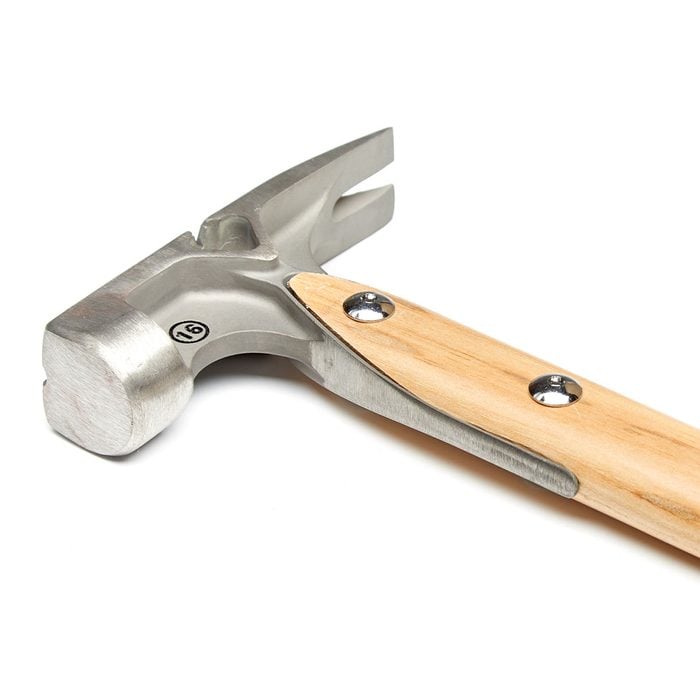
Handle material affects comfort and durability. Common materials include wood, fiberglass, and steel.
A good grip helps prevent slips. Look for handles with cushioned or textured grips to reduce hand strain.
- Wood Handles: Lightweight and shock-absorbing but can break
- Fiberglass Handles: Strong, absorb shock, and resist weather
- Steel Handles: Very durable but can transmit more shock
- Cushioned grips: Reduce vibration and increase comfort
- Textured grips: Improve hold and prevent slipping
Selecting Heavy Nails
Choosing the right heavy nails is key for strong and lasting projects. Nails come in many sizes and types to fit different jobs.
This guide helps you pick nails that match your needs when using a claw hammer for tough work.
Nail Sizes And Types
Heavy nails vary in length and thickness. Larger nails hold better but need more force to drive in. Common types include:
- Common nails for framing and general use
- Box nails with thinner shafts for less splitting
- Spike nails for very heavy wood connections
- Duplex nails with two heads for temporary work
Materials For Heavy-duty Use
Heavy nails must resist rust and strong forces. Materials include:
| Material | Best Use | Features |
| Steel | Most projects | Strong and durable |
| Galvanized Steel | Outdoor or moist areas | Rust-resistant coating |
| Stainless Steel | Marine and corrosive environments | Highest rust resistance |
| Copper | Decorative work | Soft and corrosion-resistant |
When To Use Specialty Nails
Specialty nails fit unique needs. Use them to improve strength or meet building codes.
- Ring shank nails for better grip in wood
- Concrete nails for hard surfaces
- Finish nails for visible trim with minimal holes
- Spray-coated nails for easier hammering
Preparing Your Workspace
Using a claw hammer to drive heavy nails needs a safe and clear workspace. Preparing well helps you work faster and avoid accidents.
Before you start, organize your area to keep tools and materials within reach. This setup helps you focus on the task.
Safety Gear Essentials
Protecting yourself is important when working with heavy nails and hammers. Wear the right safety gear to reduce injury risks.
Use safety glasses to shield your eyes from flying debris. Wear gloves to protect your hands from splinters and sharp edges.
- Safety glasses or goggles
- Work gloves with good grip
- Closed-toe shoes to protect feet
- Hearing protection if using power tools nearby
Setting Up A Stable Surface
Place your workpiece on a firm and level surface. This helps you hit nails straight and reduces slipping.
Use a sturdy workbench or solid table. If you work outside, put a strong board on the ground to keep materials steady.
- Choose a flat, stable workbench or table
- Use clamps to hold wood or materials in place
- Avoid working on uneven or slippery floors
Clearing Obstacles
Remove any clutter or tools that are not needed. A clean area stops you from tripping or knocking things over.
Keep the floor clear of cords, nails, and scraps. This helps you move freely and focus on hammering heavy nails safely.
- Pick up loose nails and screws
- Move tools to a safe spot nearby
- Clear the floor of debris and cords
- Ensure good lighting to see clearly

Credit: www.thisoldhouse.com
Proper Hammering Techniques
Using a claw hammer correctly is important for driving heavy nails safely and efficiently. Good techniques reduce the risk of injury and improve results.
This guide covers grip, stance, striking angle, force, and common mistakes to avoid.
Correct Grip And Stance
Hold the hammer near the end of the handle for better control and power. Use your dominant hand and keep your wrist firm but flexible.
Stand with your feet shoulder-width apart. Position yourself so you can swing the hammer freely without hitting your body.
Striking Angle And Force
Strike the nail head squarely to avoid bending the nail or damaging the wood. Keep the hammer face flat against the nail.
- Start with light taps to set the nail in place.
- Use stronger swings as the nail goes deeper.
- Keep your eye on the nail head throughout the process.
Avoiding Common Mistakes
| Mistake | How to Avoid |
|---|---|
| Gripping the hammer too close to the head | Hold near the handle’s end for power |
| Striking at an angle | Hit the nail head squarely and flat |
| Using excessive force too soon | Begin with light taps, then increase force |
| Not watching the nail head | Keep eyes on the nail to prevent misses |
Removing Heavy Nails Efficiently
Removing heavy nails can be tough without the right technique. Using a claw hammer correctly helps you get nails out fast and safe.
This guide shows how to remove heavy nails with a claw hammer. It also covers tips to avoid damage to surfaces.
Using The Claw For Extraction
Place the claw of the hammer under the nail head. Pull the handle back slowly to lift the nail.
Use steady force to avoid bending the nail or breaking the wood. Move the claw closer to the surface as the nail comes out.
- Insert claw fully under nail head
- Pull handle back gently and steadily
- Shift claw closer as nail loosens
- Keep the wood surface supported
Leveraging Tools For Stubborn Nails
Some nails get stuck deep or rusted. Use extra tools like pliers or a pry bar to help remove them.
Grip the nail with pliers and pull while using the hammer claw for leverage. A pry bar can lift nails that are hard to reach.
- Use pliers to grip and pull firmly
- Try a pry bar to lift tough nails
- Combine tools for better leverage
- Work slowly to avoid breaking nails
Preventing Surface Damage
Protect surfaces by placing a thin wood piece under the hammer claw. This spreads the pressure and stops dents.
Work carefully and avoid twisting the hammer too hard. Use smooth, controlled movements to keep the surface intact.
- Use a wood shim under the claw
- Pull nails straight out
- Avoid sudden or jerky movements
- Check surface for damage often

Credit: www.safetyandhealthmagazine.com
Maintaining Your Claw Hammer
Taking care of your claw hammer keeps it working well. Regular maintenance makes it safer and lasts longer.
Simple steps like cleaning and checking can prevent problems. Follow these tips to keep your hammer in top shape.
Cleaning And Inspecting
Clean your hammer after use to remove dirt and debris. Use a cloth or brush to wipe the head and handle.
- Check the hammer head for cracks or chips.
- Look for rust and remove it with steel wool.
- Make sure the head is tight on the handle.
Handle Care Tips
Proper care of the handle prevents breaks and splinters. Wooden handles need oiling to stay strong.
| Handle Type | Care Tip |
| Wood | Apply linseed oil monthly to keep it from drying. |
| Fiberglass | Wipe clean with mild soap and water. |
| Steel | Check for dents and keep it dry to avoid rust. |
When To Replace Your Hammer
Replace your hammer if it shows these signs. Using a damaged hammer can cause injury.
- The handle is cracked, splintered, or loose.
- The hammer head is chipped, cracked, or bent.
- The head wobbles or comes off the handle.
- The hammer feels heavy or unbalanced.
Credit: www.familyhandyman.com
Frequently Asked Questions
What Type Of Claw Hammer Is Best For Heavy Nails?
A heavy-duty claw hammer with a longer handle and a heavier head is ideal. It provides better leverage and power to drive large nails efficiently.
How Do I Safely Use A Claw Hammer On Heavy Nails?
Hold the hammer firmly near the end of the handle. Use controlled, steady swings to avoid slipping and injury. Always wear safety goggles to protect your eyes.
Can A Claw Hammer Remove Heavy Nails Effectively?
Yes, the curved claw end is designed to pry out heavy nails. Use gradual, steady force to avoid damaging the wood surface.
What Technique Helps Drive Heavy Nails With A Claw Hammer?
Start by tapping lightly to set the nail, then use full swings. Keep the hammer aligned with the nail to prevent bending or breaking.
Conclusion
Mastering the use of a claw hammer takes practice and patience. It’s essential for driving heavy nails effectively. Remember to grip the hammer firmly and aim carefully. This minimizes mistakes and ensures safety. Always wear protective gear for added safety.
Choose the right size hammer for your project. This ensures better control and efficiency. Regular practice improves your skills and builds confidence. With time, using a claw hammer becomes second nature. Enhance your DIY projects with these simple tips. Your projects will benefit from precision and care.
Enjoy your newfound hammering skills!