Struggling to reach those hard-to-get bolts in tight spaces? You’re not alone.
Using a ratchet wrench in cramped spots can be tricky, but with the right approach, it becomes much easier. This guide will show you simple tips and tricks to master your ratchet wrench, saving you time and frustration. Keep reading, and you’ll discover how to work smarter, not harder, in those tight spots.
Your next project just got a whole lot smoother.
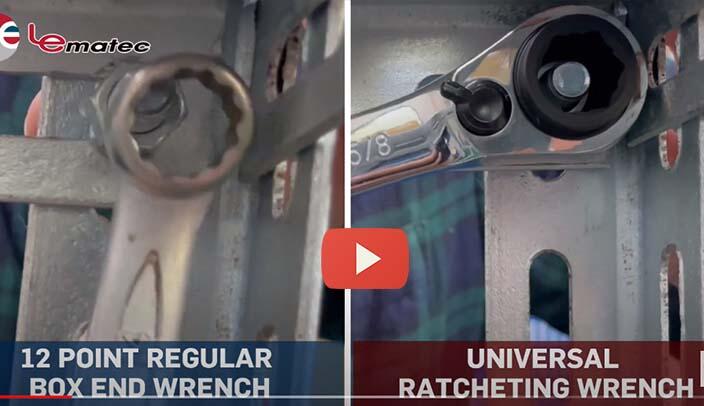
Credit: www.lematec-tools.com
Choosing The Right Ratchet Wrench
Using a ratchet wrench in tight spaces needs the right tool. Choosing the correct ratchet wrench makes your work easier and faster.
This guide helps you pick the best ratchet wrench by looking at types, size, and material quality.
Types Of Ratchet Wrenches
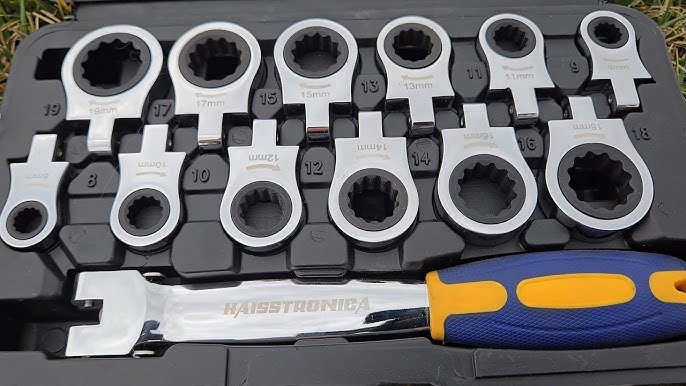
Ratchet wrenches come in different types based on their head and handle design. Common types include standard, flex-head, and stubby ratchets. Each type fits specific tasks and spaces.
- Standard ratchets have a fixed head and work well in open spaces.
- Flex-head ratchets have a pivoting head for angled access.
- Stubby ratchets have a short handle to fit very tight spots.
Selecting The Correct Size
| Drive Size | Best Use |
| 1/4 inch | Small bolts and tight spaces |
| 3/8 inch | Medium bolts and general use |
| 1/2 inch | Large bolts and heavy-duty jobs |
Choose a drive size that fits the bolts you work with most. Smaller drives fit tight areas but offer less torque. Larger drives give more power but need more space.
Material And Durability
Look for ratchet wrenches made from strong materials like chrome vanadium steel. This metal resists rust and lasts long. A good finish protects the wrench and keeps it smooth.
- Chrome plating prevents corrosion.
- Steel body offers strength and durability.
- Comfort grips reduce hand fatigue.

Credit: m.youtube.com
Preparing For Tight Space Work
Working with a ratchet wrench in tight spaces can be tricky. Careful preparation makes the job easier and safer.
Before you start, check the area and get ready with the right tools and lighting. This guide helps you prepare well.
Assessing The Workspace
Look closely at the space where you will use the ratchet wrench. Notice any tight spots or hard-to-reach bolts.
- Measure the space to see if the wrench will fit
- Check for any sharp edges or objects that can block movement
- Plan your hand position and wrench angle
Clearing Obstacles
Remove anything that blocks your access. This makes moving the wrench easier and reduces risks.
| Obstacle | How to Clear |
| Loose wires | Tape them away from the work area |
| Tools or parts | Move them to a safe spot |
| Dust or dirt | Clean the area with a cloth |
Lighting And Visibility
Good light helps you see the bolts and the wrench clearly. Use extra lights if the area is dark.
Tips for better lighting:
- Use a flashlight or work lamp
- Position light to avoid shadows
- Wear a headlamp for hands-free light
Techniques For Tight Spaces
Working in tight spaces can be hard with a ratchet wrench. You need good techniques to fit and turn bolts easily.
These tips help you use your ratchet wrench better where space is limited. They improve control and reach.
Proper Grip And Hand Position
Hold the ratchet wrench firmly near the head. This gives better control and power. Keep your wrist straight to avoid strain.
Use your fingers to guide the tool, not just your palm. This helps in small spaces where big movements are tough.
- Grip close to the ratchet head for accuracy
- Keep wrist straight to prevent injury
- Use fingers for small adjustments
Using Extension Bars
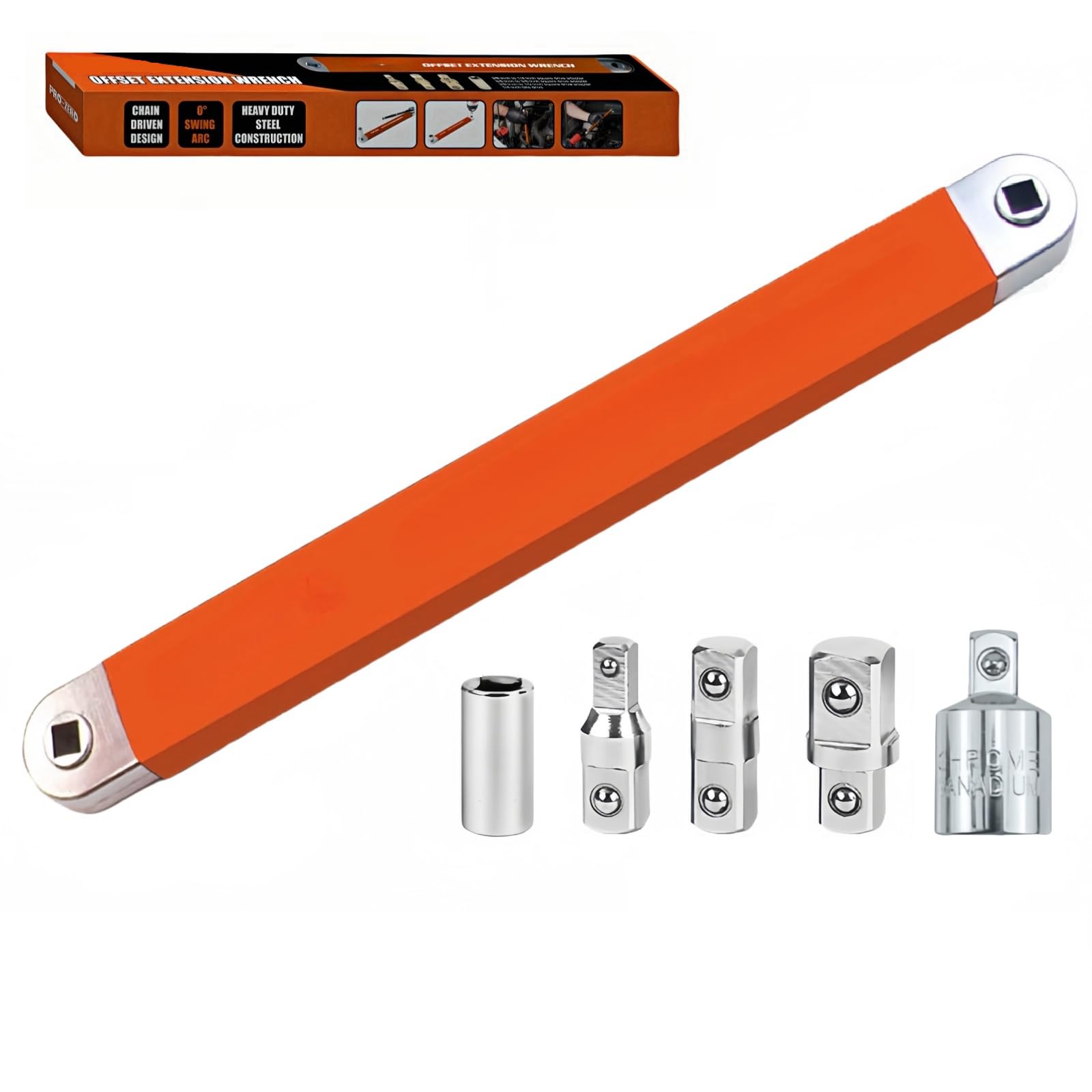
Extension bars add length to your ratchet. They help reach bolts far inside tight spots without forcing your hand.
Choose the right length to avoid losing torque. A longer bar can reach better but may reduce turning power.
- Pick extension bars that fit your ratchet size
- Use shorter bars for more torque
- Use longer bars to reach bolts deep inside
Leveraging Flex-head Ratchets
Flex-head ratchets have a pivoting head. This lets you turn bolts at different angles in tight areas.
The flexible head reduces the need for extra space to swing the handle. It makes work faster and easier.
- Use the pivot to adjust to tight angles
- Move the handle less to save space
- Check the head lock to keep the angle steady
Credit: www.amazon.com
Common Challenges And Solutions
Using a ratchet wrench in tight spaces can be hard. Small areas limit your movement and make tasks tricky.
This guide covers common problems when using a ratchet wrench in tight spots. It also offers simple solutions.
Limited Movement Room
Tight spaces make it tough to swing the wrench fully. You may not have enough room to turn the handle.
Use a ratchet with a short handle or a flexible head to work better in small areas. Move the wrench back and forth in small arcs.
- Choose a compact ratchet wrench
- Try a wrench with a pivoting head
- Use extension bars to reach bolts
- Turn the wrench in short, controlled movements
Stuck Or Rounded Bolts
Bolts in tight spots can get stuck or rounded. This makes loosening or tightening hard.
Apply penetrating oil to loosen stuck bolts. Use a socket that fits exactly to avoid rounding the bolt head.
- Spray penetrating oil and wait a few minutes
- Use the correct size socket for a tight fit
- Tap the wrench lightly to help break rust
- Try heat to expand the metal if safe
Maintaining Torque Control
Torque control is important to avoid over-tightening or stripping bolts. Tight spaces make it harder to feel the torque.
Use a ratchet with a fine tooth count for smooth turns. Stop tightening when you feel resistance to keep control.
- Pick a ratchet with many teeth for small movements
- Turn slowly and feel the resistance
- Use a torque wrench if exact tightness is needed
- Check bolts after tightening to avoid damage
Maintenance Tips For Ratchet Wrenches
Ratchet wrenches need care to work well in tight spaces. Proper maintenance helps tools last longer and stay smooth.
Keep your wrench clean, store it right, and check it often. These tips make your work easier and safer.
Cleaning And Lubrication
Clean your ratchet wrench after each use. Dirt and grease can block the mechanism and cause wear.
Use a soft cloth to wipe dirt off. Apply a small amount of light machine oil to the moving parts to keep them smooth.
- Remove dirt with a brush or cloth
- Use light oil on the gear and pawl
- Wipe off excess oil to avoid dust build-up
Storage Recommendations
Store your ratchet wrench in a dry place to stop rust. Avoid leaving it where moisture can reach.
Keep it in a toolbox or hang it on a pegboard. This prevents damage and loss.
- Use a toolbox with compartments
- Hang on a pegboard to stay organized
- Keep away from damp or humid areas
Regular Inspection
Check your ratchet wrench often for wear or damage. Look for cracks or worn gears.
Make sure the mechanism clicks and moves freely. Fix or replace parts if needed to avoid tool failure.
- Inspect gears for wear or damage
- Test the ratchet mechanism for smooth operation
- Replace broken parts promptly
Safety Tips While Using Ratchet Wrenches
Using a ratchet wrench in tight spaces can be tricky and dangerous. It is important to follow safety tips to avoid injuries and tool damage.
Keep safety in mind each time you use your ratchet wrench. This helps you work more efficiently and protect yourself.
Protective Gear
Always wear protective gear before using a ratchet wrench. Gloves protect your hands from cuts and pinches. Safety glasses shield your eyes from debris.
Closed-toe shoes prevent foot injuries if you drop the tool. Make sure your clothes fit well to avoid getting caught in moving parts.
- Wear gloves to protect hands
- Use safety glasses for eye protection
- Wear sturdy, closed-toe shoes
- Avoid loose clothing or jewelry
Avoiding Over-tightening
Do not apply too much force when using a ratchet wrench. Over-tightening can damage bolts and the tool itself. It may also cause parts to break.
Use steady pressure and stop turning once the bolt is secure. If unsure, check the recommended torque for the bolt or nut.
- Apply steady, controlled pressure
- Stop when bolt feels tight
- Check torque specs if available
- Avoid forcing the wrench beyond its limit
Working In Confined Spaces Safely
Tight spaces limit your movement and increase risk. Clear the area of clutter before starting work. Use a flashlight to see clearly.
Keep your body balanced and avoid awkward positions. Take breaks if your hands or arms get tired. This prevents accidents and muscle strain.
- Clear the workspace of obstacles
- Use good lighting to see well
- Maintain a comfortable and balanced posture
- Take breaks to avoid fatigue
Frequently Asked Questions
What Is The Best Ratchet Wrench For Tight Spaces?
The best ratchet wrench for tight spaces is compact with a slim head. Look for short handle models with fine-tooth gears for precise control. These features help maneuver easily in confined areas without sacrificing torque or comfort.
How Do I Use A Ratchet Wrench In Confined Areas?
To use a ratchet wrench in tight spots, choose the right size socket. Position the wrench carefully and use short, controlled movements. Reverse the ratchet direction smoothly to avoid slipping or stripping bolts in narrow spaces.
Can A Flexible Head Ratchet Wrench Improve Access?
Yes, flexible head ratchet wrenches provide better access in awkward angles. The adjustable head pivots to reach bolts in tight, hard-to-reach places. This flexibility reduces strain and improves efficiency in confined workspaces.
How To Maintain A Ratchet Wrench For Longevity?
Regularly clean your ratchet wrench after use. Lubricate the mechanism with light oil to keep it smooth. Store it in a dry place to prevent rust. Proper maintenance ensures reliable performance, especially in tight, demanding tasks.
Conclusion
Using a ratchet wrench in tight spaces can be tricky. With practice, it becomes easier. Remember to choose the right size and type. Keep your tools organized and easily accessible. A well-maintained ratchet wrench ensures smooth operation. Patience and persistence are key.
Make adjustments slowly to avoid mistakes. Safety should always be your top priority. Tight spaces require careful maneuvering. Take your time and stay focused. Soon, you’ll handle these tasks with confidence. Happy wrenching!