Are you ready to tackle your drywall project but unsure how to make perfect cuts? Cutting drywall might seem tricky at first, but with the right steps, you can do it quickly and cleanly.
Imagine fitting each piece smoothly without wasting material or struggling with awkward shapes. In this guide, you’ll learn simple techniques that save you time and frustration. Keep reading, and you’ll gain the confidence to handle your drywall like a pro from start to finish.
Tools Needed
Cutting drywall is an important step for a good installation. You need the right tools to cut drywall cleanly and safely.
Using proper tools makes your work easier and faster. It also helps avoid damage to the drywall.
Essential Cutting Tools
Several tools help you cut drywall accurately. Each tool has a specific use during the cutting process.
- Utility Knife:A sharp blade cuts drywall paper and gypsum easily.
- T-Square or Drywall Square:Helps mark straight lines for precise cuts.
- Measuring Tape:Measures the drywall to the needed size.
- Keyhole Saw:Used for cutting holes or curves in drywall.
- Drywall Rasp:Smooths rough edges after cutting.
Safety Gear
Safety gear protects you from dust and sharp edges while cutting drywall. Always wear the right equipment.
- Safety Glasses:Protect your eyes from dust and debris.
- Dust Mask:Prevents inhaling drywall dust, which can irritate lungs.
- Gloves:Protect your hands from cuts and scrapes.
- Long Sleeves:Cover your arms to avoid skin irritation.
Preparing The Drywall
Cutting drywall correctly starts with good preparation. This makes the installation easier and cleaner.
Take your time to measure and mark the drywall carefully. Use the right tools for a smooth cut.
Measuring And Marking
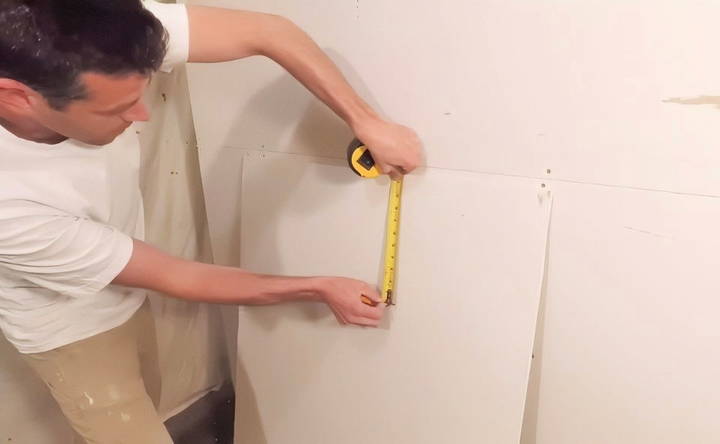
Measure the wall or ceiling space where you will install the drywall. Use a tape measure for accuracy.
Mark the drywall sheet with a pencil along the measured line. Draw straight lines using a ruler or a T-square.
- Measure twice to avoid mistakes
- Use a sharp pencil for clear lines
- Keep your markings visible but light
Scoring Techniques
Use a utility knife to score along the marked line. Press firmly but do not cut all the way through.
After scoring, snap the drywall along the line by lifting it gently. Cut the paper backing on the other side to finish.
- Use a straight edge to guide your knife
- Make one clean score for a better break
- Wear gloves to protect your hands
Cutting Methods
Cutting drywall correctly is key for a smooth installation. There are different tools you can use depending on the cut you need.
Each cutting method has its own benefits. Choose the right one to save time and avoid damage.
Using A Utility Knife
A utility knife is the simplest tool for cutting drywall. It works well for straight cuts and scoring the drywall surface.
- Mark the cut line with a pencil and straight edge.
- Score the drywall paper along the line using the utility knife.
- Snap the drywall along the scored line.
- Cut the paper on the back side to separate the piece.
Employing A Drywall Saw
A drywall saw is useful for cutting shapes or openings like outlets or windows. It has a pointed tip to start cuts easily.
Drywall saws come in hand saw form or as keyhole saws. They allow more control for curved cuts.
| Feature | Hand Drywall Saw | Keyhole Saw |
| Cut Type | Straight and curved | Small curves and shapes |
| Blade Length | 6 to 12 inches | 3 to 6 inches |
| Use | General cutting | Detailed cuts |
Power Tool Options
Power tools speed up drywall cutting, especially for large jobs. Common tools include rotary tools and jigsaws.
- Rotary Tools:Use a circular blade to cut drywall quickly and smoothly.
- Jigsaws:Good for cutting curves and detailed shapes with various blade types.
- Oscillating Multi-Tools:Offer precision cuts in tight spaces and corners.

Credit: www.mybuilder.com
Handling Cutouts
Cutting drywall for installation requires careful handling of cutouts. These cutouts allow for electrical boxes, windows, and doors. Proper measuring and cutting ensure a clean fit and easy installation.
Handling cutouts carefully prevents damage to the drywall and keeps the installation neat. Use the right tools and follow clear steps to achieve good results.
Creating Electrical Box Openings
Mark the location of the electrical box on the drywall. Use a tape measure and pencil to get exact measurements. Cut the opening slightly smaller than the box for a snug fit.
- Measure the box height and width
- Transfer measurements to drywall
- Use a drywall saw to cut along the lines
- Test fit the drywall around the box
- Adjust cuts if necessary for a tight fit
Making Window And Door Openings
Window and door openings require precise cuts to fit framing. Mark the opening size carefully. Cut the drywall slightly smaller than the frame to allow for adjustments.
| Tool | Purpose | Tip |
| Tape Measure | Mark dimensions | Double check measurements |
| Drywall Saw | Cut openings | Use steady, controlled strokes |
| Utility Knife | Score drywall | Score before sawing for cleaner edges |
| Square | Ensure straight lines | Use to draw right angles |
Tips For Clean Cuts
Cutting drywall cleanly is important for a smooth installation. Sharp edges fit better and reduce gaps.
Using the right tools and techniques helps you make straight, precise cuts. This saves time and effort.
Maintaining Straight Lines
Always mark your cut lines clearly before cutting. Use a straightedge or a level to guide your cuts.
Score the drywall paper with a utility knife along the line. Then snap the board gently to break it cleanly.
- Use a straightedge to draw lines
- Score deeply but carefully with a sharp knife
- Snap the drywall along the scored line
- Cut the backing paper after snapping
Avoiding Cracks And Breaks
Handle drywall gently to avoid cracks. Support the board fully when cutting and moving it.
Use sharp blades to reduce tearing. Cut slowly and avoid forcing the knife through the drywall.
- Support drywall flat on a stable surface
- Replace dull blades often
- Cut slowly and steadily
- Use a utility knife instead of saws for straight cuts
Credit: www.diycraftsy.com
Installing Cut Drywall
Installing cut drywall is a key step in finishing walls. It requires careful fitting and fastening for a smooth surface. Proper installation helps avoid cracks and damage later.
Follow simple techniques to fit panels securely and use the right fastening methods. This guide covers important tips for a strong drywall installation.
Fitting Panels Securely
Drywall panels must fit tightly against framing and other panels. Gaps can cause uneven walls or cracks in the joint compound. Measure carefully and cut panels to match openings and corners.
- Check the frame for any obstructions before placing drywall.
- Use a drywall T-square to guide straight cuts.
- Test fit each panel before fastening to ensure it fits snugly.
- Trim edges if needed for tight corners or around electrical boxes.
- Leave a small gap at the floor and ceiling to allow for expansion.
Fastening Techniques
Use the right fasteners and spacing to keep drywall secure. Fasten panels to studs and joists with drywall screws or nails. Avoid overdriving fasteners to prevent damage.
| Fastener Type | Recommended Spacing | Tips |
|---|---|---|
| Drywall Screws | 16 inches on studs | Drive screws just below surface without breaking paper |
| Drywall Nails | 12 inches on studs | Use hammer carefully to avoid denting drywall |
| Corner Beads | Every joint corner | Secure with screws or nails for clean edges |
Common Mistakes To Avoid
Cutting drywall correctly is important for a good installation. Mistakes can cause wasted materials and poor fits.
Knowing what to avoid helps you save time and money. Two common errors are incorrect measurements and improper tool use.
Incorrect Measurements
Measuring drywall inaccurately leads to pieces that do not fit well. This causes gaps or forces you to cut again.
Always measure twice and mark clearly before cutting. Use a straight edge to guide your cuts for better accuracy.
- Do not guess measurements
- Mark cut lines with a pencil
- Use a tape measure for precision
- Double-check all dimensions before cutting
Improper Tool Use
Using the wrong tools or dull blades can cause rough cuts or damage drywall. This makes installation harder and less neat.
Use a utility knife with a sharp blade and a T-square for straight cuts. Change blades often to keep cuts clean.
- Do not use blunt or damaged knives
- Use a drywall saw for curves or openings
- Keep tools clean and sharp
- Work slowly to control the cut

Credit: www.youtube.com
Frequently Asked Questions
How Do I Measure Drywall For Cutting?
Measure the space accurately using a tape measure. Mark the drywall with a pencil at the exact length. Double-check measurements before cutting to avoid errors. Precise measuring ensures a perfect fit during installation. Always measure twice to cut once.
What Tools Are Best For Cutting Drywall?
A utility knife is ideal for straight cuts. For curved cuts, use a drywall saw or keyhole saw. A T-square helps guide straight lines. Sharp blades ensure clean, smooth cuts. Proper tools make cutting easier and more accurate.
How Can I Cut Drywall Safely?
Wear safety goggles and a dust mask to protect eyes and lungs. Cut on a stable surface with good lighting. Keep fingers clear of the blade path. Use slow, controlled motions for clean cuts. Safety reduces injury risk during drywall cutting.
What Is The Best Technique For Cutting Drywall?
Score the drywall surface deeply with a utility knife. Snap the drywall along the scored line. Cut through the backing paper on the reverse side. Use a sanding block to smooth edges if needed. This method ensures clean and precise cuts.
Conclusion
Cutting drywall for installation is easier with the right steps. Measure twice, cut once saves time and material. Use a sharp utility knife for clean edges. Score the drywall firmly and snap it carefully. Sand rough edges lightly for a smooth fit.
Take your time and stay safe with tools. Practice helps improve your cutting skills quickly. This simple process prepares drywall for a strong, neat installation. Ready to start your drywall project with confidence?