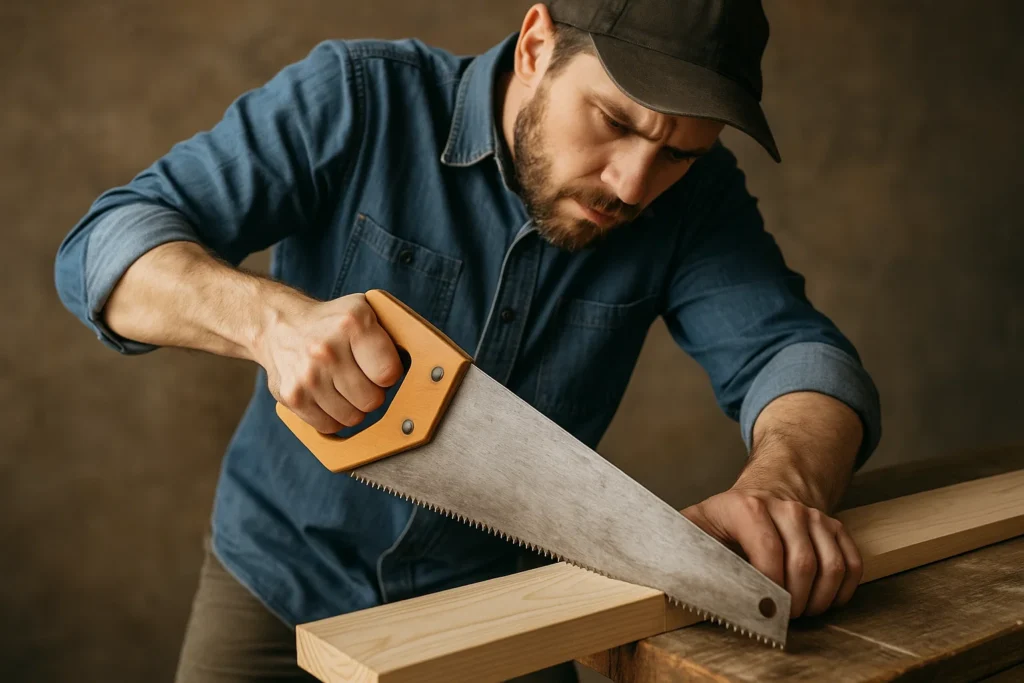
Choosing the right hand saw can make all the difference in your project’s success. Whether you’re cutting wood for a simple shelf or crafting something more complex, the saw you pick affects how clean, fast, and easy the job will be.
You don’t want to struggle with a tool that’s too heavy, too dull, or just not made for the task. You’ll discover exactly what to look for when selecting a hand saw that fits your needs perfectly. By the end, you’ll feel confident grabbing the right saw and tackling your next project with ease.
Keep reading to find out how to make the smartest choice for your tools and your work.
Credit: www.hardman.co.th
Types Of Hand Saws
Hand saws come in many shapes and sizes. Each type is made for a special job in woodworking.
Choosing the right hand saw helps you work faster and get cleaner cuts.
Crosscut Saws
Crosscut saws cut across the grain of wood. They have small, sharp teeth that slice fibers cleanly.
Use crosscut saws for cutting boards to length or trimming branches.
Rip Saws
Rip saws cut along the grain of wood. Their teeth are bigger and shaped like chisels.
They remove wood quickly when you need to split boards or make long cuts.
Back Saws
Back saws have a stiff metal spine on top. This spine keeps the blade straight.
They are great for precise cuts in joinery and small woodworking projects.
- Common types: tenon saw, dovetail saw
- Used for fine, controlled cuts
- Shorter blades than other saws
Coping Saws
Coping saws have a thin, narrow blade in a U-shaped frame. The blade can turn freely.
They cut curves and shapes in wood, useful for trim and detailed work.
Japanese Saws
Japanese saws cut on the pull stroke. This design makes cutting easier and cleaner.
They have thin blades and fine teeth. Use them for precise and delicate woodworking.
- Common types: Dozuki, Ryoba, Kataba
- Dozuki has a back for straight cuts
- Ryoba has teeth on both edges for rip and crosscut
- Kataba has one edge, good for deep cuts
Key Features To Consider
Choosing the right hand saw is important for your project success. The saw should match the material and task.
Look at features like blade, teeth, handle, and size. These affect cutting quality and ease of use.
Blade Material And Quality
The blade material decides how strong and sharp the saw is. High-quality steel lasts longer and cuts better.
Look for blades that resist rust and wear. A good blade keeps sharp edges for many uses.
Tooth Count And Configuration
Teeth per inch (TPI) shows how many teeth the saw has. More teeth give smoother cuts but cut slower.
Different teeth shapes work for different materials. Choose teeth that fit your cutting needs.
- Low TPI (4-7) for rough cuts and soft wood
- Medium TPI (8-12) for general wood cutting
- High TPI (13+) for fine, smooth cuts and metal
Handle Design And Comfort
The handle should feel good in your hand. A firm grip helps you control the saw and cut safely.
Look for handles with smooth edges and non-slip material. This reduces hand fatigue during work.
- Ergonomic shapes fit natural hand curves
- Rubber or textured grips prevent slipping
- Check for secure blade attachment at the handle
Blade Length And Thickness
Blade length affects the size of wood you can cut. Longer blades cut bigger pieces but are harder to control.
Thick blades are stronger but may cut slower. Thin blades cut faster but can bend easily.
- Short blades (12-15 inches) for small, precise cuts
- Medium blades (15-20 inches) for most woodworking tasks
- Thick blades for straight, tough cuts
- Thin blades for curves and fine work
Matching Saws To Project Types
Choosing the right hand saw depends on the project you want to do. Different saws work best for different materials and tasks.
Knowing which saw fits your project will save time and give better results. Let’s look at common projects and the saws that suit them.
Woodworking And Carpentry
Woodworking and carpentry often need saws that cut wood smoothly and accurately. A crosscut saw is great for cutting across the grain. Rip saws work well for cutting along the grain.
These saws have teeth designed to cut wood cleanly. They help make furniture, shelves, and frames with neat edges.
- Crosscut saws for cutting across wood grain
- Rip saws for cutting along wood grain
- Back saws for precise cuts and joints
Metal Cutting
Metal needs a saw with hard, fine teeth to cut through safely. A hacksaw is the best choice for metal projects. It has a strong frame and replaceable blades.
Use a hacksaw for pipes, rods, and metal sheets. The blade’s fine teeth help avoid rough edges on metal.
- Hacksaws for cutting metal pipes and rods
- Blades with fine teeth for smooth cuts
- Replace blades for different metals and thickness
Pruning And Gardening
Gardening tasks need saws made for cutting branches and plants. Pruning saws have curved blades to cut through wood easily. They work well on live or dry branches.
The curved shape helps sawdust fall away. This makes cuts faster and cleaner for garden care.
- Pruning saws with curved blades
- Small teeth for smooth cutting of branches
- Lightweight handles for easy use
Fine Joinery
Fine joinery needs saws that make very precise cuts. A backsaw or dovetail saw is perfect for this work. These saws have a reinforced back to keep the blade straight.
They help make tight joints and detailed woodwork. The fine teeth create smooth edges that fit well together.
- Backsaws with stiff backs for control
- Dovetail saws for small, detailed cuts
- Fine teeth for smooth, clean edges
Maintenance Tips For Longevity
Choosing the right hand saw is important for your projects. To keep your saw working well, you must take care of it. Good maintenance helps your saw last longer and perform better.
This guide explains simple ways to clean, sharpen, and protect your hand saw. Follow these tips to keep your tool in top shape.
Cleaning And Storage
After every use, clean your hand saw to remove dirt and wood dust. Use a brush or cloth to wipe the blade. Avoid using water as it can cause rust.
Store your saw in a dry place. Hang it on a wall or keep it in a toolbox to protect the teeth and blade from damage.
- Use a soft brush or cloth to clean the blade
- Keep the saw dry to prevent rust
- Store in a safe, dry spot away from moisture
- Hang the saw or place it flat to protect the teeth
Sharpening Techniques
Sharpening keeps your hand saw cutting smoothly. Use a saw file that matches the size of your saw teeth. File each tooth evenly to keep the blade balanced.
Check the saw teeth for damage before sharpening. Replace or repair bent teeth to avoid uneven cuts.
- Select a saw file suited for your saw’s teeth
- File each tooth with smooth, even strokes
- Keep the blade steady while sharpening
- Inspect teeth for damage before sharpening
Rust Prevention
Rust can ruin your saw blade and affect performance. Keep your saw dry and clean after use. Apply a light coat of oil on the blade to stop rust from forming.
Use rust inhibitors or store your saw with silica gel packs to absorb moisture. Regularly check your saw for signs of rust and clean it immediately.
- Keep the blade dry and clean
- Apply a thin layer of oil after cleaning
- Use rust inhibitors or silica gel packs in storage
- Check for rust regularly and clean it off quickly
Budget And Brand Considerations
Choosing the right hand saw depends on your budget and preferred brand. Both factors affect quality and durability.
Knowing what fits your wallet and which brands are reliable helps you pick the best saw for your projects.
Affordable Options
Affordable hand saws offer good value for small or occasional projects. They work well for light tasks.
These saws may have simpler designs but can still cut through wood effectively with proper use.
- Look for saws with comfortable handles to reduce hand fatigue.
- Check blade sharpness and tooth design for clean cuts.
- Choose saws made from stainless steel for rust resistance.
Premium Choices
Premium hand saws provide better performance and last longer. They suit heavy or precise work.
These saws often have ergonomic handles and high-quality blades for smoother cutting.
- Look for hardened steel blades that keep sharp edges longer.
- Consider saws with anti-vibration handles for comfort.
- Check if the saw has replaceable blades for easy maintenance.
Trusted Manufacturers
Buying from trusted manufacturers ensures you get a reliable and safe hand saw. These brands have tested quality.
These companies often provide warranties and customer support for their tools.
- Look for brands with good reviews and industry experience.
- Check if the brand offers a variety of saw types for different needs.
- Choose brands that use durable materials and solid construction.

Credit: magnoliaoakswoodshop.com

Credit: www.youtube.com
Frequently Asked Questions
What Types Of Hand Saws Are Best For Woodworking?
Hand saws like crosscut, rip, and backsaws are best for woodworking. Each type serves specific cuts, ensuring precision and efficiency. Choose based on the wood grain and cut style needed for your project.
How Do I Choose The Right Saw Teeth Per Inch?
Teeth per inch (TPI) affects cut smoothness and speed. Higher TPI means smoother cuts on thin materials; lower TPI suits faster, rougher cuts on thick wood. Match TPI to your project for optimal results.
Can I Use One Hand Saw For All Projects?
One saw rarely suits all projects. Different saws handle specific tasks like fine cuts or heavy-duty ripping. Using the right saw improves accuracy, safety, and finish quality. Invest in multiple saws if possible.
What Safety Tips Apply When Using Hand Saws?
Always wear safety goggles and gloves. Maintain a firm grip and stable stance. Keep saw blades sharp and clean to prevent slips. Use clamps to secure materials. Follow these tips to avoid injuries.
Conclusion
Selecting the right hand saw can simplify your projects. Understand your project’s needs first. Choose a saw that fits those needs well. Consider the material you’ll cut. Think about the saw’s handle comfort. A comfortable grip ensures safe and precise cuts.
Each saw type has its own purpose. Match the saw’s purpose with your task. Research different brands and read reviews. Quality matters for long-term use. Keep budget in mind, too. Investing in the right tool pays off. This guide helps in making informed choices.
A smart choice leads to better project results.