Measuring something might seem simple, but even a small mistake can throw off your entire project. If you want your work to look professional and fit perfectly, you need to measure accurately every time.
This guide will show you exactly how to use a tape measure like a pro. You’ll learn tips and tricks that save you time and prevent costly errors. Keep reading, and soon you’ll feel confident measuring anything with precision.
Choosing The Right Tape Measure
Using a tape measure correctly helps you get exact measurements. Picking the right tape measure makes your job easier.
Different tasks need different tape measures. Look at the type, material, and length before buying.
Types Of Tape Measures
Tape measures come in many types. Some are best for small jobs, others for big projects.
- Steel tape measures are strong and good for construction.
- Cloth or fiberglass tapes are flexible and used in sewing.
- Laser tape measures use light to measure distances quickly.
Material And Durability
The material affects how long the tape lasts. Steel tapes resist bending and breaking.
Plastic or fiberglass tapes resist water and sun damage. Choose material based on your work conditions.
- Steel: Durable, good for rough jobs
- Fiberglass: Flexible and weather-resistant
- Plastic-coated steel: Rust-resistant and strong
Length And Measurement Units
Pick a tape measure with enough length for your tasks. Small tapes work for indoor use.
Check the units on the tape. Some show inches, others centimeters, or both.
- Short tapes (6-12 feet) fit small projects
- Long tapes (25-50 feet) suit large jobs
- Dual units help if you work with metric and imperial systems

Credit: www.youtube.com
Preparing For Accurate Measurement
Using a tape measure correctly gives you the right numbers. Good preparation helps get exact results.
Before measuring, you should clear the area and set your tape right. This makes the work easier and more precise.
Clearing The Measuring Surface
Make sure the surface you want to measure is clean and flat. Dirt or objects can change the length you see.
Remove any tools, papers, or other items that might get in the way. This helps the tape lay flat and straight.
Positioning The Tape Correctly
Start your tape at the exact edge of the object. The tape’s zero mark should line up perfectly.
Keep the tape straight and tight. Avoid bending or twisting it to get a true measurement.
- Hold the tape firmly at the start point
- Stretch the tape to the end point without slack
- Keep your eyes level with the tape for reading
Avoiding Common Mistakes
Do not measure over bumps or gaps on the surface. This can add extra length to your measurement.
Check the tape’s condition. Worn or twisted tapes can give false numbers.
- Do not let the tape sag while measuring
- Avoid reading the tape at an angle
- Double-check measurements for accuracy
Techniques For Precise Measurement
Using a tape measure correctly helps you get exact measurements. Small mistakes can cause big errors in your work.
This guide shows how to use the tape measure for accuracy. Learn how to handle the hook, measure inside and outside spaces, and read fractions.
Using The Hook Properly
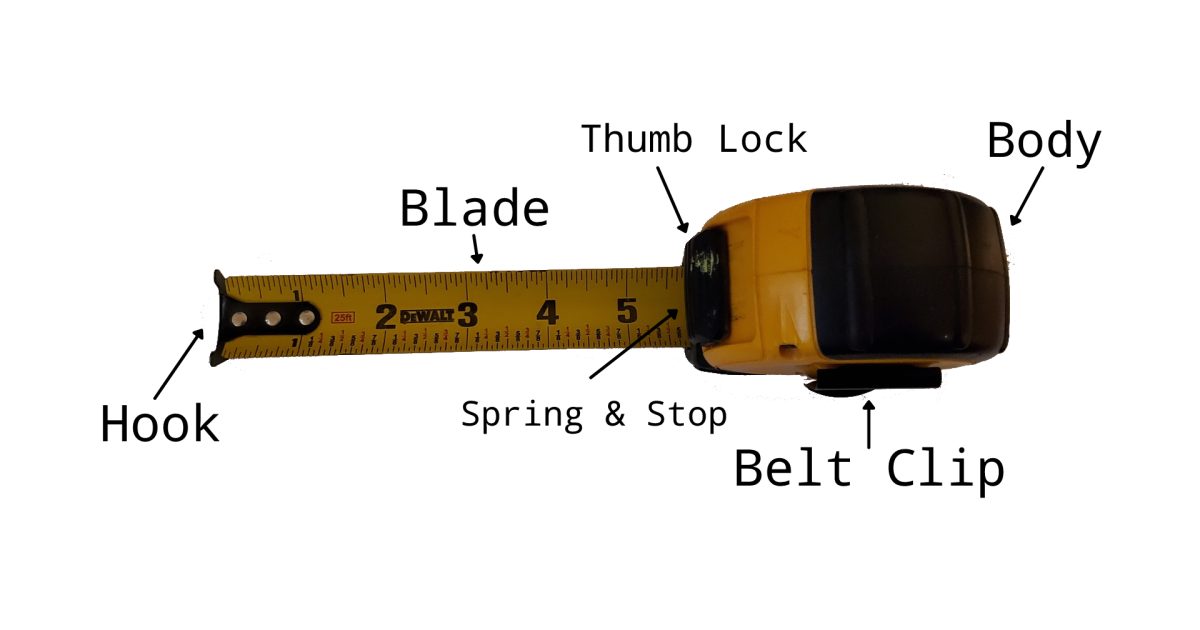
The metal hook at the tape’s end moves slightly. This movement helps you measure both inside and outside edges correctly.
When measuring outside edges, pull the hook tight against the object. For inside measurements, push the hook to touch the inside edge.
- Check that the hook is not bent or loose.
- Use the hook’s thickness to adjust your measurement.
- Hold the tape flat and straight for best results.
Measuring Inside And Outside Dimensions
Measuring outside dimensions means measuring the length or width of an object’s surface. Inside dimensions are the space inside a frame or container.
| Dimension Type | How to Measure |
| Outside | Hook the tape on the edge and pull tight |
| Inside | Press the hook against the inside edge and extend the tape |
Keep the tape straight and avoid bending it. Read the tape at eye level to avoid mistakes.
Reading Fractional Increments
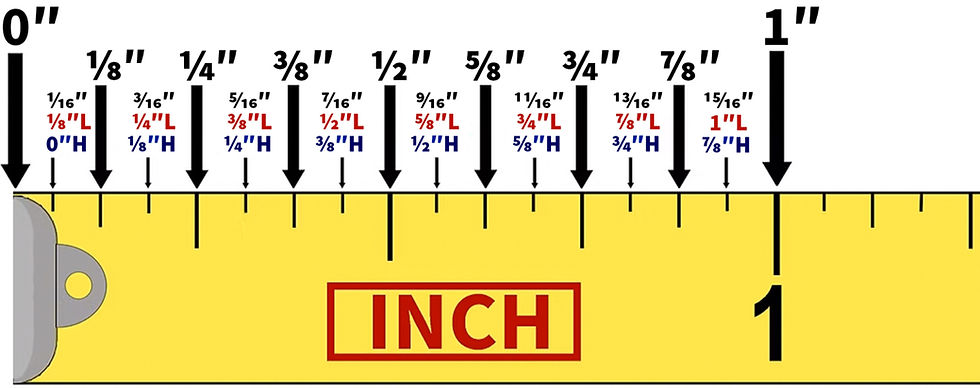
Tape measures often show inches with fractions like 1/2 or 1/8. Knowing how to read these fractions helps you measure accurately.
- Each inch is divided into smaller parts, such as halves, quarters, eighths, and sixteenths.
- Look closely at the marks between whole numbers to find the exact fraction.
- Use a magnifier if the marks are hard to see.
| Fraction | Decimal Equivalent | Description |
|---|---|---|
| 1/2 | 0.5 | Half inch mark, largest fractional line |
| 1/4 | 0.25 | Quarter inch mark |
| 1/8 | 0.125 | Eighth inch mark, smaller line |
| 1/16 | 0.0625 | Sixteenth inch mark, smallest common line |
Tips For Measuring Curves And Angles
Measuring curves and angles can be tricky with a tape measure. You need the right tools and techniques to get accurate results. This guide will help you measure these shapes with ease.
Using flexible tape measures, combination squares, and marking reference points can improve your measurements. These tips will make your work more precise.
Flexible Tape Measures
Flexible tape measures bend easily to follow curves. They are perfect for measuring round or irregular shapes. Use the tape to wrap around the curve smoothly without gaps.
Hold the tape firmly but not too tight. This avoids stretching the tape and giving a wrong measurement. Read the number where the tape meets the start point.
- Choose a tape made from soft material like cloth or fiberglass.
- Keep the tape flat against the surface while measuring.
- Check the tape for damage that can affect length.
Using A Combination Square
A combination square helps measure and mark angles accurately. It has a ruler and a movable head that locks at different angles. Use it to find exact corner angles or mark lines.
Place the ruler along one edge and slide the head to the other edge. Lock the head and read the angle or mark the point. This tool is handy for 45 and 90-degree angles.
- Check the square’s edges for straightness before use.
- Use the spirit level on the square to ensure flat surfaces.
- Keep the head tight to avoid slipping during marking.
Marking Reference Points
Marking reference points helps keep track of where to measure on curves and angles. Use a pencil or marker to note key spots before measuring.
Mark points at the start and end of the curve or angle. This makes it easier to align your tape measure or tool. Clear marks reduce errors and speed up your work.
- Use light marks that can be erased if needed.
- Mark every corner or curve change clearly.
- Double-check marks before measuring for accuracy.
Maintaining And Calibrating Your Tape Measure
Using a tape measure accurately depends on keeping it in good shape. Regular care helps you get precise readings every time.
Maintaining and calibrating your tape measure ensures it stays reliable for all your projects.
Checking For Wear And Tear
Look at your tape measure closely before use. Check if the tape is bent, cracked, or faded. Worn tape markings can cause wrong measurements.
- Inspect the tape blade for cracks or bends
- Check if the numbers and lines are clear and readable
- Test the hook for damage or looseness
- Make sure the tape retracts smoothly
Calibrating For Accuracy
Calibration means checking if your tape measure shows the right length. Use a known standard to compare your tape’s readings.
- Find a ruler or object with a certified length
- Measure the object with your tape measure
- Compare your tape’s reading to the known length
- Adjust your measuring technique if there is a difference
If your tape measure is off, mark the difference or get a new one for important tasks.
Storage Best Practices
Store your tape measure properly to keep it safe. Bad storage can cause damage and affect accuracy.
- Keep the tape dry to prevent rust and wear
- Do not leave it in direct sunlight or extreme heat
- Retract the tape fully before storing
- Use a case or pouch to protect it from dust and dirt

Credit: learn.reeb.com
Using Technology To Enhance Accuracy
Measuring with a tape can be tricky. Technology helps you get exact numbers fast.
New tools work with tape measures to improve your accuracy and save time.
Digital Tape Measures
Digital tape measures show measurements on a screen. This reduces reading errors.
They often have buttons to switch units or lock the measurement for easy reading.
Apps And Measurement Tools
Smartphone apps help measure spaces using the camera and sensors. They work well for quick checks.
- Use apps to save and organize measurements
- Some apps allow you to draw plans with accurate sizes
- Apps can convert units automatically
- They can share measurements directly from your phone
Integrating Laser Measures
Laser measures use a beam to find distances. They are very precise and fast.
| Feature | Benefit |
| Long Distance Range | Measure far spaces easily |
| Instant Readings | Get results quickly without errors |
| Memory Storage | Save multiple measurements for later use |
| Bluetooth Connectivity | Send data directly to phones or computers |
Credit: www.acservicetech.com
Frequently Asked Questions
How Do I Read A Tape Measure Accurately?
To read a tape measure accurately, align the zero mark with your object’s edge. Read the measurement at the tape’s end point. Use the smallest markings for precise readings. Always keep the tape flat and straight to avoid errors.
What Is The Best Way To Hold A Tape Measure?
Hold the tape measure firmly at the base with one hand. Pull the tape straight out with the other hand. Keep the tape taut and level to prevent sagging. This ensures accurate and consistent measurements.
How Can I Avoid Common Tape Measure Mistakes?
Avoid common mistakes by keeping the tape flat and straight. Don’t twist or bend the tape while measuring. Always start from the correct zero mark. Double-check measurements to ensure accuracy before marking or cutting.
When Should I Use The Tape Measure’s Fractional Markings?
Use fractional markings for precise measurements under an inch. These small divisions help measure in eighths, sixteenths, or thirty-seconds of an inch. They are essential for detailed projects requiring exact dimensions.
Conclusion
Accurate measurements are crucial for successful projects. Tape measures help ensure precision. Practice regularly to improve your measuring skills. Always double-check measurements for best results. Choose the right tape measure for your tasks. Keep it clean and well-maintained. Understand the markings for better accuracy.
Stay patient and focused while measuring. Mistakes can happen, but practice reduces them. Always measure twice to avoid costly errors. With these tips, measuring becomes easier. Start your projects with confidence today.