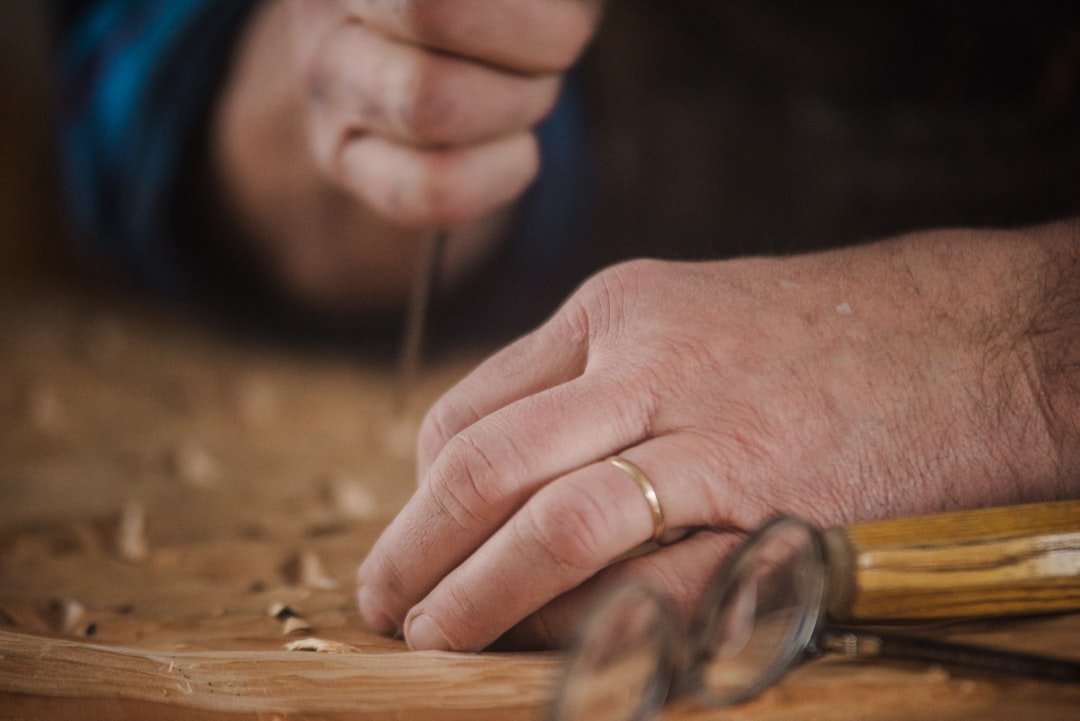
Are you ready to take your DIY projects to the next level? Using a hand drill for precision work might seem tricky at first, but with the right techniques, you can achieve perfect results every time.
Imagine creating clean, accurate holes without damaging your materials or wasting time. This guide will show you exactly how to handle a hand drill like a pro, helping you gain confidence and control. Keep reading to discover simple tips that will transform your approach and make your work look sharp and professional.

Credit: www.gz-supplies.com
Choosing The Right Hand Drill
Using a hand drill for precision work needs the right tool. Picking a suitable hand drill helps you do accurate and clean jobs.
This guide covers types of hand drills, choosing drill bits, and grip comfort. These tips help you pick the best drill for fine tasks.
Types Of Hand Drills
Hand drills come in different styles. Each type fits certain jobs better than others. Knowing the options helps you choose the right one.
Some common types are manual crank drills, ratchet drills, and cordless electric drills. Manual drills give control but need more effort.
- Manual Crank Drills:Good for slow, precise drilling. No power needed.
- Ratchet Drills:Easier turning with less hand movement. Good for tight spaces.
- Cordless Electric Drills:Faster drilling with power. Use low speed for precision.
Selecting Drill Bits
Drill bits come in many shapes and sizes. Picking the right bit is key to clean holes and accuracy.
Choose bits made for the material you work on. Sharp bits reduce slipping and damage. Small bits help with detailed work.
- Twist Bits:Good for wood, plastic, and metal.
- Brad Point Bits:Ideal for wood with clean entry holes.
- Masonry Bits:Made for drilling into brick or stone.
- Small Diameter Bits:Best for precise, fine holes.
Ergonomics And Grip
Comfort is important for steady drilling. A drill with a good grip helps you control the tool better.
Look for drills with soft handles and non-slip surfaces. The drill should fit your hand size well. This reduces fatigue and improves precision.
- Soft rubber grips absorb shock and feel comfortable.
- Non-slip textures prevent the drill from slipping.
- Compact size fits small hands for better control.
Preparing For Precision Drilling
Using a hand drill for precision work requires careful preparation. This helps you drill accurate holes without mistakes.
Proper setup reduces the risk of damage to your workpiece. Follow these steps before you start drilling.
Marking Drill Points
Mark the exact spots where you want to drill. Clear marks guide the drill and prevent errors.
Use a pencil or a fine-tip marker to make small dots. You can also use an awl to create a small indentation.
- Measure twice to ensure correct placement
- Make marks visible but small
- Create indentations to keep the drill bit from slipping
Securing The Workpiece
Hold the workpiece firmly to avoid movement. Moving parts cause inaccurate holes and can be dangerous.
Use clamps or a vise to fix the workpiece in place. Make sure it is stable but not damaged by pressure.
- Choose clamps that fit your workpiece size
- Apply even pressure to avoid bending
- Check stability before drilling
Setting Drill Speed
Adjust the drill speed to match the material you are working on. Speed affects hole quality and drill bit life.
Use slower speeds for hard materials and faster speeds for soft materials. This helps prevent overheating and damage.
- Soft wood: high speed
- Hard wood: medium speed
- Metal or plastic: low speed
Techniques For Accurate Drilling
Using a hand drill for precise work needs care and focus. Accurate drilling helps avoid mistakes and damage.
Good techniques improve your control over the drill and produce clean holes every time.
Starting The Hole
Begin by marking the exact spot where you want the hole. Use a center punch to make a small dent.
This dent stops the drill bit from slipping and helps start the hole in the right place.
- Mark the drilling point with a pencil or marker
- Use a center punch and hammer to make a small dent
- Place the drill bit tip in the dent before starting
Maintaining Drill Angle
Keep the drill bit straight to make clean, precise holes. Tilted drills can cause uneven holes or break bits.
Hold the drill perpendicular to the surface unless the design needs a different angle.
- Check the drill angle before you start drilling
- Use both hands to steady the drill
- Use guides or clamps to keep the material steady
Controlling Pressure
Apply steady, moderate pressure on the drill. Too much force can damage the drill bit or material.
Let the drill bit do the work by turning smoothly. Stop if the drill slows down or the bit gets hot.
- Press firmly but gently
- Keep a steady drilling speed
- Pause occasionally to clear debris and cool the bit

Credit: www.amazon.com
Common Challenges And Solutions
Using a hand drill for precise work can be tricky. Small mistakes affect the final result.
This guide covers common problems and simple ways to fix them. Follow these tips to improve your drilling accuracy.
Avoiding Drill Bit Slippage
Drill bit slippage can ruin your project by making uneven holes. It happens when the bit slips on the material surface.
- Use a center punch to make a small dent before drilling.
- Start drilling at a low speed to keep control.
- Choose a drill bit with a sharp tip and proper size.
- Keep firm, steady pressure on the drill.
Handling Tough Materials
Hard materials like metal or dense wood need special care. Drilling too fast or with the wrong bit causes damage.
| Material | Recommended Drill Bit | Drill Speed |
| Metal | Titanium-coated bit | Low to medium |
| Hardwood | Brad point bit | Medium |
| Plastic | Standard twist bit | Medium to high |
Keep the drill straight and apply steady pressure. Let the bit do the cutting without forcing it.
Preventing Overheating
Overheating wears out bits quickly and can damage materials. It happens when drilling too fast or with too much pressure.
- Use slower drill speeds for tough materials.
- Pause often to let the drill and bit cool down.
- Apply light oil or lubricant on metal to reduce heat.
- Remove debris from the hole regularly to avoid friction.
Maintenance And Care
Keeping your hand drill in good shape is important for precise work. Proper care helps the tool last longer and work better.
Simple maintenance tasks like cleaning, sharpening, and storing can make a big difference in your drill’s performance.
Cleaning The Drill
After each use, clean your hand drill to remove dust and debris. Use a soft brush or cloth to wipe the surface and gears.
Check for any stuck particles in tight spots. Avoid using water or harsh chemicals that can cause rust.
Sharpening Bits
Dull drill bits reduce accuracy and make work harder. Keep your bits sharp for clean and precise holes.
- Use a small file or sharpening stone to gently sharpen the edges.
- Hold the bit steady and maintain the original angle while sharpening.
- Remove any burrs or rough spots after filing.
- Test the bit on scrap material before using it on your project.
Storing Equipment Safely
Store your hand drill and bits in a dry, clean place to avoid damage and rust.
| Storage Tip | Reason |
|---|---|
| Use a toolbox or case | Protects from dust and impact |
| Keep bits in labeled containers | Prevents loss and makes finding easy |
| Store in a dry area | Prevents rust and corrosion |
Advanced Tips For Mastery
Using a hand drill for precision work takes practice and care. Small mistakes can ruin delicate tasks.
These tips help improve your control and results. They focus on accuracy and efficiency together.
Using Guides And Jigs
Guides and jigs keep your drill steady and aligned. They help make straight and accurate holes.
Use clamps to hold guides in place. Mark your drill points clearly before starting work.
- Cut a small wooden block with a hole for the drill bit
- Attach the block to your workpiece as a drilling guide
- Use a metal ruler or straight edge for long, straight lines
- Clamp jigs firmly to prevent movement during drilling
Combining With Other Tools
Use a hand drill alongside other tools for better precision. For example, a center punch creates a small dent.
The dent helps keep the drill bit from slipping. A magnifying glass or work lamp improves visibility.
- Use a center punch to mark drill spots
- Hold the drill with both hands for control
- Work with a vice to hold small pieces
- Use a ruler or square to check angles
- Light your workspace well to see details
Improving Speed Without Losing Accuracy
Drill slowly at first to start the hole cleanly. Increase speed only after the bit is steady.
Keep your drill bit sharp. A dull bit makes more mistakes and wastes time.
- Start drilling at low speed to avoid slipping
- Use steady pressure, not too hard or light
- Keep the drill bit sharp and clean
- Use bits designed for the material you drill
- Practice consistent hand movements

Credit: www.msn.com
Frequently Asked Questions
How Do I Choose The Right Drill Bit For Precision Work?
Select a drill bit based on material type and hole size needed. Use high-quality, sharp bits for clean, accurate holes. Smaller bits offer better control for delicate tasks. Always check compatibility with your hand drill chuck size.
What Safety Tips Should I Follow Using A Hand Drill?
Wear safety goggles and secure your workpiece firmly. Keep hands away from the drill bit while operating. Use steady, controlled pressure to prevent slipping. Ensure the drill is turned off before changing bits or adjustments.
How Can I Improve Accuracy When Drilling By Hand?
Use a center punch to mark the drilling spot. Hold the drill perpendicular to the surface for straight holes. Start drilling at a slow speed to maintain control. Steady your hands and avoid rushing the process.
What Maintenance Is Needed For A Hand Drill?
Regularly clean the drill and remove dust or debris. Lubricate moving parts to ensure smooth operation. Check drill bits for wear and replace dull ones. Store the drill in a dry place to prevent rust.
Conclusion
A hand drill offers precision for your projects. Practice makes perfect. Start with simple tasks. Gradually move to complex ones. Use the right drill bit for each material. Keep your drill clean and well-maintained. Safety is crucial, always wear protective gear.
Your skills will grow over time. Precision work needs patience and focus. Enjoy the process and learn from mistakes. With these tips, you’ll achieve great results. Happy drilling!