If you want to make precise cuts every time, learning how to use a miter saw accurately is a game-changer. Whether you’re tackling a DIY project or working on professional carpentry, the right technique can save you time, material, and frustration.
You might think it’s just about lining up the blade, but there’s more to it—small details can make a big difference in your results. Stick with me, and you’ll discover simple tips and tricks that will help you master your miter saw and create perfect cuts like a pro.
Ready to boost your skills and confidence? Let’s dive in.

Credit: www.reddit.com
Choosing The Right Miter Saw
Using a miter saw accurately starts with picking the right tool. The right saw makes cutting easier and safer.
Learn about different types of miter saws, blades, and safety features before buying one.
Types Of Miter Saws
Miter saws come in several types. Each type suits different cutting jobs and skill levels.
The main types are standard, compound, and sliding compound miter saws.
- Standard Miter Saw:Cuts only at angles left or right. Good for simple cuts.
- Compound Miter Saw:Tilts to cut bevels and angles. Useful for crown molding.
- Sliding Compound Miter Saw:Has a sliding arm for wider cuts. Best for large wood pieces.
Blade Selection Tips
Choose the right blade for clean and accurate cuts. Blades vary by size, teeth, and material.
- Use a blade with many teeth for smooth cuts on wood.
- Fewer teeth blades cut faster but leave rough edges.
- Pick blades made for the material you cut, like wood or metal.
- Check the blade size matches your miter saw model.
Safety Features To Consider
Safety features protect you during use. Look for saws with guards and easy controls.
- Blade guard covers the blade when not cutting.
- Electric brake stops the blade quickly after you release the trigger.
- Locking mechanisms keep the saw steady during cuts.
- Non-slip handles improve control and reduce accidents.
Setting Up Your Miter Saw
Setting up your miter saw properly is key to making accurate cuts. A good setup helps keep the work safe and precise.
This guide covers how to arrange your workspace, secure the workpiece, and adjust the saw angle correctly.
Proper Workstation Arrangement
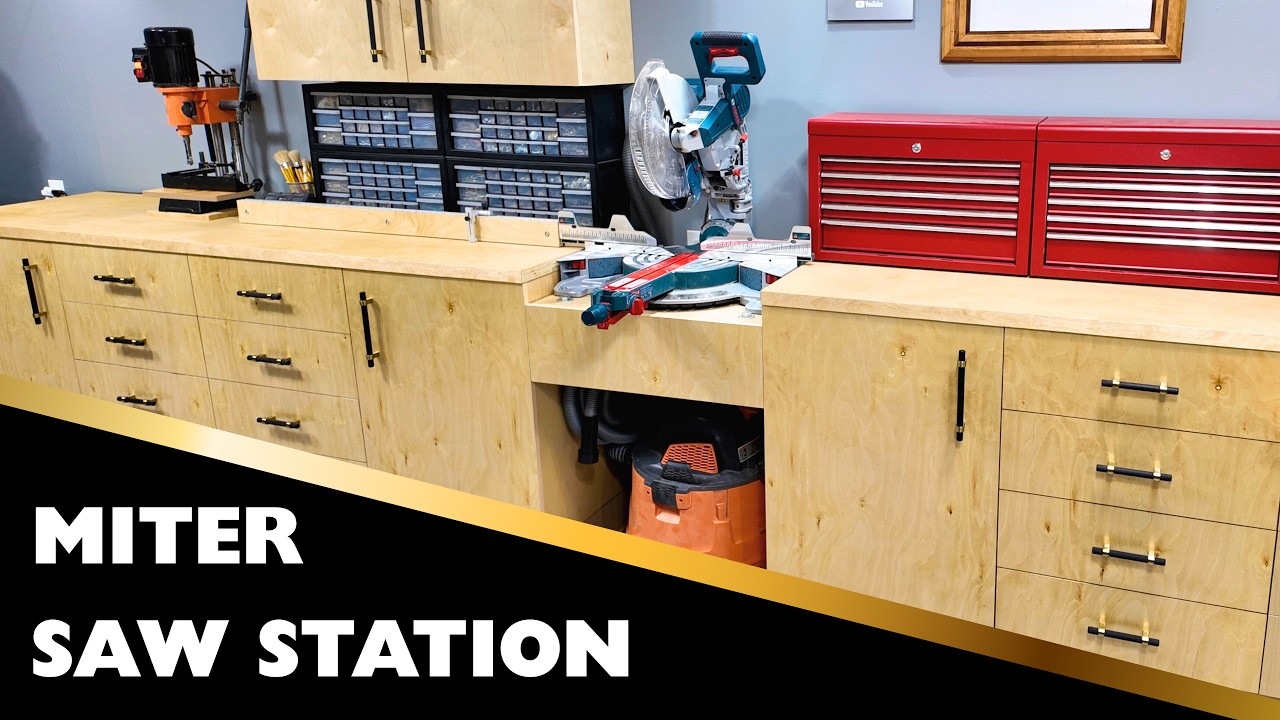
Place your miter saw on a stable, flat surface. Make sure it is at a comfortable height for you to work safely.
- Clear the area around the saw for easy movement.
- Keep good lighting to see your cutting lines clearly.
- Have space to support long pieces of wood on both sides.
- Keep tools and measuring devices nearby for quick access.
Securing The Workpiece
Hold the workpiece firmly to prevent movement during cutting. This ensures clean and accurate cuts without accidents.
| Method | Description |
| Clamps | Use clamps to fix the wood to the saw base or workstation. |
| Fence | Position the wood against the saw’s fence for support and alignment. |
| Hands | Keep hands at a safe distance while steadying the piece if clamps are not used. |
Adjusting The Saw Angle
Adjust the miter saw angle to match the cut angle you need. Check the angle scale for accuracy before cutting.
- Unlock the angle adjustment lever or knob.
- Rotate the saw base to the desired angle.
- Lock the lever or knob firmly to hold the angle.
- Double-check the angle with a protractor if needed.
Techniques For Accurate Cuts
Using a miter saw correctly helps you make straight and precise cuts. Accuracy is important for good results in woodworking.
This guide covers key techniques to improve your cutting accuracy with a miter saw.
Marking And Measuring Precisely
Start by measuring the material carefully. Use a sharp pencil or a marking knife for clear lines.
Double-check your measurements before cutting. Mark the exact point where the blade will cut.
- Use a reliable tape measure or ruler
- Mark both sides of the material
- Draw clear, thin lines for accuracy
- Measure twice to avoid mistakes
Using Clamps For Stability
Secure the material with clamps to prevent movement during cutting. This keeps your cuts straight and safe.
Place clamps close to the cutting area but out of the saw’s path. Check that the material is flat and tight.
- Choose clamps that fit your material size
- Use multiple clamps for long pieces
- Check clamp tightness before cutting
- Keep clamps away from the blade
Executing Smooth Cutting Motions
Start the saw before touching the material. Lower the blade gently and cut steadily through the wood.
A smooth motion helps avoid rough edges and splinters. Do not force the saw or rush the cut.
- Hold the saw handle firmly
- Keep your body steady
- Lower the blade slowly and evenly
- Let the saw do the work

Credit: www.youtube.com
Common Mistakes To Avoid
Using a miter saw needs care and attention. Small mistakes can lead to bad cuts or injuries.
Knowing what to avoid helps you cut more accurately and safely with your miter saw.
Incorrect Blade Alignment
One common mistake is not aligning the blade properly. This causes uneven or angled cuts.
Check that the blade lines up with the cut mark on your workpiece before starting.
- Use the saw’s guide marks to align the blade
- Adjust the fence if it is not square to the blade
- Double-check alignment for angled cuts
Rushing The Cut
Cutting too fast can ruin your work and damage the blade. It also increases risks.
Take your time and let the saw do the work. Steady pressure gives cleaner cuts.
- Hold the workpiece firmly but do not force the blade
- Wait for the blade to reach full speed before cutting
- Make slow, steady movements through the wood
Ignoring Safety Protocols
Safety should never be ignored. Skipping safety steps can cause serious injuries.
Always wear safety gear and follow the saw’s instructions carefully.
- Wear safety glasses and hearing protection
- Keep hands away from the blade path
- Use clamps or a hold-down to secure the workpiece
- Turn off the saw and unplug it before adjustments
Maintenance For Consistent Performance
Keeping your miter saw in good shape helps you make precise cuts every time. Regular care prevents problems and keeps the tool running smoothly.
This guide covers key maintenance tasks to improve your saw’s accuracy and lifespan.
Cleaning The Blade And Saw
Dirt and resin buildup can dull the blade and affect cutting accuracy. Clean the blade and saw parts often to avoid this.
- Unplug the saw before cleaning
- Use a brush to remove dust and debris
- Apply a blade cleaner to remove resin
- Wipe down the saw surface with a damp cloth
- Dry all parts before use
Checking Calibration Regularly
Calibration keeps the saw’s angles and measurements exact. Check it often to avoid cutting errors.
| Calibration Check | How to Do It | Frequency |
| Blade Angle | Use a digital angle finder on the blade | Monthly |
| Fence Alignment | Check if the fence is square to the blade | Monthly |
| Bevel Setting | Test bevel angles with a protractor | Every 3 months |
Replacing Worn Parts
Old or damaged parts reduce the saw’s safety and accuracy. Replace these parts as needed.
- Inspect blades for dullness or chips
- Check the power cord for cracks or frays
- Replace worn belts or gears
- Change damaged safety guards
- Use parts recommended by the manufacturer
Credit: www.youtube.com
Advanced Tips For Complex Cuts
Using a miter saw for complex cuts requires more skill and care. These tips help you cut with better accuracy and safety.
Learn how to make compound miter cuts, use stop blocks, and add jigs. These techniques improve your woodworking results.
Making Compound Miter Cuts
Compound miter cuts combine bevel and miter angles. This lets you cut shapes like crown molding and angled trim.
Set the miter angle on the saw base. Adjust the bevel tilt on the saw head. Check both angles before cutting.
- Measure and mark the workpiece clearly
- Secure the piece firmly on the saw table
- Make test cuts on scrap wood to confirm angles
- Cut slowly and steadily for clean edges
Using Stop Blocks For Repetitive Cuts
Stop blocks help you make many cuts the same length. This saves time and keeps your work consistent.
Attach a stop block to the saw fence using clamps or screws. Place your wood against the block before cutting.
- Measure the desired cut length carefully
- Secure the stop block firmly to avoid movement
- Always check that the wood is tight against the block
- Use a push stick for safety when cutting small pieces
Incorporating Jigs For Precision
Jigs are custom tools that hold wood steady during cuts. They improve accuracy and repeatability.
Create simple jigs from scrap wood or buy pre-made ones. Use them to hold angled or small pieces securely.
- Use a miter jig to guide angled cuts
- Clamp small pieces to prevent movement
- Build a crosscut sled for safer, precise cuts
- Check your jig setup before each cut
Frequently Asked Questions
How Do I Align The Miter Saw Blade Accurately?
To align the blade, loosen the bevel and miter lock knobs. Adjust the blade to the desired angle using the scale. Tighten the knobs firmly to secure the blade. Always double-check the alignment with a square before cutting for precision.
What Safety Tips Should I Follow When Using A Miter Saw?
Always wear safety goggles and ear protection. Keep hands clear of the blade and use clamps for small pieces. Ensure the saw is on a stable surface and unplug it when changing blades or making adjustments.
How Can I Make Precise Angle Cuts With A Miter Saw?
Set the saw to the exact angle using the miter and bevel scales. Use a fine pencil or marking tool for clear guidelines. Cut slowly and steadily to maintain control and accuracy throughout the cut.
Why Is Clamping Workpieces Important For Accuracy?
Clamping stabilizes the workpiece, preventing movement during cutting. This ensures clean, accurate cuts and reduces the risk of kickback. Always use clamps especially when working with small or irregularly shaped materials for best results.
Conclusion
Using a miter saw accurately boosts your woodworking skills. Practice is key. Follow safety guidelines to avoid accidents. Always measure twice, cut once. This ensures precision in every project. Keep the saw clean and sharp for best results. Regular maintenance extends its life.
Remember, patience and focus lead to success. Investing time in learning improves your craftsmanship. Enjoy the process, and watch your confidence grow. A well-handled miter saw makes your work shine. Happy woodworking!