Are your pliers not gripping as tightly as they used to? When your tools slip or struggle to hold onto objects, it can slow down your work and cause frustration.
But what if you could bring your pliers back to life with a simple sharpening trick? You’ll learn easy, step-by-step methods to sharpen your pliers for a stronger, firmer grip. By the end, your tools will feel sharper and more reliable, helping you get the job done faster and with less effort.
Keep reading to discover how to make your pliers work like new again!
Credit: www.familyhandyman.com
Choosing The Right Pliers
Picking the right pliers is important before sharpening them. Different pliers have different uses and designs.
Some pliers work better when sharpened for gripping tasks. Knowing their types helps you choose well.
Types Suitable For Sharpening
Not all pliers should be sharpened. Pliers with gripping jaws can be sharpened to improve their hold.
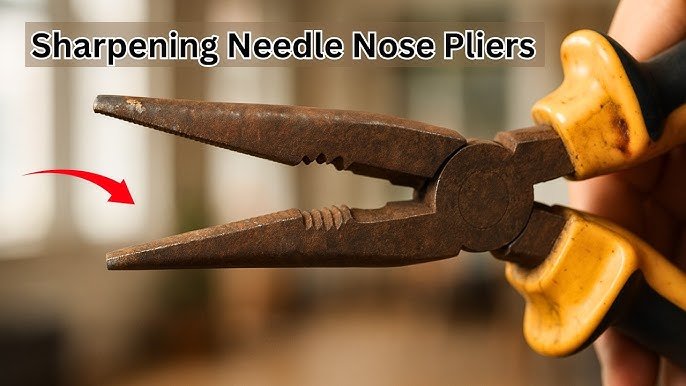
- Needle-nose pliers – good for detailed gripping and bending
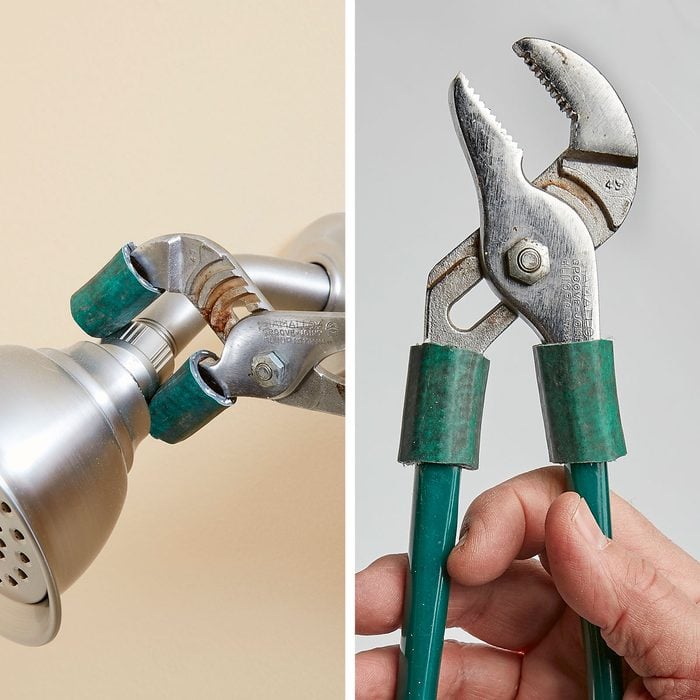
- Slip-joint pliers – adjustable jaws for different sizes
- Linesman pliers – strong jaws for gripping and cutting
- Diagonal cutting pliers – mainly for cutting, less for gripping
Pliers with smooth or flat jaws may lose function if sharpened. Focus on those with toothed jaws.
Material Considerations
Pliers are made from different metals. The metal type affects how easy they are to sharpen.
- High-carbon steel – sharpens well and holds edge longer
- Stainless steel – harder to sharpen but resists rust
- Alloy steel – varies; check manufacturer info
- Coated pliers – avoid sharpening coated parts to keep protection
Choose pliers made of strong metals for better sharpening results. Softer metals wear down quickly.
Essential Tools For Sharpening
Sharpening pliers helps improve their grip and performance. Using the right tools makes the process easier and safer.
This guide explains the essential tools you need to sharpen pliers effectively.
Files And Stones
Files and sharpening stones are simple and effective tools for sharpening pliers. They allow you to remove small amounts of metal to restore sharp edges.
Metal files come in different shapes and sizes, such as flat or round. Sharpening stones can be made of natural or synthetic materials.
- Use a flat file for straight edges on pliers’ jaws
- Round files help sharpen curved gripping surfaces
- Sharpening stones provide a smooth finish after filing
- Wet the stone with water or oil to reduce friction
Power Tools Options
Power tools speed up sharpening but require more care. They are useful for heavy sharpening jobs or dull pliers.
Common power tools for sharpening include bench grinders and rotary tools with grinding attachments.
- Bench grinders are good for shaping and sharpening edges quickly
- Use a rotary tool with a small grinding bit for precise work
- Wear safety goggles and gloves to protect yourself
- Keep the tool moving to avoid overheating the metal
Preparing Pliers For Sharpening
Sharpening pliers helps improve their grip and performance. Proper preparation makes the process safer and more effective.
Before sharpening, clean and inspect the pliers. Also, secure them well to avoid accidents.
Cleaning And Inspection
Start by removing dirt, rust, and grease from the pliers. Clean tools sharpen better and last longer.
Check the jaws and handles for damage. Look for cracks, chips, or bent parts that need fixing before sharpening.
- Use a wire brush or steel wool to remove rust
- Wipe with a clean cloth to remove grease
- Inspect jaws for chips or uneven edges
- Check handles for cracks or bends
Securing The Pliers
Hold the pliers firmly in place before sharpening. This prevents slips and keeps your hands safe.
Use a vise or clamp to secure the pliers on a sturdy surface. Make sure the jaws are open enough to access the gripping edges.
- Place the pliers in a bench vise
- Tighten the vise to hold pliers steady
- Keep jaws slightly open for sharpening
- Wear safety gloves to protect your hands
Credit: www.milwaukeetool.com
Sharpening Techniques
Sharpening pliers helps improve their grip and makes tasks easier. Using the right techniques keeps the tool effective for longer.
This guide explains simple ways to sharpen pliers safely and correctly.
Filing The Jaws
Use a flat file to sharpen the plier jaws. Hold the pliers firmly and file in one direction only.
Focus on removing small amounts of metal. Check the sharpness often to avoid over-filing.
- Secure the pliers in a vise for stability
- File each jaw evenly to keep balance
- Use smooth, controlled strokes
- Wear safety glasses to protect your eyes
Using A Grinder Safely
A bench grinder can sharpen pliers quickly. Always wear gloves and eye protection before starting.
Hold the pliers at the correct angle and move them gently across the grinding wheel. Avoid pressing too hard to prevent damage.
- Keep fingers clear of the grinding wheel
- Work in a well-ventilated area
- Use short bursts to cool the metal
- Stop often to check progress
Maintaining The Original Angle
Keep the plier jaws at their original angle while sharpening. This helps maintain a good grip and tool function.
Use a protractor or angle guide if needed. Sharpening at the wrong angle can make the pliers less effective.
- Identify the existing angle before sharpening
- Match your file or grinder angle to it
- Check angle regularly during sharpening
- Adjust your tool position to keep the angle steady
Finishing Touches
After sharpening pliers for better grip, the final steps matter. These finishing touches keep your tool safe and working well.
Focus on smoothing rough edges and proper lubrication. Both improve comfort and extend the pliers’ life.
Smoothing Edges
Sharpening can leave tiny burrs or sharp bits on the pliers’ jaws. These can hurt your hands or damage workpieces.
- Use fine-grit sandpaper to gently smooth edges.
- Work slowly to avoid removing too much metal.
- Check for any remaining rough spots by running your finger lightly.
- Repeat sanding if you find sharp points or roughness.
- Finish with a clean cloth to remove metal dust.
Lubrication And Maintenance
Lubricating pliers reduces friction and prevents rust. Regular maintenance keeps them functioning smoothly.
| Maintenance Task | Frequency | Details |
| Apply light oil | After every use | Use a drop on the joint to keep it moving freely. |
| Clean jaws | Weekly | Wipe off dirt and debris with a dry cloth. |
| Inspect handles | Monthly | Look for cracks or wear in grips and replace if needed. |
| Store properly | Always | Keep pliers in a dry place to avoid rust and damage. |

Credit: www.reddit.com
Testing Grip Precision
Sharpening pliers improves their grip and efficiency. Testing grip precision ensures they work well after sharpening.
Good grip precision helps you hold objects tightly without slipping. It also reduces hand strain during use.
Checking Alignment
Check if the jaws of the pliers meet evenly. Misalignment can reduce grip strength and cause damage.
- Close the pliers slowly and watch the jaws.
- Look for gaps or uneven contact points.
- Test grip on a small object like a wire.
- Note any slipping or uneven pressure.
Adjusting For Optimal Performance
Make small adjustments to the pliers for better grip. Use the screw or joint to improve alignment and force.
| Adjustment | Effect |
| Tighten the joint screw | Increases grip force |
| Loosen the joint screw | Allows smoother jaw movement |
| Bend handles slightly | Improves comfort and control |
| File uneven jaw edges | Enhances grip surface contact |
Common Mistakes To Avoid
Sharpening pliers helps improve their grip and usefulness. Mistakes during sharpening can damage the tool or cause injury. Avoid these common errors to keep your pliers safe and effective.
Read about two frequent mistakes people make while sharpening pliers. Knowing what to avoid will help you get better results.
Over-sharpening
Sharpening too much removes too much metal. This weakens the jaws and shortens the pliers’ life. Over-sharpening can also change the shape, making the grip less effective.
- Do not use too much pressure when sharpening.
- Stop as soon as the edges look clean and sharp.
- Check the shape often to keep the original contour.
- Use fine grit files or stones for better control.
- Avoid sharpening the entire jaw; focus on the gripping edges.
Ignoring Safety Precautions
Sharpening pliers involves sharp edges and metal filings. Ignoring safety can cause cuts or eye injuries. Always protect yourself during the process.
| Safety Precaution | Why It Is Important |
| Wear safety glasses | Protects eyes from metal shards |
| Use gloves | Prevents cuts on hands |
| Work in a clean area | Reduces risk of slipping or accidents |
| Secure the pliers firmly | Keeps tool steady during sharpening |
| Keep fingers away from sharp edges | Avoids accidental injury |
Frequently Asked Questions
How Do I Sharpen Pliers For Better Grip?
To sharpen pliers, use a fine metal file or sharpening stone. Focus on the gripping edges. File at a consistent angle. Clean and lubricate the pliers after sharpening. This improves grip and extends tool life.
What Tools Are Best For Sharpening Pliers?
A fine metal file or sharpening stone works best. These tools help reshape and smooth the gripping edges. Avoid coarse tools that can damage the metal. Always use steady, controlled strokes for precision.
How Often Should Pliers Be Sharpened?
Sharpen pliers whenever gripping power decreases. Regular checks ensure optimal performance. For frequent use, sharpen every few months. Light sharpening maintains efficiency and prevents damage.
Can Sharpening Pliers Damage The Tool?
Improper sharpening can harm pliers by removing too much metal. Use gentle, even strokes to avoid damage. Follow manufacturer guidelines for best results. Proper sharpening enhances tool life and grip.
Conclusion
Sharpening pliers enhances their gripping power. A simple task. Essential for tool maintenance. Regular sharpening keeps your pliers effective and reliable. Use the right tools for sharpening. A whetstone or fine file works best. Always ensure a clean, dry surface.
This prevents rust and damage. Practice patience while sharpening. It takes time but ensures precision. Keep your workspace tidy and organized. Safety first, always wear protective gear. With sharp pliers, tasks become easier and quicker. Maintain them well, and they last longer.
Enjoy the efficiency of well-sharpened pliers. Your projects deserve it.