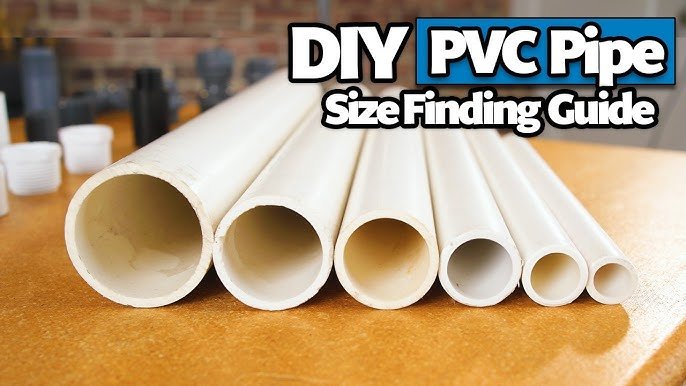
Are you gearing up for your next plumbing project and need to measure pipe diameter accurately? Whether you’re a seasoned DIY enthusiast or a first-time homeowner looking to tackle a plumbing task, knowing how to measure pipe diameter can make all the difference.
It’s not just about getting the right size; it’s about ensuring the smooth flow of water, preventing leaks, and saving yourself from future headaches. Imagine completing your project efficiently, without unexpected trips to the hardware store or costly mistakes. Dive into this guide, and discover simple, effective techniques to measure pipe diameter like a pro.
Your plumbing success story begins here!
Credit: www.balkanplumbing.com
Choosing The Right Tools
Measuring pipe diameter is key for plumbing projects. Using the right tools helps you get accurate results. This guide explains common tools for this task.
Knowing how to use these tools saves time and prevents mistakes. Let’s look at tape measures, calipers, pipe gauges, and rulers.
Tape Measures And Calipers
Tape measures and calipers are popular tools for measuring pipe diameter. Tape measures work well for larger pipes. Calipers give precise measurements for smaller pipes.
- Tape Measure:Wrap it around the pipe to find the circumference. Divide the circumference by 3.14 to get the diameter.
- Calipers:Use inside or outside jaws to measure pipe diameter directly. Digital calipers show exact numbers on a screen.
- Tips:Keep the tape tight and straight. For calipers, close the jaws gently on the pipe for accuracy.
Pipe Gauges And Rulers
Pipe gauges and rulers help measure pipe diameter quickly. Gauges often have cutouts for common pipe sizes. Rulers measure the pipe’s outside diameter directly.
| Tool | Best Use | Measurement Type |
| Pipe Gauge | Checking standard pipe sizes fast | Outside Diameter |
| Ruler | Measuring small pipes or quick checks | Outside Diameter |
Types Of Pipe Diameter
Measuring pipe diameter is key for plumbing projects. It helps you pick the right pipes and fittings. There are different ways to measure pipe diameter.
This guide explains the main types of pipe diameter you should know. These include outer diameter, inner diameter, and nominal pipe size.
Outer Diameter Vs Inner Diameter
Outer diameter (OD) is the total width of the pipe from outside edge to outside edge. Inner diameter (ID) is the space inside the pipe where water flows. Both sizes matter for plumbing.
- Outer Diameter (OD):Used to choose fittings and clamps.
- Inner Diameter (ID):Shows how much water can flow through.
- Wall Thickness:The difference between OD and ID.
Knowing OD and ID helps avoid leaks and fit parts correctly. Always measure both if possible.
Nominal Pipe Size Explained
Nominal Pipe Size (NPS) is a standard way to name pipe sizes. It does not always match the exact OD or ID. NPS is mostly used for pipes made of metal or plastic.
| Term | Description | Example |
|---|---|---|
| Nominal Pipe Size (NPS) | Standard name for pipe size | 1 inch NPS |
| Outer Diameter (OD) | Actual outside width of the pipe | 1.315 inches for 1 inch NPS |
| Inner Diameter (ID) | Actual inside width of the pipe | Varies by wall thickness |
Measuring Outer Diameter
Measuring the outer diameter of a pipe is important for plumbing projects. It helps you find the right fittings and tools.
The outer diameter is the full width of the pipe from one outside edge to the other.
Step-by-step Guide
Start by gathering a measuring tape or caliper. These tools will help you get an accurate size.
Place the measuring tool across the pipe’s widest point. This is the pipe’s outer edge to the opposite outer edge.
- Use a caliper for the most precise measurement
- If using a tape, hold it tight and straight
- Read the measurement in millimeters or inches
- Write down the number for reference
Common Mistakes To Avoid
Do not measure the inside of the pipe. This will give you the wrong size.
Avoid bending the tape or caliper while measuring. This causes inaccurate results.
- Do not guess the size; always measure carefully
- Do not measure at an angle; keep the tool straight
- Do not use a worn or stretched tape measure
- Do not forget to double-check your measurement

Credit: www.angi.com
Measuring Inner Diameter
Measuring the inner diameter of a pipe is important for plumbing projects. It helps ensure the right fittings and flow rates.
This guide explains two ways to measure inner diameter: using calipers and gauges, or estimating without special tools.
Using Calipers And Gauges
Calipers and gauges give the most accurate inner diameter measurements. Use a caliper to measure inside the pipe opening.
- Insert the caliper jaws inside the pipe.
- Open the jaws until they touch the inner walls.
- Read the measurement on the caliper scale.
- Use a pipe gauge by selecting the size that fits snugly inside.
- Note the gauge size as the inner diameter.
Estimating Without Specialized Tools
If you do not have calipers or gauges, you can estimate the inner diameter using a ruler or tape measure.
| Tool | How to Use | Accuracy |
| Ruler | Measure across the pipe opening from edge to edge. | Moderate |
| Tape Measure | Stretch across the inner pipe opening carefully. | Moderate |
| String and Ruler | Place string inside, mark edges, then measure string length. | Lower |
Handling Different Pipe Materials
Measuring pipe diameter is key in plumbing projects. Different pipe materials need different methods for accuracy.
This guide covers metal, PVC and plastic, and copper pipes to help you measure properly.
Metal Pipes
Metal pipes often have thicker walls. Use calipers to measure the outside diameter precisely.
- Measure the outside diameter with a caliper.
- Note the wall thickness if possible.
- Check for rust or paint that may affect measurement.
- Use a pipe sizing chart to find the nominal diameter.
Pvc And Plastic Pipes
PVC and plastic pipes are easier to measure because they are smooth and uniform. Use a tape measure or caliper.
| Measurement Tool | Use | Notes |
|---|---|---|
| Tape measure | Measure outside diameter | Works well for larger pipes |
| Caliper | Precise outside diameter | Best for small or medium pipes |
| Wall thickness gauge | Measure pipe wall thickness | Important for pressure ratings |
Copper Pipes
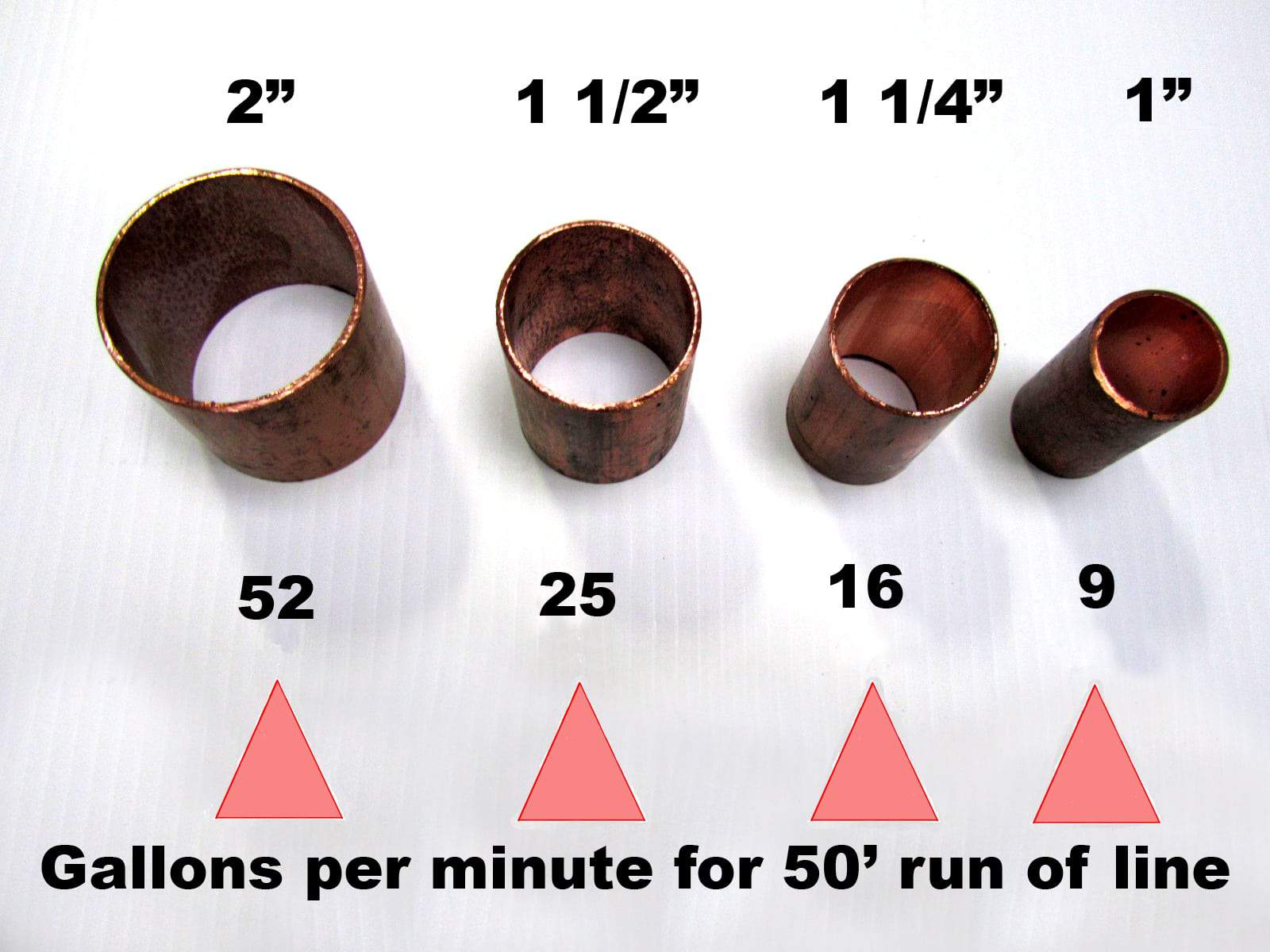
Copper pipes have standard sizes but vary by type. Use calipers for outside diameter and check pipe markings.
- Measure outside diameter with a caliper.
- Look for stamped size on the pipe.
- Use a sizing chart to match measurements to nominal sizes.
- Note the pipe type (K, L, M) for wall thickness.

Credit: www.freshwatersystems.com
Converting Measurements
Measuring pipe diameter correctly is important for plumbing projects. Pipes are often measured in inches or millimeters.
Understanding how to convert between these units helps you choose the right pipe size for your work.
From Inches To Millimeters
Pipes in the US usually use inches. Many other countries use millimeters. To convert inches to millimeters, multiply by 25.4.
- 1 inch = 25.4 millimeters
- 2 inches = 50.8 millimeters
- 3 inches = 76.2 millimeters
- 4 inches = 101.6 millimeters
- 5 inches = 127 millimeters
Using Size Charts
Size charts help match pipe diameters across different measuring systems. They list common pipe sizes in inches and millimeters side by side.
| Nominal Size (inches) | Outer Diameter (mm) | Inner Diameter (mm) |
| 1/2″ | 21.3 | 15.9 |
| 3/4″ | 26.7 | 20.7 |
| 1″ | 33.4 | 26.7 |
| 1 1/4″ | 42.2 | 35.1 |
| 1 1/2″ | 48.3 | 40.9 |
| 2″ | 60.3 | 52.5 |
Tips For Accurate Measurements
Measuring pipe diameter correctly is key for plumbing projects. It helps you buy the right parts and avoid leaks.
Use simple tools like a tape measure or caliper. Take your time to get precise readings for the best results.
Measuring Multiple Points
Pipe walls may not be perfectly round. Measure the diameter at several spots around the pipe.
Take the smallest and largest measurements. This helps you find the true size and avoid errors.
- Measure at least three points around the pipe
- Use the smallest diameter for fitting size
- Check measurements again to confirm
Accounting For Pipe Thickness
Pipe thickness affects the inner diameter. Know if you need the inside or outside diameter.
Subtract twice the wall thickness from the outside diameter to get the inside diameter.
| Measurement | Formula | Purpose |
|---|---|---|
| Outside Diameter (OD) | Measured directly | Size of pipe outer edge |
| Wall Thickness (T) | Measured or specified | Pipe wall width |
| Inside Diameter (ID) | ID = OD – 2 × T | Space inside the pipe |
Common Challenges And Solutions
Measuring pipe diameter is key in plumbing projects. Many face challenges that slow work or cause mistakes. Understanding these issues helps fix them fast.
This guide covers two common problems: working in tight spaces and dealing with old or damaged pipes.
Working In Tight Spaces
Tight spaces make it hard to wrap a tape measure or caliper around a pipe. This can lead to wrong diameter readings.
- Use flexible tape measures designed for curves.
- Try a pipe diameter gauge if space allows.
- Measure the pipe’s outer circumference and divide by 3.14 to get diameter.
- Use a flashlight or mirror to see hidden pipe parts better.
- Remove nearby obstructions if possible to improve access.
Dealing With Old Or Damaged Pipes
Old pipes may be corroded or have buildup that changes their shape. This makes diameter measurement tricky and less accurate.
| Problem | Cause | Solution |
| Irregular pipe surface | Corrosion or rust | Measure multiple points, then average them |
| Pipe buildup | Mineral deposits inside pipe | Measure outer diameter only |
| Damaged pipe edges | Cracks or dents | Use calipers on intact pipe sections |
Frequently Asked Questions
What Tools Do I Need To Measure Pipe Diameter?
You need a caliper or a measuring tape to measure pipe diameter. Calipers provide precise measurements, while tape measures are useful for larger pipes. Always measure both inside and outside diameters for accuracy in plumbing projects.
How To Measure The Inside Diameter Of A Pipe?
Use a caliper or a ruler to measure the pipe’s inside diameter. Insert the tool into the pipe and measure across the widest point inside. This ensures you get the exact size needed for fittings and replacements.
Why Is Measuring Pipe Diameter Important In Plumbing?
Measuring pipe diameter ensures proper fitting and water flow in plumbing systems. Incorrect sizes can cause leaks, blockages, or inefficient water pressure. Accurate measurement helps avoid costly repairs and ensures system longevity.
Can I Measure Pipe Diameter Without Specialized Tools?
Yes, you can use a flexible measuring tape or string to measure pipe diameter. Wrap it around the pipe’s circumference, then divide by pi (3. 14) to find the diameter. This method works when calipers are unavailable.
Conclusion
Measuring pipe diameter is key for any plumbing project. Use a tape measure or caliper for accuracy. Remember to measure both inside and outside diameters. Accurate measurements help avoid leaks and fitting problems. Take your time and double-check your numbers.
Good measurements save money and reduce stress. Keep tools handy for quick checks. Trust your measurements to guide your work well. Plumbing becomes easier with simple, clear steps. Stay confident and ready to fix any issues.