Are you using an electrical tester but unsure if you’re doing it safely? One small mistake can lead to shocks, injuries, or even worse.
Your safety should always come first when working with electricity. You’ll discover simple yet powerful tips to protect yourself every time you pick up that tester. Keep reading to learn how to stay safe and confident while checking electrical circuits—your well-being depends on it.
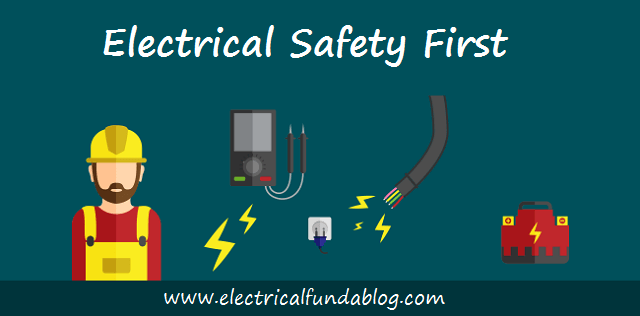
Credit: electricalfundablog.com
Choosing The Right Tester
Choosing the right electrical tester is important for safety and accuracy. Different testers serve different purposes. Picking the correct one helps avoid accidents and damage.
This guide explains types of testers, safety features, and certifications. Use it to find a tester that fits your needs and keeps you safe.
Types Of Electrical Testers
Electrical testers come in many types. Each type works best for certain tasks. Knowing these helps you choose wisely.
- Voltage Testers: Check if voltage is present in wires.
- Multimeters: Measure voltage, current, and resistance.
- Continuity Testers: Show if a circuit is complete.
- Clamp Meters: Measure current without disconnecting wires.
- Insulation Testers: Test the quality of wire insulation.
Features For Safety
Safety features protect users from shocks and faults. Look for testers with strong safety designs to avoid harm.
| Feature | Benefit |
|---|---|
| Insulated Probes | Prevent accidental contact with live wires |
| Auto Shut-Off | Conserves battery and prevents misuse |
| Overload Protection | Protects tester from damage during high current |
| Non-Contact Detection | Detects voltage without touching wires |
| Clear Display | Easy to read results reduce errors |
Certification And Standards
Certified testers meet safety and quality rules. Check for marks from trusted organizations before buying.
- UL (Underwriters Laboratories) ensures electrical safety.
- CE mark shows compliance with European standards.
- CAT Ratings define safe use in different electrical environments.
- IEC standards set global testing requirements.
- Look for tester labels with these certifications.

Credit: www.youtube.com
Preparing For Testing
Electrical testing requires careful preparation to ensure safety. Taking simple steps before testing protects you and your equipment.
Understanding how to get ready helps prevent accidents and errors during electrical tests.
Inspecting Equipment
Check all testing tools for damage before use. Look for cracks, exposed wires, or loose parts. Faulty equipment can cause electric shocks or wrong readings.
- Examine cables and probes for cuts or wear
- Test the device battery or power source
- Verify calibration if required
- Ensure all parts fit securely
Wearing Protective Gear
Wear the right protective gear to avoid injury. Use insulated gloves and safety glasses to protect from shocks and sparks.
| Protective Gear | Purpose |
| Insulated Gloves | Prevent electric shock |
| Safety Glasses | Protect eyes from sparks |
| Non-conductive Shoes | Stop current flow through body |
| Flame-Resistant Clothing | Reduce burn risk |
Ensuring Proper Environment
Set up your workspace to avoid hazards. Keep the area dry and clean. Remove any clutter that could cause trips or falls.
Follow these environment rules before testing:
- Turn off power if possible before starting tests
- Use proper lighting to see clearly
- Keep tools organized and within reach
- Avoid working alone in risky situations
Safe Testing Procedures
Testing electrical circuits safely is important to avoid injuries and damage. Always follow proper steps before and during testing.
Use the right tools and methods to ensure accurate results and protect yourself from electrical hazards.
De-energizing Circuits
Before testing, always turn off power to the circuit. This stops electricity flow and lowers shock risks.
Use a lockout/tagout system to keep the power off while you work. Check that the circuit is off with a tester before starting.
Using Testers Correctly
Choose the right tester for the job. Read the manual to understand how to use it safely.
- Inspect your tester for damage before use.
- Connect the tester leads properly to avoid wrong readings.
- Use personal protective equipment like gloves and goggles.
- Do not touch metal parts while testing a live circuit.
Avoiding Common Mistakes
Many accidents happen from simple errors. Pay attention to these common problems.
| Common Mistake | How to Avoid |
| Testing without de-energizing | Always switch off the power first |
| Using wrong tester settings | Check settings before measuring |
| Ignoring tester condition | Inspect for damage before each use |
| Touching live parts | Wear protective gear and keep hands clear |
Handling Electrical Hazards
Working with electrical testers can be risky. You must handle electrical hazards carefully. Safety is the top priority to avoid injuries.
This guide helps you understand how to stay safe. Learn to spot dangers and act safely around electricity.
Recognizing Shock Risks
Electric shocks happen when your body touches live wires. They can cause pain or serious harm. Know where shocks are likely to occur.
Wet hands or tools increase shock risks. Always check your environment before testing.
- Look for exposed wires or damaged insulation
- Avoid working in damp or wet areas
- Wear insulated gloves and shoes
- Use tools with insulated handles
Preventing Arc Flashes
An arc flash is a sudden release of electrical energy. It causes bright light, heat, and pressure waves. Arc flashes can burn skin and damage eyes.
Prevent arc flashes by keeping a safe distance and using protective gear. Follow safety rules to reduce risk.
- Wear flame-resistant clothing and face shields
- Use insulated tools designed for arc flash safety
- Keep your body away from live electrical parts
- Turn off power before testing if possible
Managing Unexpected Situations
Unexpected events can happen while testing electricity. Stay calm and follow safety steps to protect yourself and others.
Always plan for emergencies and know how to respond. Quick action can prevent accidents.
- Stop work immediately if you feel a shock or see sparks
- Use emergency shutoff switches if available
- Keep a safe distance from the hazard
- Call for help and report the issue
Maintaining Testers
Keeping your electrical testers in good shape is important for safety and accuracy. Proper care helps avoid false readings and device failure.
Regular maintenance also extends the life of your testers, saving money over time.
Regular Calibration
Calibration checks if the tester measures correctly. Without this, results may be wrong and unsafe.
Testers should be calibrated according to the manufacturer’s schedule or after any repair.
Cleaning And Storage
Clean testers carefully to remove dust and dirt. Use a soft cloth and mild cleaner. Avoid harsh chemicals that damage parts.
- Wipe the screen and buttons gently
- Keep the tester dry and free from moisture
- Store in a cool, dry place
- Use a protective case if available
Replacing Damaged Parts
Damaged parts can cause errors or electrical hazards. Replace worn or broken components promptly.
| Part | Signs of Damage | Replacement Tips |
| Probes | Cracks, exposed wires | Use manufacturer-approved probes |
| Battery | Short life, leakage | Replace with correct battery type |
| Display | Flickering, unreadable | Contact service center |

Credit: www.ezttester.com
Training And Awareness
Electrical testers must have proper training to work safely. Awareness of risks helps prevent accidents.
Regular education keeps workers ready for new safety rules and tools.
Staying Updated On Safety
Safety standards change as technology improves. Workers must learn new guidelines often.
- Attend safety workshops and courses
- Read safety manuals and updates
- Follow industry news about electrical safety
- Use online resources for the latest practices
Practicing Emergency Response
Knowing what to do in an emergency saves lives. Practice drills help build confidence.
| Emergency Action | Key Steps |
| Electric Shock | Turn off power, call for help, give first aid |
| Fire | Use fire extinguisher, evacuate area, call fire department |
| Equipment Failure | Stop work, report issue, do not touch faulty parts |
Encouraging Safe Habits
Good habits reduce risks in daily work. Everyone should follow safety rules without fail.
- Wear proper protective equipment every time
- Check tools before use for damage
- Keep work areas clean and organized
- Report unsafe conditions immediately
Frequently Asked Questions
What Safety Gear Is Essential When Using An Electrical Tester?
Always wear insulated gloves and safety goggles. Use rubber-soled shoes to prevent electrical shocks. Ensure your clothing is non-conductive and avoid wearing metal jewelry during testing.
How Do I Check If An Electrical Tester Is Working Properly?
Test the device on a known live circuit before use. Verify the tester’s indicator lights or display respond accurately. Regular calibration ensures precise measurements and safe operation.
Can I Use An Electrical Tester On Wet Surfaces?
No, avoid using electrical testers on wet or damp surfaces. Moisture increases the risk of electrical shock and device damage. Always ensure the testing environment is dry and safe.
Why Is It Important To Read The Tester’s Manual First?
The manual provides vital safety instructions and operating guidelines. It helps you understand the device’s features and limitations. Following the manual reduces the risk of accidents and equipment damage.
Conclusion
Prioritize safety with electrical testers. Always wear protective gear. Inspect tools regularly for damage. Follow manufacturer instructions closely. Never rush through testing tasks. Stay focused and alert. Keep your workspace organized and clutter-free. Avoid working alone when possible. Knowledge of basic electrical safety is crucial.
Continuous learning enhances safety skills. Proper precautions save lives. Remain cautious and diligent. Safety should always come first.