Are you struggling to pull cables through tight spaces or long distances? Using a cable puller can make this job much easier and save you time and effort.
But if you’re new to it, the process might seem confusing or even risky. This guide to using a cable puller will walk you through everything you need to know. By the end, you’ll feel confident handling your cables like a pro, avoiding common mistakes, and getting the job done smoothly.
Ready to make your next cable installation faster and safer? Let’s dive in.

Credit: m.tvcmall.com
Choosing The Right Cable Puller
Using a cable puller makes pulling cables easier and safer. Picking the right one helps you finish the job well.
Different cable pullers work best for different tasks. You need to know which type fits your needs.
Types Of Cable Pullers
Cable pullers come in many types. Each type is made for specific jobs and cable sizes.
- Manual Cable Pullers:Use hand power. Good for small jobs.
- Electric Cable Pullers:Use a motor. Save time on big projects.
- Hydraulic Cable Pullers:Use fluid pressure. Handle heavy cables easily.
- Ratchet Cable Pullers:Use a ratchet mechanism. Provide steady pulling force.
Factors To Consider
Think about the cable type, length, and environment. These affect which puller you should choose.
Also, check if the puller fits your skill level. Some tools need more experience to use safely.
- Cable size and type
- Distance to pull
- Work environment conditions
- User experience and safety
Weight And Capacity
Choose a cable puller that can handle the cable weight. Overloading the puller can cause accidents.
Check the puller’s capacity rating. It shows the maximum load it can safely pull.
| Puller Type | Typical Capacity | Weight Range |
|---|---|---|
| Manual | Up to 1 ton | 5 to 15 pounds |
| Electric | 1 to 5 tons | 20 to 50 pounds |
| Hydraulic | 5 to 20 tons | 30 to 100 pounds |
| Ratchet | Up to 3 tons | 10 to 25 pounds |
Preparing For Cable Pulling
Using a cable puller safely and effectively starts with good preparation. Before pulling cables, you need to check your tools and plan carefully.
This guide covers the key steps to prepare for cable pulling. Follow these to make the job easier and safer.
Inspecting Equipment
Check the cable puller and all related tools before use. Look for any damage or wear that could cause problems.
- Inspect the cable puller’s hooks and grips for cracks or bends
- Ensure the pulling rope or wire is free from frays or cuts
- Test the tensioning mechanism to confirm it works smoothly
- Verify all safety locks and brakes are functional
- Clean the equipment to remove dirt or grease
Planning The Route
Plan the path where the cable will be pulled. A clear and well-mapped route helps avoid obstacles and damage.
| Route Consideration | Details |
| Obstacles | Remove or mark objects that block the path |
| Bends and Turns | Minimize sharp angles to reduce cable stress |
| Distance | Measure the total length to choose the right cable length |
| Support Points | Identify places to secure the cable during pulling |
| Surface Type | Check if the ground is rough or smooth for easier pulling |
Safety Gear Essentials
Wear proper safety gear to protect yourself during cable pulling. Safety reduces the risk of injury and helps you work confidently.
- Hard hat to protect your head from falling objects
- Protective gloves to avoid cuts and improve grip
- Safety glasses to shield your eyes from debris
- Steel-toed boots to protect your feet
- High-visibility vest to stay visible on the site
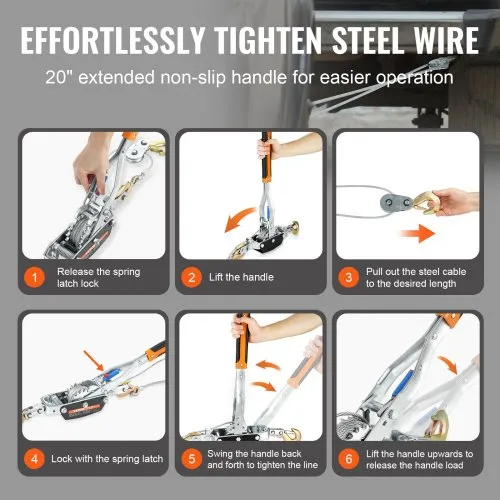
Setting Up The Cable Puller
Using a cable puller correctly ensures safe and efficient work. Setting it up well is the key to success.
This guide covers the main steps: anchoring, attaching the cable, and adjusting tension.
Anchoring Techniques
Secure the cable puller firmly to a strong anchor point. This prevents movement during use.
- Choose a solid object like a tree, post, or heavy machinery.
- Use a sling or chain to wrap around the anchor.
- Check that the anchor can hold the load safely.
- Make sure the anchor is stable and will not shift.
Attaching The Cable
Connect the cable to the puller and the load correctly. This keeps the cable secure and aligned.
| Attachment Point | Recommended Method |
| Cable Puller Hook | Attach using a shackle or hook latch |
| Load | Use a cable clamp or thimble for strong grip |
| Safety Check | Inspect all connections for tightness and damage |
Adjusting Tension
Set the tension to avoid cable slack or over-tightening. Proper tension improves pulling efficiency.
- Turn the tensioning handle slowly to apply force.
- Stop when the cable is tight but not strained.
- Check the load movement and adjust if needed.
- Do not exceed the puller’s maximum tension rating.
Effective Pulling Techniques
Using a cable puller correctly helps install cables smoothly. It reduces effort and saves time during the job.
Good pulling techniques protect cables and tools from damage. This guide covers key tips to pull cables safely and efficiently.
Maintaining Steady Pull
Keep a steady and even pull on the cable puller. Avoid quick jerks or sudden force as this can strain the cable.
- Start pulling slowly to get the cable moving.
- Keep constant speed without stopping or pulling too fast.
- Use a helper to guide the cable if possible.
- Watch the cable for signs of tight spots or snags.
- Stop and adjust if the cable gets stuck or bends sharply.
Avoiding Cable Damage
Protect cables from cuts, kinks, and abrasions during pulling. Damage lowers cable performance and lifespan.
| Damage Type | Cause | Prevention |
| Cut or Tear | Sharp edges or rough surfaces | Use protective sleeves or guards |
| Kink | Excessive bending or twisting | Avoid sharp turns and keep cable aligned |
| Abrasion | Friction on rough surfaces | Lubricate cable and use smooth pulling path |
Using Lubricants
Lubricants lower friction and help cables slide easier. They reduce the force needed and protect cable insulation.
Choose the right lubricant for your cable type. Some common types include:
- Water-based lubricants for easy cleanup
- Silicone-based lubricants for lasting slickness
- Soap-based lubricants for low cost and availability
Apply lubricant evenly along the cable length. Reapply if the cable feels dry during pulling.
Troubleshooting Common Issues
Using a cable puller can sometimes lead to problems that slow down work. Knowing how to fix these issues helps keep tasks on track.
This guide covers common problems like snags, overloads, and equipment failure. Learn simple ways to handle each issue.
Dealing With Snags
Snags happen when the cable gets stuck or caught on something. This stops the puller from working smoothly.
Check the cable path for sharp edges or obstacles. Clear any debris before pulling the cable.
- Inspect cable for twists or knots
- Use lubricant to reduce friction
- Slow down the pull to avoid sudden jerks
- Replace damaged cables immediately
Handling Overloads
Overloads occur when the cable puller carries more weight than it can handle. This can damage the tool or cable.
Always know the puller’s weight limit. Do not try to pull loads heavier than this limit.
- Check the puller’s rated capacity before use
- Use a load indicator if available
- Distribute heavy loads into smaller pulls
- Stop immediately if the puller strains
Preventing Equipment Failure
Regular care keeps your cable puller working well and avoids breakdowns. Equipment failure can cause delays and extra costs.
Clean the puller after each use and check for worn parts. Fix small problems before they grow.
- Lubricate moving parts regularly
- Tighten loose bolts and screws
- Store the puller in a dry place
- Inspect cables and replace if frayed or damaged
Maintenance And Storage Tips
Taking care of your cable puller helps it last longer and work well. Proper maintenance keeps it safe and ready to use.
Storing the puller correctly protects it from damage and rust. Follow these tips to keep your tool in good shape.
Cleaning The Puller
Clean the cable puller after each use to remove dirt and grease. Use a dry cloth to wipe the parts clean.
For tough grime, use a mild soap and water solution. Dry the puller fully to stop rust from forming.
- Wipe all metal parts with a clean cloth
- Remove any grease or dirt buildup
- Dry completely before storing
Regular Inspections
Check the cable puller before every use. Look for signs of wear, rust, or damage on the cable and hooks.
Ensure all moving parts work smoothly. Replace any broken or worn parts to keep the tool safe.
- Inspect cables for fraying or cuts
- Test hooks and latches for damage
- Check that the ratchet mechanism works well
- Lubricate moving parts if needed
Proper Storage Methods
Store the cable puller in a dry, clean place. Avoid damp areas to prevent rust and corrosion.
Hang the puller or place it in a toolbox to protect it from dust and damage. Keep it away from heavy tools that can cause dents.
- Keep in a dry, cool location
- Hang or place on a shelf to avoid damage
- Cover with a cloth or store in a toolbox
- Keep away from chemicals and moisture
Safety Best Practices
Using a cable puller can be risky without the right safety steps. Always follow safety rules to avoid accidents.
Good safety habits protect you and others on the worksite. Stay alert and use the tool carefully.
Personal Safety Measures
Wear proper safety gear like gloves and eye protection. This helps prevent injuries from sharp cables or flying debris.
Inspect the cable puller before use. Check for damage or wear that could cause failure during operation.
- Wear safety gloves to protect your hands
- Use safety goggles to shield your eyes
- Wear sturdy boots for foot protection
- Check the cable puller for cracks or broken parts
- Make sure all locks and handles work smoothly
Worksite Safety
Keep the work area clean and free of clutter. Remove obstacles that could cause trips or falls.
Set up warning signs or barriers to keep others away from the cable puller operation zone.
- Clear the area of loose tools and debris
- Keep bystanders at a safe distance
- Use cones or signs to mark the working spot
- Ensure good lighting for clear visibility
- Do not use the cable puller in bad weather conditions
Emergency Procedures
Know how to stop the cable puller quickly in case of trouble. Have emergency contacts ready before starting work.
Learn basic first aid for cable puller injuries. Keep a first aid kit nearby and accessible.
- Keep a clear path to emergency exits
- Have a phone ready to call for help
- Use the emergency stop or release mechanism if available
- Report any injuries immediately to a supervisor
- Follow first aid steps for cuts and strains
Credit: www.vevor.ca
Credit: www.manomano.co.uk
Frequently Asked Questions
What Is A Cable Puller Used For?
A cable puller helps install and tension cables safely. It pulls cables through conduits or across distances with ease. This tool reduces manual effort and ensures smooth cable placement. It is essential for electricians and construction workers handling cable installations.
How Do You Safely Operate A Cable Puller?
Always inspect the puller before use for damage. Wear protective gloves and secure the cable firmly. Use steady, controlled force to avoid snapping the cable. Follow manufacturer guidelines and never exceed the tool’s weight limit for safety.
Can A Cable Puller Work On Different Cable Types?
Yes, cable pullers are versatile and work on various cables. They handle electrical wires, fiber optics, and steel cables effectively. Choose the right puller size and strength for your cable type to ensure efficient and safe pulling.
What Maintenance Does A Cable Puller Require?
Regularly clean and lubricate moving parts to prevent rust. Check cables and hooks for wear and replace if damaged. Store the puller in a dry place to extend its lifespan. Proper maintenance ensures reliable performance and safety.
Conclusion
Learning to use a cable puller can make tasks easier. It helps move heavy objects with less effort. Safety is key. Always follow the instructions and wear safety gear. Practice makes perfect. The more you use it, the easier it gets.
Remember to check your tool for damage before each use. With patience and care, you can achieve great results. A cable puller is a handy tool. It can simplify many tough jobs. Embrace the skills, and improve your efficiency. Enjoy the benefits of mastering this tool.