Are you tired of struggling with tangled wires and frustrating installation jobs? Using a wire pulling tool can change the way you handle wiring tasks forever.
Imagine saving time, reducing effort, and avoiding damage to your cables—all with one simple tool. Whether you’re a DIY enthusiast or a professional, understanding how to use a wire pulling tool can make your work faster and smoother. Keep reading to discover how this tool can become your new best friend in every wiring project.
Choosing The Right Wire Pulling Tool
Using the right wire pulling tool makes the job easier and safer. Picking the correct tool saves time and prevents damage.
There are many types of wire pulling tools. You must know which one fits your needs before buying.
Types Of Wire Pulling Tools
Wire pulling tools come in different styles to handle various tasks. Each type has a specific use and design.
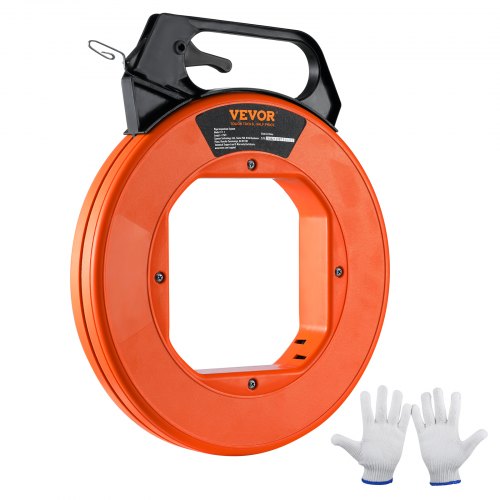
- Fish Tape:A flexible steel or fiberglass tape used to guide wires through conduits.
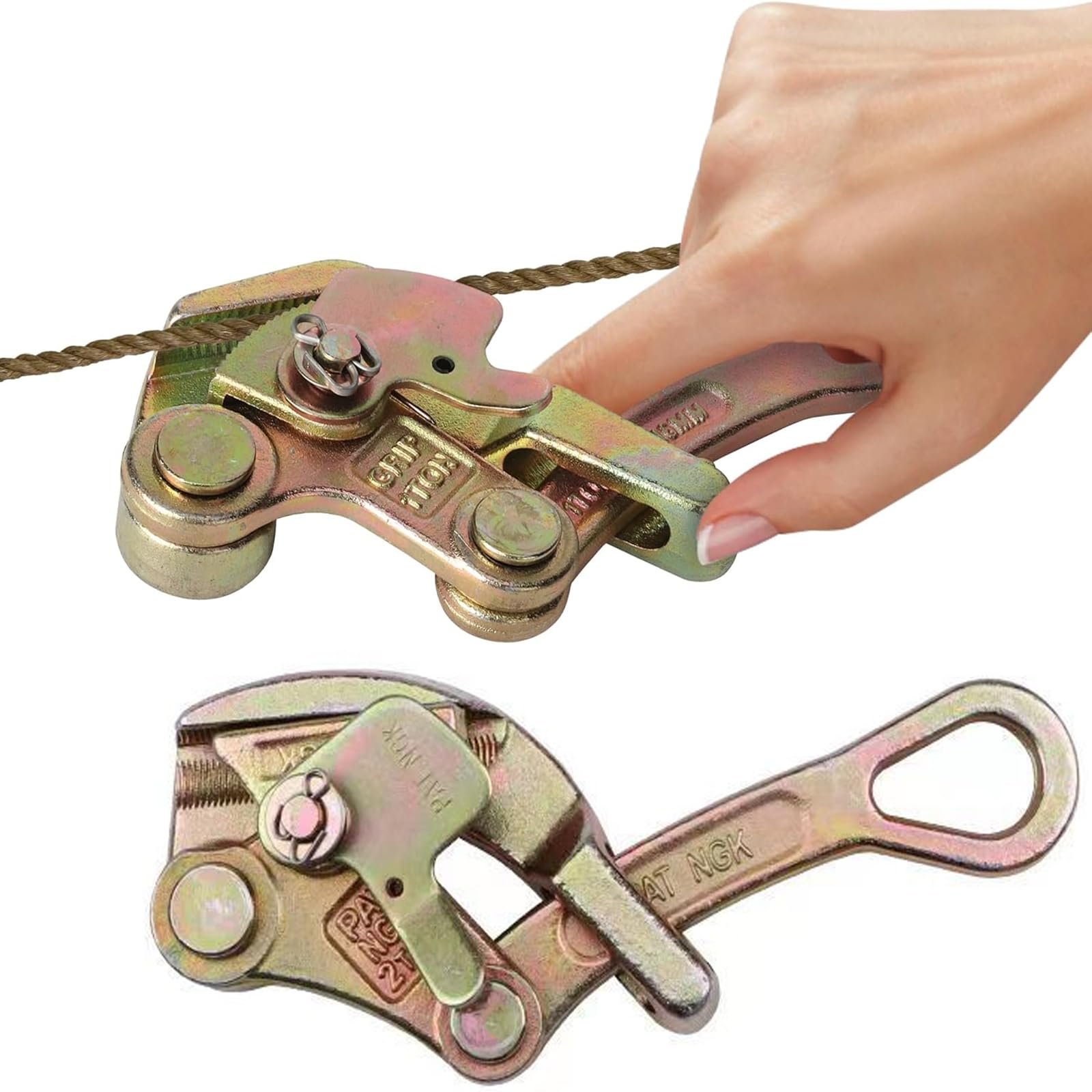
- Wire Puller:A tool that grips and pulls wire bundles with adjustable force.
- Conduit Rods:Rigid rods connected to push or pull wires inside conduits.
- Wire Lubricant:Not a tool but helps reduce friction during wire pulling.
- Pulling Grips:Mesh grips that hold wires firmly when pulling through tight spaces.
Factors To Consider Before Buying
| Factor | Description | Why It Matters |
| Tool Size | Length and thickness of the tool | Must fit the conduit and wire size |
| Material | Steel, fiberglass, or plastic | Affects strength and flexibility |
| Grip Type | How the tool holds the wire | Ensures secure pulling without slipping |
| Durability | Resistance to wear and tear | Longer tool life and better safety |
| Ease of Use | Comfort and handling features | Reduces fatigue during long jobs |
Choosing the right wire pulling tool depends on your project needs. Check these factors carefully before purchase.
Credit: www.vevor.ca
Preparing For Wire Installation
Using a wire pulling tool helps you install wires quickly and safely. Proper preparation makes the job easier and prevents problems.
Before you start, you need to plan and gather all tools and materials. This guide covers the basics of getting ready.
Safety Precautions
Safety is very important when working with wires and tools. Wear protective gear and check the area for hazards.
Make sure the power is off before pulling wires. Avoid sharp edges and keep your workspace clean.
- Wear gloves and safety glasses
- Turn off electrical power
- Use a stable ladder if needed
- Keep tools away from water
- Clear the work area of obstacles
Gathering Necessary Materials
Collect all materials before starting wire installation. This saves time and keeps the job organized.
You will need a wire pulling tool, wires, lubricant, and protective gear. Check the wire length and type first.
- Wire pulling tool
- Electrical wires
- Wire lubricant to reduce friction
- Gloves and safety glasses
- Measuring tape
- Electrical tape or cable ties
Step-by-step Wire Pulling Process
Using a wire pulling tool makes running wires easier and safer. This guide explains the basic steps to pull wires through conduits. Follow these steps for a smooth wire pulling experience.
Each part of the process is important. From setting up the tool to handling tough bends, careful work prevents damage to the wire and conduit.
Setting Up The Tool
Before you start, prepare the wire pulling tool carefully. Check that all parts are clean and in good condition. Attach the pulling rope to the wire securely to avoid slippage.
- Inspect the pulling tool for damage
- Lubricate the pulling rope if needed
- Attach the wire firmly to the pulling rope
- Secure the tool on a stable surface
- Wear safety gloves and eye protection
Guiding The Wire Through Conduits
Slowly feed the wire into the conduit. Keep the wire straight as it enters to avoid snags. Have a helper guide the wire from the other end if possible.
| Action | Tip |
| Feed wire gently | Prevent damage to insulation |
| Keep wire aligned | Avoid twisting or kinking |
| Use lubricant | Helps wire move smoothly |
| Pull steadily | Do not jerk or pull too fast |
Handling Difficult Bends And Turns
Bends and turns in conduits can block the wire. Use the right technique to get through these spots without damage. Applying more force can break the wire or tool.
- Apply wire lubricant generously before bends
- Pull wire slowly and evenly through curves
- Use a fish tape or wire snake to guide wire
- Check for sharp edges inside conduit that may cut wire
- Ask for help to manage wire tension from both ends
Tips For Reducing Friction And Resistance
Using a wire pulling tool can be tough if friction and resistance are high. Reducing these forces helps wires slide easier through conduits. This saves effort and protects the wire from damage.
Two important ways to lower friction are using lubricants and keeping wires aligned properly. Both methods work well together to make pulling smoother.
Using Lubricants
Lubricants reduce friction by creating a slippery layer between the wire and conduit. Use lubricants designed for electrical wires to avoid damage. Apply lubricant evenly along the wire before pulling.
- Choose a water-based lubricant for easy cleanup.
- Apply a thin, even coat on the wire surface.
- Reapply lubricant for long or difficult pulls.
- Avoid overusing lubricant to prevent mess and slipping hazards.
- Check compatibility with wire insulation to avoid damage.
Proper Wire Alignment
Align wires straight in the conduit to reduce bends that cause resistance. Use guides or rollers to keep wires centered. Avoid sharp corners and tight bends.
| Alignment Tip | Benefit |
| Use conduit rollers | Reduces wire rubbing on conduit walls |
| Keep wire straight | Prevents kinks and snags |
| Plan gentle bends | Minimizes resistance at corners |
| Support wire weight | Stops wire dragging inside conduit |
Common Challenges And Solutions
Using a wire pulling tool can make wiring tasks easier. Still, there are challenges that can slow you down or cause damage.
Knowing these common problems and how to fix them helps you work faster and safer.
Dealing With Snags
Snags happen when the wire catches on something inside the conduit. This can stop your work and cause wire damage.
To avoid snags, use a wire lubricant. It helps the wire slide smoothly through tight spaces.
- Check the conduit for sharp edges or bends before pulling.
- Use a fish tape or pulling grip that fits the wire size well.
- Pull the wire slowly and steadily to feel any resistance early.
- Stop pulling if you feel a strong snag and inspect the wire path.
Avoiding Wire Damage
Wire damage can happen if you pull too hard or the wire rubs against rough surfaces. Damaged wires cause electrical problems later.
Use these tips to keep wires safe during pulling.
- Use a proper pulling grip to hold wires firmly without squeezing.
- Apply wire lubricant to reduce friction inside conduits.
- Avoid sharp bends in the wire path.
- Do not pull wires with excessive force.
- Inspect wires for damage after pulling before installation.

Credit: www.amazon.ca
Maintenance And Storage Of Wire Pulling Tools
Keeping wire pulling tools clean and stored properly extends their life. It also ensures they work well every time.
Regular care helps avoid damage and keeps the tools safe from rust and wear.
Cleaning After Use
After using wire pulling tools, remove dirt and grease. Clean tools prevent damage and make the next job easier.
- Wipe off dirt with a dry cloth.
- Use a mild soap and water solution for sticky grease.
- Dry tools completely to stop rust.
- Check moving parts and apply light oil if needed.
- Inspect for any damage or wear before storing.
Proper Storage Techniques
Store wire pulling tools in a dry, clean place. Proper storage protects tools from moisture and physical damage.
| Storage Tip | Reason |
| Keep tools in a toolbox or cabinet | Prevents dust buildup and physical harm |
| Use silica gel packs or moisture absorbers | Reduces rust and corrosion risk |
| Hang tools on hooks if possible | Keeps tools organized and easy to access |
| Avoid stacking heavy items on top | Prevents bending or breaking parts |
| Label storage areas clearly | Makes tool retrieval faster and safer |

Credit: www.amazon.ca
Frequently Asked Questions
What Is A Wire Pulling Tool Used For?
A wire pulling tool helps guide electrical wires through conduits safely. It reduces friction and prevents wire damage during installation.
How Do You Use A Wire Pulling Tool Safely?
Wear gloves and use steady, controlled force. Avoid sharp bends and excessive tension to prevent wire or tool damage.
Can Wire Pulling Tools Work With All Wire Types?
Most wire pulling tools handle various wire types. However, check tool specifications to ensure compatibility with your wire gauge and insulation.
What Are Common Wire Pulling Tool Types?
Common types include fish tapes, pull rods, and cable socks. Choose based on wire size, conduit length, and project requirements.
Conclusion
A wire pulling tool makes electrical work easier and safer. It saves time and reduces effort. This tool helps pull wires through tight spaces. Electricians find it essential for complex tasks. It increases efficiency and minimizes damage to cables. Using this tool can prevent costly mistakes.
Make sure to choose the right tool for the job. Practice using it to gain confidence. A good wire pulling tool can improve your work quality. So, invest wisely and work smarter, not harder.