If you want to get the most out of your drill press, you need to know the right tips and tricks. Using this powerful tool correctly can save you time, improve your accuracy, and keep you safe.
Whether you’re a beginner or have some experience, these best tips for using a drill press will help you work smarter and achieve better results. Keep reading to discover how you can make every drill count and avoid common mistakes that slow you down.
Your projects deserve the precision only a drill press can offer—let’s make sure you get it right.
Choosing The Right Drill Press
Choosing the right drill press can make your work easier and more accurate. There are many types to fit different tasks and budgets.
It is important to know the features that matter. This helps you pick a drill press that works well for your projects.
Types Of Drill Presses
Drill presses come in several types. Each type fits specific needs and space limits.
- Bench Drill Press:Small and fits on a workbench. Good for light tasks.
- Floor Drill Press:Larger and stands on the floor. Used for heavier drilling.
- Radial Drill Press:Has an arm that moves. Useful for large workpieces.
- Magnetic Drill Press:Portable and sticks to metal surfaces. Used in construction and metalwork.
Key Features To Consider
| Feature | What to Look For | Why It Matters |
|---|---|---|
| Motor Power | Choose 1/3 HP or more | Stronger motors drill through tough materials |
| Speed Settings | Variable speeds are best | Different speeds suit different materials |
| Table Size | Large and adjustable tables | Support bigger workpieces and angles |
| Chuck Size | 1/2 inch chuck is common | Holds a range of drill bit sizes |
| Depth Stop | Easy-to-set and accurate | Controls drilling depth for precision |
Setting Up Your Drill Press
Setting up your drill press correctly is key for safe and accurate drilling. A good setup helps you work faster and avoid mistakes.
This guide covers how to arrange your workspace and secure your workpiece before you start drilling.
Proper Workspace Arrangement
Arrange your workspace to keep tools and materials within easy reach. Clear the area around the drill press to avoid accidents.
Good lighting helps you see clearly while drilling. Make sure the drill press is on a stable surface to prevent movement.
- Keep the floor free of clutter and spills
- Place the drill press near a power source
- Use a sturdy table or stand for the drill press
- Ensure enough space around the drill press for large materials
- Set up good lighting focused on the drill area
Securing The Workpiece
Always secure your workpiece before drilling. This stops the material from spinning or moving, which can cause injury.
Use clamps or a vise to hold the workpiece firmly in place. Check that it is tight and stable before you start drilling.
- Use a drill press vise for small or irregular shapes
- Clamp larger pieces to the drill table securely
- Do not hold the workpiece by hand while drilling
- Double-check the tightness of clamps before starting
- Use a backing board to protect the drill table and improve stability
Drill Bits And Speed Settings
Using a drill press correctly improves safety and results. Choosing the right drill bits and speed settings helps you work better.
This guide shares tips about drill bits and speed. Follow these to get clean holes and avoid damage.
Selecting Appropriate Drill Bits
Different materials need different drill bits. Using the right bit keeps your drill sharp and cuts cleanly.
- Use high-speed steel bits for wood and metal.
- Choose carbide bits for hard materials like tile or stone.
- For soft plastics, use brad point bits to avoid cracking.
- Use cobalt bits for stainless steel and tough metals.
- Pick spade bits for large holes in wood.
Adjusting Speed For Materials
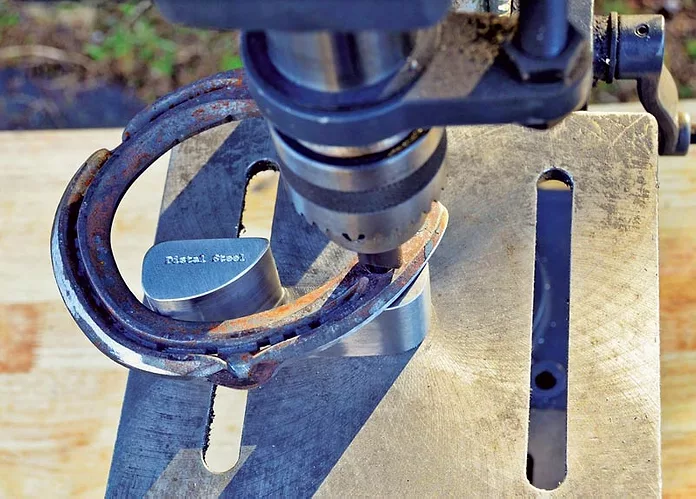
Setting the right speed protects your drill and material. Different materials need different speeds.
| Material | Recommended Speed (RPM) |
| Softwood | 1500 – 3000 |
| Hardwood | 1000 – 1500 |
| Aluminum | 500 – 1000 |
| Steel | 100 – 400 |
| Plastic | 1000 – 2000 |
Credit: www.americanfarriers.com
Techniques For Precision Drilling
Using a drill press with precision helps you create clean, accurate holes. This guide focuses on key techniques to improve your drilling accuracy.
Understanding how to control depth and align the drill bit correctly makes a big difference in your work quality.
Using Depth Stops
Depth stops let you set how deep the drill bit goes. This avoids drilling too far and damaging your material.
- Set the depth stop collar on the drill press quill.
- Tighten the collar securely to hold the depth.
- Test the depth on scrap material before drilling the final piece.
- Adjust as needed for different hole depths.
Using depth stops saves time and keeps holes consistent across multiple pieces.
Aligning The Drill Bit Accurately
Proper alignment ensures the drill bit enters the material at the right spot and angle.
| Tip | How to Do It |
| Use a Center Punch | Mark the drilling spot with a punch to guide the bit. |
| Check the Bit | Make sure the drill bit is straight and tight in the chuck. |
| Adjust the Workpiece | Secure the material firmly on the drill press table. |
| Use a Fence or Jig | Keep the material steady and aligned for repeated holes. |
Safety Practices To Follow
Using a drill press safely protects you from injury and damage. Follow safety rules every time you work.
Learn about the right gear and ways to avoid common dangers. These tips help keep your workspace safe.
Personal Protective Equipment
Wear the correct protective equipment before starting the drill press. This gear reduces risks and keeps you safe.
- Safety glasses protect your eyes from flying debris
- Hearing protection helps reduce loud noise damage
- Close-fitting clothing stops fabric from getting caught
- Non-slip shoes provide firm footing
- Gloves should fit well but avoid loose ones near moving parts
Avoiding Common Hazards
Watch out for common hazards that can cause accidents. Follow safety steps to avoid these risks.
| Hazard | Safety Tip |
| Loose hair or clothing | Tie back hair and wear tight clothes |
| Improper workpiece clamping | Always secure the workpiece firmly |
| Using the wrong drill bit | Select the correct bit for the material |
| Not turning off power | Switch off and unplug before adjustments |
| Overreaching or poor posture | Stand steady and keep balance |
Credit: www.woodwardfab.com
Maintenance Tips For Longevity
Keeping your drill press in good shape helps it last longer. Regular care avoids big repairs and keeps it working well.
Simple maintenance steps make a big difference. This guide covers cleaning, lubrication, and checking parts for wear.
Cleaning And Lubrication
Clean your drill press after each use. Remove dust and metal shavings from all surfaces.
- Use a soft brush to clear debris from the table and base.
- Wipe metal parts with a dry cloth to avoid rust.
- Apply lubricant to moving parts like the spindle and chuck.
- Use oil designed for metal tools to keep parts smooth.
- Do not over-lubricate, as excess oil can attract dust.
Checking For Wear And Damage
Regularly inspect your drill press for any wear or damage. Early detection stops small problems from growing.
| Part | What to Check | Signs of Wear |
| Spindle | Smooth rotation | Wobbling, noise |
| Chuck | Firm grip on drill bits | Slipping, rust |
| Belts | Tension and cracks | Fraying, looseness |
| Table | Flatness and stability | Warping, looseness |
| Power Cord | Insulation condition | Cracks, exposed wires |

Credit: www.ttp-hard-drills.net
Frequently Asked Questions
What Safety Gear Is Essential When Using A Drill Press?
Always wear safety glasses and hearing protection. Avoid loose clothing and tie back long hair. Use clamps to secure your workpiece. Follow all manufacturer safety guidelines to prevent accidents and injuries.
How Do I Choose The Right Drill Bit For My Project?
Select a drill bit based on material type and hole size. Use high-speed steel bits for wood and soft metals. For harder materials, choose carbide or cobalt bits to ensure durability and precision.
How Can I Prevent Drill Bit Slipping On The Drill Press?
Secure the workpiece firmly with clamps or a vise. Use a center punch to mark the drilling spot. Start drilling at a slow speed to create a pilot hole and maintain control.
What Is The Ideal Speed Setting For Different Materials?
Use slower speeds for harder materials like metal. Higher speeds work best for softer materials such as wood or plastic. Adjust speed according to bit size and material density for optimal results.
Conclusion
Mastering a drill press takes practice and patience. Start with safety first. Always wear protective gear. Choose the right drill bit for the job. Secure your material tightly to prevent movement. Adjust speed settings based on material type. Regular maintenance keeps your drill press in top shape.
Clean it after every use. Check for worn parts regularly. A well-cared-for drill press will last for years. Keep learning and experimenting. Your skills will grow over time. Happy drilling!