Are you struggling to find the right way to measure the diameter of rods and pipes? Getting accurate measurements is crucial for your projects, whether you’re working on plumbing, construction, or DIY tasks.
But how do you ensure your measurements are precise without expensive tools? You’ll discover simple, effective methods that anyone can use to measure diameters quickly and accurately. Keep reading, and you’ll never have to guess or make costly mistakes again.
Tools For Measuring Diameter
Measuring the diameter of rods and pipes is important for many projects. Using the right tool helps get accurate results. Different tools suit different sizes and materials.
This guide explains four common tools used to measure diameter: calipers, micrometers, measuring tapes, and pi tape.
Calipers
Calipers are versatile tools that measure the outside diameter of rods and pipes. They come in digital, dial, and vernier types. Calipers have two jaws that open and close to fit around the object.
- Easy to use for quick measurements
- Suitable for medium-sized rods and pipes
- Provide readings in millimeters or inches
- Can measure depth and step dimensions too
Micrometers
Micrometers offer high precision for small diameters. They have a spindle and anvil that close on the rod or pipe. Micrometers display measurements using a calibrated scale or digital readout.
| Type | Use | Range |
| Outside Micrometer | Measures external diameter | 0-25 mm (typical) |
| Digital Micrometer | Easy reading of measurements | Varies by model |
| Mechanical Micrometer | Manual scale reading | Varies by model |
Measuring Tapes
Measuring tapes are flexible and useful for large pipes. They wrap around the pipe to find the circumference. Then you can calculate the diameter using a simple formula.
Diameter calculation formula:
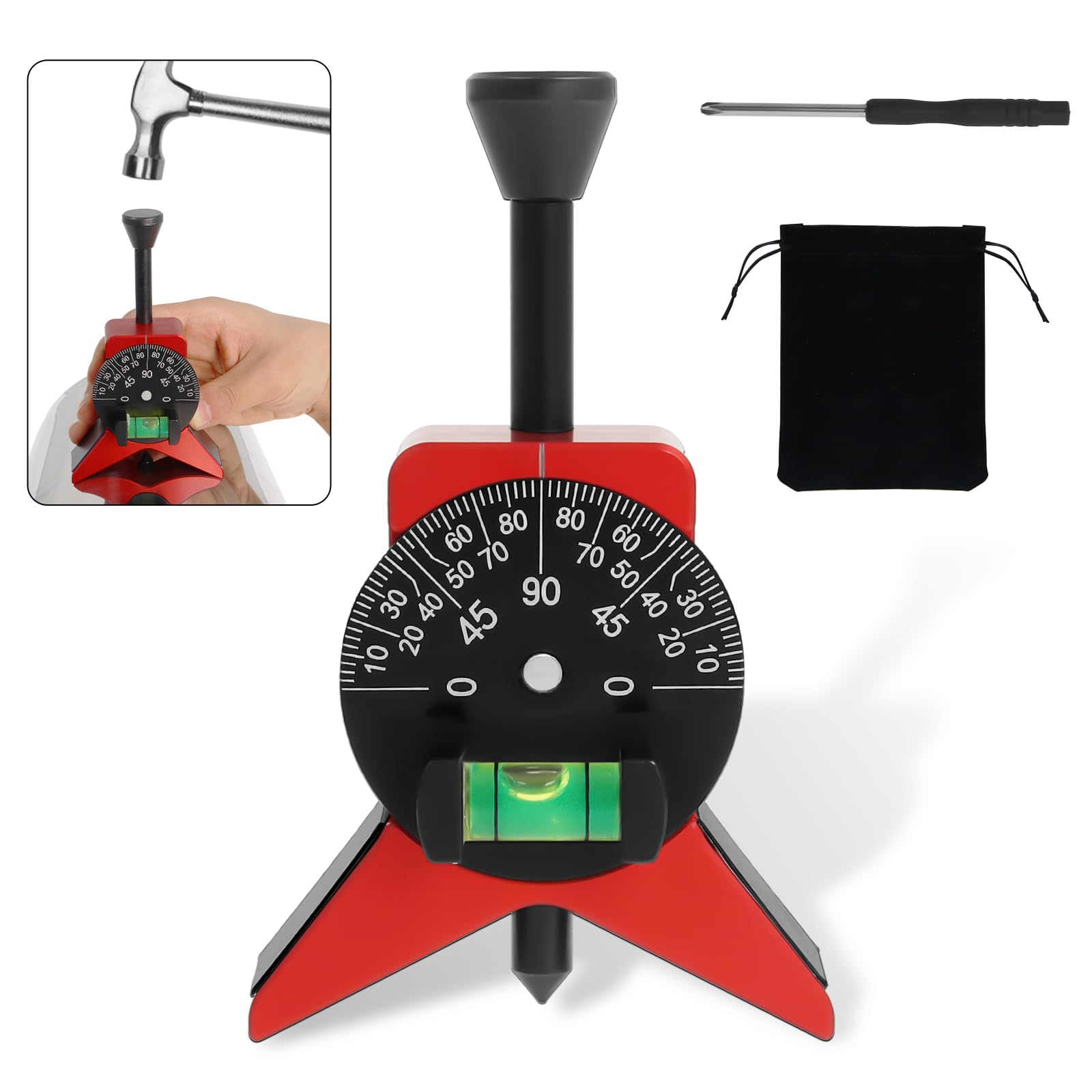
Pi Tape
Pi tape is a special tape measure made for pipe diameter. It shows the diameter directly by wrapping around the pipe. The tape has a scale that converts circumference to diameter automatically.
- Accurate for large pipes
- Easy to use with no math needed
- Made from flexible material to fit pipe curves
- Commonly used in industry and fieldwork
Credit: www.amazon.com
Measuring Solid Rods
Measuring the diameter of solid rods is important for many projects. It helps ensure parts fit together well. Accurate measurement tools give the best results.
This guide explains three common methods to measure rod diameter correctly.
Using Calipers For Precision
Calipers provide a quick and precise way to measure rod diameter. Use the inside jaws to fit around the rod. Make sure the caliper is zeroed before measuring.
- Place the rod between the caliper jaws.
- Close the jaws gently until they touch the rod.
- Read the measurement on the scale or digital display.
- Repeat the process at different points for accuracy.
Micrometer Technique
Micrometers give very fine measurement details. They are best for small rods or when high precision is needed. Turn the ratchet stop to avoid too much pressure.
| Micrometer Part | Function |
| Frame | Holds the tool steady |
| Anvil | Fixed measuring surface |
| Spindle | Moves to touch the rod |
| Ratchet Stop | Controls pressure for accurate reading |
| Thimble | Used to turn the spindle |
Tape Measurement Tips
Using a tape measure works for rough diameter estimates. It is less precise but easy and fast. Wrap the tape around the rod to find its circumference.
- Wrap the tape tightly around the rod.
- Note the measurement where the tape meets itself.
- Use the formula Diameter = Circumference ÷ π (3.14).
- Check the tape is flat and not twisted.
Measuring Hollow Pipes
Measuring the diameter of hollow pipes is important for many projects. It helps to know the size for fitting and cutting tasks.
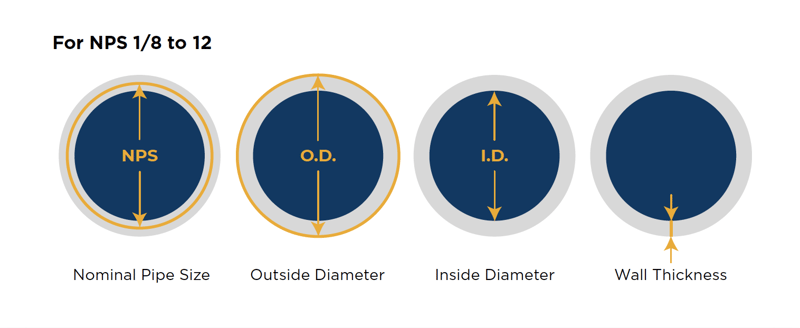
There are different ways to measure pipes. You can measure the outside diameter, inside diameter, and wall thickness.
Outside Diameter Measurement
The outside diameter is the distance across the pipe from one outer edge to the opposite outer edge. This is the largest diameter of the pipe.
Use a caliper or a tape measure to measure the outside diameter. Place the tool around the pipe and read the size carefully.
- Use a vernier caliper for accurate results
- Measure at several points for consistency
- Record the largest measurement as the outside diameter
Inside Diameter Measurement
The inside diameter is the distance across the hollow part of the pipe. It shows how wide the pipe hole is.
You can measure the inside diameter using an inside caliper or a ruler. Insert the tool inside the pipe and measure the distance between the inner walls.
- Use an inside caliper for best accuracy
- Measure at different points inside the pipe
- Average the measurements for a good estimate
Wall Thickness Calculation
The wall thickness is the width of the pipe material between the outside and inside surfaces. It affects the pipe’s strength.
You can find wall thickness by subtracting the inside diameter from the outside diameter. Then divide the result by two.
| Formula | Wall Thickness = (Outside Diameter – Inside Diameter) ÷ 2 |
| Example | If Outside Diameter = 10 cm and Inside Diameter = 8 cm, Wall Thickness = (10 – 8) ÷ 2 = 1 cm |
Non-contact Measurement Methods
Measuring the diameter of rods and pipes without touching them is useful. It helps avoid damage and speeds up the process.
Non-contact methods use light or cameras to get accurate size readings. These tools work well for many materials and shapes.
Laser Measurement Tools
Laser tools use a beam to measure the diameter of rods and pipes. The laser hits the object and reflects back to a sensor.
The time it takes for the laser to return helps calculate the distance. This distance shows the size across the object.
- Fast and accurate for round shapes
- Works on moving objects
- No physical contact needed
- Good for hot or fragile materials
Optical Comparators
Optical comparators use light and lenses to project a shadow of the rod or pipe. This shadow is shown on a screen.
Operators compare the shadow size to a scale to find the diameter. This method works well for detailed shape checks.
- Good for measuring small or complex shapes
- Easy to read visual results
- Non-contact and safe for delicate parts
- Requires stable lighting and setup
Common Measurement Challenges
Measuring the diameter of rods and pipes can be tricky. Many factors affect the accuracy of the measurements.
Understanding common challenges helps improve measurement results and avoid errors.
Surface Irregularities
Rods and pipes may have dents, scratches, or rust. These surface problems make it hard to get exact measurements.
Measuring over bumps or rough spots can give wrong diameter readings. It is best to find smooth areas or clean the surface first.
Temperature Effects
Metal rods and pipes expand when hot and shrink when cold. Temperature changes affect their size.
Taking measurements at different temperatures can cause inconsistent results. Measure in stable conditions for accuracy.
Tool Calibration
Measuring tools like calipers and micrometers must be calibrated regularly. Uncalibrated tools give wrong readings.
Check tools against a standard gauge before use. This step ensures measurements are reliable and precise.
Improving Measurement Accuracy
Measuring the diameter of rods and pipes is important for many projects. Accurate measurements help ensure proper fitting and safety.
Using the right techniques can reduce errors and give better results. This guide explains how to improve measurement accuracy.
Proper Tool Handling
Use tools like calipers or micrometers carefully to get correct diameter readings. Hold the tool steady and avoid tilting it.
Clean the tool and the rod or pipe before measuring. Dirt or rust can cause wrong measurements.
- Check that the tool is calibrated correctly
- Apply even pressure when measuring
- Avoid forcing the tool onto the object
Multiple Measurements
Take several measurements at different points on the rod or pipe. This helps spot any irregularities or warping.
Record all values and calculate an average for the most accurate diameter. Ignore any outliers that seem wrong.
- Measure at least three points around the circumference
- Take measurements at different lengths along the rod or pipe
- Use the average to find the true diameter
Environmental Considerations
Temperature and humidity can affect metal size and tool performance. Measure in stable conditions to reduce errors.
Avoid measuring in wet or very hot places. Let the rod or pipe adjust to room temperature before measuring.
- Use tools suited for the environment
- Store tools properly to prevent damage
- Measure indoors or in controlled spaces if possible
Applications Of Diameter Measurements
Measuring the diameter of rods and pipes is important in many industries. It helps ensure parts fit and work properly.
Accurate diameter measurements support safety, quality, and efficiency in production and maintenance.
Manufacturing Standards
Diameter measurements help manufacturers meet set standards. These standards guide the size and shape of rods and pipes.
Following these standards ensures products fit with other parts and meet customer needs.
- Ensures product uniformity
- Helps maintain compatibility
- Supports industry regulations
- Reduces material waste
Quality Control
Diameter checks are part of quality control in factories. They spot mistakes in size before products leave the factory.
Controlling diameter helps keep products reliable and safe for users.
- Detects size errors early
- Maintains product strength
- Prevents assembly problems
- Ensures customer satisfaction
Maintenance And Inspection
Regular diameter measurements help find wear or damage in rods and pipes. This keeps equipment working well.
Measuring during inspections prevents failures and costly repairs by spotting problems early.
- Monitors wear and tear
- Detects corrosion and deformation
- Prevents equipment failure
- Supports safety checks

Credit: www.amazon.com
Credit: www.appmfg.com
Frequently Asked Questions
How Do You Measure The Diameter Of A Rod Accurately?
Use a caliper or micrometer to measure the diameter. Place it across the rod’s widest part for precision. Avoid measuring near edges to prevent errors. Always take multiple readings for accuracy.
What Tools Are Best For Measuring Pipe Diameter?
Calipers, tape measures, and pipe gauges are ideal tools. Calipers provide precise inside and outside diameter readings. Tape measures work for larger pipes. Pipe gauges quickly measure standard pipe sizes.
How To Measure The Diameter Of Hollow Pipes?
Measure the outside diameter with calipers for accuracy. For inner diameter, use an internal caliper or ruler inside the pipe. Subtract twice the wall thickness if only outer diameter is known.
Can You Measure Pipe Diameter Without Special Tools?
Yes, use a flexible tape measure to wrap around the pipe. Divide the circumference by pi (3. 1416) to find the diameter. This method is less accurate but useful without tools.
Conclusion
Measuring rod and pipe diameters is crucial for many tasks. Accurate measurements prevent costly mistakes. Use the right tools like calipers or tape measures. Practice improves your skills over time. Always double-check your measurements. Precision leads to better results. Consider the material type for accurate readings.
Different materials may require different methods. Remember to maintain your tools well. Properly maintained tools ensure accuracy. With these tips, you can measure effectively. Stay diligent, and you’ll succeed in your projects.