Have you ever struggled to move a heavy object that just won’t budge? Knowing how to use a crowbar for prying heavy objects can make that tough job much easier—and safer.
With the right technique, you can save time, avoid injury, and get the job done with less effort. In this guide, you’ll discover simple, step-by-step tips to master your crowbar skills and handle heavy lifting like a pro. Keep reading, and you’ll never have to wrestle with stubborn objects again!
Choosing The Right Crowbar
Using a crowbar to pry heavy objects needs the right tool. Picking the correct crowbar makes the job safer and easier.
Different types of crowbars fit different tasks. You should also consider the material and size before choosing one.
Types Of Crowbars
Crowbars come in many shapes. Each type serves a special purpose for prying or lifting.
- Flat Crowbar:Thin and flat, good for sliding under objects.
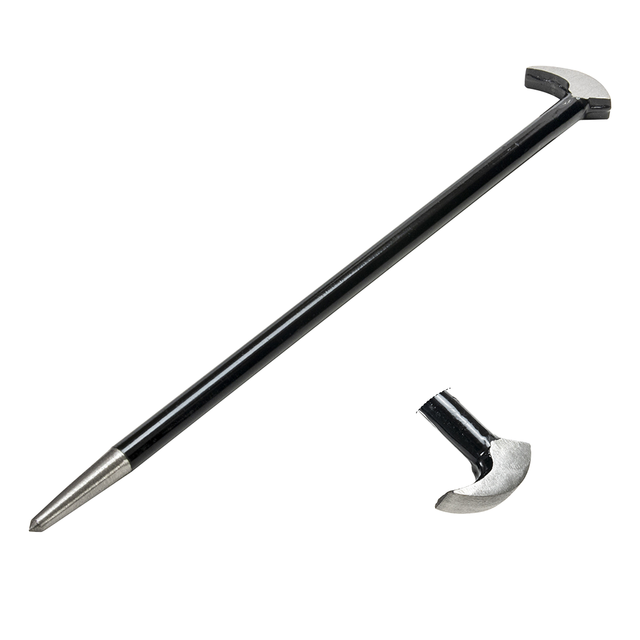
- Gooseneck Crowbar:Curved end helps pull nails and pry with more force.
- Wrecking Bar:Larger and heavier for tough demolition work.
- Nail Puller:Designed with a notch to remove nails easily.
Material And Size Considerations
Crowbars are made from different metals. Choose a strong and durable material for heavy prying.
Size affects how much force you can apply. Longer bars give more leverage but can be hard to handle in tight spaces.
- Steel:Most common, strong and long-lasting.
- Chrome Vanadium:Resistant to wear and corrosion.
- Length:12 to 36 inches; longer for heavy work, shorter for precision.
- Weight:Heavier bars offer more power but can tire your arms quickly.

Credit: hudahoist.en.made-in-china.com
Safety Gear Essentials
Using a crowbar to pry heavy objects can be risky without the right protection. Safety gear helps prevent injuries during the task.
Wearing proper safety equipment keeps your hands, eyes, and feet safe from accidents and impacts.
Protective Gloves
Gloves protect your hands from cuts, blisters, and pinches. Choose gloves made of tough material that fit well.
- Wear gloves with a good grip to hold the crowbar firmly.
- Use thick gloves to avoid splinters or sharp edges.
- Check gloves for holes or wear before use.
Eye Protection
Safety glasses or goggles stop dust and debris from hitting your eyes. This is important when prying heavy objects.
Choose eye protection that:
- Fits snugly without gaps
- Is made from impact-resistant material
- Allows clear vision while working
Proper Footwear
Wear sturdy shoes with strong soles to protect your feet. Heavy objects can fall or roll and cause injuries.
| Type of Footwear | Protection Features | Recommended Use |
| Steel-toe boots | Toe guard, thick sole | Best for heavy lifting and prying |
| Slip-resistant shoes | Grippy soles | Work on wet or slippery surfaces |
| Closed-toe shoes | Protect toes from minor bumps | Light prying tasks |
Preparing The Workspace
Using a crowbar safely starts with setting up a good workspace. A clear and stable area helps you work better.
This section explains how to clear the area and check the object before prying.
Clearing The Area
Remove any obstacles around the object. This keeps you safe and lets you use the crowbar without problems.
- Move furniture or tools away from the workspace.
- Clear dust, dirt, or debris on the floor.
- Check for pets or children nearby and keep them away.
- Make sure you have good lighting to see the object clearly.
Assessing The Object
Look at the object carefully. Understanding its size and weight helps you plan how to pry it safely.
| Object Feature | What to Check |
| Size | Is it small enough to move alone? |
| Weight | Do you need help lifting it? |
| Material | Is it wood, metal, or something else? |
| Condition | Is it fragile or strong? |
| Space Around | Is there room to insert the crowbar? |
Proper Crowbar Positioning
Using a crowbar correctly makes prying heavy objects easier and safer. Proper positioning helps you apply force efficiently.
Learn how to place the crowbar to get the best leverage and control. This guide focuses on key points for proper use.
Finding Leverage Points
Look for strong spots under or near the object to pry. These points let you use less effort to move heavy items.
A solid leverage point prevents damage and helps the crowbar stay in place while you work.
- Choose edges or gaps that feel firm
- Avoid weak or crumbly areas
- Make sure the point can hold the crowbar without slipping
Using The Claw End
The claw end is curved and strong. It fits into narrow spaces to pull or lift objects easily.
Insert the claw end into a gap and push down on the handle. The curved shape increases force to pry the object.
- Slide the claw end under the edge of the object
- Find a solid spot to push against
- Apply steady pressure on the handle to lift or move the object
Using The Flat End
The flat end is straight and thin. It works well to wedge between surfaces or lift objects slightly.
Place the flat end under the object and push the handle down. This action helps lift or separate parts without damage.
- Insert the flat end into small gaps
- Use it to create space before using the claw end
- Push down gently to avoid breaking the object
Techniques For Prying Heavy Objects
Using a crowbar to pry heavy objects requires some care and skill. The right techniques help you move items safely and easily.
This guide covers key ways to use a crowbar for prying, including applying force, using a fulcrum, and working with a partner.
Applying Controlled Force
Apply force slowly and steadily to avoid slipping or breaking the crowbar. Quick, sharp pulls can cause accidents.
Hold the crowbar firmly with both hands and push or pull with steady pressure. Control helps you pry without losing balance.
- Use smooth, even pressure
- Keep your hands away from sharp edges
- Wear gloves to improve grip
Using A Fulcrum
A fulcrum is a support point that helps increase your crowbar’s lifting power. Place it close to the object you want to move.
Use a sturdy block or rock as a fulcrum. This gives you better leverage and makes prying easier.
- Choose a solid, stable fulcrum
- Position it near the object’s edge
- Adjust the crowbar angle for more force
Working With A Partner
Two people can move heavy objects more safely. One holds the crowbar while the other helps lift or steady the item.
Talk clearly with your partner. Work together to apply force and avoid sudden moves.
- Assign clear roles before starting
- Lift slowly and in sync
- Communicate about changes in force or position
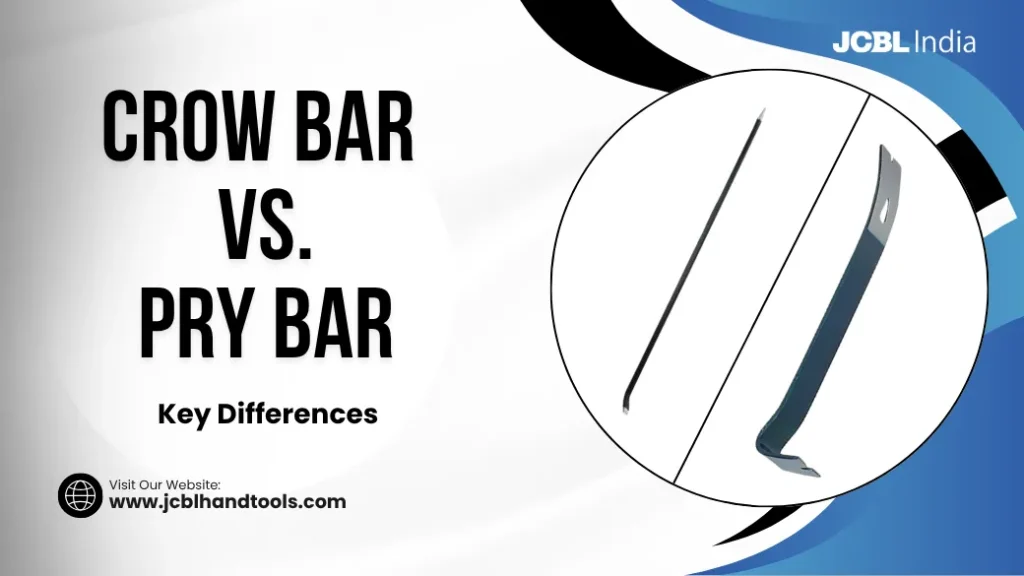
Credit: jcblhandtools.com
Common Mistakes To Avoid
Using a crowbar to pry heavy objects can be risky without the right technique. Many people make avoidable errors that cause injury or damage.
Learning what not to do helps you use the tool safely and effectively.
Overexerting Force
Applying too much force can break the crowbar or harm your body. It also may damage the object you want to move.
- Do not use your full body weight all at once.
- Try smaller, steady pushes instead of hard jerks.
- Use a longer crowbar for better leverage.
- Take breaks if you feel tired or strained.
Ignoring Safety Precautions
Safety is key when working with heavy tools. Skipping safety steps leads to accidents.
| Safety Tip | Reason |
| Wear gloves | Protect your hands from cuts and blisters |
| Use safety glasses | Guard eyes from flying debris |
| Check the crowbar for damage | Prevent tool failure during use |
| Clear the work area | Avoid tripping or falling hazards |
Incorrect Crowbar Placement
Placing the crowbar in the wrong spot reduces effectiveness and risks injury.
- Place the crowbar tip firmly under the edge of the object.
- Avoid sharp angles that can slip or break the tool.
- Keep the pivot point stable and secure.
- Position your hands away from pinch points.
Maintenance And Storage Tips
Keeping your crowbar in good condition helps it last longer. Proper care makes prying heavy objects safer and easier.
Follow simple steps after use to clean, store, and inspect your crowbar. This avoids damage and rust.
Cleaning After Use
Remove dirt and debris from your crowbar after each use. Wipe it down with a cloth and some mild soap if needed.
Dry the crowbar fully to prevent rust. Pay special attention to joints or moving parts if your crowbar has any.
Storing Safely
- Store your crowbar in a dry place away from moisture.
- Keep it off the ground to avoid dirt and damage.
- Hang it on a tool rack or place it in a toolbox.
- Make sure it is out of reach of children.
Inspecting For Damage
| Part | What to Check | Action if Damaged |
|---|---|---|
| Tip | Look for bends, cracks, or chips | Replace if bent or cracked |
| Handle | Check for splinters or loose grip | Smooth rough areas or replace handle |
| Shaft | Inspect for rust or dents | Clean rust, replace if dented |
Regularly inspect your crowbar before use. Fix or replace damaged parts to stay safe.

Credit: www.reddit.com
Frequently Asked Questions
How Do I Safely Use A Crowbar For Prying?
Always wear gloves and eye protection. Position the crowbar’s curved end under the object. Apply steady pressure to avoid slipping or injury. Use controlled force to pry objects apart safely.
What Types Of Objects Can I Pry With A Crowbar?
Crowbars are ideal for lifting heavy boards, removing nails, and separating nailed wood. They work well on pallets, crates, and other sturdy materials. Avoid using them on delicate or thin objects.
Can A Crowbar Damage Surfaces When Prying?
Yes, crowbars can scratch or dent surfaces. To minimize damage, place a protective pad between the crowbar and the object. Use gentle, controlled prying motions to reduce surface harm.
How Much Force Is Needed To Pry Heavy Objects?
Apply steady, controlled force rather than sudden, strong pushes. The leverage from the crowbar amplifies your strength. Using too much force risks breaking the tool or damaging the object.
Conclusion
Using a crowbar safely makes prying heavy objects easier. Follow the right techniques for best results. Always position the crowbar correctly. Ensure a firm grip to avoid slips. Wear gloves to protect your hands. Keep your back straight to prevent injury.
Practice improves skill and confidence. Take breaks to avoid fatigue. Remember, safety first. A crowbar is a helpful tool when used properly. Respect its power and potential. Enjoy your projects with better efficiency. Happy prying!