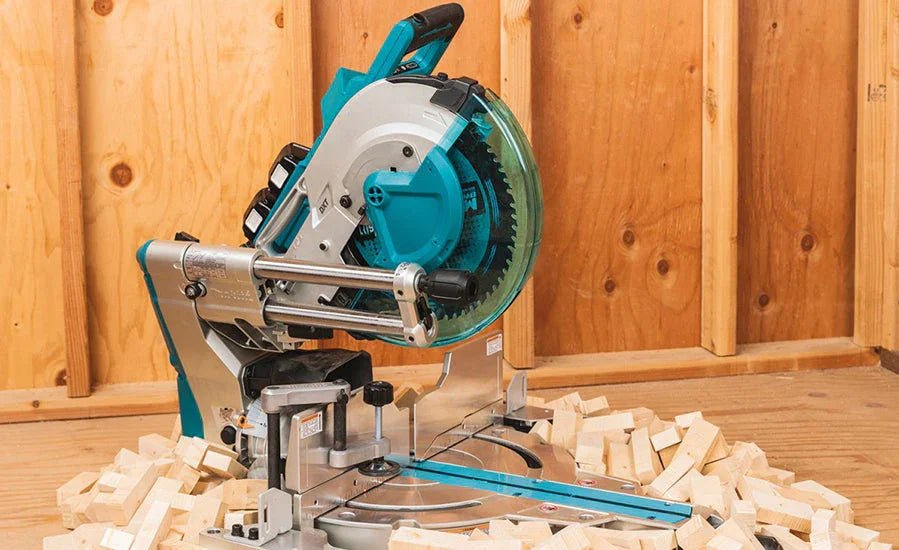
Choosing the right miter saw can make a huge difference in your woodworking projects. You want a tool that fits your needs, saves you time, and gives you clean, precise cuts every time.
But with so many options out there, how do you pick the best one for you? This guide will walk you through exactly what to look for, so you can make a smart choice and get back to creating with confidence.
Keep reading, and soon you’ll know exactly how to select a miter saw that works perfectly for your woodworking.
Types Of Miter Saws
Miter saws are essential for woodworking projects. They help you make precise cuts at different angles. Knowing the types of miter saws can help you pick the right one.
This guide covers four main types of miter saws. Each type has unique features for various cutting needs.
Basic Miter Saw
A basic miter saw cuts wood at fixed angles. It can tilt left and right to make angled cuts. This saw is good for simple tasks like framing or molding.
Compound Miter Saw
Compound miter saws can tilt and rotate. They make bevel cuts and miter cuts at the same time. This is useful for crown molding and complex trim work.
Sliding Compound Miter Saw
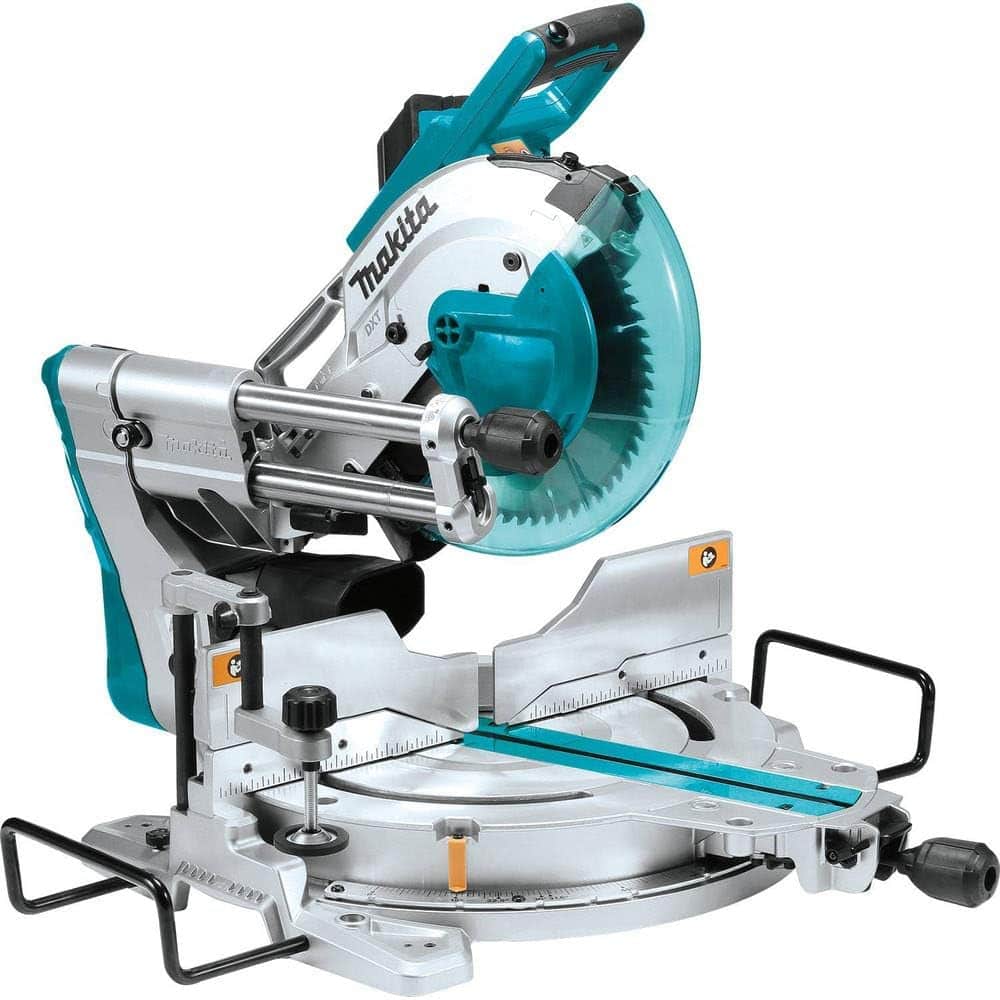
Sliding compound miter saws have a sliding arm. This lets the blade move forward and backward. It cuts wider boards than other saws.
- Good for large lumber and thick wood
- Offers more cutting capacity
- Ideal for flooring and decking projects
Dual Bevel Miter Saw
Dual bevel miter saws tilt both left and right. This saves time by not flipping the workpiece. It is great for detailed trim and angled cuts.
| Type | Main Feature | Best Use |
|---|---|---|
| Basic Miter Saw | Fixed angle cuts | Simple framing |
| Compound Miter Saw | Tilts and rotates | Crown molding |
| Sliding Compound Miter Saw | Sliding arm for wider cuts | Large lumber |
| Dual Bevel Miter Saw | Tilts both directions | Detailed trim |
Key Features To Consider
Selecting the right miter saw is important for woodworking projects. The saw you choose affects accuracy and ease of use.
Focus on key features to find a saw that matches your needs and skill level.
Blade Size And Type
Blade size impacts the depth and type of cuts you can make. Common sizes are 8, 10, and 12 inches.
- Smaller blades (8 inches) are lighter and good for small projects.
- Medium blades (10 inches) suit most general woodworking tasks.
- Larger blades (12 inches) cut thicker wood and larger materials.
- Blade type matters: choose a blade designed for fine or rough cuts based on your work.
Motor Power
Motor power determines how well the saw handles tough wood. Higher power means smoother cuts on hardwood.
- Lower power motors work for softwood and light tasks.
- More powerful motors help cut dense and thick materials easily.
- Check the amp rating or voltage to compare motor strength.
Cutting Capacity
Cutting capacity shows the largest wood size the saw can cut at 90 degrees and 45 degrees.
| Cut Type | Max Width | Max Thickness |
| Crosscut at 90° | 12 inches | 4 inches |
| Crosscut at 45° | 8 inches | 3 inches |
| Bevel Cut | Varies by model | Varies by model |
Bevel And Miter Range
Bevel and miter ranges let you make angled cuts for frames and trim work. Look for wide ranges for more flexibility.
- Standard miter range is usually from 0 to 45 degrees.
- Bevel range can be single or dual, typically up to 45 degrees.
- Dual bevel allows tilting the blade both left and right.
- Choose a saw that fits the types of angles you need for your projects.
Fence And Clamping System
A strong fence supports the wood and helps keep cuts straight. Clamps hold the wood steady during cutting.
| Feature | Importance |
| Fence Height | Taller fences support larger wood pieces. |
| Fence Adjustability | Allows precise alignment of the wood. |
| Clamping Mechanism | Keeps wood from moving for safer cuts. |
| Ease of Use | Quick clamps speed up work and improve accuracy. |
Portability And Size
Choosing the right miter saw means thinking about how easy it is to move. Size matters for your workspace and storage too.
This guide focuses on two key areas: the saw’s weight and size, and whether it is corded or cordless.
Weight And Dimensions
The weight and size of a miter saw affect how easy it is to carry and store. A lighter saw is better for moving between job sites.
- Lighter saws are easier to transport but may have fewer features.
- Compact dimensions save space in small workshops.
- Larger saws might handle bigger wood pieces but can be heavy.
- Check the saw’s weight before buying to match your needs.
Corded Vs. Cordless Options
| Feature | Corded Saw | Cordless Saw |
| Power Supply | Needs outlet | Battery powered |
| Portability | Limited by cord length | More flexible to move |
| Weight | Usually lighter | Heavier due to battery |
| Run Time | Unlimited with power | Limited by battery life |
| Usage | Good for long jobs | Best for quick tasks |

Credit: www.findbuytool.com
Safety Features
Choosing a miter saw with proper safety features protects you during woodworking. These features reduce accidents and keep your hands safe.
Understanding key safety parts helps you pick a safe and reliable saw for your projects.
Blade Guards
Blade guards cover the saw blade when it is not cutting. They stop accidental contact with the sharp blade.
Most guards move automatically as you lower the blade. This keeps your hands away from the cutting area at all times.
Electric Brakes
Electric brakes quickly stop the blade after you release the trigger. This reduces the risk of injury.
Without electric brakes, the blade may keep spinning for a while. Fast stopping helps you work safely and faster.
Safety Switches
Safety switches prevent the saw from turning on by accident. You must press or unlock the switch before the saw starts.
This feature stops unintentional starts that can cause serious injuries during setup or cleaning.
Accuracy And Ease Of Use
Choosing a miter saw for woodworking needs focus on accuracy and ease of use. A precise cut saves time and improves your work quality.
A saw that is easy to handle reduces fatigue and helps you work safely. Look for features that guide your cuts and make adjustments simple.
Laser Guides
Laser guides help you see exactly where the blade will cut. This feature boosts cutting accuracy and reduces mistakes.
Clear laser lines let you align wood without guessing. They are useful for quick and precise cuts on all types of wood.
- Show the exact cut line on the wood
- Help align materials quickly
- Improve safety by reducing errors
Adjustable Stops
Adjustable stops let you set the saw to cut the same length repeatedly. This feature saves time and keeps your projects consistent.
With stops, you avoid measuring each piece again. This reduces errors and makes your workflow smoother.
- Set fixed cutting lengths easily
- Repeat cuts without re-measuring
- Improve speed and reduce waste
Ergonomics
Ergonomics means the saw feels comfortable to use for long times. Good grips and controls reduce hand strain and improve safety.
A lightweight design and easy-to-reach controls help you work without fatigue. This keeps your focus on making precise cuts.
- Comfortable handle grips
- Easy access to adjustment knobs
- Balanced weight for better control
Credit: tektontravis.com
Budget And Brand Considerations
Choosing the right miter saw depends on your budget and preferred brand. These factors affect the saw’s quality and durability.
Understanding price ranges and brand reputation helps you make a wise choice. Also, consider warranty and support for long-term use.
Price Ranges
Miter saws come in different price ranges to fit various budgets. Low-cost models suit beginners or light use. Mid-range saws offer better power and features. High-end saws provide professional-grade performance and durability.
- Budget models: $50 to $150
- Mid-range models: $150 to $400
- High-end models: $400 and above
Reputable Brands
Choosing a well-known brand ensures better quality and safety. Top brands have tested their tools for reliability and user satisfaction.
- DeWalt
- Makita
- Bosch
- Hitachi
- Metabo HPT
Warranty And Support
| Brand | Warranty Period | Customer Support |
| DeWalt | 3 years | Phone and online support |
| Makita | 1 to 3 years | Authorized service centers |
| Bosch | 1 year | Email and phone support |
| Hitachi | 3 years | Online resources and service |
| Metabo HPT | 5 years | Customer service hotline |
Maintenance Tips
Keeping your miter saw in good shape helps it last longer. Regular care improves safety and cutting quality.
Learn simple ways to maintain your miter saw. Focus on blade care, lubrication, and storage.
Blade Care
Clean the blade after each use to remove resin and sawdust. Use a soft brush and mild cleaner.
Check the blade for damage. Replace it if teeth are dull or missing for better cuts.
- Wear gloves when handling blades
- Use a blade sharpening service if needed
- Store blades in a dry place
Lubrication
Lubricate the moving parts to keep the saw running smoothly. Use light machine oil or spray lubricant.
Apply oil to the pivot points and sliding rails. Avoid over-lubricating to prevent dust buildup.
- Wipe off excess oil
- Lubricate monthly or after heavy use
- Keep lubricant away from the blade
Storage
Store your miter saw in a clean, dry area to avoid rust. Cover it with a cloth or plastic sheet.
Keep the saw away from moisture and dust. Store the blade separately if possible.
- Unplug saw before storing
- Lock the saw arm down if it has a latch
- Check the saw before use after storage

Credit: www.findbuytool.com
Frequently Asked Questions
What Size Miter Saw Is Best For Woodworking?
A 10-inch miter saw is ideal for most woodworking projects. It offers a good balance of power and portability. For larger projects, a 12-inch saw provides more cutting capacity.
How To Choose Between Sliding And Non-sliding Miter Saw?
Choose a sliding miter saw for wider boards and versatile cuts. Non-sliding saws are compact and suitable for smaller, precise cuts. Your choice depends on project size and workspace.
What Features Matter Most In A Miter Saw?
Look for adjustable bevel angles, laser guides, and dust collection. These features improve cutting accuracy, safety, and cleanliness. Also, consider motor power and blade quality for durability.
Is A Cordless Miter Saw Suitable For Woodworking?
Cordless miter saws offer portability and convenience but may have less power. They are great for light to medium woodworking tasks. For heavy-duty jobs, a corded saw is preferable.
Conclusion
Choosing the right miter saw is crucial for woodworking success. Consider saw type, blade size, and power. Think about portability and ease of use. Match features to your project needs. Budget wisely but prioritize quality. Read reviews and seek expert advice.
Test the saw if possible. Practice safety always. With the right miter saw, your projects will shine. Happy woodworking!