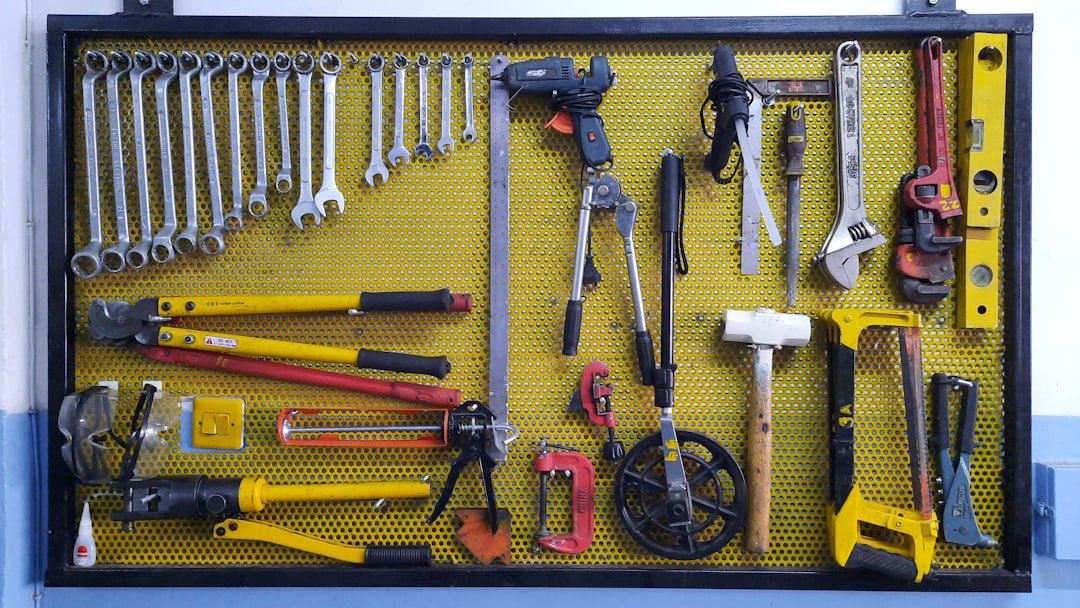
Are you confident that your electrical systems are safe and working perfectly? Whether you’re a professional electrician or a DIY enthusiast, having the right electrical testing tools is crucial.
These tools help you find problems before they become dangerous or costly. In this guide, you’ll discover which tools you need, how to use them effectively, and tips to keep your work safe and efficient. Keep reading to take control of your electrical projects with confidence and ease.
Key Electrical Testing Tools
Electrical testing tools help check circuits and devices. They ensure safety and proper function.
Using the right tool makes testing faster and more accurate. Each tool serves a specific purpose.
Multimeters
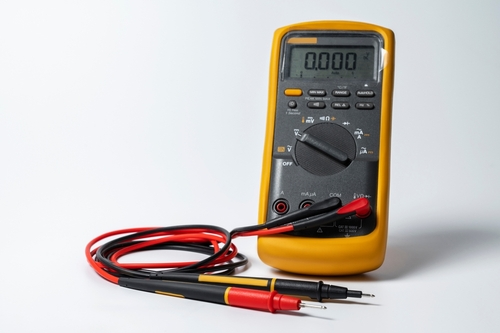
Multimeters measure voltage, current, and resistance. They are versatile and used in many tasks.
There are digital and analog multimeters. Digital ones show readings clearly on a screen.
Clamp Meters
Clamp meters measure current without touching wires. They use jaws to clamp around a conductor.
This tool is safe and quick for checking live wires. It also measures voltage and resistance sometimes.
Insulation Testers
Insulation testers check if wires are properly insulated. They apply high voltage to find leaks.
Good insulation prevents shocks and fires. These testers help maintain electrical safety.
Voltage Testers
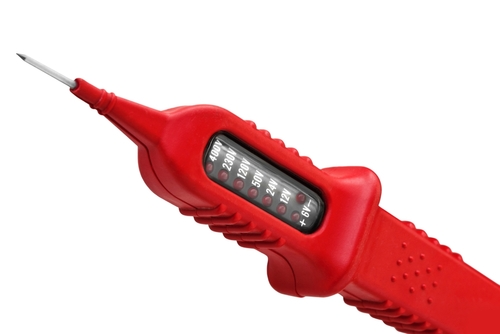
Voltage testers detect if electricity is present in wires or devices. They are simple and easy to use.
Some voltage testers light up or beep when voltage is found. This helps avoid accidental shocks.
Continuity Testers
Continuity testers check if a circuit is complete. They show if wires or connections are broken.
This tool uses sound or light to signal continuity. It helps find faults in wiring fast.
Credit: mrelectric.com
Choosing The Right Tool
Electrical testing tools help check circuits and devices for safety and function. Picking the right tool makes your work easier and safer.
Look at the tool’s features to find one that fits your needs. This guide covers key points for choosing the right electrical testing tool.
Tool Accuracy
Accuracy shows how close the tool’s readings are to the real values. High accuracy is important for safe and correct results.
Check the tool’s accuracy rating before buying. A small error margin means better precision for your tests.
Voltage And Current Range
Choose a tool that can measure the voltage and current levels you work with. Using a tool outside its range can cause damage or wrong readings.
Check the maximum and minimum values the tool supports. Make sure they cover your project needs.
- Low voltage tools for small electronics
- High voltage tools for industrial use
- Wide range tools for mixed tasks
Durability And Build Quality
Durable tools last longer and work well in tough conditions. Good build quality means the tool can handle drops and rough use.
Look for tools with strong cases and solid buttons. Water and dust resistance add to durability.
- Shock-resistant body
- Water and dust proof ratings (IP ratings)
- Quality materials like rubber or hard plastic
Ease Of Use
Choose tools that are simple to operate. Clear screens and easy controls save time and reduce errors.
Look for features like backlit displays and clear labels. Compact size and light weight help you work longer without fatigue.
- Large, readable display
- Simple button layout
- Portable and lightweight design
Safety Ratings
Safety ratings show if a tool meets standards for electrical testing. Using rated tools reduces risk of injury or damage.
Check for certifications like CAT ratings. These ratings tell you where the tool can be safely used.
| Safety Rating | Use Case |
|---|---|
| CAT I | Electronics and low energy circuits |
| CAT II | Appliances and portable tools |
| CAT III | Building wiring and distribution |
| CAT IV | Outside lines and service entrances |
Safety Features In Testing Tools
Electrical testing tools help check circuits and devices safely. Using the right safety features protects you from shocks and damage.
Understanding these safety features helps you pick the best tool for your work. This guide explains key safety parts in testing tools.
Overload Protection
Overload protection stops the tool from damage if too much current flows. It keeps you and your device safe during testing.
This feature often uses fuses or circuit breakers. They cut power automatically to avoid overheating or fire.
Insulated Probes
Insulated probes cover the metal parts you hold. They stop accidental contact with live wires or parts.
- Protect your hands from electric shock
- Allow safe contact with wires
- Reduce risk of short circuits
Auto Shutoff
Auto shutoff turns the tool off after a period of no use. This saves battery and reduces risk of accidents.
This feature helps prevent tool damage and avoids leaving power on by mistake.
Category Ratings
Category ratings show where a tool can be safely used. They match the electrical environment’s risk level.
| Category | Use | Example |
| CAT I | Low energy circuits | Electronics |
| CAT II | Single-phase appliances | Household devices |
| CAT III | Building wiring | Distribution panels |
| CAT IV | Outside lines | Utility meters |
Proper Usage Techniques
Using electrical testing tools safely and correctly is important. These tools help find faults and check electrical systems.
Knowing how to use the tools properly protects you and your equipment from damage or injury.
Calibrating Your Tools
Calibration makes sure your tools give accurate readings. Check your tools before each use for the best results.
- Turn on the tool and let it warm up.
- Use a known reference standard to compare readings.
- Adjust the tool settings if the readings are off.
- Record calibration results for future checks.
- Repeat calibration regularly as recommended.
Reading Measurements Correctly
Always read measurements carefully to avoid errors. Understand what each scale and unit means on the tool.
| Measurement Type | Common Unit | Tip |
| Voltage | Volts (V) | Use the correct voltage range setting. |
| Current | Amperes (A) | Connect in series with the circuit. |
| Resistance | Ohms (Ω) | Test with power off to avoid damage. |
| Continuity | Beep or Ohms | Check for a complete path in wiring. |
Avoiding Common Mistakes
Many errors happen from simple mistakes. Avoid these to keep safe and get correct results.
- Do not use damaged or uncalibrated tools.
- Never test live circuits without proper protection.
- Check all connections before taking a reading.
- Do not ignore tool warnings or error messages.
- Follow manufacturer instructions for each device.
Maintaining Equipment
Keep your testing tools clean and stored properly. Regular maintenance extends tool life and keeps results accurate.
Maintenance Tips:
- Clean tools with a dry cloth after use.
- Store tools in a dry, cool place away from dust.
- Replace worn test leads and accessories promptly.
- Check batteries and replace when low.
- Schedule professional servicing annually.
Advanced Testing Equipment
Advanced electrical testing equipment helps find problems in systems fast. These tools improve safety and accuracy in inspections.
Using the right tools can save time and costs in maintenance and repairs. Here are some key devices used by professionals today.
Thermal Imaging Cameras
Thermal imaging cameras detect heat patterns in electrical systems. They show hot spots invisible to the naked eye. This helps spot loose connections or overloaded circuits early.
- Non-contact temperature measurement
- Quick identification of overheating parts
- Useful in preventive maintenance
- Can scan large areas efficiently
Power Quality Analyzers
Power quality analyzers measure voltage, current, and frequency. They find issues like harmonics, dips, and surges that affect equipment. This data helps improve electrical system performance.
| Feature | Benefit |
| Voltage Monitoring | Detects drops and spikes |
| Current Analysis | Finds overloads and imbalances |
| Frequency Measurement | Checks system stability |
| Harmonics Detection | Prevents equipment damage |
Ground Resistance Testers
Ground resistance testers measure how well electrical systems connect to the earth. Good grounding protects people and equipment from shocks. These testers ensure safety standards are met.
Common uses of ground resistance testers:
- Testing grounding rods and grids
- Checking electrical panel grounding
- Verifying lightning protection systems
- Ensuring proper earthing in industrial sites
Credit: mrelectric.com
Improving Efficiency With Testing Tools
Electrical testing tools help workers find problems faster. Using the right tools saves time and effort.
These tools make checking and fixing electrical systems easier. They improve work quality and safety.
Streamlining Troubleshooting
Testing tools help spot issues quickly. They reduce guesswork and speed up repairs.
- Use multimeters to test voltage and current
- Employ circuit testers to find breaks in wiring
- Use insulation testers to check wire safety
- Apply clamp meters to measure current without disconnecting wires
Regular Maintenance Checks
Routine tests keep systems running well. They help spot wear before failure.
| Tool | Purpose | Check Frequency |
| Multimeter | Voltage and current measurement | Monthly |
| Insulation Tester | Wire insulation check | Quarterly |
| Circuit Breaker Tester | Breaker operation test | Yearly |
| Thermal Camera | Detect hot spots | Biannually |
Data Logging And Analysis
Logging test results helps track system health. It shows trends and pinpoints recurring issues.
Use data logging tools to:
- Record voltage and current over time
- Compare past and present readings
- Generate reports for maintenance teams
- Identify patterns that need action
Credit: mrelectric.com
Frequently Asked Questions
What Are Essential Electrical Testing Tools For Beginners?
Essential tools include multimeters, voltage testers, and clamp meters. These help measure voltage, current, and resistance safely and accurately. Beginners should start with user-friendly, reliable models to ensure safety during electrical diagnostics and repairs.
How Do Multimeters Improve Electrical Testing Accuracy?
Multimeters provide precise measurements of voltage, current, and resistance. They help detect electrical faults quickly. Using a multimeter ensures accurate diagnostics, preventing equipment damage and enhancing safety during electrical inspections.
Why Is Insulation Resistance Testing Important?
Insulation resistance testing identifies deteriorated or damaged wiring insulation. It prevents electrical shocks, equipment failure, and fire hazards. Regular testing maintains system reliability and safety by detecting insulation weaknesses early.
When Should You Calibrate Electrical Testing Tools?
Calibrate tools annually or after significant use to ensure accuracy. Calibration prevents measurement errors and maintains compliance with safety standards. Regular calibration extends tool lifespan and enhances testing reliability.
Conclusion
Navigating electrical testing tools can feel overwhelming. Yet, understanding each tool’s purpose simplifies tasks. Safety remains crucial; always prioritize it. Reliable tools ensure accuracy and efficiency. Investing in quality tools saves time and reduces errors. Learning their functions boosts confidence in electrical work.
Regular practice sharpens skills. Keep tools well-maintained for longer life. Review this guide whenever needed. Equip yourself with knowledge and tools. You’ll handle electrical tasks with ease. Stay safe and informed for successful projects.