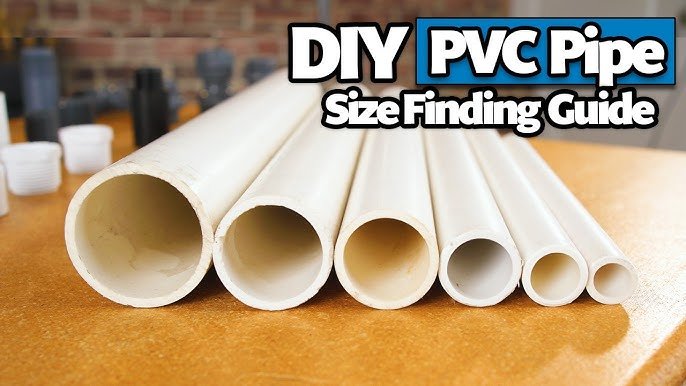
Are you struggling to measure the diameter of pipes accurately? Whether you’re a DIY enthusiast, plumber, or engineer, getting the right measurement is crucial.
A small mistake can lead to costly errors, wasted materials, or poor fitting. But don’t worry—this guide will show you simple, effective methods to measure pipe diameter with confidence. Keep reading, and you’ll learn easy tricks that save time and ensure precision every single time.
Your next project will thank you!
Credit: vinssco.com
Types Of Pipe Diameters
Measuring the diameter of pipes is important for many plumbing and construction projects. Understanding the different types of pipe diameters helps you choose the right tools and pipes.
This guide explains the main types of pipe diameters and how they differ from each other.
Nominal Vs Actual Diameter
Nominal diameter is a name for the pipe size. It does not show the exact measurement. Actual diameter is the real size of the pipe’s outer edge.
- Nominal diameter is used for pipe labeling and ordering.
- Actual diameter is measured with tools like calipers or tape.
- Nominal size may not match the pipe’s real diameter.
- Knowing both helps avoid mistakes in fitting and connections.
Inside Diameter And Outside Diameter
Inside diameter is the space inside the pipe where fluid flows. Outside diameter is the full width of the pipe from one outer edge to the other.
| Diameter Type | Description | Importance |
| Inside Diameter (ID) | Measurement of the pipe’s hollow center | Determines flow capacity |
| Outside Diameter (OD) | Measurement across the pipe’s outer surface | Used for fitting and pipe support |
| Wall Thickness | Difference between OD and ID divided by two | Affects pipe strength and pressure rating |
Credit: www.amazon.com
Tools For Measuring Pipe Diameter
Measuring the diameter of pipes accurately is important for plumbing and construction tasks. Using the right tools helps you get precise results.
This guide covers three common tools to measure pipe diameter: calipers and micrometers, tape measures and rulers, and laser measuring devices.
Calipers And Micrometers
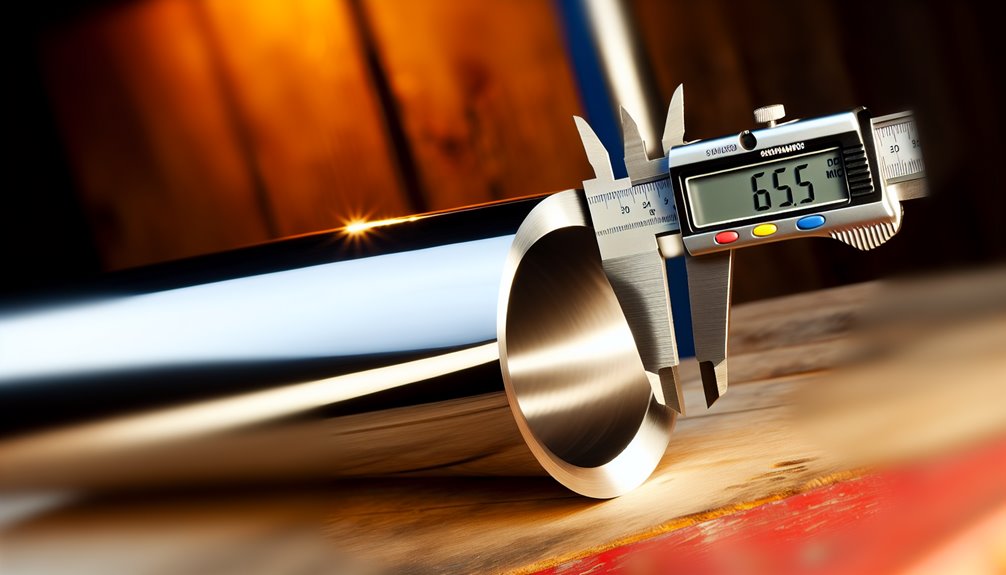
Calipers and micrometers are precise tools that measure small distances. They are ideal for measuring pipe diameter, especially for metal or plastic pipes.
- Caliperscan be digital, dial, or vernier types. They measure both inside and outside diameters.
- Micrometersoffer even finer precision but usually measure only outside diameters.
- These tools provide quick and accurate readings in millimeters or inches.
Tape Measures And Rulers
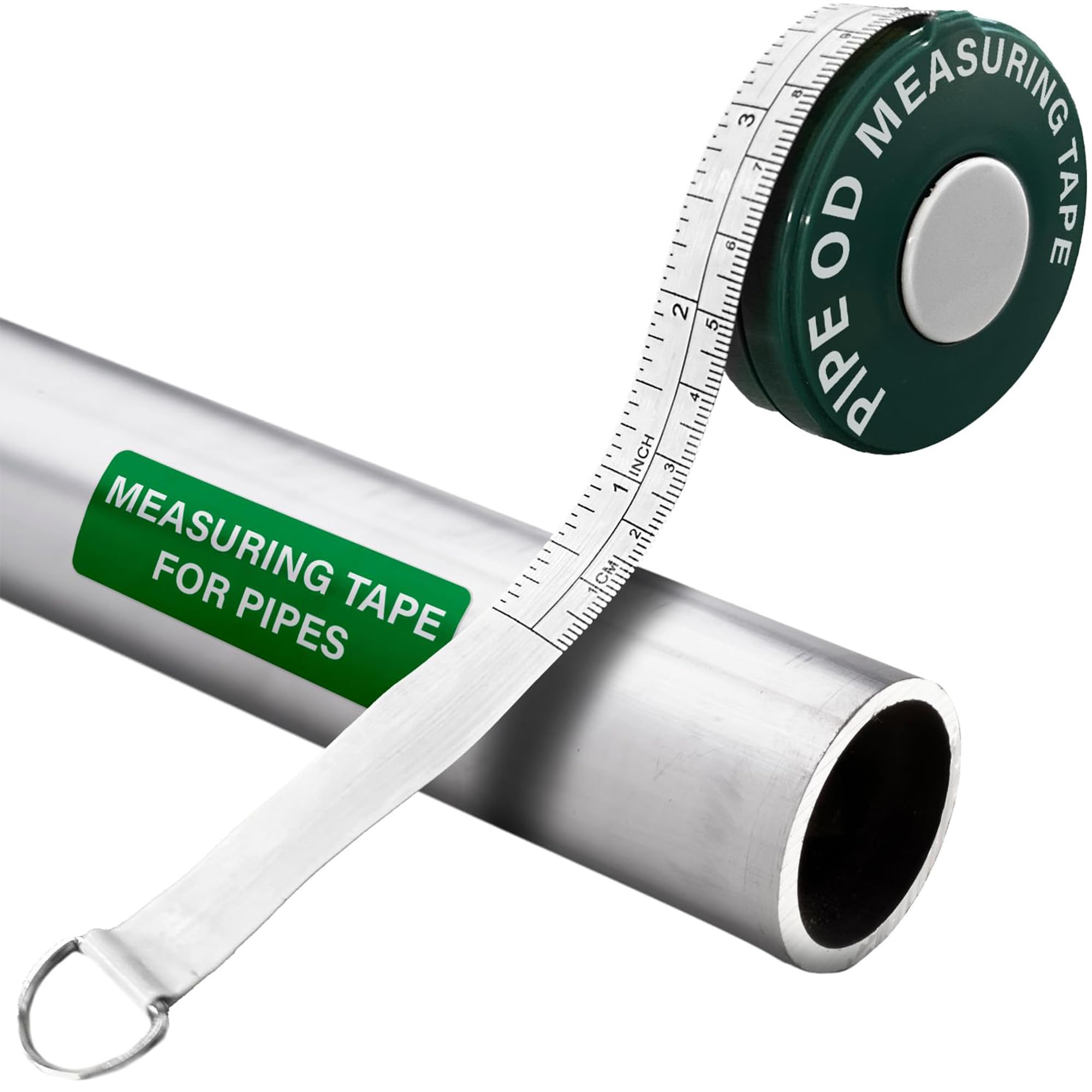
Tape measures and rulers are simple tools suitable for larger pipes or rough measurements. They are easy to use but less precise than calipers.
| Tool | Best Use | Precision |
| Tape Measure | Large pipes, quick checks | Low to medium |
| Ruler | Small pipes, basic measurements | Low |
Laser Measuring Devices
Laser measuring devices use light to measure distance without contact. They are useful for pipes that are hard to reach or in tight spaces.
- They give fast, non-contact measurements.
- Some models can calculate pipe diameter directly.
- They require calibration for accurate results.
Preparing Pipes For Measurement
Measuring the diameter of pipes needs careful preparation. Clean and check the pipe before measuring.
Proper preparation helps get the most accurate diameter reading. Follow simple steps to prepare pipes well.
Cleaning The Pipe Surface
Remove dirt, rust, and oil from the pipe surface. A clean pipe gives a clear view for measurement tools.
Use a cloth or brush to clean the pipe. For tough dirt, use a mild cleaner or sandpaper gently.
- Wipe off loose dust with a dry cloth
- Scrub rust or debris with a wire brush
- Use mild detergent for oil or grease
- Dry the pipe surface completely before measuring
Ensuring Pipe Is Straight And Accessible
Make sure the pipe is straight where you measure. Bends or curves can cause wrong diameter readings.
Place the pipe in an open area. This makes it easier to use measuring tools and avoid mistakes.
- Check the pipe for bends near the measuring spot
- If possible, move the pipe to a flat surface
- Use supports to keep the pipe steady and straight
- Ensure enough space around the pipe for measuring tools
Step-by-step Measurement Techniques
Measuring the diameter of pipes is important for many projects. Accurate measurements help ensure proper fitting and installation. This guide explains easy ways to measure pipe diameter.
We cover three key methods: measuring outside diameter, inside diameter, and using circumference to find the diameter. Each method is simple to follow with common tools.
Measuring Outside Diameter
The outside diameter (OD) is the total width across the pipe’s outer edges. Use a caliper or tape measure for this task.
- Place the caliper or tape measure across the widest part of the pipe.
- Ensure the tool touches both outer edges without bending.
- Read the measurement in millimeters or inches.
- Record the value carefully for your reference.
Measuring Inside Diameter
The inside diameter (ID) is the width across the pipe’s inner edges. This measurement is useful for pipes that carry fluids or cables.
- Use an inside caliper or ruler that fits inside the pipe.
- Place the tool so it touches the inner walls at opposite sides.
- Measure the distance between the two inner points.
- Write down the measurement for later use.
Using Circumference To Calculate Diameter
If you cannot measure diameter directly, use the pipe’s circumference. Then apply a simple formula to find the diameter.
| Measurement | Tool Needed | Formula |
|---|---|---|
| Circumference (C) | Measuring tape | Wrap tape around pipe |
| Diameter (D) | Calculated | D = C ÷ π (approx. 3.14) |
Wrap a flexible tape measure around the pipe to get the circumference. Divide this number by 3.14 to find the diameter.
Common Measurement Challenges
Measuring the diameter of pipes can be tricky. Pipes come in different shapes and sizes.
Some pipes are hard to reach or have uneven surfaces. These factors make accurate measurement difficult.
Dealing With Irregular Pipe Shapes
Not all pipes are perfectly round. Some have oval or irregular shapes that affect diameter measurement.
Measure the widest and narrowest points to get an average size. Use flexible measuring tape for better results.
- Place tape around the pipe to measure circumference
- Divide circumference by 3.14 to find diameter
- Note different readings for oval pipes and average them
Measuring Pipes In Tight Spaces
Sometimes pipes are in small or hard-to-reach areas. This makes it hard to use regular tools.
Use small calipers or flexible tape to fit in tight spots. Work carefully to avoid damaging the pipe.
- Use compact tools designed for tight spaces
- Measure multiple times for accuracy
- Ask for help if the pipe is in a dangerous place

Credit: www.amazon.com
Tips For Improving Accuracy
Measuring the diameter of pipes needs care and attention. Small mistakes can cause big problems in fitting and installation.
Use simple tips to make sure your measurements are exact and reliable every time.
Taking Multiple Measurements
Measure the pipe diameter at different points around the pipe. This helps find any irregular shapes or dents.
- Take measurements at three or more spots around the pipe.
- Measure both inside and outside edges if possible.
- Record each measurement carefully for comparison.
- Use the average of your measurements for better accuracy.
Calibrating Measuring Tools Regularly
Check your measuring tools often. Calibration keeps your tools accurate and reliable.
| Tool | Calibration Frequency | Calibration Method |
| Caliper | Monthly | Use gauge block |
| Measuring Tape | Every 3 months | Compare with standard ruler |
| Micrometer | Monthly | Use certified calibration standard |
Applications Of Accurate Pipe Diameter Measurement
Measuring pipe diameter correctly is important in many fields. It helps ensure systems work well and safely.
Accurate pipe sizing affects flow, pressure, and fitting. This guide covers key uses in plumbing, construction, and industry.
Plumbing And Construction
In plumbing and construction, precise pipe diameter measurement prevents leaks and ensures water flows properly.
- Correct pipe size allows better water pressure control.
- Proper fitting reduces risk of joint failures.
- Helps comply with building codes and regulations.
- Supports efficient heating and cooling system design.
- Prevents costly repairs from incorrect pipe installation.
Industrial And Manufacturing Uses
Industries depend on exact pipe diameters for fluid transport and machine operation.
| Industry | Importance of Accurate Diameter | Effect |
| Chemical | Precise flow rates | Safe reactions and mixing |
| Oil and Gas | Proper pressure handling | Prevents leaks and spills |
| Food and Beverage | Sanitary flow systems | Maintains product quality |
| Manufacturing | Machine fitting | Reduces downtime and wear |
Frequently Asked Questions
What Tools Are Best For Measuring Pipe Diameter?
Calipers, tape measures, and micrometers are ideal for pipe diameter measurement. Calipers offer precise inside and outside readings. Tape measures work well for larger pipes. Micrometers provide high accuracy for small pipes. Choose tools based on pipe size and measurement type.
How To Measure Inside Diameter Of A Pipe Accurately?
Use inside calipers or a flexible tape to measure the internal pipe diameter. Insert the tool gently inside the pipe. Expand until it touches both inner walls. Read the measurement carefully. Repeat for accuracy.
Can I Measure Pipe Diameter Without Removing It?
Yes, measure pipe diameter externally using a tape measure or calipers. Wrap the tape around the pipe to get circumference. Divide circumference by pi (3. 1416) to calculate diameter. This method is quick and non-invasive.
Why Is Accurate Pipe Diameter Measurement Important?
Accurate pipe diameter ensures proper fitting and flow efficiency in piping systems. Incorrect measurements lead to leaks, pressure loss, and installation errors. It helps in selecting the right pipe size and maintaining system integrity.
Conclusion
Measuring pipe diameter accurately is crucial for many projects. Use simple tools like calipers and measuring tape. Ensure precision by double-checking your measurements. Choose the right method based on pipe type and situation. Practice improves your measuring skills over time.
Accurate measurements save time and reduce errors. Proper measurements also help in selecting the right fittings. A correct fit ensures the system functions well. Always measure with care for the best results. Happy measuring!