Have you ever found yourself struggling to reach a stubborn nut or bolt tucked away in a cramped spot under your sink? You’re not alone.
Tight spaces can make even the simplest plumbing tasks feel impossible. But what if you had a tool designed specifically to tackle those hard-to-reach areas with ease? Using a basin wrench can change the way you handle plumbing repairs, saving you time and frustration.
You’ll discover how this clever tool works and why it’s a must-have for anyone dealing with tight spaces. Keep reading to unlock the secret to hassle-free plumbing fixes!
Why Choose A Basin Wrench
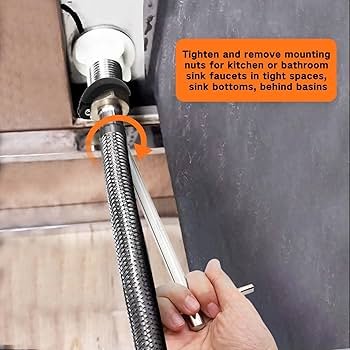
A basin wrench is a special tool used to reach nuts in tight spaces. It helps fix faucets and pipes under sinks where other tools cannot fit.
This tool makes plumbing easier and faster. It is designed for hard-to-reach places, saving time and effort.
Design Features For Tight Spaces
The basin wrench has a long handle and a pivoting jaw. This design allows it to grip nuts in narrow spots under sinks.
- Long, slim handle fits in small areas
- Pivoting jaw adjusts to different angles
- Teeth on the jaw hold the nut firmly
- Spring-loaded head keeps grip tight
- Lightweight for easy handling
Comparing With Other Plumbing Tools
| Tool | Best Use | Limitations |
|---|---|---|
| Basin Wrench | Tight spaces under sinks | Only for nuts in hard-to-reach spots |
| Adjustable Wrench | General nuts and bolts | Too large for tight spaces |
| Pipe Wrench | Gripping pipes | Bulky, hard to use in small areas |
| Socket Wrench | Fastening bolts with access | Needs clear space to turn |
Types Of Basin Wrenches
A basin wrench helps reach nuts in tight spaces under sinks. It has a long handle and a special jaw to grip nuts.
There are different types of basin wrenches. Choosing the right type depends on your needs and the work space.
Fixed Vs. Adjustable Models
Fixed basin wrenches have a set size jaw. They fit one or two nut sizes well. Adjustable models can fit many sizes.
- Fixed models are simpler and usually cheaper.
- Adjustable models offer more flexibility.
- Fixed wrenches are often stronger and more durable.
- Adjustable wrenches save space in your toolbox.
Materials And Build Quality
Basin wrenches are made from different metals. The build quality affects how long they last and how well they work.
| Material | Strength | Rust Resistance | Cost |
| Steel | High | Low | Low |
| Chrome-Plated Steel | High | High | Medium |
| Stainless Steel | Medium | Very High | High |
Essential Preparations Before Use
Using a basin wrench is very helpful in tight spaces like under sinks. Before starting, you need to prepare well. This makes your work easier and safer.
Getting ready means gathering the right tools and following safety rules. These steps help avoid problems and save time.
Gathering Necessary Tools
Before using a basin wrench, make sure you have all the needed tools. This will help you work without interruptions.
- Basin wrench
- Adjustable wrench
- Flashlight for dark areas
- Towels or rags to catch water drips
- Bucket to collect water
- Gloves to protect your hands
- Penetrating oil for stuck nuts
Safety Precautions
Safety is very important when working in tight spaces with tools. Follow these tips to avoid injury and damage.
| Precaution | Reason |
| Turn off water supply | Prevents leaks and water damage |
| Wear gloves | Protects hands from sharp edges |
| Use proper lighting | Helps see clearly in tight spaces |
| Check tool condition | Ensures tools work safely and correctly |
| Keep work area dry | Reduces risk of slipping or electric shock |

Credit: www.amazon.ca
Step-by-step Usage Guide
A basin wrench is a useful tool for tightening or loosening nuts in small, hard-to-reach places. It has a long handle and a special jaw that grips the nut securely.
This guide will help you use a basin wrench safely and effectively. Follow the steps to work in tight spaces without damaging the fixtures.
Positioning The Wrench Correctly
Place the basin wrench so its jaws grab the nut firmly. The wrench head should fit around the nut at the right angle.
Adjust the wrench’s pivot so it can reach the nut behind sinks or in cramped spots. Make sure the handle has room to move.
- Insert the wrench from below the sink
- Align the jaws with the nut
- Lock the jaws in place by tightening the pivot
- Ensure the handle can turn without hitting nearby pipes
Applying The Right Amount Of Torque
Turn the wrench handle slowly to apply steady force. Use enough pressure to move the nut without slipping.
Do not force the wrench too hard. Over-tightening can break pipes or damage fittings. Stop if the nut feels stuck.
- Turn the handle clockwise to tighten
- Turn counterclockwise to loosen
- Apply smooth, steady pressure
- Stop if the wrench slips or the nut resists strongly
Common Mistakes To Avoid
Do not use the wrong size wrench or force the jaws open too wide. This can damage the tool or the nut.
Avoid twisting the wrench at awkward angles. This reduces grip and can cause slipping or injury.
- Using a basin wrench with worn or damaged jaws
- Forcing the wrench in tight spaces without room to move
- Applying sudden or jerky force instead of steady pressure
- Ignoring signs of damage on pipes or fittings
Maintaining Your Basin Wrench
Keeping your basin wrench in good shape helps it last longer. Regular care makes it easier to use in tight spaces.
Simple maintenance steps keep your wrench working well and prevent damage over time.
Cleaning Tips
Clean your basin wrench after each use. Dirt and grime can build up and cause rust or stiffness.
- Wipe off dirt with a dry cloth
- Use mild soap and water for tough grime
- Dry the wrench completely to stop rust
- Apply light oil to moving parts after drying
Storage Recommendations
Store your basin wrench in a dry place. Avoid damp areas that can cause corrosion.
- Keep in a toolbox or drawer
- Use a tool rack to hang it
- Cover with a cloth if dusty
- Separate from other tools to avoid damage
When To Replace Your Wrench
Replace your basin wrench if it shows signs of wear. Broken or bent parts reduce its grip and safety.
| Condition | Reason to Replace |
| Rusty or corroded | Can break or slip easily |
| Bent handle or jaws | Reduces effectiveness and safety |
| Loose or stuck moving parts | Hard to adjust or use |
| Missing parts | Cannot function properly |
Troubleshooting Tight Space Challenges
Using a basin wrench helps fix plumbing in hard-to-reach spots. Tight spaces make it tough to turn nuts and bolts.
Knowing how to handle these challenges saves time and avoids damage to fixtures.
Dealing With Rusted Or Stuck Nuts
Rusted nuts can stop a basin wrench from turning. Rust makes metal parts stick and hard to move.
Use oil or rust remover on the nut. Let it sit for a few minutes before trying to turn it again.
- Apply penetrating oil to the stuck nut
- Wait 5 to 10 minutes for the oil to work
- Use a basin wrench with a firm grip
- Turn slowly to avoid breaking the nut
Working Around Limited Access Areas
Sometimes, space under the sink is very small. It can be hard to move the basin wrench freely.
Choose a basin wrench with a swivel head. This helps reach nuts in tight spots without much room to move.
- Use the long handle to reach deep areas
- Adjust the swivel head to fit the nut angle
- Work slowly to avoid slipping or damage
- Clear clutter to create more workspace
Additional Tips For Plumbing Success
Using a basin wrench in tight spaces can be tricky. These extra tips will help you work smarter and faster.
Small details make a big difference when fixing plumbing under sinks or in cramped areas.
Using Lubricants Effectively
Lubricants help loosen stuck nuts and bolts. Use a small amount to avoid making a mess.
Apply lubricant before using the basin wrench. Let it sit for a few minutes to work better.
- Use penetrating oil for rusted parts
- Grease threads lightly to prevent future sticking
- Wipe excess lubricant to keep the area clean
Combining Tools For Better Results
Sometimes one tool is not enough. Use a basin wrench with pliers or adjustable wrenches.
Extra tools give you better grip and control in hard-to-reach places.
- Use pliers to hold the pipe steady
- Adjustable wrenches help with larger nuts
- Use flashlight or mirror to see tight spots better

Credit: www.amazon.com

Credit: www.victus-srl.com
Frequently Asked Questions
What Is A Basin Wrench Used For?
A basin wrench is a plumbing tool designed to tighten or loosen nuts in tight spaces. It is perfect for faucets under sinks where access is limited. Its long handle and pivoting head make it easy to reach confined areas.
How Do You Use A Basin Wrench Effectively?
Position the basin wrench’s jaws around the nut under the sink. Use the long handle to apply torque, turning clockwise to tighten or counterclockwise to loosen. Its pivoting head helps navigate tight spaces without damaging surrounding fixtures.
Can A Basin Wrench Fit All Faucet Sizes?
Most basin wrenches have adjustable jaws that fit various nut sizes. However, extremely large or small nuts may require specialized wrenches. Always check the wrench’s size range before use for compatibility with your faucet.
Why Choose A Basin Wrench Over Regular Pliers?
A basin wrench is specifically designed for tight plumbing spaces, unlike regular pliers. Its long handle and swiveling head provide better reach and leverage. This reduces the risk of slipping and damaging plumbing parts.
Conclusion
Mastering the use of a basin wrench simplifies plumbing tasks. It reaches tight spaces easily. This tool saves time and effort. Even beginners find it handy and effective. Understanding its operation enhances efficiency. No more struggling under the sink. Wrenches make repairs smoother.
Practice and patience help in using it well. Investing in a quality basin wrench is wise. It ensures ease with difficult plumbing jobs. Remember, proper tools make a difference. Enjoy the convenience of this essential tool. Your plumbing tasks become less daunting.
Happy plumbing adventures!