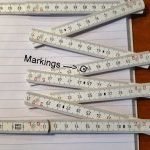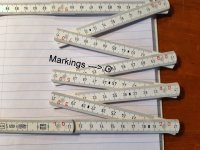
Measuring long distances can be tricky, especially when you don’t have the right tools. If you’ve ever struggled with a tape measure that won’t stretch far enough or a ruler that’s just too short, a folding ruler might be the perfect solution for you.
This guide will show you how to use a folding ruler to measure long distances accurately and easily. By the end, you’ll feel confident handling your folding ruler like a pro, saving time and avoiding frustrating mistakes. Ready to take your measuring skills to the next level?
Let’s dive in!
Choosing The Right Folding Ruler
Using a folding ruler for long distances is helpful for accurate measuring. Picking the right folding ruler makes your work easier.
Look at key features before buying. These include materials, length, units, and locking parts.
Materials And Durability
Folding rulers come in different materials. Wood, metal, and plastic are common choices. Wood feels classic but can break if used roughly.
Metal rulers last longer and resist damage. Plastic rulers are light but may bend or crack easily. Choose material based on your needs and how you will use it.
- Wood: traditional, can be fragile
- Metal: strong, durable, heavy
- Plastic: light, less durable
Length And Measurement Units
Folding rulers come in many lengths. Pick one long enough for your projects. Some fold up small for easy carrying.
Check the measurement units on the ruler. Some show inches, others centimeters. Some have both. Use the unit you are most comfortable with or need for your work.
- Lengths: 2 feet to 6 feet or more
- Units: inches, centimeters, or both
- Choose length and units for your tasks
Locking Mechanisms
Locking parts keep the folding ruler straight. This helps you measure long distances without it folding back.
Some rulers have simple locks, others have stronger locks. Pick one that is easy to use and holds the ruler firmly in place.
- Basic locks hold ruler sections loosely
- Strong locks keep ruler rigid and steady
- Easy-to-use locks save time
Preparing For Accurate Measurement
Using a folding ruler for long distances requires careful preparation. Small mistakes can cause big errors in your measurement.
Follow simple steps to get accurate results every time you measure with a folding ruler.
Clearing The Measurement Path
Make sure the path you want to measure is free of obstacles. Objects like furniture or tools can block the ruler and affect the length.
- Remove any items in the way
- Check the surface for bumps or uneven spots
- Ensure the ground or floor is stable
- Keep the path dry to avoid slipping
Checking For Calibration
Check if your folding ruler is accurate before starting. A ruler that is not calibrated will give wrong results.
| Check Point | Action | Result |
| Ruler Ends | Align both ends exactly | They match perfectly |
| Joint Hinges | Fold and unfold to full length | No gaps or bends |
| Measurement Marks | Compare with a known standard | Marks are clear and correct |
Positioning The Ruler Properly
Place the folding ruler so it lays flat and straight along the surface. This helps avoid extra length or tension.
Follow these tips for good positioning:
- Start measuring from the zero mark, not the edge of the ruler
- Keep each segment locked firmly at the joints
- Hold the ruler steady and avoid bending it
- Use a helper if the distance is very long
Techniques For Measuring Long Distances
Measuring long distances with a folding ruler takes care and planning. You need to use the ruler correctly to get an accurate result.
This guide explains how to measure long distances using a folding ruler. Follow these simple steps for good results.
Extending And Aligning The Ruler
Open the folding ruler fully before measuring. Make sure each segment clicks into place to stay straight.
Place the ruler carefully along the surface you want to measure. Align it so the start of the ruler matches the starting point of your measurement.
- Unfold all sections until the ruler is straight
- Check each joint to lock firmly
- Lay the ruler flat and align with the starting point
- Keep the ruler steady to avoid errors
Using Multiple Sections
Long distances may be longer than your ruler. Use multiple sections by measuring in parts. Mark where one section ends and the next begins.
Measure the first part, then move the ruler to continue from the last point. Add all parts together for the total length.
- Measure first section fully
- Mark the end point clearly
- Move the ruler starting at the mark
- Repeat until you reach the end
- Add all section lengths for total distance
Marking Intermediate Points
Use a pencil or chalk to mark points along the distance. This helps you keep track of where to place the ruler next.
Marking points avoids guessing and keeps measurements accurate. Check marks after each step to confirm correct placement.
- Make small marks at the ruler’s end points
- Use visible marks that do not smudge easily
- Double-check marks before moving the ruler
- Keep a clear line of marks for continuous measuring

Credit: www.amazon.com
Common Challenges And Solutions
Using a folding ruler to measure long distances can be tricky. There are some common problems that people face. Knowing how to fix these issues helps get better results.
This guide covers three main challenges: uneven surfaces, measurement errors, and ruler flex. Each section explains how to handle these problems clearly.
Dealing With Uneven Surfaces
Measuring on uneven ground can cause wrong readings. The folding ruler might not lay flat, making the distance look longer or shorter.
To fix this, place small supports under the ruler to keep it level. Move the ruler slowly and check each section carefully.
- Use small blocks or stones to support the ruler
- Measure in sections if the surface is very rough
- Double-check measurements by measuring twice
Avoiding Measurement Errors
Errors happen when you do not read the ruler correctly or when the ruler moves. These mistakes add up on long distances.
Keep the ruler steady and read the numbers at eye level. Make sure the ruler is fully extended and locked before measuring.
- Read measurements straight on, not from an angle
- Lock the folding ruler joints securely
- Mark start and end points clearly
Handling Ruler Flex And Sag
Long folding rulers can bend or sag under their own weight. This bending causes the ruler to show a shorter distance than actual.
Support the ruler at different points to keep it straight. Use a helper to hold the ruler if the distance is very long.
- Hold the ruler firmly at multiple points
- Use clamps or weights to prevent sagging
- Measure in shorter segments and add them up
Maintenance And Care Tips
Taking care of your folding ruler helps it last longer. Proper maintenance keeps the measurements accurate.
Follow simple steps to clean, store, and inspect your ruler regularly. This ensures it stays in good condition.
Cleaning The Ruler
Clean your folding ruler after use, especially if it is dirty or dusty. Use a soft cloth to wipe it gently.
A mild soap solution can remove tough stains. Avoid soaking the ruler in water to prevent damage.
- Use a soft, dry cloth for daily cleaning
- Apply mild soap and water for sticky dirt
- Dry the ruler completely before storing
Storing Properly
Store the folding ruler in a dry and cool place. Avoid areas with high humidity or direct sunlight.
Keep the ruler folded when not in use to protect its joints and markings. Use a case or pouch if available.
- Fold the ruler carefully after each use
- Keep it away from water and heat sources
- Use a protective cover or pouch for storage
Regular Inspection
Check your folding ruler often for signs of wear or damage. Look at the joints and measurement marks.
Fix small issues early to avoid bigger problems. Tighten loose joints and clean faded numbers for accuracy.
- Inspect joints for smooth folding and tightness
- Check for cracks or splits in the ruler material
- Ensure measurement marks are clear and visible
- Repair or replace damaged parts promptly

Credit: www.amazon.co.uk
Additional Tools To Complement Measurements
Using a folding ruler alone can be tricky for long distances. Extra tools help make measuring easier and more accurate. They assist in marking, checking, and confirming measurements.
These tools work well with your folding ruler. They save time and reduce errors. Below are some useful options to try.
Using Chalk Or Markers
Chalk or markers help you mark points clearly on surfaces. This is useful when measuring long distances step-by-step. It shows where the ruler ends and where to start the next measurement.
- Use bright colors for better visibility.
- Mark at each fold or joint of the ruler.
- Check marks before moving the ruler again.
- Clean marks off after finishing to avoid damage.
Employing Laser Distance Tools
Laser distance tools measure long distances quickly and with high accuracy. They are easy to use alongside a folding ruler for double-checking your work.
| Benefit | Description |
| Speed | Measures long distances in seconds without moving parts. |
| Accuracy | Offers precise readings up to millimeters. |
| Ease of Use | Simple controls with digital displays. |
| Range | Works well for distances beyond folding ruler limits. |
Combining With Tape Measures
Tape measures extend your reach beyond folding rulers. They are flexible and easy to carry. Using both tools gives you options for different situations.
- Use the folding ruler for short, rigid measurements.
- Switch to tape measure for longer or curved paths.
- Compare both measurements to ensure accuracy.
- Keep both tools handy for quick changes.

Credit: phys.org
Frequently Asked Questions
How Do You Measure Long Distances With A Folding Ruler?
To measure long distances, unfold the ruler fully and mark each segment. Combine measurements for total length. Use a steady hand for accuracy.
Can A Folding Ruler Replace A Tape Measure?
A folding ruler is sturdy and precise for straight distances. However, it is less flexible than a tape measure for curved or irregular surfaces.
What Materials Are Folding Rulers Usually Made Of?
Folding rulers are commonly made from wood, plastic, or metal. Each material offers different durability and flexibility suited to various measuring tasks.
How To Maintain Accuracy When Using A Folding Ruler?
Keep the ruler clean and unfold it fully before measuring. Avoid bending or dropping it to maintain precise measurements over time.
Conclusion
Mastering the folding ruler boosts measurement accuracy for long distances. It saves time and ensures precision in your projects. Easy to carry and use, it’s a handy tool for everyone. Follow the steps in this guide for better results. Practice regularly to improve your skills.
Whether for home or work, folding rulers are essential. They fit in small spaces and offer reliable measurements. Next time, reach for your folding ruler. Measure with confidence and ease. It’s that simple. Your projects will thank you.