
If you work with electricity or want to check electrical currents safely, a clamp meter is a tool you need to understand. Imagine being able to measure current without touching wires or turning off power—sounds handy, right?
This guide will show you exactly how to use a clamp meter with simple steps and clear tips. By the end, you’ll feel confident handling this tool like a pro, saving time and avoiding mistakes. Ready to unlock the power of your clamp meter?
Let’s dive in.

Credit: mme-ae.com
Choosing The Right Clamp Meter
Choosing the right clamp meter helps you measure electrical current safely and accurately. Many types of clamp meters fit different tasks.
This guide covers types of clamp meters, key features, and safety ratings to help you pick the best one for your needs.
Types Of Clamp Meters
Clamp meters come in several types, each made for specific uses. Knowing these types helps you select the right tool.
- AC Clamp Meters:Measure only alternating current.
- AC/DC Clamp Meters:Measure both AC and direct current.
- Digital Clamp Meters:Show readings on a digital screen for easy reading.
- Analog Clamp Meters:Use a needle to display measurements.
- Specialty Clamp Meters:Designed for specific tasks like inrush current or microamps.
Key Features To Consider
Look for features that match your work needs. Features improve accuracy and ease of use.
| Feature | Benefit |
| True RMS | Measures accurate current on non-linear loads |
| Auto-Ranging | Selects the correct measurement range automatically |
| Jaw Size | Fits around different cable sizes |
| Data Hold | Freezes the current reading on the display |
| Backlit Display | Easy reading in low light conditions |
Safety Ratings And Standards
Safety ratings show how well a clamp meter protects you from electrical hazards. Always check these before buying.
- CAT Ratings:Categories like CAT I, CAT II, CAT III, and CAT IV show voltage limits and environments.
- IEC Standards:International rules that clamp meters must meet for safety and performance.
- Overload Protection:Prevents damage if current exceeds meter limits.
- Insulation Quality:Protects you from electric shock.
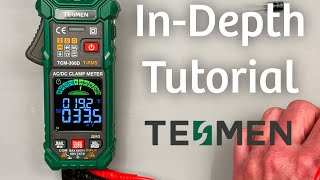
Credit: www.youtube.com
Preparing For Measurement
Using a clamp meter correctly starts with good preparation. This helps you get accurate readings and stay safe.
Before measuring, check your meter and choose the right settings. Always follow safety rules to avoid accidents.
Inspecting The Meter And Leads
Look over the clamp meter carefully before use. Check for cracks, damage, or wear on the meter body and leads.
Damaged leads or clamps can cause wrong readings or electric shocks. Replace any faulty parts before measuring.
- Check the clamp jaw for cracks or dirt
- Inspect test leads for cuts or exposed wires
- Ensure the display screen works properly
- Test the meter with a known source if possible
Selecting Measurement Settings
Set the clamp meter to the correct mode before measuring. Choose the right type of current or voltage you want to test.
Wrong settings can damage the meter or give false readings. Always start with the highest range if unsure.
- Choose AC or DC current depending on the circuit
- Select voltage measurement if testing voltage
- Pick the correct range to avoid overload
- Use resistance or continuity mode for wire checks
Ensuring Proper Personal Safety
Safety is very important when using a clamp meter. Protect yourself from electric shock and injury.
Wear safety gear and follow safe work habits. Never touch live wires with bare hands or wet tools.
- Wear insulated gloves and safety glasses
- Keep your hands dry and tools insulated
- Stand on a dry, non-conductive surface
- Do not measure circuits above meter’s rating
- Turn off power if possible before testing
Taking Accurate Readings
A clamp meter is a useful tool for measuring electrical current safely. Getting accurate readings helps you check circuits and devices correctly. Follow some simple tips to avoid errors and understand the numbers you see.
Careful handling and correct use improve your results. Readings can vary if the clamp is not positioned well or if you miss key details on the display. Learn how to position the clamp, avoid mistakes, and interpret the results below.
Positioning The Clamp Correctly
Place the clamp around only one conductor at a time. The clamp must fully close around the wire to get a true reading. Avoid clamping multiple wires together as this will cause errors.
- Open the clamp jaws wide enough to fit around the wire.
- Center the conductor inside the clamp for best accuracy.
- Keep the clamp steady while measuring to avoid fluctuating readings.
- Do not clamp near magnetic materials or metal objects that affect the field.
Avoiding Common Measurement Errors
Errors can happen if you do not prepare properly or if the meter is set wrong. Check your meter settings before you start. Use the right mode for the current type you measure—AC or DC.
| Error Cause | How to Fix |
| Clamping multiple wires | Clamp one wire at a time |
| Wrong meter mode | Select AC or DC current as needed |
| Loose clamp jaws | Make sure clamp fully closes |
| Strong magnetic fields nearby | Move away from magnets or metal |
Interpreting Display Results
The display shows the current value in amps. Some meters show decimals, while others round numbers. Look for symbols that tell you the mode or units used.
- Check if the reading is steady or jumping around.
- Note the unit: A means amperes, mA means milliamperes.
- Look for AC or DC symbols to confirm measurement type.
- If the reading is zero, check the clamp position or meter settings.
Advanced Tips And Techniques
A clamp meter is a handy tool for electricians and hobbyists. It measures current without touching wires.
Learning advanced tips can help you use it more effectively and safely.
Measuring Different Electrical Parameters
Clamp meters measure current, voltage, and resistance. Some models also measure frequency and capacitance.
- Use the clamp jaws for AC current measurement only.
- Switch to test leads for DC current and voltage.
- Select the right mode before measuring.
- Check the meter’s range to avoid overload.
- Use the zero function to remove residual readings.
Using Data Hold And Peak Capture
Data Hold freezes the reading on the display. Peak Capture records the highest current or voltage.
These features help when readings change fast or are hard to see.
| Feature | Use |
| Data Hold | Freeze current reading for easy note-taking |
| Peak Capture | Record maximum value during spikes or surges |
| Auto Power Off | Save battery by turning off after inactivity |
Maintaining Calibration
Calibration keeps your clamp meter accurate. Regular checks prevent wrong readings.
- Compare readings with a known standard meter.
- Send the meter to a certified service center yearly.
- Store the meter in a dry, clean place.
- Replace batteries to avoid weak signals.
- Avoid dropping or exposing the meter to extreme temperatures.
Troubleshooting And Maintenance
A clamp meter helps measure electrical currents safely. To keep it working well, you must troubleshoot and maintain it properly.
This guide covers how to spot faulty readings, clean and store your clamp meter, and when to get expert help.
Identifying Faulty Readings
Sometimes the clamp meter shows wrong numbers. This can happen due to many reasons, like bad batteries or wrong settings.
Look for these signs to find faulty readings:
- Numbers jump or change quickly without reason
- Readings stay at zero even when current flows
- Values do not match another meter’s result
- Display shows error messages or symbols
- Meter does not respond when clamped around a conductor
Cleaning And Storage Tips
Keep your clamp meter clean to make sure it works well. Dirt and dust can block buttons or affect measurements.
Follow these tips for cleaning and storage:
- Wipe the meter with a soft, dry cloth after use
- Use a small brush to clean crevices and clamp jaws
- Avoid using water or chemicals on the meter
- Store the meter in a dry, cool place away from direct sunlight
- Keep it in a protective case to prevent damage
- Remove batteries if you will not use the meter for a long time
When To Seek Professional Service
If your clamp meter still shows wrong readings after basic checks, it may need repair. Some problems require expert care.
Get professional help if you notice:
- Cracks or damage to the clamp jaws or body
- Persistent error messages on the display
- The meter does not turn on or off properly
- Unusual sounds or smells during use
- Calibration issues that affect accuracy

Credit: mme-ae.com
Frequently Asked Questions
What Is A Clamp Meter Used For?
A clamp meter measures electrical current without direct contact. It safely detects AC/DC current by clamping around a conductor. It also measures voltage, resistance, and continuity, making it useful for electricians and technicians.
How Do You Use A Clamp Meter Safely?
Always turn off power before clamping. Wear insulated gloves and avoid touching live wires. Use the correct meter settings, and clamp around a single conductor for accurate readings. Follow the manufacturer’s safety guidelines strictly.
Can A Clamp Meter Measure Dc Current?
Yes, many modern clamp meters measure both AC and DC current. Ensure your meter specifically supports DC current measurement. This feature is vital for automotive and solar panel applications.
What Factors Affect Clamp Meter Accuracy?
Accuracy depends on correct settings, conductor size, and proper clamping. Interference from nearby wires can cause errors. Using a high-quality meter and following instructions improves precision.
Conclusion
Understanding how to use a clamp meter is important for safety. Always remember to read the manual before starting. Practice makes perfect, so keep using the meter. This tool helps measure current without breaking circuits. Great for electricians and DIY enthusiasts alike.
Ensure the meter is correctly set before use. Check the battery and connections often. Safety gear is essential; never skip it. With practice, you’ll gain confidence in using the clamp meter. Always double-check your readings for accuracy. Happy measuring, and stay safe!
