Are you working on a project that involves wires but unsure how to find the right size? Knowing how to measure wire gauge is key to making sure your connections are safe and efficient.
If you pick the wrong wire size, your project might not work well—or worse, it could be dangerous. Don’t worry; measuring wire gauge is simpler than it sounds. You’ll discover easy steps and tips that anyone can follow. Keep reading, and you’ll gain the confidence to choose the perfect wire gauge every time.
Wire Gauge Basics
Wire gauge measures the thickness of a wire. It helps decide how much electricity the wire can carry safely.
Knowing wire gauge is important for electrical projects and repairs. It keeps circuits safe and working well.
Types Of Wire Gauges
There are different systems to measure wire thickness. Each system uses numbers or names to show size.
- American Wire Gauge (AWG) is common in the U.S.
- Standard Wire Gauge (SWG) is used in the UK.
- Metric gauge uses millimeters to show wire diameter.
AWG numbers get smaller as wire gets thicker. Metric sizes get bigger with thicker wire.
Why Gauge Matters
Wire gauge affects how much current a wire can carry without heating up. Thicker wire can handle more current.
Using the wrong gauge can cause wires to overheat or devices to not work properly. It can also be unsafe.
- Thinner wire has more resistance and less current capacity.
- Thicker wire costs more but is safer for high power.
- Correct gauge helps prevent electrical fires and failures.
Tools Needed
Measuring wire gauge is important for many electrical and craft projects. Using the right tools helps you get accurate results.
This guide explains the tools you need to measure wire gauge correctly and easily.
Calipers And Micrometers
Calipers and micrometers are precise tools for measuring wire diameter. They help find the exact size of the wire.
Calipers can measure the outside diameter of a wire quickly. Micrometers offer even more accuracy for small wires.
- Calipers have jaws that open to fit around the wire.
- Micrometers use a screw to tighten and measure small thickness.
- Both tools show measurements in millimeters or inches.
Wire Gauge Charts
Wire gauge charts convert wire diameter into standard gauge numbers. They make it easy to identify wire size.
Charts list gauge sizes with their corresponding diameters and cross-sectional areas.
| Gauge Number | Diameter (inches) | Diameter (mm) |
|---|---|---|
| 10 | 0.1019 | 2.59 |
| 12 | 0.0808 | 2.05 |
| 14 | 0.0641 | 1.63 |
| 16 | 0.0508 | 1.29 |
Wire Gauge Tools
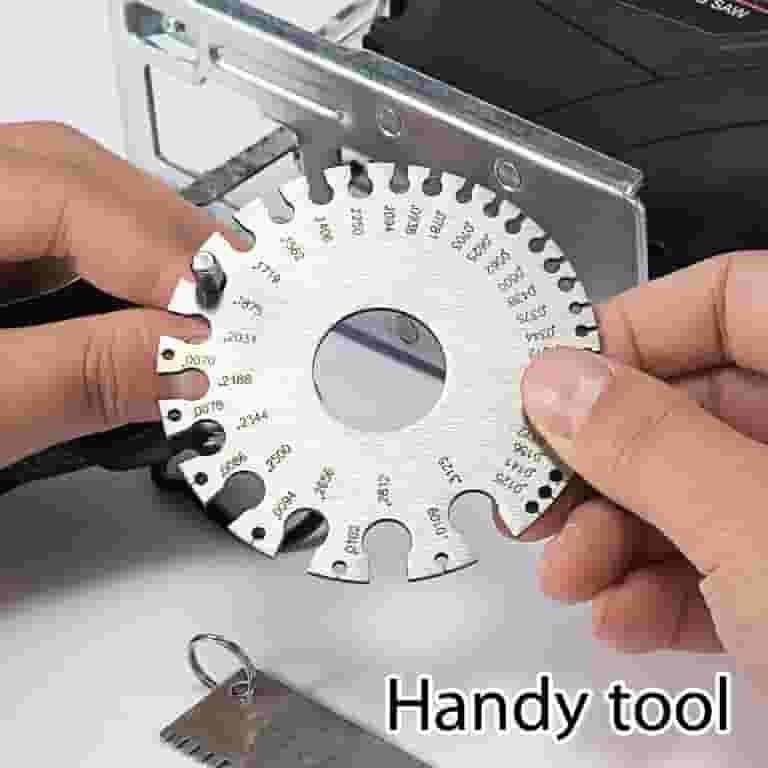
Wire gauge tools have holes or slots to match wire sizes. You insert the wire to find its gauge number.
These tools are simple and fast for checking wire gauge without measuring devices.
- Wire gauge rulers have marked holes for standard sizes.
- Wire gauge wheels roll over wire to show size.
- Wire gauge templates are flat and easy to carry.
Preparing The Wire
Measuring wire gauge requires clean and straight wire. Dirt or bends can cause wrong readings.
This guide explains how to prepare wire by cleaning and straightening it for accurate gauge measurement.
Cleaning The Wire
Remove any dust, oil, or corrosion from the wire surface. Clean wire gives better contact with measuring tools.
- Wipe wire with a dry cloth to remove loose dirt.
- Use rubbing alcohol on a cloth to remove grease or oil.
- For rust, gently scrub with fine steel wool or sandpaper.
- Dry the wire completely before measuring.
Straightening The Wire
Bent or curved wire can give false gauge readings. Straight wire ensures consistent measurement.
| Method | Description |
| Manual Pull | Hold the wire ends and gently pull to straighten. |
| Use Flat Surface | Press and roll wire on a flat board to remove bends. |
| Wire Straightener Tool | Run wire through a straightening tool for best results. |

Credit: www.solitaire-overseas.com
Measuring Wire Diameter
Measuring wire diameter helps you find the correct wire gauge size. Accurate measurement ensures safe and efficient electrical work.
You can measure wire diameter using different tools. Each tool offers a simple way to get precise results.
Using Calipers
Calipers are tools that measure the outside diameter of a wire. They work by clamping around the wire to give a reading.
Use digital or dial calipers for easy reading. Close the jaws gently around the wire to avoid squishing it.
- Turn on the calipers or set dial to zero
- Place wire between jaws
- Close jaws until they touch the wire
- Read the measurement on the display or dial
Using A Micrometer
A micrometer is a precise tool for measuring small wire diameters. It has a spindle that moves to clamp the wire.
Turn the ratchet stop until the wire fits snugly. Read the measurement from the sleeve and thimble scales.
- Open the micrometer by turning the thimble
- Place the wire between the anvil and spindle
- Turn the thimble until the wire is secure but not crushed
- Read the value from the scale for diameter
Using A Wire Gauge Tool
A wire gauge tool has slots of different sizes. You fit the wire into slots to find the best match.
Slide the wire through each slot until it fits snugly without extra space. The slot size shows the wire gauge.
- Hold the wire gauge tool
- Try fitting the wire into different slots
- Find the slot where the wire fits tightly
- Note the gauge number marked on the slot
Interpreting Measurements
Measuring wire gauge helps you find the wire’s thickness. You can use a tool like a caliper to get the diameter.
Understanding these measurements helps you pick the right wire for your project. It also ensures safety and proper function.
Comparing To Gauge Charts
Wire gauge charts list numbers linked to wire sizes. Each gauge number matches a specific diameter.
After measuring your wire’s diameter, find the closest size on the chart. This tells you the wire gauge.
| Gauge Number | Diameter (inches) | Diameter (mm) |
|---|---|---|
| 12 | 0.0808 | 2.05 |
| 14 | 0.0641 | 1.63 |
| 16 | 0.0508 | 1.29 |
| 18 | 0.0403 | 1.02 |
| 20 | 0.0320 | 0.81 |
Converting Diameter To Gauge
You can convert the wire diameter to gauge using formulas. This helps when you only have the diameter value.
One common formula uses logarithms to find the gauge from diameter in inches:
Gauge = 39 – 39 × log92(Diameter in inches)
Using this formula, you can calculate the gauge number for any wire diameter you measure.

Credit: www.amazon.com
Common Mistakes
Measuring wire gauge can be tricky if you do not follow the right steps. Many people make simple mistakes that cause wrong results.
Knowing these common errors helps you get better measurements and avoid problems.
Incorrect Tool Use
Using the wrong tool to measure wire gauge leads to wrong sizes. Not all tools measure wire thickness correctly.
For example, a ruler cannot measure small wire diameters accurately. A wire gauge tool or caliper works best.
- Do not use tape measures or rulers
- Use a wire gauge or digital caliper
- Check tool calibration before measuring
Measuring Insulation Instead Of Wire
Measuring the wire’s insulation instead of the metal core gives wrong gauge size. Insulation adds extra thickness.
Always strip the wire carefully to expose the metal before measuring. Measure only the bare wire.
- Remove insulation fully before measuring
- Do not guess wire size through insulation
- Use proper wire strippers to avoid damage
Not Accounting For Wire Type
Different wire types have different sizes even with the same gauge number. Copper and aluminum wires vary in thickness.
Know the wire material before measuring. This helps you understand the right gauge size and its capacity.
- Identify wire material before measuring
- Check wire type charts for size reference
- Do not assume all wires with same gauge look alike
Tips For Accuracy
Measuring wire gauge correctly is important for safety and performance. Accurate measurements ensure you use the right wire for your project.
Use simple methods and tools carefully to get the best results. Follow these tips to improve your measurement accuracy.
Multiple Measurements
Take several measurements along the wire. This helps find any variations in thickness.
- Measure at different points along the wire length
- Record each measurement separately
- Use the average for a more accurate gauge size
Consistent Measurement Points
Always measure the wire at the same spot. This reduces errors caused by uneven thickness or damage.
| Tip | Explanation |
| Choose a flat surface | Place the wire on a stable, flat area |
| Mark the spot | Use a marker to identify the measurement point |
| Use the same tool position | Keep the measuring tool steady and aligned |
Calibrating Tools
Check your measuring tools before use. Calibration ensures the tool gives correct readings.
To calibrate:
- Use a standard wire gauge reference.
- Measure the reference wire with your tool.
- Compare the reading to the known size.
- Adjust the tool if possible, or note any difference.
- Repeat calibration regularly for best accuracy.

Credit: www.amazon.com
Frequently Asked Questions
What Tools Are Needed To Measure Wire Gauge Accurately?
To measure wire gauge accurately, use a wire gauge tool or caliper. These tools help determine the wire’s diameter precisely. A micrometer can also work well for detailed measurements. Using the correct tool ensures you get an exact gauge size quickly and easily.
How Do I Identify Wire Gauge Without A Tool?
To identify wire gauge without a tool, compare the wire to a gauge chart. You can also measure the wire’s diameter with a ruler and match it to standard sizes. This method is less precise but works for rough estimates in non-critical projects.
Why Is Measuring Wire Gauge Important?
Measuring wire gauge is important to ensure electrical safety and proper function. The wire gauge affects current capacity and resistance, which impact device performance. Correct gauge selection prevents overheating, voltage drops, and potential hazards in electrical systems.
Can I Measure Wire Gauge With A Ruler?
Yes, you can measure wire gauge with a ruler by measuring the wire’s diameter in inches or millimeters. Then, compare this measurement to a wire gauge chart. This method is less precise but useful for quick, approximate wire gauge identification.
Conclusion
Understanding wire gauge is important for electrical projects. It ensures safety and efficiency. Measuring wire gauge is simple with the right tools. Use a wire gauge tool or caliper. Check the wire’s thickness carefully. This helps prevent electrical issues. Always double-check measurements for accuracy.
Choose the correct wire gauge for your needs. This can save time and resources. Safety should always be a priority. With practice, measuring wire gauge becomes easier. Make sure to follow guidelines. This will help you succeed in your projects.
Happy measuring!