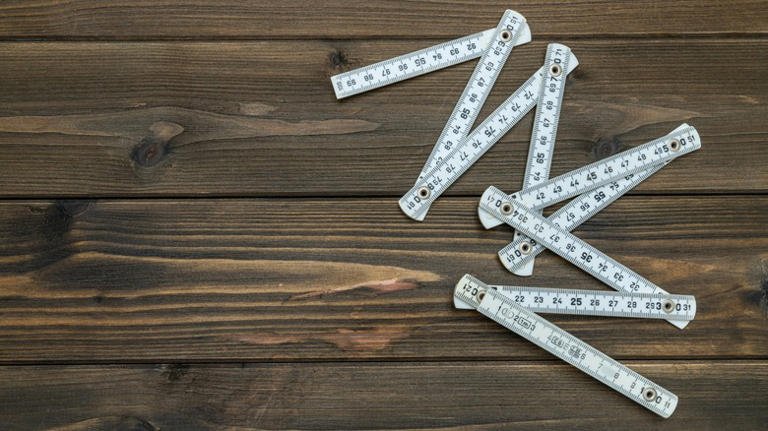
Are you ready to make your home projects easier and more precise? A folding ruler could be your new best friend.
It’s simple, handy, and perfect for measuring tight spots where a tape measure won’t fit. In this guide, you’ll discover how to use a folding ruler like a pro, avoid common mistakes, and get the most accurate results every time.
Whether you’re fixing, building, or decorating, mastering this tool will save you time and frustration. Keep reading to unlock tips that will change the way you measure forever.
Credit: www.msn.com
Choosing The Right Folding Ruler
A folding ruler is a handy tool for home projects. Picking the right one makes measuring easier and more accurate.
Consider factors like material, measurement units, and length before buying. These affect how well the ruler fits your needs.
Materials And Durability
Folding rulers come in different materials. Wood, plastic, and metal are common choices. Each has its pros and cons.
- Wood:Strong and traditional but may warp if wet.
- Plastic:Lightweight and cheap but can break easily.
- Metal:Very durable and stable but heavier.
Measurement Units
Check if the ruler shows metric, imperial, or both units. Use the units that match your project plans.
| Type | Common Use |
| Metric (cm/mm) | Works well for most home projects |
| Imperial (inches) | Used often in the US and woodworking |
| Dual Scale | Good for projects needing both units |
Length And Segment Size
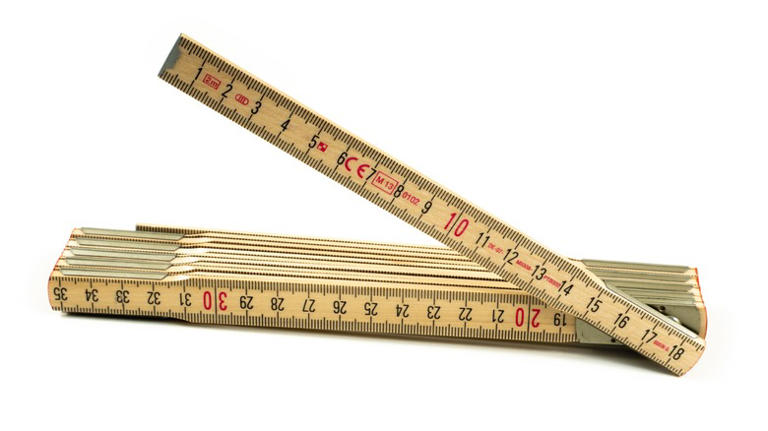
Folding rulers have segments joined by hinges. The length and size of these segments affect ease of use.
- Short segments fold compactly but may be less stable.
- Long segments offer smoother measuring but take more space.
- Choose segment size based on where you will use the ruler most.

Credit: www.youtube.com
Setting Up Your Folding Ruler
A folding ruler is a handy tool for many home projects. It helps you measure spaces and objects accurately. Before you start, you need to set it up correctly.
This guide will explain how to unfold the ruler, use its locking parts, and keep your measurements exact.
Unfolding Techniques
To unfold the folding ruler, open each segment carefully. Avoid forcing the joints to prevent damage. Lay the ruler flat on a surface for best use.
- Start from one end and open each fold slowly.
- Make sure each segment clicks into place.
- Check for smooth movement between joints.
- Do not bend the ruler backward.
Locking Mechanisms
Most folding rulers have locking parts that hold segments tight. These locks keep the ruler steady while measuring. Know how to use them to avoid errors.
| Lock Type | How It Works | Tip |
| Hinge Lock | Clicks when folded fully | Listen for the click |
| Slide Lock | Slide to fix position | Slide gently |
| Button Lock | Press button to release | Keep button clean |
Maintaining Accuracy
Keeping your ruler accurate is key for good results. Clean and check your ruler often. Avoid dropping it or bending it.
- Wipe the ruler with a soft cloth after use.
- Store it folded in a dry place.
- Check for any loose joints before measuring.
- Replace worn parts to keep accuracy.
Measuring Surfaces And Edges
Using a folding ruler helps you measure surfaces and edges with ease. It is a handy tool for many home projects. You can measure wood, walls, and furniture accurately.
This guide covers different ways to measure straight lines, curves, and tight spaces. Each method works well for specific shapes and areas.
Straight Lines
To measure straight lines, fully extend the folding ruler. Place it along the edge or surface you want to measure. Keep the ruler flat and read the measurement at the endpoint.
- Unfold the ruler completely.
- Lay it along the surface or edge.
- Ensure the ruler is straight and flat.
- Read the measurement at the end.
Curves And Angles
Measuring curves and angles requires folding the ruler at the joints. Adjust the ruler to follow the curve or angle. Add the lengths of each folded segment to get the total measurement.
| Step | Action |
|---|---|
| 1 | Fold the ruler to match the curve or angle. |
| 2 | Measure each straight segment separately. |
| 3 | Add all segment lengths for total size. |
Tight Spaces
Folding rulers work well in tight spaces. Fold the ruler to a smaller size. Insert it into narrow gaps or corners. Carefully open or adjust it to measure without damage.
Tips for tight spaces:
- Fold the ruler to fit the space.
- Use gentle pressure to avoid breaking joints.
- Measure by touching both edges carefully.
Marking And Recording Measurements
Accurate marking and recording help you keep track of measurements for home projects. Using the right tools and methods avoids mistakes and saves time.
This guide covers how to mark measurements clearly and record them correctly. Follow these tips for better results with your folding ruler.
Using Pencils And Markers
Choose a pencil or marker that shows clearly on your work surface. A fine pencil works well on wood and drywall. Use a permanent marker for metal or plastic.
Keep your pencil sharp for precise marks. Avoid thick lines that can cause confusion.
Noting Measurements Clearly
Write down measurements right after you take them. Use a notebook or a piece of scrap wood to record numbers.
- Write measurement numbers large and clear
- Use a consistent unit, like inches or centimeters
- Label each measurement with what it refers to
- Double-check numbers before cutting or drilling
Avoiding Common Errors
| Common Error | How to Avoid It |
|---|---|
| Reading the ruler wrong side | Always start measuring from zero on the correct side |
| Mixing units | Use one unit system for all measurements |
| Smudging marks | Let pencil or marker dry before moving the ruler |
| Not recording measurements | Write measurements down immediately after measuring |
Folding Ruler Maintenance
Keeping your folding ruler in good shape helps it last longer. Proper care keeps measurements accurate.
Regular maintenance prevents damage and ensures smooth use during home projects.
Cleaning Tips
Clean your folding ruler after use to remove dirt and dust. Use a soft cloth to avoid scratches.
For sticky spots, gently wipe with a damp cloth and mild soap. Dry it fully before folding.
- Use a soft, dry cloth for daily cleaning
- Apply mild soap for tough dirt
- Keep it dry to prevent rust
- Avoid harsh chemicals or abrasives
Storage Recommendations
Store your folding ruler in a dry place to stop rust and warping. Keep it folded to save space.
Use a tool box or drawer where it won’t get crushed or bent. Avoid extreme temperatures.
- Store folded to protect joints
- Keep away from moisture and heat
- Use a dedicated tool case or drawer
- Do not place heavy objects on top
Inspecting For Wear And Tear
Check your folding ruler often for cracks or loose parts. Damaged rulers can give wrong measurements.
Look at the hinges and markings carefully. Replace or repair if you find any problems.
- Check hinges for smooth movement
- Look for cracks in wood or plastic
- Ensure measurement marks are clear
- Fix or replace damaged parts promptly
Safety Tips While Using Folding Rulers
Using a folding ruler can make home projects easier and more accurate. It is important to follow safety tips to avoid injuries.
Folding rulers have joints and edges that need careful handling. Keep safety in mind to protect yourself and others.
Handling Sharp Edges
Some folding rulers have sharp edges or corners. Always hold the ruler by the flat sides to avoid cuts.
Inspect the ruler before use. If edges are rough or damaged, smooth them with sandpaper or replace the ruler.
- Hold the ruler carefully to avoid cuts.
- Check edges for rough spots before use.
- Fix or replace damaged rulers.
Avoiding Pinch Points
Folding rulers have joints that can pinch your skin when closing or opening. Keep fingers away from these joints.
Open and close the ruler slowly to control the movement. This reduces the risk of pinching your fingers.
- Keep fingers clear of folding joints.
- Open and close the ruler slowly.
- Use both hands to control movement.
Safe Storage Practices
Store your folding ruler in a safe place to keep it in good condition and avoid accidents. Use a toolbox or drawer.
Keep the ruler folded when not in use. This protects the edges and prevents it from opening unexpectedly.
- Store in a toolbox or drawer.
- Keep the ruler folded when not used.
- Place out of reach of children.
Advanced Techniques For Precision
Using a folding ruler can improve your home project measurements. Advanced techniques help you measure with more accuracy.
These methods work well for tricky shapes and exact layouts. They also help combine the ruler with other tools.
Combining With Other Tools
Pair your folding ruler with a level or square for better precision. This combination helps keep lines straight and angles correct.
Use a pencil and marking gauge along with the ruler to mark exact points. This avoids measurement mistakes during cutting or drilling.
- Check angles with a carpenter’s square
- Use a spirit level for horizontal or vertical lines
- Mark measurements with a sharp pencil or marking knife
Measuring Irregular Objects
Folding rulers bend to fit around curves and uneven surfaces. This makes them useful for odd-shaped objects.
Extend the ruler segment by segment along the object’s shape. Add each segment’s length to get the total measurement.
- Place the ruler flat on the surface
- Fold at joints to follow curves
- Write down each measurement segment
- Add all segments for the full length
Using Folding Rulers For Layouts
Folding rulers help mark out project layouts on walls or floors. They are easy to adjust for large or small areas.
Use the ruler to measure distances and mark points for drilling, cutting, or placing objects. Fold and unfold to measure longer spaces.
- Measure and mark key points clearly
- Use folding joints to extend measurement range
- Double-check measurements before cutting or drilling

Credit: www.familyhandyman.com
Frequently Asked Questions
What Is A Folding Ruler Used For In Home Projects?
A folding ruler is a compact measuring tool ideal for precise measurements. It helps measure lengths and angles during woodworking, crafting, and repairs at home. Its foldable design makes it easy to carry and store, perfect for various DIY projects.
How Do You Properly Fold And Unfold A Folding Ruler?
To fold, align each segment and fold carefully at the joints. Unfold by straightening each segment until the ruler is fully extended. Avoid forcing the joints to prevent damage. Proper handling ensures accurate measurements and extends the ruler’s lifespan.
Can A Folding Ruler Measure Both Short And Long Distances?
Yes, a folding ruler can measure short and long distances. Its multiple hinged segments allow it to extend to various lengths. This flexibility makes it suitable for measuring small items and larger surfaces in home projects.
How Accurate Is A Folding Ruler Compared To A Tape Measure?
A folding ruler offers high accuracy for straight measurements. It is rigid, reducing errors from bending unlike some tape measures. However, for very long or curved surfaces, tape measures might be more practical. Both tools complement each other in home projects.
Conclusion
A folding ruler proves handy for many home projects. Its compact size and versatility make it essential. You can measure various materials with ease. Simple to use and store. Perfect for both beginners and experts. Ensure accurate measurements every time.
A folding ruler is an affordable tool. Essential for DIY enthusiasts. From woodworking to crafting, its uses are endless. Choosing the right one boosts your project success. Remember to handle it carefully. Keep it clean for longer use. Investing in a good folding ruler is wise.
Your home projects will thank you.