Measuring your walls might seem simple, but one small mistake can lead to big problems later. Whether you’re planning to hang pictures, install shelves, or paint a room, getting accurate measurements is key.
You don’t want to waste time or money on materials that don’t fit right. You’ll discover easy tips to measure your walls like a pro using just a tape measure. By the end, you’ll feel confident and ready to tackle your project with precision.
Let’s make sure your next step is the right one.
Choosing The Right Tape Measure
Measuring walls accurately is important for any project. Using the right tape measure helps you get the best results. This guide will help you pick the right tape measure for your needs.
There are many types of tape measures. You also need to think about the length, width, and material. Each factor affects how well your tape measure works.
Types Of Tape Measures
Tape measures come in different styles. Some are better for small jobs, while others fit big projects. Here are common types you can choose from.
- Standard Tape Measure:Flexible, easy to use for most wall measurements.
- Steel Tape Measure:Sturdy and long, good for large or outdoor walls.
- Cloth Tape Measure:Soft and flexible, best for curved surfaces but less durable.
- Laser Tape Measure:Uses laser for quick, precise measurements but needs batteries.
Length And Width Considerations
| Feature | Why It Matters | Recommendation |
|---|---|---|
| Length | Must cover the full length of your wall or space. | Choose 25 feet or longer for average walls. |
| Width | Wider tape is easier to read and less likely to bend. | Pick a tape about 1 inch wide for better handling. |
Material And Durability
Material affects how long your tape measure lasts. It also matters if you use it indoors or outdoors. Look for these material traits.
- Steel Blade:Resists bending and breaking, good for heavy use.
- Plastic Case:Lightweight but may crack if dropped.
- Rubberized Grip:Adds comfort and prevents slipping.
- Rust Resistance:Important for outdoor use or humid areas.
Preparing For Measurement
Measuring walls accurately starts with good preparation. Taking the right steps helps avoid mistakes.
Prepare your space and tools before you begin to measure. This saves time and gives better results.
Clearing The Wall Area
Remove any furniture or objects near the wall. This lets you reach the wall easily without obstacles.
Clear space helps you see the entire wall surface. It also prevents damage to your items or the wall.
- Move chairs, tables, and decorations away from the wall
- Clear the floor near the wall for better footing
- Ensure good lighting to see the wall clearly
Gathering Necessary Tools
Collect all tools needed for measuring before starting. This keeps you organized and ready.
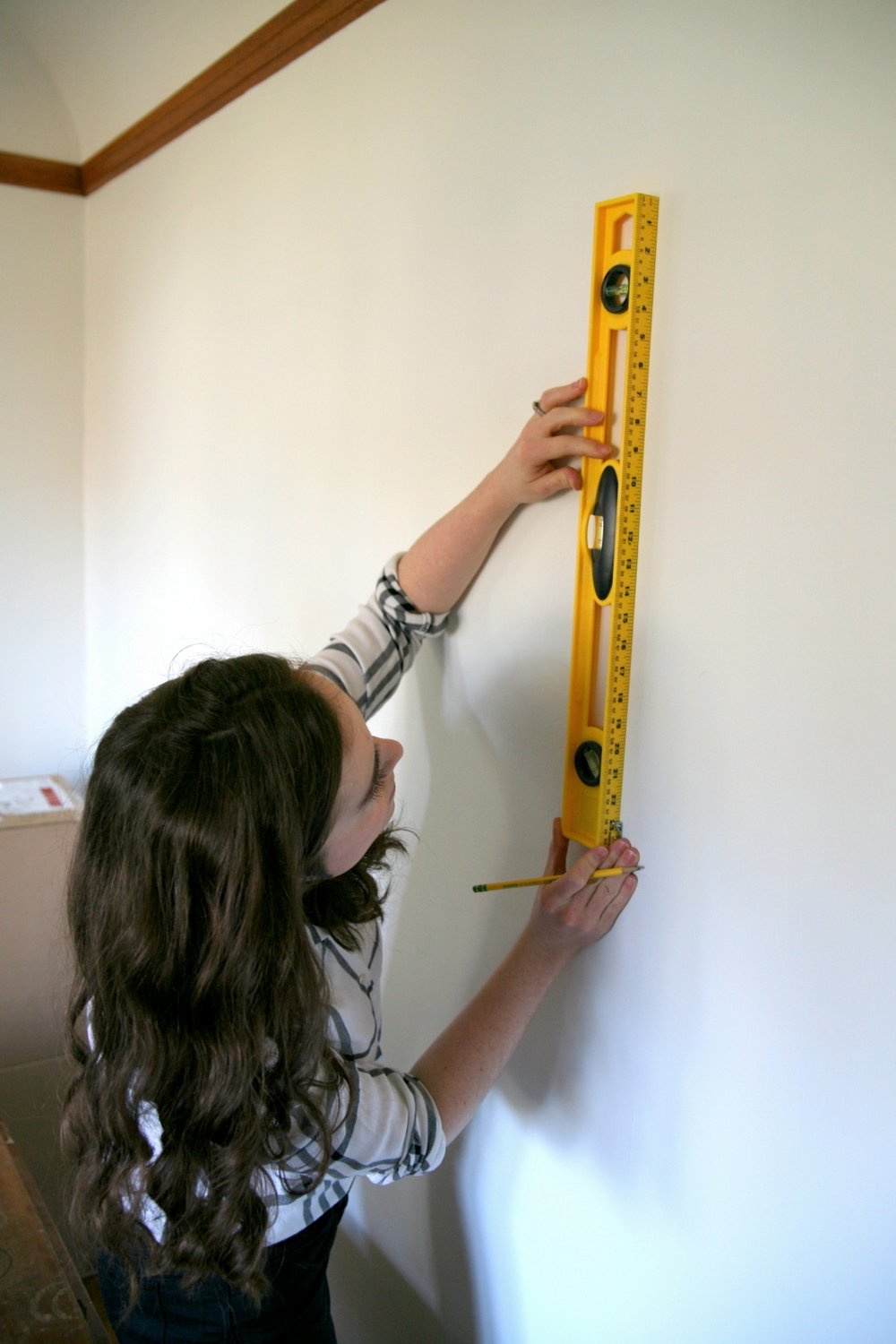
Besides the tape measure, have a pencil, paper, and level handy. These help you mark and check measurements.
- Tape measure (preferably 25 feet or longer)
- Pencil or chalk for marking points
- Notepad or paper to write down numbers
- Level tool to check straight lines (optional)
Marking Reference Points
Mark points on the wall to guide your measurements. These help you measure in straight lines.
Use a pencil to make small marks at key places. Mark corners, edges, and any changes in wall shape.
- Mark where the wall meets the ceiling and floor
- Note corners and wall edges
- Mark spots where measurements begin and end
Proper Measuring Techniques
Measuring walls correctly is important for any project. Using a tape measure the right way helps you get exact results. It saves time and reduces mistakes.
Follow these tips to measure walls with a tape measure. Focus on starting points, keeping the tape straight, and avoiding common errors.
Starting At The Right Edge
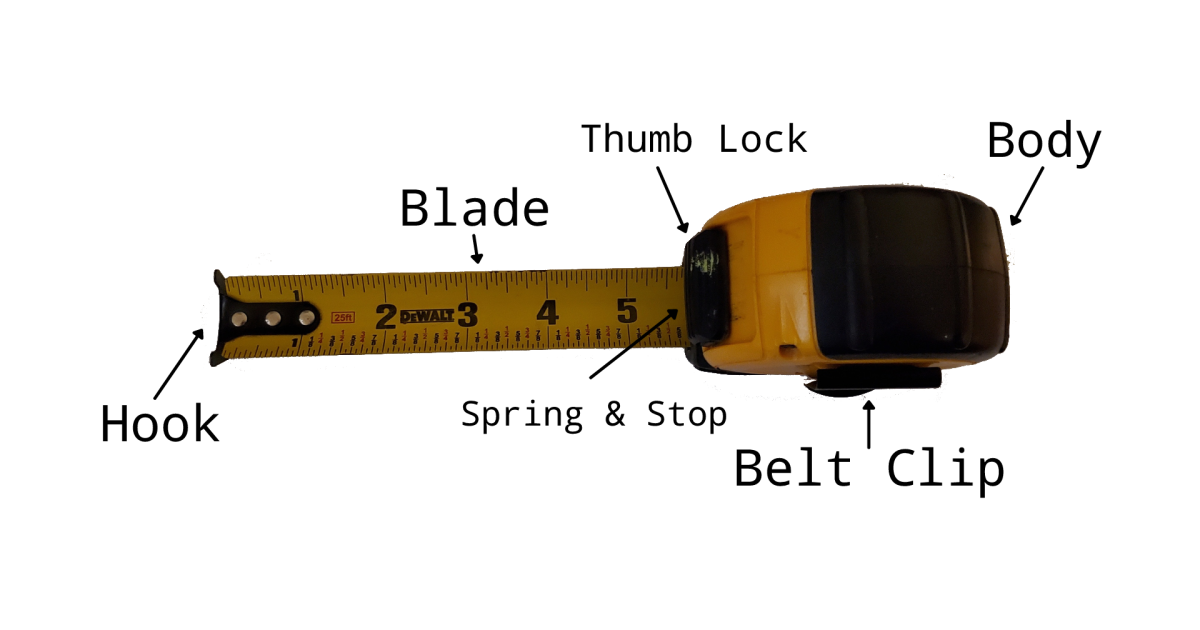
Always place the tape measure hook firmly at the edge of the wall. This ensures the measurement begins exactly where you want it. Hold the hook tight to avoid slipping.
Keeping The Tape Straight
Keep the tape measure straight along the wall surface. Bending or angling the tape can cause wrong measurements. Use your free hand to hold the tape flat and steady.
- Pull the tape straight without twisting
- Press the tape gently against the wall
- Check from above or the side to see if it is flat
- Keep your eyes level with the tape for accuracy
Avoiding Tape Sag And Bends
When measuring long walls, tape sagging or bending can change the length. Keep the tape tight and supported to avoid this problem.
| Common Issue | How to Fix |
| Tape sags in the middle | Use a helper to hold the tape at intervals |
| Tape bends around corners | Measure in straight sections and add lengths |
| Tape slips from edge | Secure the hook firmly before measuring |
Recording Measurements Accurately
Measuring walls with a tape measure is simple if you pay close attention. Accurate recording helps you avoid mistakes later.
Taking time to note measurements clearly saves you from costly errors. Use these tips to record your wall sizes correctly.
Reading The Tape Markings
Tape measures have many small lines that show inches and fractions. Learn to read these marks to get exact lengths.
Look closely at the numbers and lines. The longest lines show whole inches. Shorter lines show fractions like 1/2 or 1/4 inches.
- Big numbers = whole inches
- Long lines = 1/2 inch
- Medium lines = 1/4 or 3/4 inch
- Short lines = 1/8, 1/16 inch
Noting Fractions And Decimals
Sometimes you will see measurements in fractions or decimals. Write them down clearly to avoid confusion.
If your tape shows 5 3/8 inches, write “5 3/8” or convert to decimal as 5.375 inches. Choose the format you understand best.
- Write fractions like 1/2, 3/8 clearly
- Convert fractions to decimals if easier
- Use a notebook or phone to record
- Keep your notes organized by wall
Double-checking Measurements
Always measure each wall twice. This helps catch mistakes and confirms your numbers are correct.
Check your notes as you go. If two measurements differ, measure again to find the right size.
- Measure walls at least twice
- Compare each measurement carefully
- Fix any differences by measuring again
- Write final numbers clearly
Handling Common Challenges
Measuring walls with a tape measure can be tricky. Obstacles, uneven surfaces, and long walls create common problems. Knowing how to handle these issues helps get accurate results.
This guide covers tips for measuring around obstacles, dealing with uneven surfaces, and measuring long walls. Use these techniques to improve your measuring skills.
Measuring Around Obstacles
Walls often have windows, doors, or pipes that block a straight measurement. Measure each section separately and add the numbers together for the total length.
- Measure from the start of the wall to the obstacle edge.
- Measure the obstacle’s width.
- Measure from the obstacle’s other edge to the wall end.
- Add all measurements for the full length.
Dealing With Uneven Surfaces
Uneven surfaces cause tape measures to bend or slip. Use a level surface or a straight board as a guide to get a more accurate reading.
Measuring Long Walls
Long walls can be hard to measure with a single stretch of tape. Break the measurement into smaller parts and add them up for the total length.
| Tip | Description |
| Use a helper | Have someone hold the tape at one end for stability. |
| Mark intervals | Mark every 5 or 10 feet to keep track of measurements. |
| Double-check | Measure twice to confirm accuracy. |

Credit: www.youtube.com
Using Technology To Enhance Accuracy
Measuring walls with a tape measure can be tricky. Technology helps make measurements more accurate and easier.
Using digital tools reduces errors and saves time. It also helps with tricky spots and long distances.
Digital Tape Measures
Digital tape measures show measurements on a small screen. This makes reading numbers easier and clearer.
They often have buttons to switch units and store measurements. This helps keep track without writing them down.
- Clear digital display reduces reading mistakes
- Unit conversion buttons save time
- Memory feature stores multiple measurements
- Some models include backlight for low light
Measuring Apps And Tools
Measuring apps use your phone camera to measure walls. They use augmented reality to show distances on screen.
Apps can save measurements, add notes, and share results. This helps organize projects and share details easily.
- Use phone camera to measure lengths
- Save and label multiple measurements
- Share measurements via email or messages
- Some apps include tutorials and tips
Laser Distance Meters
Laser distance meters send a laser beam to measure distance. They provide very fast and accurate results.
These devices work well for long walls or hard-to-reach places. Many show results on a screen instantly.
- Measures distances quickly with laser beam
- Great for long or high walls
- Often includes memory to save numbers
- Easy to use with one hand
Maintaining Your Tape Measure
Keeping your tape measure in good shape helps you get accurate results. Regular care extends its life and performance.
Simple maintenance steps prevent damage and keep your tape measure working smoothly for every job.
Cleaning And Storage Tips
Clean your tape measure after use. Dirt and dust can cause problems.
Store it in a dry place to stop rust and damage. Avoid leaving it in direct sunlight or wet areas.
- Wipe the tape with a soft cloth
- Use mild soap and water if needed
- Dry the tape completely before storing
- Keep the tape measure in a case or toolbox
Preventing Wear And Tear
Handle your tape measure gently. Pull the tape out slowly to avoid bending or snapping.
Do not force the tape to rewind quickly. Let it roll back naturally to protect the spring inside.
- Avoid dropping the tape measure
- Do not stretch the tape beyond its limit
- Keep the tape flat and avoid kinks
- Check the hook for tightness and damage
Calibration And Repairs
Check the accuracy of your tape measure regularly. Measure a known length to test it.
If your tape is off, get it fixed or replaced. Small repairs can keep it accurate and safe to use.
- Compare tape length with a ruler or known standard
- Look for worn or loose markings
- Replace damaged hooks
- Consult a professional for major repairs

Credit: www.reddit.com
Credit: dengarden.com
Frequently Asked Questions
How Do I Measure Walls Accurately With A Tape Measure?
To measure walls accurately, start at one corner and stretch the tape to the opposite corner. Keep the tape straight and level. Record measurements carefully and double-check for accuracy before marking or cutting materials.
What Tape Measure Length Is Best For Wall Measurements?
A tape measure at least 25 feet long is ideal for measuring most walls. Longer tapes help measure large rooms without moving the tape multiple times, ensuring more accurate and efficient measurements.
How Can I Avoid Errors When Measuring Wall Length?
Avoid errors by keeping the tape measure taut and straight. Measure twice to confirm results. Use a pencil to mark key points and avoid bending or twisting the tape during measurement.
Should I Measure Walls From Floor Or Ceiling?
Measure walls from floor to ceiling for height and from corner to corner for length. This ensures you capture full wall dimensions for accurate room planning and material estimation.
Conclusion
Measuring walls with a tape measure can be simple. Use these tips. First, ensure your tape measure is straight. Second, measure twice for accuracy. Avoid mistakes by recording each measurement. Pay attention to corners and obstacles. Practice helps you become more precise.
These methods save time and effort. Accurate measurements lead to better results. Whether for painting or renovating, precise measurements matter. Applying these tips makes your project smoother. Keep your tape measure handy. Happy measuring!