Are you working with copper pipes and wondering how to get the job done right? One important step you can’t skip is deburring.
If you don’t remove those sharp, rough edges inside your pipes, you could face leaks, blockages, or even damage to your plumbing system. But don’t worry—deburring copper pipes is easier than you think. You’ll discover simple, effective ways to make your pipes smooth and safe, saving you time, money, and frustration.
Keep reading, and you’ll learn exactly how to get perfect results every time.
Tools Needed
Deburring copper pipes is an important step to ensure smooth pipe connections. You need the right tools to remove sharp edges and burrs safely.
Using proper tools helps prevent damage to the pipe and improves the fit of fittings. Let’s explore the types of deburring tools available.
Types Of Deburring Tools
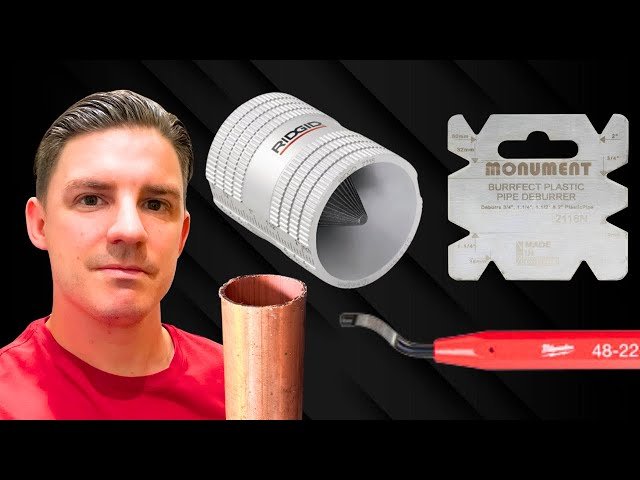
There are several tools to deburr copper pipes. Each tool works in a different way to smooth pipe edges.
- Deburring knives: Handheld blades designed to scrape burrs off pipe ends.
- Rotary deburrers: Tools with spinning blades that remove burrs quickly.
- Reamers: Cone-shaped tools inserted into the pipe to smooth inside edges.
- Sandpaper or files: Used to manually smooth pipe surfaces and edges.
Choosing The Right Tool For Copper Pipes
Choose a deburring tool based on pipe size and your comfort level. Smaller pipes need precise tools like reamers or knives.
For larger pipes, rotary deburrers or files work well. Pick a tool that fits the pipe diameter and removes burrs without damaging the copper.
- Use deburring knives for small, precise work.
- Try rotary deburrers for faster removal on larger pipes.
- Reamers work best for inside edge smoothing.
- Sandpaper and files help with rough edges and finishing touches.

Credit: www.youtube.com
Preparing The Pipe
Preparing copper pipes properly is important before deburring. It helps ensure clean joints and good water flow.
Start by cutting and cleaning the pipe ends carefully. This makes the deburring process easier and more effective.
Cutting Copper Pipes Cleanly
Use a pipe cutter or hacksaw to cut copper pipes. Make sure the cut is straight and smooth to reduce rough edges.
Hold the pipe steady while cutting. Avoid twisting or bending the pipe, which can cause dents or cracks.
- Mark the cutting spot clearly with a marker.
- Rotate the pipe cutter evenly around the pipe.
- Apply steady pressure to avoid crushing the pipe.
- Remove burrs from the outside edge right after cutting.
Cleaning The Pipe Ends
Clean the pipe ends to remove dirt, oil, and oxidation. This improves the connection and prevents leaks.
Use sandpaper or a wire brush to clean the surface. Wipe the pipe with a clean cloth to remove dust.
- Use fine-grit sandpaper for best results.
- Clean both inside and outside pipe edges.
- Remove all debris before fitting pipes together.
Deburring Process
Deburring copper pipes is important to remove sharp edges. It makes the pipes safe to handle and fit better.
The deburring process smooths the cut edges inside and outside the pipe. This helps prevent leaks and damage.
Using A Deburring Tool
A deburring tool is designed to clean sharp edges from copper pipes. It has a rotating blade that scrapes the pipe’s edge.
To use the tool, insert it into the pipe end and twist it around. This removes burrs inside and outside the pipe.
- Hold the pipe steady
- Insert the deburring tool fully
- Rotate the tool several times
- Check for smooth edges
- Clean the pipe with a cloth
Alternative Methods For Deburring
If you do not have a deburring tool, you can use a few other items. Sandpaper and a round file work well for small jobs.
Run sandpaper or a file along the pipe edges. Make sure to remove all sharp bits inside and outside the pipe.
- Use fine sandpaper or a small round file
- Work gently to avoid damaging the pipe
- Check edges often for smoothness
- Remove all metal shavings after
Safety Tips During Deburring
Wear gloves to protect your hands from sharp edges. Use eye protection to stop metal bits from hitting your eyes.
Work in a clean, well-lit area. Keep your tools sharp and in good condition to avoid accidents.
- Wear cut-resistant gloves
- Use safety glasses or goggles
- Keep your workspace clean
- Handle tools carefully
- Dispose of metal scraps properly
Checking For Smoothness
After deburring copper pipes, it is important to check their smoothness. Smooth edges ensure proper pipe fitting and prevent damage.
This guide explains how to check copper pipes for smoothness using simple techniques.
Visual Inspection Techniques
Look closely at the pipe edges after deburring. Check if any sharp burrs or rough spots remain.
Good lighting helps to see small imperfections. Use a flashlight or bright lamp to inspect the pipe ends carefully.
- Check for uneven edges or metal flakes
- Look for scratches or dents near the pipe ends
- Ensure the surface looks smooth and clean
Testing Pipe Fit
Test the pipe fit by gently inserting the pipe into the fitting. It should slide in smoothly without resistance.
If the pipe feels rough or tight, it may need more deburring. Smooth edges prevent leaks and make assembly easier.
- Insert pipe slowly into fitting
- Check for any catching or resistance
- Remove pipe and feel edges for roughness
- Repeat deburring if needed
Maintaining Tools And Pipes
Proper care of your tools and copper pipes keeps your work safe and efficient.
Cleaning and storing them correctly helps avoid damage and extends their life.
Cleaning Deburring Tools
Remove metal shavings and dirt from your deburring tools after each use.
- Use a soft brush to clean the blades gently.
- Wipe the tool with a dry cloth to remove moisture.
- Apply a light oil coat to prevent rust.
- Check the blades for dullness and replace if needed.
Storing Copper Pipes Properly
Store copper pipes in a dry, cool place away from direct sunlight.
| Storage Tip | Reason |
|---|---|
| Keep pipes off the ground | Prevents moisture contact and corrosion |
| Stack pipes horizontally | Stops bending and damage |
| Cover pipes with a cloth or tarp | Keeps dust and dirt away |
| Avoid stacking heavy objects on pipes | Prevents dents and deformation |

Credit: www.reedmfgco.com
Credit: www.oatey.com
Frequently Asked Questions
What Tools Do I Need To Deburr Copper Pipes?
You need a deburring tool, a utility knife, or sandpaper. These tools efficiently remove sharp edges from copper pipe ends. Proper tools ensure smooth pipe connections and prevent leaks or damage during installation.
How Do I Safely Deburr Copper Pipes?
Wear gloves and eye protection to avoid injury. Use a deburring tool in a slow, controlled motion. Remove all burrs to ensure a clean, smooth pipe edge for better fitting.
Why Is Deburring Copper Pipes Important?
Deburring removes sharp edges and metal shards. It prevents damage to fittings and ensures leak-free joints. Proper deburring also extends the lifespan of your copper plumbing system.
Can I Deburr Copper Pipes Without Special Tools?
Yes, you can use sandpaper or a utility knife carefully. However, a dedicated deburring tool provides faster, cleaner results. Proper deburring is crucial for secure pipe connections.
Conclusion
Deburring copper pipes is a simple but crucial task. It ensures smooth water flow and prevents leaks. Use the right tools for the best results. Focus on safety, wearing gloves and goggles. Practice regularly to improve your technique. A clean pipe means better plumbing performance.
Remember, patience and precision are key. Start with small projects to build confidence. Soon, you’ll handle larger tasks with ease. Happy plumbing!