
Are you ready to bend pipes like a pro without risking injury or ruining your materials? Knowing how to use a pipe bender safely is key to getting the job done right and protecting yourself at the same time.
Whether you’re a beginner or just want to sharpen your skills, this guide will walk you through simple, effective steps to handle your pipe bender with confidence. Keep reading, and you’ll discover tips that make your work easier, faster, and safer—so you can focus on creating perfect bends every time.
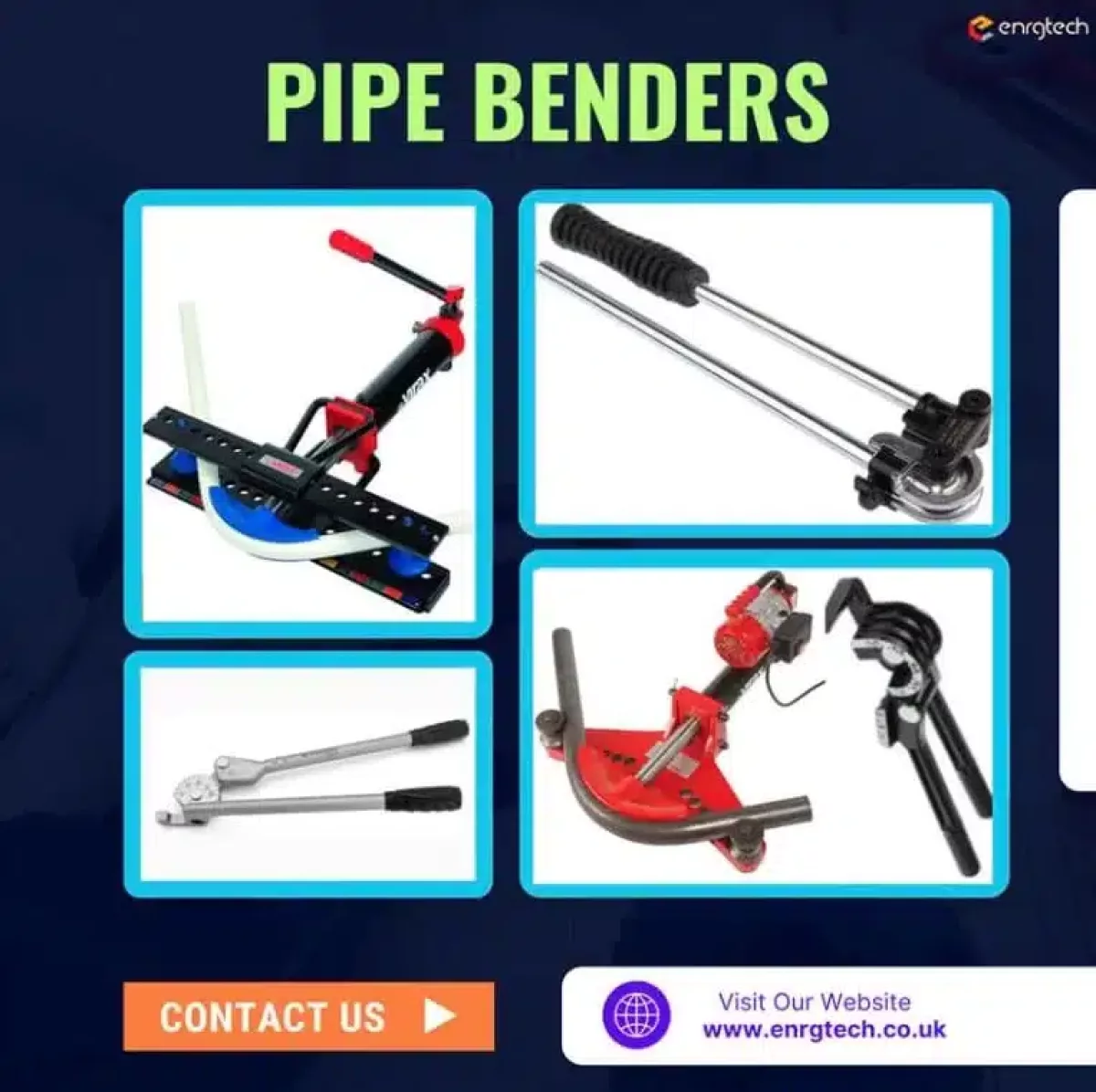
Choosing The Right Pipe Bender
Using a pipe bender safely starts with choosing the right tool. The right pipe bender makes the job easier and safer.
Different pipe benders suit different types of pipes and tasks. Learn how to pick the best one for your needs.
Manual Vs. Hydraulic Benders
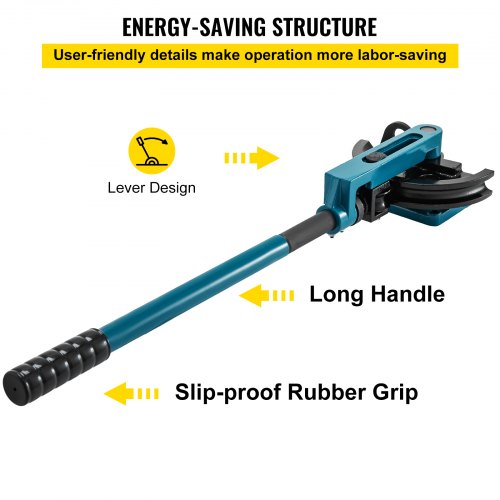
Manual benders use your strength to bend pipes. They are simple and good for small jobs.
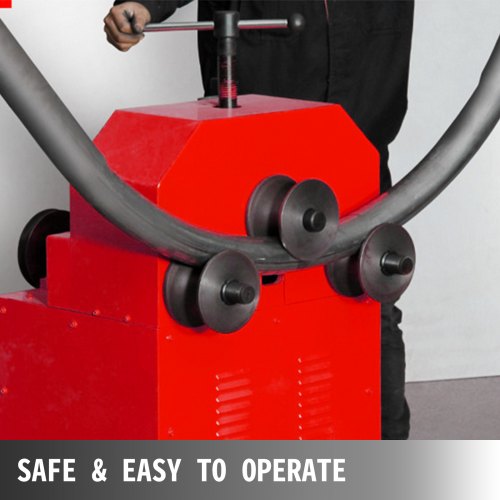
Hydraulic benders use fluid pressure to bend pipes. They work well for thick or large pipes.
- Manual benders are lightweight and easy to carry.
- Hydraulic benders need less force from the user.
- Hydraulic tools cost more but save effort on tough pipes.
Selecting Based On Pipe Material
Different pipe materials need different bending methods. Choose a bender made for your pipe type.
Soft metals like copper bend easily with manual benders. Hard metals like steel need hydraulic power.
- Copper and aluminum: manual benders usually work well.
- Steel and iron: hydraulic benders are safer and more effective.
- Plastic pipes: use benders designed for flexible materials.
Size And Capacity Considerations
Check the size and capacity of the pipe bender before buying. The tool must fit the pipe size you plan to bend.
Using a bender too small can damage the pipe or tool. A bender too large may be hard to control.
| Pipe Diameter | Recommended Bender Type | Capacity Needed |
|---|---|---|
| Up to 1 inch | Manual Bender | Light to medium force |
| 1 to 2 inches | Manual or Hydraulic | Medium force |
| Over 2 inches | Hydraulic Bender | High force |
Credit: www.enrgtech.co.uk
Preparing Your Workspace
Using a pipe bender safely starts with a good workspace setup. A clean and organized area helps prevent accidents and makes work easier.
Take time to prepare your space before you begin bending pipes. This will keep you safe and improve your work quality.
Clearing The Area
Remove all unnecessary tools and objects from your workspace. Clutter can cause trips or distractions while bending pipes.
Keep only the tools and materials you need close to your work area. This reduces reaching and helps maintain focus.
Ensuring Proper Lighting
Good lighting helps you see the pipe and bender clearly. Poor light can cause mistakes or injuries.
Use bright, even light that does not create shadows. If possible, work near a window or use a strong lamp.
Setting Up Safety Barriers
Set up barriers to keep others away from your work zone. This stops accidental bumps or distractions while you bend pipes.
Use cones, tape, or signs to mark your workspace clearly. Make sure the area is large enough to move safely.
Personal Protective Equipment
Using a pipe bender can be dangerous without the right gear. Personal protective equipment keeps you safe from injuries.
It is important to wear gloves, eye protection, and suitable clothing. Hearing protection also helps reduce noise risks.
Gloves And Eye Protection
Gloves protect your hands from sharp edges and pinches. Choose gloves that fit well and allow good grip.
Eye protection stops debris and metal shavings from hurting your eyes. Safety glasses or goggles are best.
- Wear cut-resistant gloves
- Use safety glasses with side shields
- Replace damaged gloves and goggles immediately
Wearing Appropriate Clothing
Wear clothes that cover your skin to prevent cuts and burns. Avoid loose clothing that can catch in the machine.
| Clothing Type | Why It Matters |
| Long sleeves | Protect arms from sparks and cuts |
| Fitted pants | Prevent fabric from getting caught |
| Closed-toe shoes | Protect feet from heavy pipes |
Using Hearing Protection
Pipe bending can be noisy, which can harm your hearing. Use earplugs or earmuffs to reduce noise levels.
- Choose earplugs that fit comfortably
- Use earmuffs for higher noise environments
- Check hearing protection regularly for damage
Credit: www.vevor.ca
Step-by-step Pipe Bending Process
Bending a pipe correctly takes care and attention. Using a pipe bender safely helps you avoid damage and injury.
Follow simple steps to measure, position, and bend the pipe smoothly. This guide shows you how.
Measuring And Marking The Pipe
Start by measuring the pipe where the bend will go. Use a tape measure for accuracy.
Mark the exact point with a marker or pencil. This mark guides the bending process.
- Measure twice to avoid mistakes
- Use a clear, visible mark
- Keep the pipe clean for better marks
Positioning The Pipe Correctly
Place the pipe in the bender with the mark aligned to the bending die. This ensures the bend is in the right spot.
Secure the pipe firmly to stop it from moving during bending. Loose pipes cause uneven bends and risks.
- Align the mark with the bender’s reference point
- Check that the pipe is straight before bending
- Tighten clamps or handles to hold the pipe steady
Executing The Bend Smoothly
Slowly pull the bender handle to start bending the pipe. Keep steady pressure for a smooth curve.
Stop at the desired angle. Avoid quick or jerky moves to prevent pipe damage or injury.
- Bend at a slow, controlled speed
- Use a protractor to check the angle
- Release pressure gently after bending
Common Mistakes To Avoid
Using a pipe bender requires care and attention. Avoiding common errors helps keep you safe.
This guide highlights key mistakes to prevent damage and injury.
Overbending And Pipe Damage
Bending a pipe too much can cause cracks or weaken it. Overbending makes the pipe unusable.
- Check the bend angle before you start.
- Use the right tools for the pipe size.
- Stop bending once the pipe reaches the correct shape.
- Inspect the pipe for cracks after bending.
Ignoring Material Specifications
Each pipe material has limits for bending. Ignoring these can cause serious damage.
| Material | Max Bend Angle | Risk of Ignoring |
|---|---|---|
| Copper | 90° | Cracks and leaks |
| Steel | 45° | Weak points and breaks |
| Aluminum | 60° | Deformation and cracks |
Unsafe Handling Practices
Handling pipes and tools carelessly can cause injury or damage. Safety rules protect you and your work.
- Always wear gloves and eye protection.
- Keep your workspace clean and clear.
- Do not use damaged or worn tools.
- Hold the pipe firmly but avoid twisting your body.
- Follow the machine instructions carefully.
Maintenance And Storage Tips
Taking care of your pipe bender helps it last longer. Good maintenance keeps it working safely and smoothly.
Proper storage protects the tool from damage. Follow these tips to keep your pipe bender in good shape.
Cleaning After Use
Clean your pipe bender after each use. Dirt and debris can cause parts to wear out faster.
Use a soft cloth to wipe down the tool. Remove grease, dust, and metal shavings carefully.
- Wipe all surfaces with a clean cloth
- Use mild soap and water if needed
- Dry the tool completely to avoid rust
- Apply light oil to moving parts
Regular Inspection For Wear
Check your pipe bender often for signs of damage. Look for cracks, rust, or loose parts.
Inspect the bending dies and handles for wear. Replace worn parts to keep the tool safe and effective.
- Check for cracks or bends in metal parts
- Look for rust spots and clean them
- Test handles and joints for smooth movement
- Tighten any loose screws or bolts
Proper Storage Techniques
Store your pipe bender in a dry place. Avoid areas with high humidity or direct sunlight.
Keep the tool in a case or on a rack. This prevents damage and makes it easy to find when needed.
- Use a toolbox or protective case
- Keep away from moisture and dust
- Store in a cool, dry area
- Hang on a wall rack if possible
Credit: www.vevor.ca
Frequently Asked Questions
How Do I Safely Prepare A Pipe Bender?
First, wear proper safety gear like gloves and goggles. Check the bender for damage. Clear your workspace to avoid hazards. Read the user manual before starting to ensure correct setup and operation.
What Is The Correct Way To Position The Pipe?
Place the pipe firmly in the bender’s groove. Align it precisely with the bending mark. Secure it to prevent slipping. Proper positioning ensures accurate bends and prevents damage to the pipe.
How Much Force Should I Apply When Bending?
Apply steady, even pressure during bending. Avoid sudden or excessive force to prevent pipe damage. Use your body weight to control the bend smoothly. Stop if you feel resistance beyond normal.
Can I Bend All Pipe Materials With A Pipe Bender?
No, pipe benders are designed for specific materials like copper, steel, or aluminum. Check your bender’s specifications. Using it on incompatible materials can cause damage or unsafe bends.
Conclusion
Safety is crucial when using a pipe bender. Always wear protective gear. Keep your work area tidy. Check the pipe bender for damage before use. Follow the instructions closely. Avoid distractions while bending pipes. Practice on scrap materials first. This builds confidence and skill.
Regular maintenance prolongs tool life. It also ensures safe operation. Respect the tool and its power. Safe practices prevent accidents and injuries. Confidence grows with experience. You can bend pipes safely with care. Make safety your priority each time. Enjoy your pipe bending projects safely.
