Are you struggling to remove stubborn nails without damaging your wood or tools? Knowing how to use a crowbar for prying nails can save you time, effort, and frustration.
This simple skill gives you the power to work smarter, not harder, whether you’re fixing up your home or tackling a DIY project. In this guide, you’ll discover easy steps and expert tips that make prying nails safer and more effective.
Ready to turn your crowbar into a nail-removing tool you can trust? Keep reading and master the technique today.
Choosing The Right Crowbar
Using the right crowbar makes prying nails easier and safer. Picking the right type helps you work faster and avoid damage.
This guide covers types, materials, sizes, and grips. Learn what fits best for your prying needs.
Types Of Crowbars
Crowbars come in different shapes and sizes. Each type works better for certain tasks.
- Flat Pry Bar: Thin and flat, good for lifting nails and small objects.
- Gooseneck Crowbar: Has a curved end, perfect for heavy prying and pulling nails.
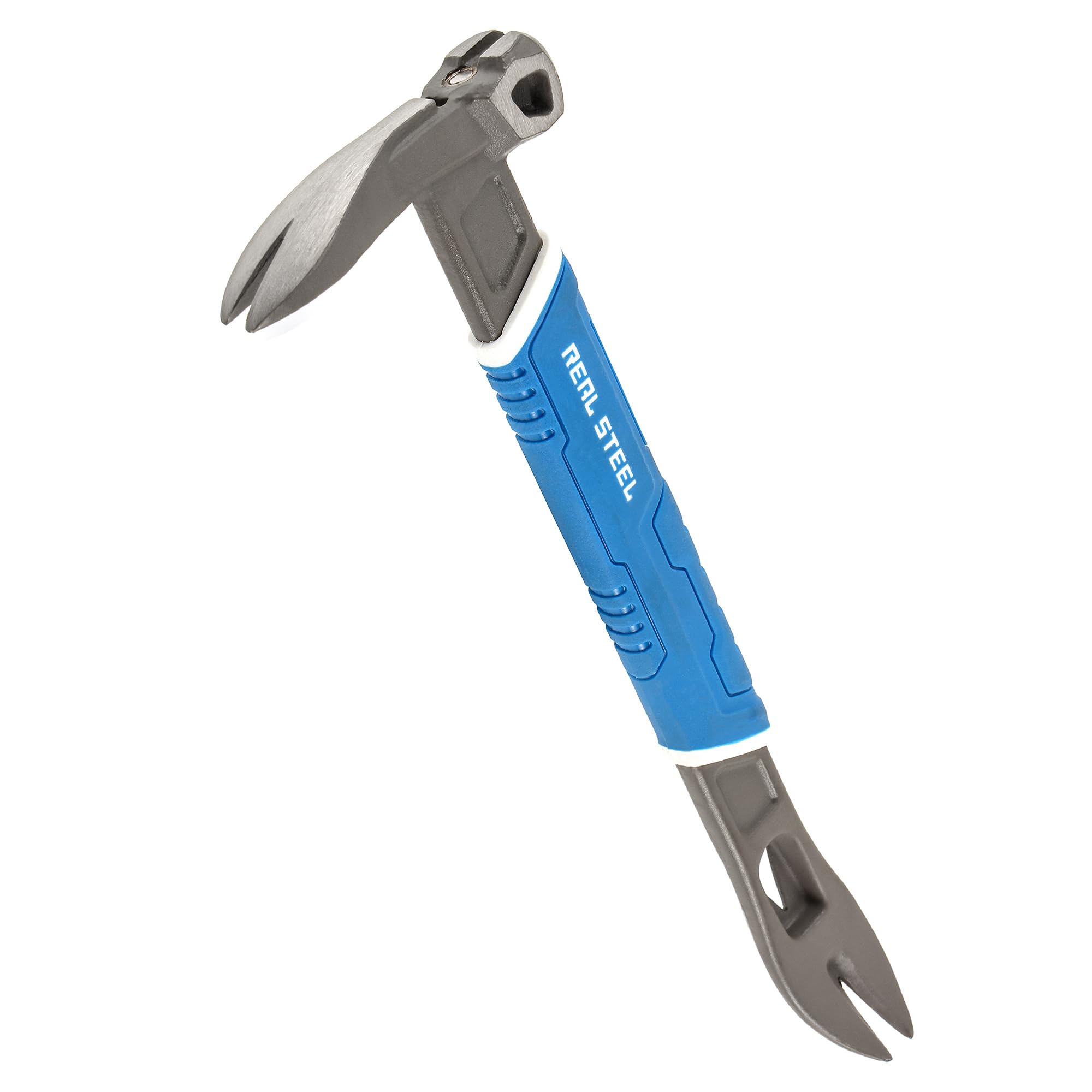
- Claw Bar: Features a claw for pulling out nails easily.
- Pinch Bar: Long and narrow, used for tight spaces and heavy leverage.
Material And Size Considerations
Materials affect the strength and weight of the crowbar. Size changes how much force you can apply.
| Material | Advantages | Disadvantages |
|---|---|---|
| Steel | Strong and durable | Heavier to carry |
| Carbon Steel | Very tough and resistant | May rust without coating |
| Aluminum | Lightweight and rustproof | Less durable under heavy force |
Crowbars range from 12 to 36 inches long. Short bars offer control. Long bars give more leverage.
Handle Grip Options
A good grip keeps your hands safe and steady. Choose grips based on comfort and slip resistance.
- Rubber Grips: Soft and slip-resistant for better hold.
- Plastic Handles: Durable but may get slippery when wet.
- Metal Handles: Strong but can be hard on hands without padding.
- No Grip: Bare metal may cause blisters and reduce control.
Credit: www.amazon.com
Preparing For Nail Removal
Removing nails with a crowbar needs care and preparation. It helps to avoid damage and injury.
This guide covers the main steps to get ready before prying nails safely and efficiently.
Safety Gear Essentials
Wearing the right safety gear protects you from accidents and injuries. Always use protective equipment before starting.
- Wear sturdy gloves to protect your hands from sharp nails and splinters.
- Use safety goggles to shield your eyes from flying debris.
- Wear closed-toe shoes to protect your feet from dropped tools or nails.
- Consider wearing a dust mask if working in dusty or old wood areas.
Inspecting The Work Area
Check the area where you will remove nails to ensure safety and ease of work. Look for hazards and obstacles.
| Check Item | What to Look For |
| Surrounding Objects | Remove loose items to avoid tripping |
| Wood Condition | Look for rotted or weak wood that may break |
| Nail Position | Identify nails deeply embedded or bent |
| Work Space | Ensure enough room to move the crowbar freely |
Positioning The Crowbar
Place the crowbar correctly to get the best leverage and avoid damage. Position it close to the nail head.
- Slide the curved end of the crowbar under the nail head gently.
- Keep the crowbar handle angled away from you for control.
- Use a stable surface to press the crowbar’s fulcrum point.
- Apply steady pressure to pry the nail out slowly.
Techniques For Prying Nails
Using a crowbar to pry nails is a common task in many projects. Doing it right saves time and protects your materials.
This guide explains key techniques to help you remove nails safely and efficiently with a crowbar.
Leveraging For Maximum Force
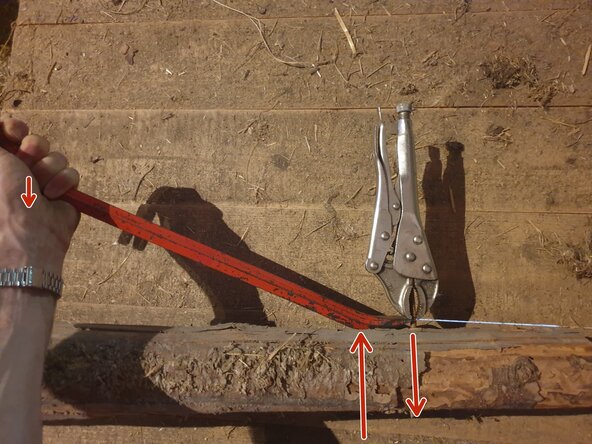
Use the crowbar as a lever to increase the force on the nail. Position the fulcrum close to the nail head for better leverage.
- Place the crowbar’s curved end under the nail head.
- Set the fulcrum (pivot point) near the nail.
- Push down on the handle slowly to lift the nail.
- Move the fulcrum closer if the nail is hard to remove.
Using The Claw End Effectively
The claw end is designed to grip and pull nails. Slide it under the nail head carefully to get a firm hold.
| Tip | How to Do It |
| Insert Claw | Slide the claw under the nail head gently |
| Grip Firmly | Make sure the claw hooks the nail tightly |
| Pull Back | Pull the handle back slowly to lift the nail |
| Repeat If Needed | Reposition the claw for stubborn nails |
Avoiding Damage To Wood
Protecting the wood is important to keep your project looking good. Use care when prying nails to avoid dents and scratches.
Follow these tips to prevent wood damage:
- Place a thin piece of scrap wood between the crowbar and the wood surface.
- Lift nails gently and slowly to reduce pressure.
- Avoid twisting the crowbar harshly.
- Use a rubber mallet to tap the crowbar if needed.
Credit: www.ifixit.com
Dealing With Stubborn Nails
Removing nails can be tough, especially when they are old or rusty. Stubborn nails do not come out easily.
Using the right techniques can help you pry them out without damaging the wood.
Applying Penetrating Oil
Penetrating oil loosens rust and dirt around the nail. It makes pulling easier and safer.
- Apply oil directly on the nail head and shaft.
- Let the oil sit for 15 to 30 minutes.
- Reapply if the nail is very rusty.
- Wipe excess oil before prying to avoid slips.
Tapping The Crowbar Gently
Gently tapping the crowbar helps loosen nails stuck deep in wood. Use a hammer with light taps.
| Tool | Purpose |
| Crowbar | Creates leverage to pry nails |
| Hammer | Gently taps crowbar to break nail hold |
| Penetrating oil | Softens rust and dirt around nails |
Alternative Methods
If nails remain stuck, try these alternate ways to remove them safely.
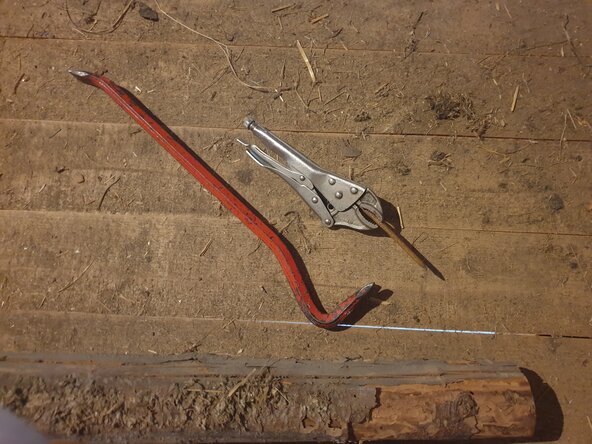
- Use locking pliers to grip and pull nails.
- Cut the nail flush with a metal saw, then remove the wood piece.
- Try a nail puller tool for extra leverage.
- Soak wood in warm water to soften it before prying.
Maintaining Your Crowbar
Keeping your crowbar in good shape helps it last longer. Regular care prevents damage and keeps it safe to use.
This guide covers cleaning, rust prevention, and storage tips for your crowbar.
Cleaning After Use
After using your crowbar, clean off dirt and debris. Use a wire brush or cloth to remove stuck material. Wipe the tool with a damp rag and dry it well to avoid moisture.
Rust Prevention Tips
- Apply a light coat of oil to the metal parts after cleaning.
- Use rust-resistant spray if you store the crowbar in humid places.
- Check for rust spots regularly and remove them with sandpaper.
- Keep the crowbar dry before storing it.
Storage Recommendations
| Storage Method | Benefits |
|---|---|
| Hang on a pegboard | Prevents moisture contact and damage |
| Store in a dry toolbox | Keeps tool clean and protected |
| Use silica gel packs | Absorbs moisture and reduces rust |
| Wrap in cloth | Protects from scratches and dust |

Credit: www.amazon.com
Frequently Asked Questions
How Do You Use A Crowbar To Pry Nails Safely?
To pry nails safely, position the crowbar’s curved end under the nail head. Apply gentle leverage and pull steadily. Avoid sudden jerks to prevent damage or injury. Always wear protective gloves and goggles for safety during the process.
What Types Of Nails Can A Crowbar Remove Effectively?
A crowbar can remove most common nails, including finishing, common, and framing nails. It works best on nails with exposed heads. For deeply embedded nails, use a smaller pry bar or nail puller for better precision and less damage.
Can A Crowbar Damage The Wood When Prying Nails?
Yes, improper use of a crowbar can damage wood. To minimize damage, pry slowly and use a block of wood as a fulcrum. This distributes pressure and protects the wood surface from dents and splits.
What Are The Best Techniques To Increase Leverage With A Crowbar?
To increase leverage, insert the crowbar deeply under the nail and use a fulcrum point near the nail. Applying steady, controlled pressure helps ease nails out efficiently. Using a longer crowbar also provides greater leverage.
Conclusion
Mastering the use of a crowbar can simplify your tasks. It’s essential for prying nails without damage. Handle it with care to ensure safety. Practice makes perfect when using this tool. Remember to wear protective gear like gloves. This prevents injuries during your work.
A sturdy crowbar helps with efficient nail removal. Choose the right size for the job. This ensures better leverage and ease. With these tips, tackle projects with confidence. Enjoy the satisfaction of a job well done.