If you’ve ever wanted to measure voltage, current, or resistance but felt unsure about handling a multimeter, you’re not alone. Using a multimeter might seem tricky at first, but with the right guidance, it can become one of your most trusted tools.
This guide will help you learn how to use a multimeter safely and confidently, avoiding common mistakes that could harm you or damage your device. Keep reading, and you’ll discover simple steps to protect yourself and get accurate readings every time.
Your safety and success with a multimeter start here.

Credit: medium.com
Choosing The Right Multimeter
A multimeter is a useful tool for measuring electricity. Choosing the right one helps you work safely and accurately.
There are many types of multimeters. Each type has features that fit different needs.
Types Of Multimeters
There are two main types of multimeters: analog and digital. Analog multimeters use a needle to show readings. Digital multimeters show numbers on a screen.
Digital multimeters are easier to read and more common today. They also have more features to measure different electrical values.
- Analog Multimeter:Uses a moving needle for readings
- Digital Multimeter:Shows measurements as numbers on a screen
- Clamp Meter:Measures current without touching wires
- Auto-Ranging Multimeter:Automatically selects the correct range
Key Features To Look For
Choose a multimeter with features that fit your work. Look for easy-to-read screens and safety ratings.
Other important features include range settings, measurement options, and durability.
- Safety Ratings:Check for proper electrical safety standards
- Display:Large, clear digital screen is easier to read
- Auto-Ranging:Automatically finds the right measuring range
- Measurement Types:Voltage, current, resistance, and continuity tests
- Durability:Strong case and good build for rough use
- Backlight:Helps read measurements in low light
Basic Multimeter Functions
A multimeter is a tool used to measure electrical values. It helps check voltage, current, and resistance safely.
Understanding the basic functions of a multimeter is important for safe and correct use. This guide explains the main measurements you can take.
Measuring Voltage
Voltage is the electrical pressure that pushes current through a circuit. A multimeter measures voltage in volts (V).
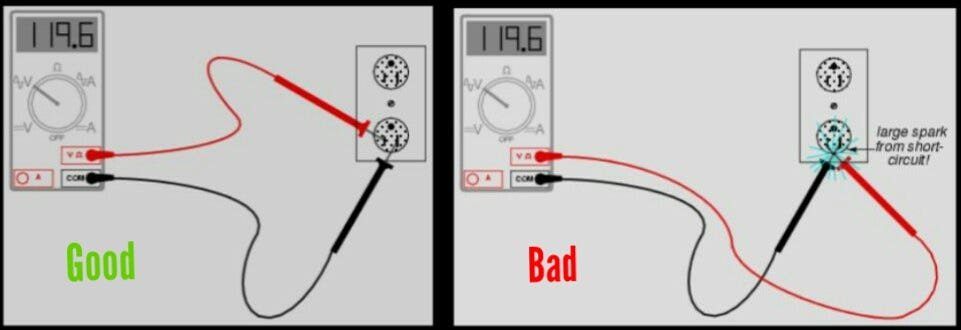
To measure voltage, set the multimeter to the correct voltage range. Connect the probes to the circuit points carefully.
- Turn the dial to “V” or voltage mode
- Use red probe for positive and black for negative
- Do not touch the metal probes during measurement
- Read the value on the display
Checking Current
Current is the flow of electric charge through a circuit. It is measured in amperes (A) with a multimeter.
To check current, the multimeter must be connected in series with the circuit. This means the current flows through the meter.
- Set the dial to the current (A) setting
- Break the circuit to insert the meter in series
- Connect the probes to the open ends of the circuit
- Turn on power and read the current value
Testing Resistance
Resistance is the opposition to current flow in a circuit. It is measured in ohms (Ω) using a multimeter.
To test resistance, ensure the circuit power is off. Connect the probes to the component or section you want to test.
- Turn the dial to the resistance (Ω) setting
- Make sure the circuit has no power
- Touch the probes across the component
- Read the resistance value on the screen
Preparing For Safe Measurement
Using a multimeter safely starts with good preparation. This helps prevent accidents and protects you from electric shocks.
Before measuring, check your tools and understand the right settings. Wear protective gear to keep yourself safe.
Inspecting The Device And Leads
Check the multimeter and its leads for any damage. Look for cracks, exposed wires, or loose parts. Do not use if you find any problems.
- Ensure the display screen works clearly
- Look for frayed or broken test leads
- Check the probe tips for wear or dirt
- Test the battery and replace if low
- Confirm the fuse inside the multimeter is intact
Selecting Proper Settings
Set the multimeter to the right function and range before testing. Wrong settings can damage the device or cause injury.
| Measurement Type | Recommended Setting |
| Voltage (AC) | AC Voltage (V~) with a range above expected voltage |
| Voltage (DC) | DC Voltage (V–) with a range above expected voltage |
| Current (AC or DC) | Current (A) with proper range and correct input jack |
| Resistance | Ohms (Ω) setting |
| Continuity | Continuity test mode with audible beep |
Using Personal Protective Equipment
Wear protective gear to reduce risk from electric shocks and burns. Safety equipment adds a layer of protection.
- Use insulated gloves rated for electrical work
- Wear safety glasses to protect eyes
- Wear flame-resistant clothing if working with high voltage
- Use insulated mats or footwear on conductive surfaces

Credit: www.youtube.com
Safe Techniques For Common Measurements
Using a multimeter safely is important to avoid injury or damage. Follow simple safety tips when measuring electrical values.
Always check your multimeter settings and use the right method for each type of measurement.
Measuring Dc And Ac Voltage Safely
Set your multimeter to the correct voltage type: DC or AC. Use the highest voltage range first to avoid damage.
Connect the probes carefully. The black probe goes to the ground or negative side. The red probe goes to the positive side.
- Do not touch metal parts of the probes while measuring.
- Keep fingers behind the probe guards.
- Never measure voltage if the device is wet or damaged.
Current Measurement Precautions
Always set the multimeter to the correct current range before measuring. Start with the highest range available.
Break the circuit to insert the multimeter in series. Do not connect probes across a voltage source when measuring current.
- Use proper fuses in the multimeter to prevent damage.
- Never measure current above the meter’s limit.
- Remove test leads before changing measurement settings.
Resistance And Continuity Testing Tips
Turn off power to the circuit before measuring resistance or continuity. This prevents false readings and damage.
Set the multimeter to the resistance or continuity mode. Touch the probes across the component or wire.
- Check that the circuit is fully discharged before testing.
- Listen for a beep in continuity mode to confirm connection.
- Replace old batteries in the multimeter for accurate readings.
Avoiding Common Mistakes
Using a multimeter correctly helps you get accurate readings. It also keeps you safe from electrical hazards. Many mistakes happen because users do not follow simple rules.
This guide covers common errors to avoid. It explains how to select ranges, respect device limits, and handle probes safely.
Incorrect Range Selection
Choosing the wrong range on your multimeter can cause wrong readings or damage the device. Start with the highest range to protect the meter. Then lower the range to get a precise result.
- Never guess the range if unsure.
- Use auto-range mode if available.
- Always check the measurement type (voltage, current, resistance).
- Switch off the meter before changing ranges.
Ignoring Device Limits
Every multimeter has limits for voltage, current, and resistance. Exceeding these limits can blow fuses or cause electric shocks. Always read the manual to know your meter’s limits.
| Measurement | Typical Limit | Risk if Exceeded |
| Voltage | 600V max | Damage meter, shock risk |
| Current | 10A max | Blown fuse, fire hazard |
| Resistance | 10MΩ max | Incorrect readings |
Unsafe Probe Handling
Probes carry current and can cause injury if used carelessly. Hold probes by insulated handles and never touch metal tips during measurement.
- Inspect probes for damage before use.
- Do not use probes with cracked insulation.
- Keep fingers behind the finger guards.
- Disconnect power before changing probes.
Maintaining Your Multimeter
Keeping your multimeter in good shape helps it work well for a long time. Proper care avoids wrong readings and damage.
Learn how to maintain your multimeter safely with simple steps. These tips protect your tool and ensure accurate results.
Regular Calibration
Calibration checks if your multimeter shows correct measurements. It is important to do this often to keep accuracy.
Some multimeters need yearly calibration. You can send it to a service center or use a calibration device if available.
- Check the manual for calibration frequency
- Use a known voltage or resistance for testing
- Record calibration dates and results
Battery Care
Good batteries keep your multimeter working without interruptions. Replace old batteries before they leak or die.
Turn off the multimeter when not in use. Remove batteries if you will not use it for a long time to avoid damage.
- Use the right battery type as per the manual
- Check battery level regularly
- Dispose of old batteries safely
Proper Storage Practices
Store your multimeter in a clean, dry place. Avoid extreme heat, cold, or moisture to protect internal parts.
Keep the test leads and probes organized. Use the case that came with your multimeter to prevent damage during storage.
- Store in a padded case or box
- Avoid direct sunlight or damp areas
- Check and clean the device before storing
Advanced Safety Tips
Using a multimeter safely requires more than basic knowledge. This guide covers advanced tips to protect yourself and your equipment.
Follow these tips carefully to avoid accidents and get accurate measurements in difficult situations.
Working With High Voltage Circuits
High voltage circuits can cause severe injury or death. Always use insulated gloves and tools rated for the voltage level.
- Never touch live wires directly.
- Keep one hand in your pocket to reduce current flow through your body.
- Use voltage-rated multimeter probes and leads.
- Work on circuits only when power is off, unless testing live voltage is necessary.
- Stand on an insulated surface to avoid grounding yourself.
Using Multimeter Accessories
Accessories improve safety and accuracy. Use the right attachments for the task and check them before use.
| Accessory | Purpose | Safety Tip |
| Insulated probes | Protect from electric shock | Check for cracks or wear |
| Alligator clips | Hands-free testing | Ensure firm connection |
| Test leads | Extend reach | Use correct rating for voltage and current |
| Non-contact voltage tester | Detect live voltage without contact | Verify tester operation before use |
Emergency Procedures
Know how to respond to accidents involving electricity. Quick action saves lives and prevents further harm.
- Disconnect power source immediately if safe to do so.
- Do not touch a person receiving an electric shock directly.
- Use a non-conductive object to separate the person from the electrical source.
- Call emergency services right away.
- Perform CPR if trained and necessary.
- Report the incident to a supervisor or safety officer.

Credit: www.batteriessunshinecoast.com.au
Frequently Asked Questions
How Do I Set Up A Multimeter Safely?
Start by turning off power before testing. Select the correct measurement type and range. Use insulated probes and check for damage. Follow the manual’s safety guidelines to avoid electric shock or damage.
What Are Common Safety Mistakes With Multimeters?
Common mistakes include measuring live circuits without precautions, using wrong settings, and ignoring damaged leads. Always double-check settings and inspect the device before use. Avoid measuring high voltage without proper training and protective gear.
Can A Multimeter Measure Voltage And Current Simultaneously?
No, most multimeters cannot measure voltage and current simultaneously. You must switch modes and connect probes accordingly. Measuring both at once can damage the multimeter or cause inaccurate readings.
How Do I Avoid Electric Shock When Using A Multimeter?
Always wear insulated gloves and avoid wet conditions. Never touch exposed wires or metal parts during measurement. Use a multimeter with proper safety ratings and follow manufacturer instructions carefully.
Conclusion
A multimeter is a handy tool. Safety is key when using it. Always check your equipment before use. Wear protective gear like gloves and goggles. Understand the settings for accurate readings. Avoid wet conditions to prevent accidents. Practice using the multimeter on simple tasks first.
Read the manual for detailed instructions. Stay cautious and aware at all times. Proper usage extends the tool’s life. It also ensures your safety. Confidence grows with practice. Remember, safe handling leads to successful results. Keep learning and stay safe.