Are you ready to handle electrical tasks safely and efficiently? Using pliers the right way can make all the difference in your work.
Whether you’re tightening wires, cutting cables, or gripping small components, mastering these tools will save you time and prevent accidents. You’ll discover simple yet powerful tips that will boost your confidence and skills when working with pliers. Keep reading to transform the way you approach electrical work and protect yourself every step of the way.

Credit: www.skillcatapp.com
Choosing The Right Pliers
Pliers are important tools for electrical work. Choosing the right one makes tasks easier and safer.
This guide covers types of pliers, insulated handles, and size and grip tips.
Types Of Pliers For Electrical Tasks
Different pliers serve different purposes in electrical work. Knowing which to use helps avoid damage and injury.
- Needle-nose pliers: Good for bending and reaching tight spaces.
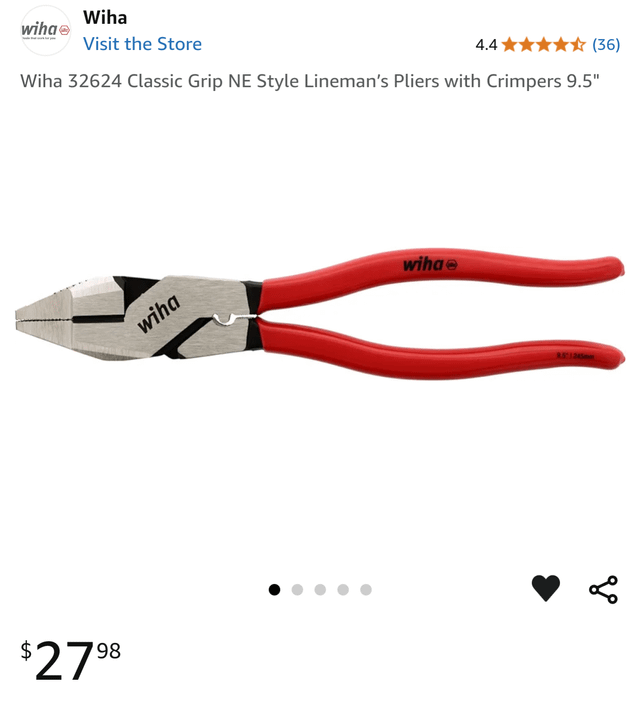
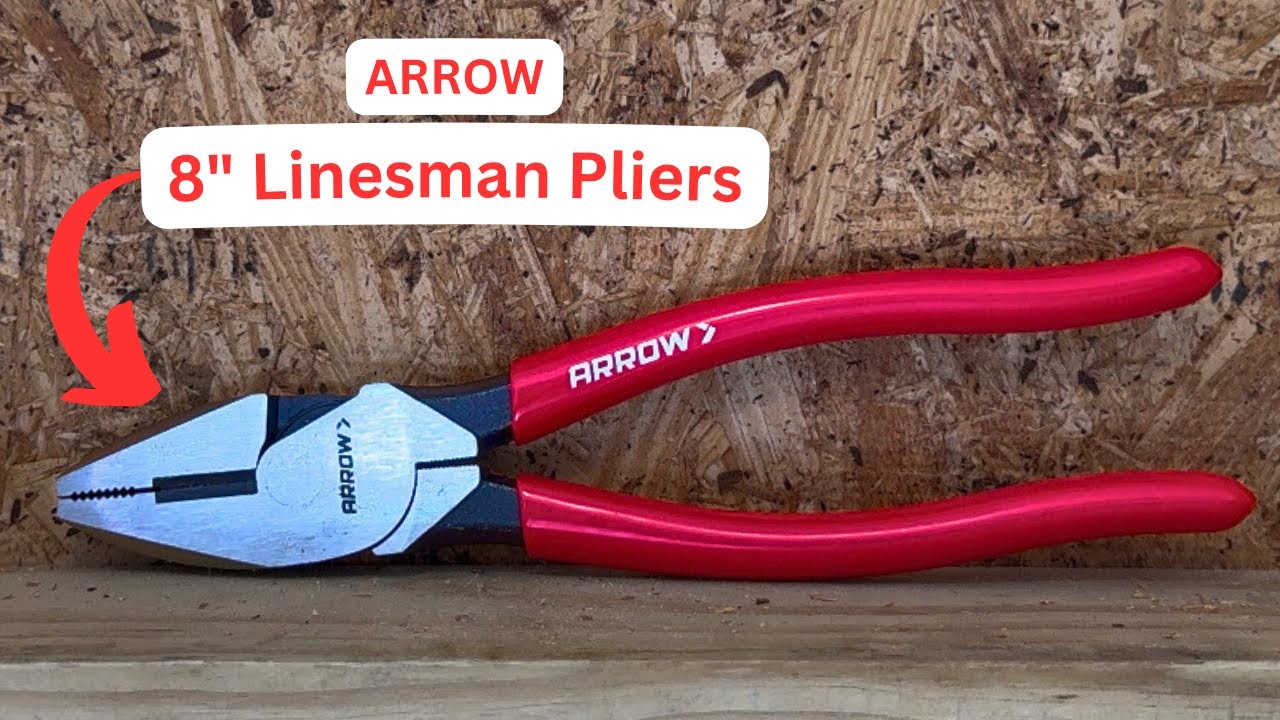
- Linemen’s pliers: Used for cutting, twisting, and gripping wires.
- Diagonal cutters: Made for clean wire cutting.
- Slip-joint pliers: Adjustable for gripping various sizes.
Insulated Handles Importance
Insulated handles protect against electric shocks. Always pick pliers with proper insulation for electrical work.
| Handle Type | Protection Level |
| Non-insulated | No electrical protection |
| Partially insulated | Limited protection up to 300 volts |
| Fully insulated | Safe for use up to 1000 volts |
Size And Grip Considerations
Choose pliers that fit your hand well. Good grip reduces slipping and hand fatigue.
Tips for size and grip:
- Pick pliers with comfortable handle length.
- Look for non-slip grips to hold tools securely.
- Use lightweight pliers to avoid hand strain.
Credit: www.youtube.com
Preparing For Safe Use
Using pliers for electrical work needs care and attention. Safety starts before you pick up the tool.
Prepare by checking your tools, the work area, and your gear. These steps protect you from accidents.
Inspecting Pliers Before Use
Look closely at your pliers before every job. Check for damage like cracks or rust. Make sure the handles are not loose or worn.
- Check the jaws for alignment and grip
- Test the pivot for smooth movement
- Ensure insulation on handles is intact
- Clean any dirt or grease from the tool
Checking Electrical Circuits
Before using pliers on wires, confirm the circuit is off. Use a tester to verify no current flows. This step prevents shocks or short circuits.
| Action | Reason |
| Turn off power at the breaker | Stops electricity flow |
| Use voltage tester on wires | Confirms wires are safe to touch |
| Double-check with a second tester | Ensures accurate reading |
Wearing Protective Gear
Wear the right gear to protect yourself from electrical hazards. Gloves and goggles are important to keep you safe.
- Insulated rubber gloves block electrical shocks
- Safety goggles protect eyes from sparks or debris
- Wear sturdy shoes to avoid grounding yourself
- Avoid loose clothing or jewelry that can catch wires
Techniques For Effective Handling
Using pliers correctly can make electrical work safer and easier. Good handling helps avoid mistakes and damage.
This guide covers grip, pressure, and how to use pliers for cutting and twisting wires.
Proper Grip And Pressure
Hold the pliers firmly but not too tight. Too much pressure can tire your hand and damage wires.
- Place your thumb on one handle and fingers on the other.
- Keep your wrist straight to avoid strain.
- Apply steady pressure to control the tool.
- Release slightly between actions to relax your grip.
Avoiding Wire Damage
Wire damage can cause shorts or breaks. Use pliers carefully to protect wires.
| Action | How to Avoid Damage |
| Gripping | Use smooth jaws or insulated grips. |
| Cutting | Cut at right angles and avoid crushing. |
| Twisting | Twist gently and evenly without sharp bends. |
Using Pliers For Cutting Vs. Twisting
Cutting and twisting require different techniques and tool parts.
Cutting:Use the sharp edge near the tip. Position the wire properly and squeeze firmly.
Twisting:Use the flat or rounded jaws. Grip the wires and turn slowly to avoid damage.
Remember, do not use cutting edges for twisting. It dulls the blades and risks wire harm.
Maintaining Your Pliers
Pliers are important tools for electrical work. Keeping them in good shape helps you work safely and well.
Regular care makes your pliers last longer and stay reliable. Learn how to clean, store, and check them.
Cleaning After Use
Clean your pliers after each use to remove dirt and grease. This prevents rust and keeps the tool working smoothly.
Use a dry cloth to wipe off dust and debris. For tough grime, use a mild soap and water solution, then dry well.
- Wipe pliers with a clean cloth
- Use mild soap and water if needed
- Dry completely to avoid rust
Storing Safely
Store pliers in a dry place to stop moisture from causing rust. Keep them in a toolbox or on a tool rack.
Avoid leaving pliers on the floor or outside. Use protective covers or cases if you have them.
- Keep pliers in a dry toolbox or rack
- Use covers to protect the tool
- Do not leave pliers on the ground
Regular Maintenance Checks
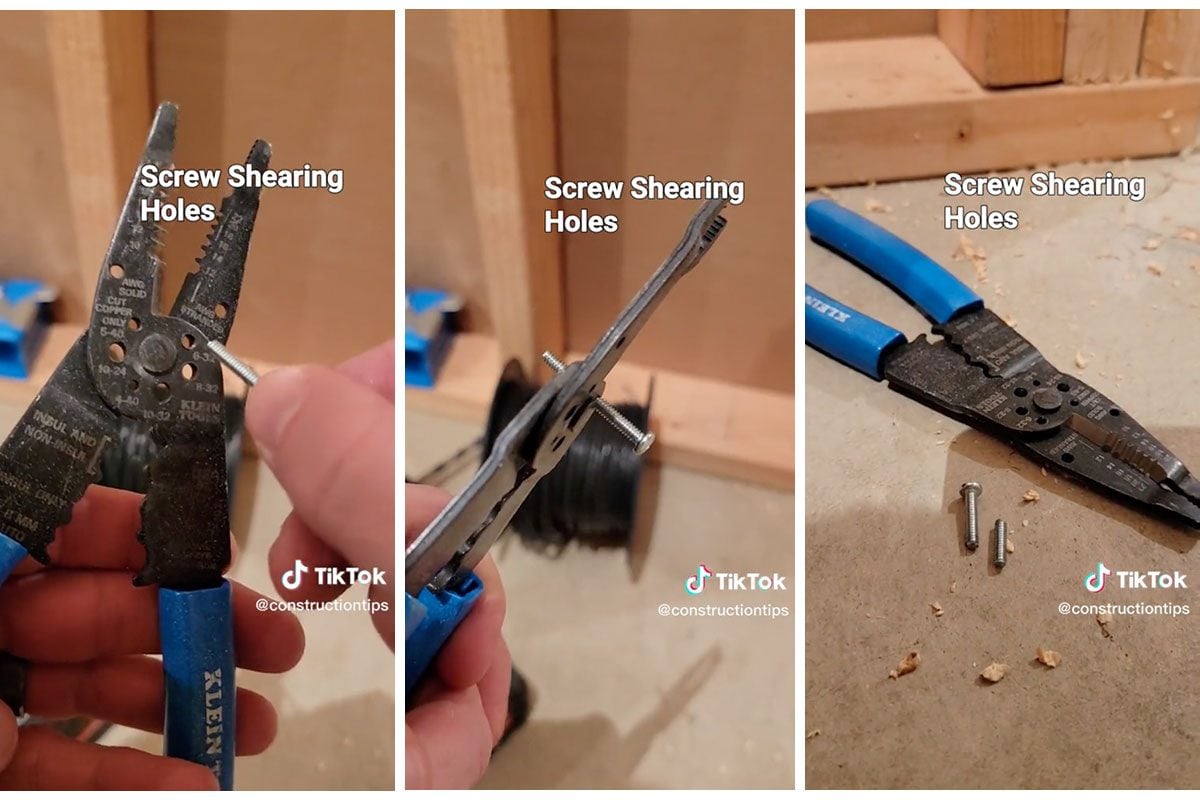
Check your pliers regularly for damage or wear. Look for loose joints, cracks, or rust spots.
Apply a small amount of oil to the joints to keep them moving smoothly. Tighten screws if needed.
- Inspect for cracks and rust
- Oil joints to keep movement smooth
- Tighten any loose screws
Common Mistakes To Avoid
Pliers are useful tools for electrical work. Using them incorrectly can cause damage or injury.
Learn about common mistakes to avoid when using pliers. This helps keep you safe and your tools working well.
Using Pliers On Live Circuits
Never use pliers on live electrical circuits unless they are insulated for that purpose. Regular pliers can cause electric shocks.
Always turn off power before using pliers on wires. This reduces the risk of injury and tool damage.
Overloading The Tool
Do not use pliers to cut or grip items that are too hard or thick. This can damage the pliers or cause them to slip.
Using pliers for heavy tasks can break the jaws or handles. Use the right tool for the job to avoid this.
- Do not use pliers as a hammer
- Avoid cutting thick bolts with small pliers
- Use wire cutters for cutting wires, not regular pliers
Ignoring Wear And Tear
Check pliers regularly for signs of wear. Worn grips or dull jaws reduce safety and effectiveness.
Replace or repair pliers if they show cracks, rust, or loose parts. Using damaged tools is dangerous.
- Inspect grips for cracks or hardness
- Check jaws for chips or misalignment
- Keep pliers clean and dry to prevent rust
Credit: www.familyhandyman.com
Frequently Asked Questions
What Type Of Pliers Is Best For Electrical Work?
Insulated needle-nose pliers are ideal for electrical tasks. They offer precision and protect against electric shocks. Always choose pliers with insulated handles for safety. Quality and grip matter for efficient wiring and cutting.
How To Safely Use Pliers On Live Wires?
Never use pliers on live wires without proper insulation. Always turn off power before handling wires. Use pliers with insulated grips to prevent shocks. Safety gloves and eye protection add extra security during electrical work.
Can Pliers Damage Electrical Wires?
Yes, using the wrong pliers can damage wires. Avoid excessive force to prevent wire breakage or insulation damage. Use the correct pliers type designed for cutting or gripping wires carefully to maintain wire integrity.
How To Maintain Pliers For Electrical Work?
Keep pliers clean and dry to prevent rust. Regularly check insulated handles for cracks or wear. Lubricate joints to ensure smooth operation. Proper maintenance extends tool life and ensures safety during electrical tasks.
Conclusion
Pliers are essential for electrical work. Choose the right type for tasks. Always prioritize safety. Use insulated handles for protection. Grip firmly to avoid slips. Cut wires precisely for clean connections. Practice makes perfect in handling tools. Keep pliers clean and rust-free.
Regular maintenance extends their life. Proper storage prevents damage. With these tips, you can work safely and efficiently. Remember, careful handling ensures better results. Happy working with your pliers!