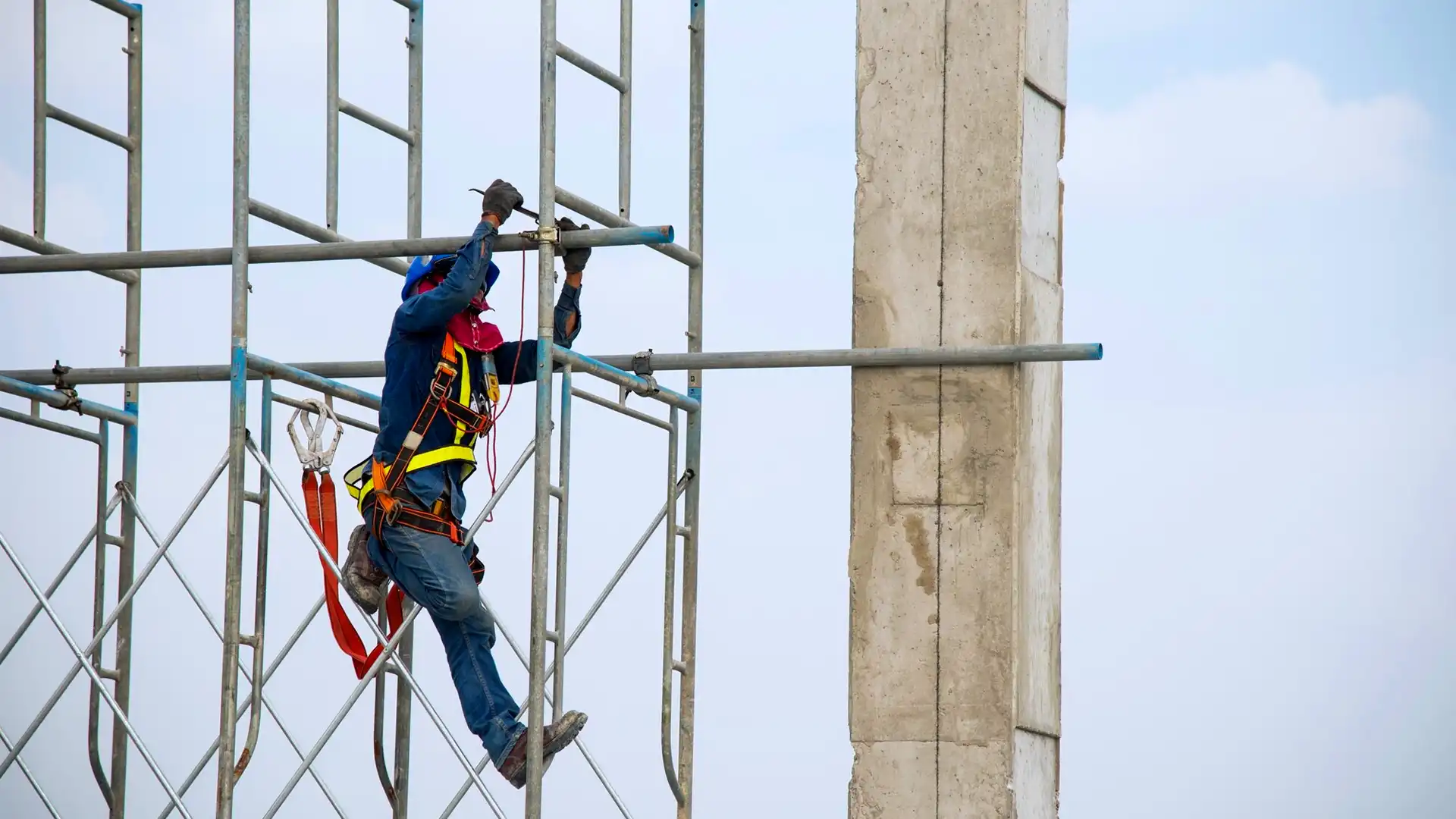
Working on scaffolding can be risky, but using the right safety harness can protect you from serious injuries. If you want to keep yourself safe while working at heights, this guide is made just for you.
You’ll learn how to choose, wear, and maintain a safety harness correctly. By the end, you’ll feel confident and secure every time you step onto scaffolding. Keep reading to discover simple yet powerful tips that could save your life.
Choosing The Right Harness
Using a safety harness is important when working on scaffolding. Picking the right harness keeps you safe and comfortable.
There are many types of harnesses. You should know how to choose the best one for your job.
Types Of Safety Harnesses
Different harnesses fit different work situations. Some are better for scaffolding than others. Choosing the correct type helps protect you from falls.
- Full-body harness: Supports your whole body and spreads force during a fall.
- Sit harness: Used mainly for climbing, less common for scaffolding.
- Chest harness: Provides upper body support but not enough alone for scaffolding.
- Suspension harness: Designed to keep you safe while hanging or suspended.
Material And Durability
Good harnesses use strong materials that last long. Look for materials that resist wear and tear.
| Material | Durability | Common Use |
| Nylon | High | General purpose harnesses |
| Polyester | Very High | Outdoor and wet conditions |
| Kevlar | Extreme | Fire-resistant environments |
Proper Sizing And Fit
A harness that fits well will keep you safe and comfortable. Too loose or too tight is dangerous.
- Measure your chest, waist, and legs before buying.
- Adjust straps to fit snugly without cutting into your skin.
- Check that buckles and connectors work easily but hold tight.
- Try the harness on with your work clothes and tools.
Credit: www.falltech.com
Inspecting Harnesses Before Use
Safety harnesses protect workers from falls during scaffolding work. Before each use, inspect the harness carefully. This helps prevent accidents and keeps the harness reliable.
Check all parts of the harness to make sure it is safe to wear. Look closely for any damage or missing pieces.
Checking Straps And Buckles
Examine the straps for cuts, frays, or stretched areas. Test all buckles to ensure they fasten and release smoothly. Make sure no parts are bent or broken.
- Look for loose stitching on straps
- Check buckles for rust or cracks
- Pull on straps to test strength
- Verify buckles lock securely
Looking For Wear And Tear
Wear and tear can weaken the harness. Look closely at all parts for signs of damage. Replace the harness if you find any serious problems.
| Type of Damage | What to Look For | Action Needed |
|---|---|---|
| Frayed Straps | Loose threads or worn fabric | Replace harness or strap |
| Rusty Buckles | Discoloration or rough surface | Clean carefully or replace |
| Cracks or Tears | Visible splits or holes | Do not use harness |
| Stretched Straps | Straps longer than original size | Replace harness |
Ensuring Certification Compliance
Check the harness label for certification marks. These show the harness meets safety rules. Do not use a harness without proper certification.
Certification Checklist:
- Look for standard approval number
- Check manufacture date to avoid expired harness
- Confirm label is clear and legible
- Verify compliance with local safety codes
Proper Harness Wearing Techniques
Wearing a safety harness properly is vital for scaffolding work. It protects you from falls and serious injuries.
Follow simple steps to ensure your harness fits well and works correctly. This guide covers key techniques.
Adjusting Straps Correctly
Adjust straps so the harness fits snug but not tight. Loose straps can cause falls, and tight straps can restrict movement.
- Put on the harness and fasten the waist belt.
- Tighten shoulder straps to fit close to the body.
- Adjust leg straps to avoid pinching or cutting off circulation.
- Make sure all straps lie flat without twists.
- Check for proper fit by moving around gently.
Securing The Chest And Leg Straps
Chest and leg straps keep you safe by holding the harness in place. Secure these straps firmly.
| Strap | How to Secure |
| Chest Strap | Fasten at mid-chest level; adjust until snug but not tight. |
| Leg Straps | Wrap under the thighs; fasten and adjust to avoid sliding. |
| Buckles | Check all buckles are locked and secure before use. |
Attaching To Anchor Points
Connect your harness to a strong anchor point to stop falls. Use the correct hardware and check the connection.
- Locate a certified anchor point rated for your weight and work.
- Use a carabiner or hook designed for fall protection.
- Attach the harness D-ring securely to the anchor.
- Double-check the connection before climbing or working.
- Never attach to unstable or weak objects.
Credit: www.falltech.com
Anchor Points And Connections
Safety harnesses protect workers on scaffolding by preventing falls. The strength of anchor points and connections keeps the harness secure. Understanding how to select and use these is essential for safety.
This guide covers how to find safe anchor locations, use lanyards and lifelines, and avoid common mistakes. Each step helps reduce risks and improve worker protection on scaffolds.
Selecting Safe Anchor Locations
Choose anchor points that are strong and stable. They must support at least 5,000 pounds per worker. Avoid using weak or damaged parts of the scaffolding.
- Pick structural parts designed to bear weight
- Check anchors for rust, cracks, or looseness
- Use certified anchor hardware when possible
- Keep anchor points near the work area to reduce fall distance
- Do not attach to guardrails or unstable surfaces
Using Lanyards And Lifelines
Lanyards and lifelines connect your harness to the anchor. Use the right type and length for your job. Inspect these components before each use.
| Type | Description | Use Case |
|---|---|---|
| Shock-Absorbing Lanyard | Reduces force during a fall | General scaffolding work |
| Self-Retracting Lifeline | Retracts and limits fall distance | High work areas with frequent movement |
| Restraint Lanyard | Prevents worker from reaching fall edge | Edge work on scaffolds |
Avoiding Common Mistakes
Many accidents happen due to simple errors. Watch out for these common mistakes and fix them before starting work.
- Using weak or improper anchor points
- Skipping regular inspection of harness and lanyards
- Connecting to unsecured or temporary scaffolding parts
- Ignoring the fall clearance needed below the scaffold
- Failing to properly adjust harness straps
Maintaining And Storing Harnesses
Safety harnesses for scaffolding must be kept in good condition. Proper care helps keep workers safe. Storing and maintaining harnesses correctly extends their life.
Regular cleaning, safe storage, and inspections are key tasks. These steps prevent damage and ensure harnesses work well every time.
Cleaning Procedures
Cleaning harnesses removes dirt and sweat that can wear materials. Use mild soap and warm water. Avoid harsh chemicals or bleach.
Gently scrub with a soft brush or cloth. Rinse well to remove all soap. Air dry the harness away from sunlight and heat.
- Use mild soap and warm water
- Scrub gently with a soft brush
- Rinse thoroughly to remove soap
- Air dry in a shaded, ventilated area
- Do not use bleach or strong chemicals
Safe Storage Practices
Store harnesses in a clean, dry place. Avoid direct sunlight, heat, and moisture. These can damage the fabric and metal parts.
Hang harnesses or lay them flat to keep their shape. Do not fold or crush them. Keep them away from sharp objects and chemicals.
- Keep harnesses in a dry, cool area
- Avoid exposure to sunlight and heat
- Hang or lay flat to prevent damage
- Keep away from chemicals and sharp items
- Store in a designated safety equipment space
Scheduling Regular Inspections
Inspect harnesses before each use. Look for tears, frays, worn stitching, or broken hardware. Check buckles and straps for proper function.
Keep a log of inspections and maintenance. Replace any damaged parts or the whole harness if needed. Regular checks keep users safe.
- Inspect before every use
- Check for cuts, frays, and worn stitching
- Test buckles and straps for strength
- Record all inspections and repairs
- Replace harness if damage is found
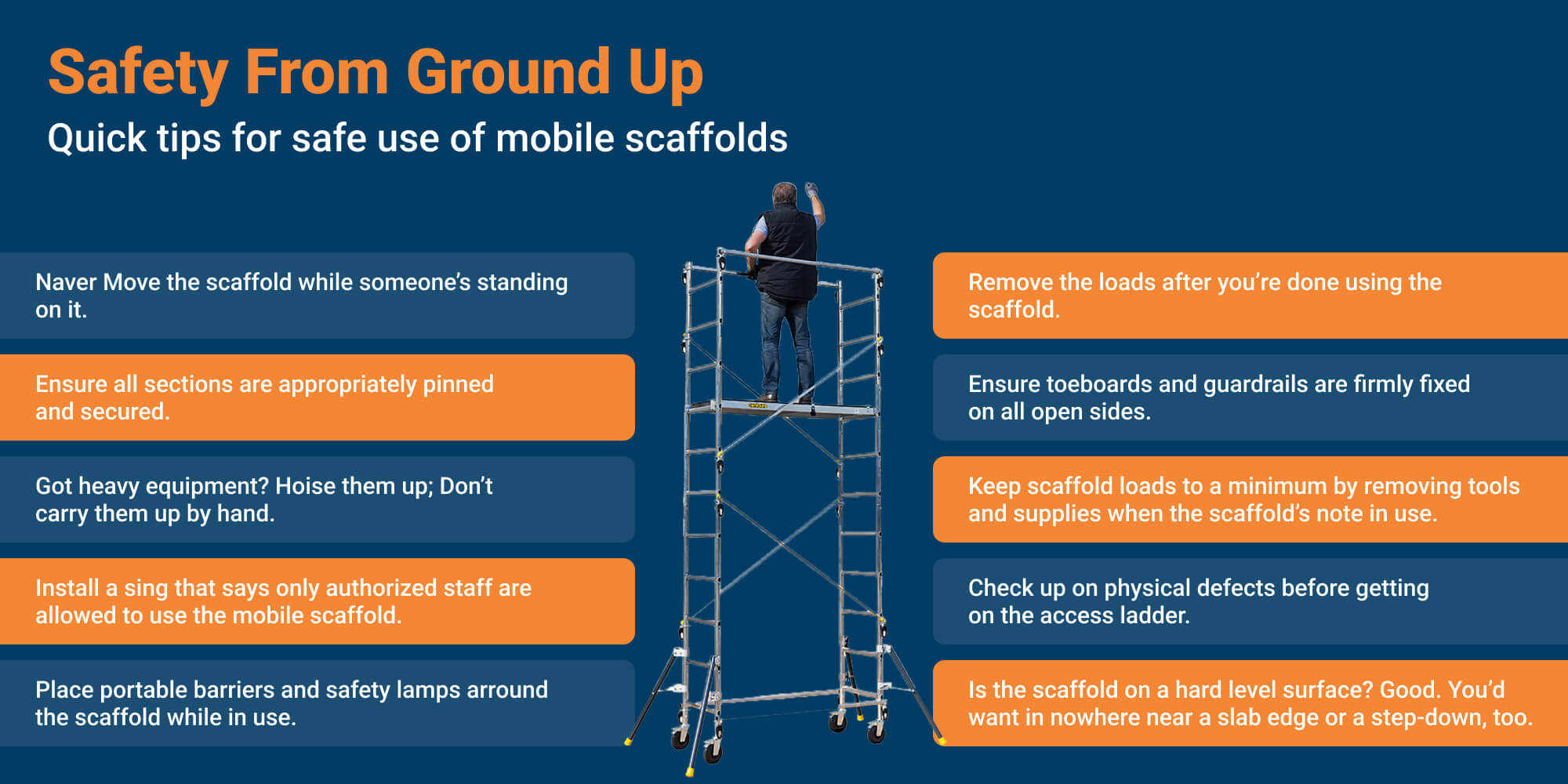
Credit: techehs.com
Training And Safety Practices
Using safety harnesses correctly is vital for scaffolding work. Proper training helps workers stay safe at heights.
Safety practices reduce accidents and ensure quick action during emergencies. Every worker must understand these rules.
Proper Training For Users
Workers need training on how to wear and adjust safety harnesses. They must know how to inspect harnesses before use.
- Check straps and buckles for damage
- Wear the harness snugly but comfortably
- Attach lanyards to secure anchor points
- Practice moving safely on scaffolding while wearing harnesses
- Understand weight limits and equipment care
Emergency Procedures
Knowing what to do in an emergency saves lives. Workers must be prepared for falls or equipment failure.
- Call for help immediately
- Secure the area to prevent more accidents
- Use rescue equipment to reach the fallen worker
- Provide first aid if trained
- Report the incident to supervisors
Promoting A Safety Culture
A strong safety culture means everyone cares about safety. It encourages reporting hazards and following rules.
| Action | Benefit |
|---|---|
| Regular safety meetings | Keep safety top of mind |
| Reward safe behavior | Motivate workers to follow rules |
| Provide clear instructions | Reduce confusion and mistakes |
| Encourage open communication | Spot risks early |
Frequently Asked Questions
What Is The Purpose Of A Safety Harness On Scaffolding?
A safety harness prevents falls by securing workers to scaffolding. It reduces injury risk during accidents. Using a harness is essential for compliance with safety regulations and ensures worker protection at heights.
How Do I Properly Wear A Scaffolding Safety Harness?
Wear the harness snugly around shoulders, chest, and legs. Adjust straps to avoid slack but allow movement. Connect the harness to a secure anchor point before starting work for maximum safety.
When Should Safety Harnesses Be Inspected For Scaffolding Use?
Inspect safety harnesses before each use for wear or damage. Check buckles, straps, and stitching carefully. Regular inspections ensure the harness remains reliable and safe during scaffolding tasks.
Can Any Safety Harness Be Used For Scaffolding Work?
No, use only harnesses designed for fall arrest in scaffolding. They must meet OSHA or relevant safety standards. Using certified harnesses guarantees proper protection and compliance with legal requirements.
Conclusion
Safety harnesses ensure scaffolding work stays secure. They protect workers from falls. Choosing the right harness is crucial. Regular checks and maintenance boost safety. Make sure it fits well and is comfortable. Proper training enhances usage. Workers must know how to wear it correctly.
Safety should always come first. Understanding these basics saves lives. So, always prioritize safety on scaffolding sites. Remember, a well-used harness is a lifesaver. Stay safe, stay protected.