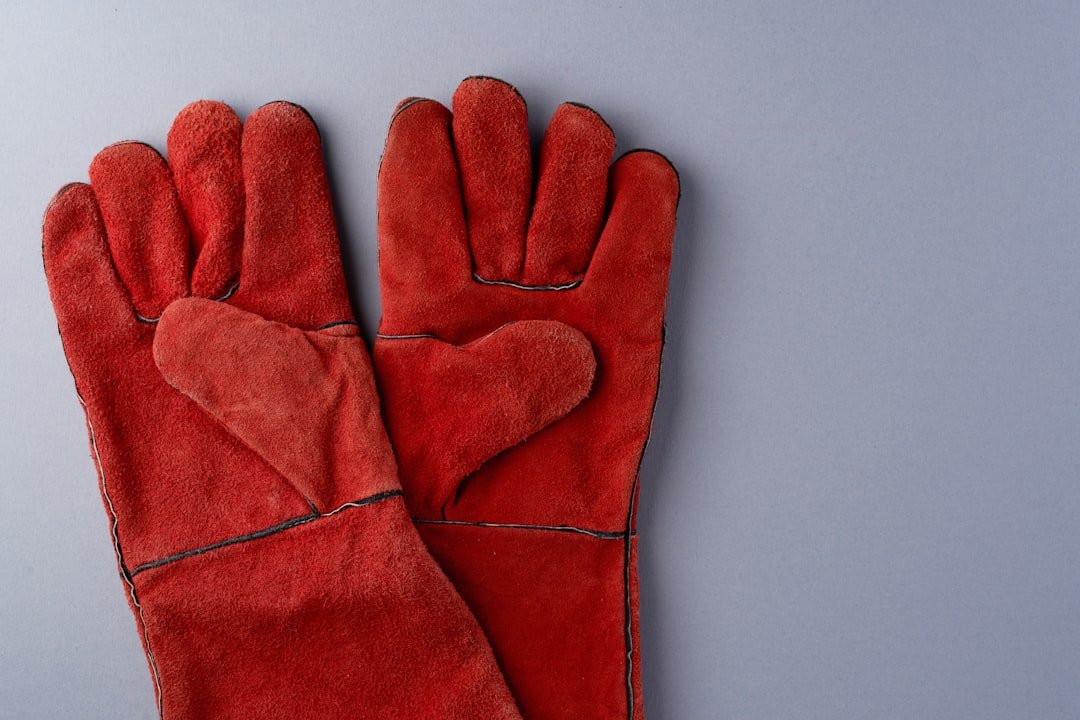
If you rely on insulated gloves to keep you safe and comfortable, knowing how to care for them is crucial. Your gloves protect you from harsh conditions and electrical hazards, but without proper maintenance, they can wear out fast and fail when you need them most.
You’ll discover simple, effective tips to keep your insulated gloves in top shape. By following these easy steps, you’ll extend their life, boost your safety, and save money. Keep reading to learn how to protect your hands—and your investment—like a pro.
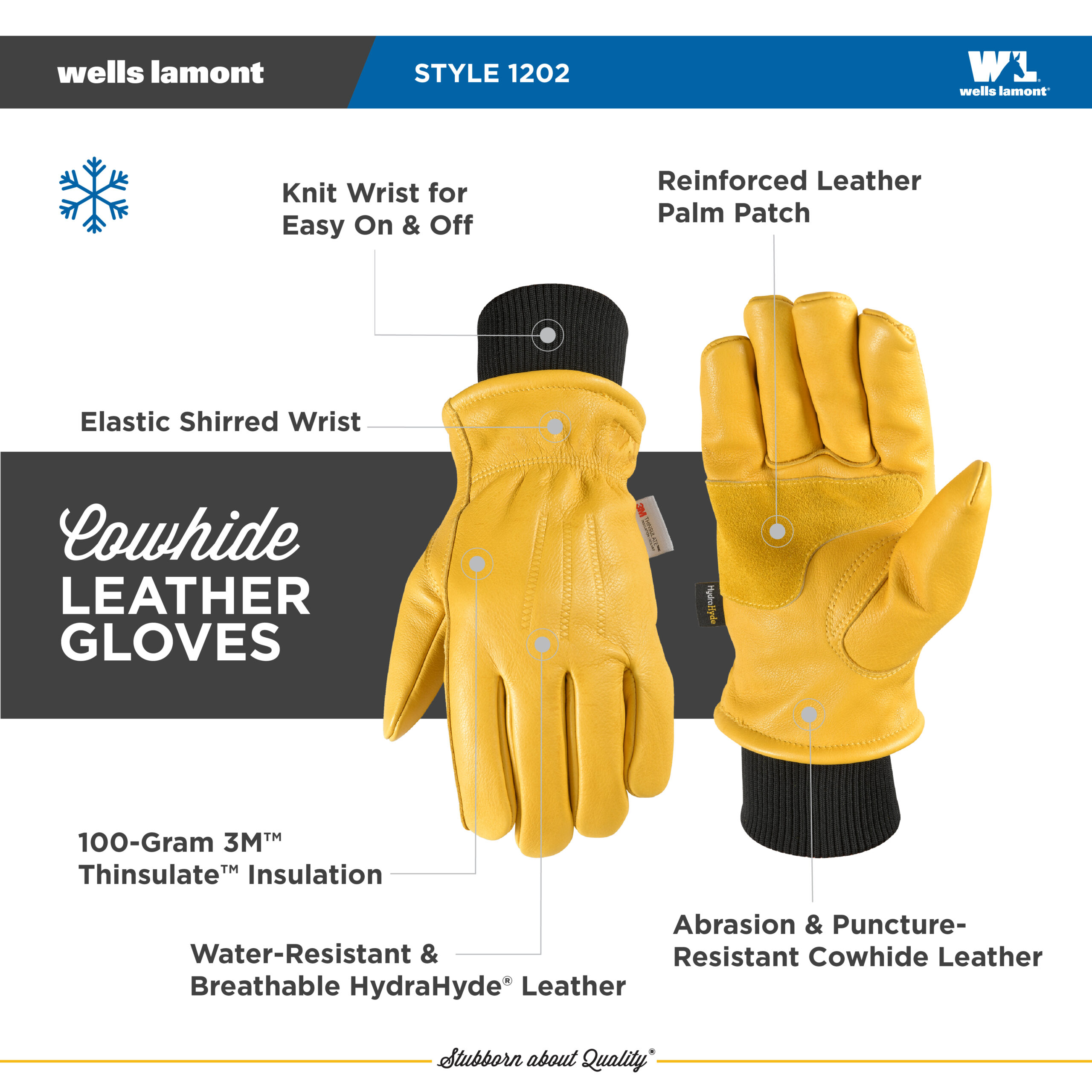
Credit: wellslamont.com
Choosing The Right Gloves
Insulated gloves protect your hands from electrical hazards. Choosing the right pair is important for safety and comfort.
This guide helps you understand key factors to consider before buying insulated gloves.
Materials And Ratings
Insulated gloves come in different materials like rubber and leather. Each material offers specific protection and durability.
| Material | Protection | Durability |
| Rubber | Electrical insulation | Moderate |
| Leather | Mechanical protection | High |
| Composite | Combined electrical and mechanical | High |
Check the gloves’ electrical ratings. They must meet standards for voltage protection. Ratings show the highest voltage the gloves can handle safely.
Proper Fit And Comfort
Gloves that fit well improve safety and reduce hand fatigue. Too tight gloves restrict movement. Too loose gloves may catch or slip.
- Measure your hand size before buying
- Try gloves on with liners if needed
- Choose gloves that allow easy finger movement
- Consider breathability for long use

Credit: www.gripgrab.com
Cleaning Techniques
Maintaining insulated gloves is important for safety and durability. Clean gloves often to keep them working well.
Proper cleaning removes dirt and prevents damage. Use safe methods to protect the gloves’ insulation.
Removing Dirt And Debris
Start by wiping the gloves with a dry cloth. This removes loose dirt and dust on the surface.
For stuck dirt, use a soft brush to gently clean the gloves. Avoid harsh scrubbing that can damage the material.
- Use a dry cloth for light dirt
- Soft brush for stubborn debris
- Do not use sharp tools to scrape
Safe Cleaning Agents
Use mild soap and water to clean insulated gloves. Strong chemicals can harm the insulation and material.
Avoid bleach, solvents, and abrasive cleaners. These agents reduce the gloves’ protective qualities.
- Mild soap mixed with warm water
- Soft cloth or sponge for washing
- Rinse with clean water after cleaning
- Air dry gloves away from heat
Storage Tips
Keeping insulated gloves in good condition requires proper storage. Store them carefully to extend their life and keep them safe.
Good storage protects gloves from damage and helps maintain their insulation features.
Avoiding Heat And Sunlight
Do not store insulated gloves near heat sources. High temperatures can damage the material and reduce insulation.
Sunlight can cause the gloves to fade and weaken the fabric. Keep them in a cool, shaded place.
- Store gloves away from heaters and radiators
- Keep gloves out of direct sunlight
- Use a dark storage bag or box if possible
Proper Hanging And Folding
Hang insulated gloves by their cuffs to keep their shape. Avoid folding them tightly to prevent creases.
If you must fold gloves, do it gently and loosely. Use a hanger or dedicated glove rack to store them safely.
- Hang gloves on wide hooks or hangers
- Do not fold gloves tightly
- Store gloves flat if hanging is not possible
Inspection And Testing
Maintaining insulated gloves is essential for safety. Regular inspection and testing help find damages early. This keeps the gloves reliable for electrical work.
Proper care extends glove life and protects the user from electric shocks. Follow these steps to inspect and test your insulated gloves properly.
Regular Visual Checks
Look over gloves before each use. Check for cuts, cracks, or holes. Dirt or grease can hide damage, so clean gloves first. Pay attention to discoloration and stiffness. These signs show aging or wear.
- Check for tears or punctures
- Look for cracks or hard spots
- Inspect seams and cuffs
- Clean gloves to spot hidden damage
- Note any discoloration or stiffness
Electrical Testing Procedures
Testing gloves with electrical equipment confirms they still protect well. Use a high-voltage tester to find holes or weak spots. Test gloves after cleaning and before first use. Follow safety rules during testing to avoid accidents.
| Testing Step | Description | Frequency |
| Visual Inspection | Check gloves for visible damage before every use | Every use |
| Air Inflation Test | Inflate gloves and check for leaks or holes | Monthly |
| High Voltage Test | Apply voltage to detect electrical leaks | Every 6 months |
| Cleaning | Wash gloves with mild soap and water | After use or when dirty |
Repair And Replacement
Maintaining insulated gloves is important for safety. Proper repair and replacement keep them working well.
Check gloves often for damage. Fix small problems or replace gloves if needed to stay safe.
Identifying Damage
Look closely at your insulated gloves before use. Damage can reduce their protection.
- Check for holes, tears, or cuts on the surface.
- Feel for thin or worn spots in the material.
- Look for cracks or stiffness in rubber parts.
- Notice any discoloration or hard areas.
- Inspect seams and stitching for breaks.
When To Replace Gloves
Replace gloves if damage affects safety. Do not wait if gloves do not protect well.
| Condition | Action |
| Small surface cracks or dirt | Clean and inspect further |
| Large cuts or holes | Replace immediately |
| Hard, brittle, or stiff material | Replace immediately |
| Damaged seams or broken stitching | Replace immediately |
| Glove fails electrical test | Replace immediately |

Credit: www.gripgrab.com
Usage Best Practices
Insulated gloves protect you from electrical hazards. Using them correctly keeps you safe and extends glove life.
Follow best practices to avoid damage and maintain glove quality. Proper care helps prevent accidents.
Avoiding Contaminants
Keep insulated gloves away from oils, solvents, and dirt. These can weaken the glove material and cause failure.
Always check gloves for dirt or chemicals before use. Clean gloves gently with mild soap and water if needed.
- Store gloves in a clean, dry place
- Avoid contact with sharp or oily objects
- Do not use harsh chemicals for cleaning
- Inspect gloves for contamination before each use
Handling With Care
Handle insulated gloves gently to avoid cracks or tears. Rough handling reduces their protective ability.
Put gloves on and take them off carefully. Avoid pulling or stretching the gloves too much.
- Use both hands to put on gloves
- Do not bend gloves sharply
- Store gloves flat or hanging to keep shape
- Inspect gloves for damage before each use
Frequently Asked Questions
How Often Should I Clean Insulated Gloves?
Clean insulated gloves after every use to remove dirt and contaminants. Use mild soap and lukewarm water. Avoid harsh chemicals that can damage the insulation and material.
Can Insulated Gloves Be Machine Washed?
No, avoid machine washing insulated gloves. It can degrade their protective properties. Hand wash gently with mild detergent for best results.
How Do I Store Insulated Gloves Properly?
Store insulated gloves in a cool, dry place away from direct sunlight. Avoid folding or crushing them to maintain their shape and insulation.
How To Check For Damage In Insulated Gloves?
Inspect gloves regularly for cracks, holes, or wear. Replace gloves immediately if any damage is found to ensure safety and effectiveness.
Conclusion
Proper care ensures insulated gloves last longer. Regular checks prevent damage. Clean them gently with mild soap. Store them in cool, dry places. Avoid sunlight and chemicals. Inspect for cracks or tears often. Replace worn-out gloves promptly. Follow these steps to maintain safety.
Your hands will thank you. Keeping gloves in good condition is key. Safety first, always. Protect your investment and health. Maintain your gloves with these simple habits. Consistent care makes a big difference. Stay safe and ready for every task.