When you’re working with metal, your hands face serious risks every day. Cuts, scrapes, and injuries can happen in a split second—and the right protection makes all the difference.
That’s why wearing cut-resistant gloves isn’t just a smart choice; it’s a must. But simply putting on any gloves won’t keep you safe. You need to know how to wear them correctly to get the full benefit. You’ll discover easy, practical tips to wear cut-resistant gloves the right way.
By the end, you’ll feel confident that your hands are protected, letting you focus on your work without worry. Keep reading—your safety depends on it.
Credit: www.wuchtonline.com
Choosing The Right Cut-resistant Gloves
Cut-resistant gloves protect your hands from sharp metal edges. Wearing the right gloves keeps you safe at work. It is important to pick gloves that fit well and match your job needs.
Different gloves offer different levels of protection. Choosing gloves made from the right materials and with proper ratings helps prevent injuries. This guide explains what to look for.
Materials And Ratings
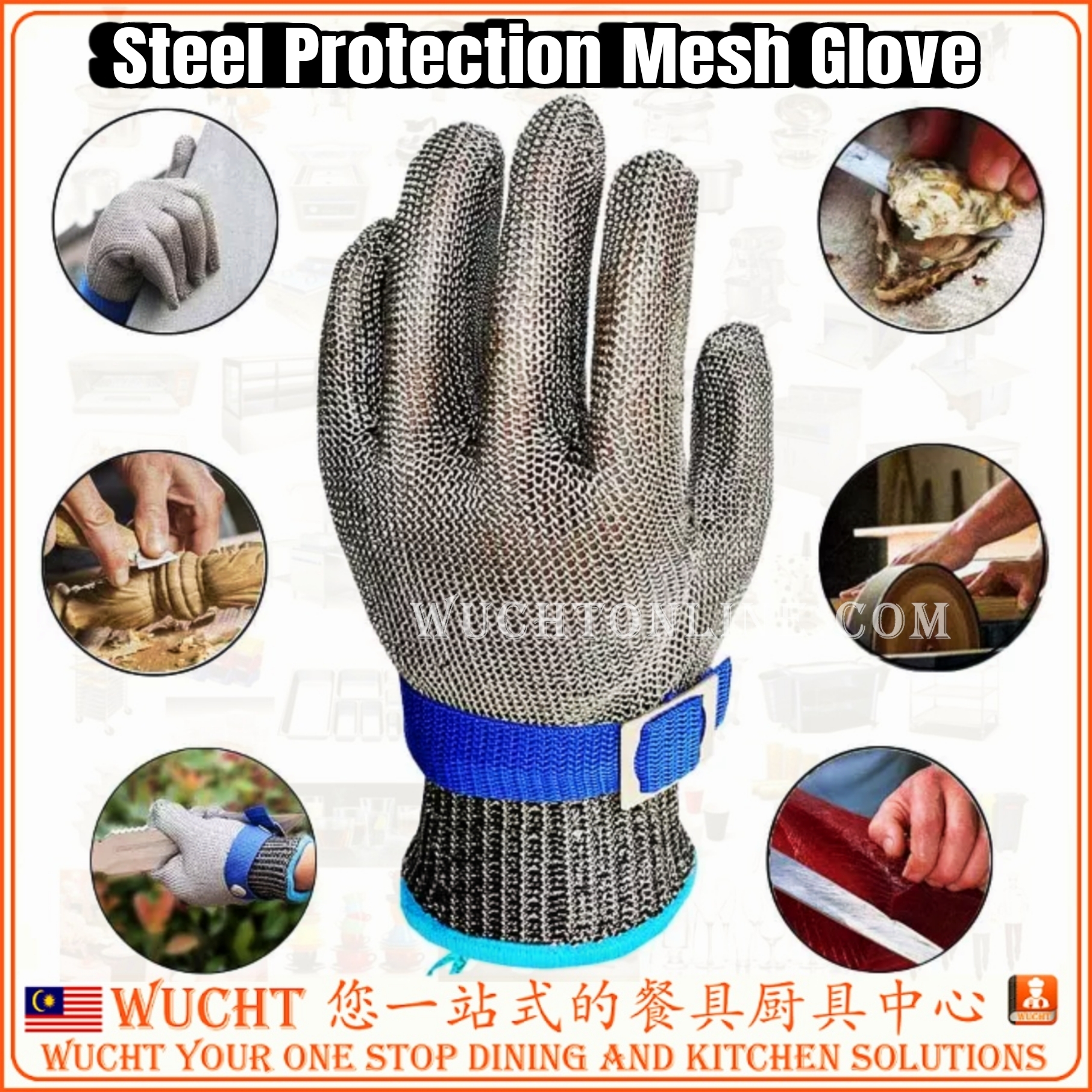
Cut-resistant gloves come in many materials. Each material offers different protection levels and comfort. Common materials include Kevlar, steel fiber, and high-performance polyethylene.
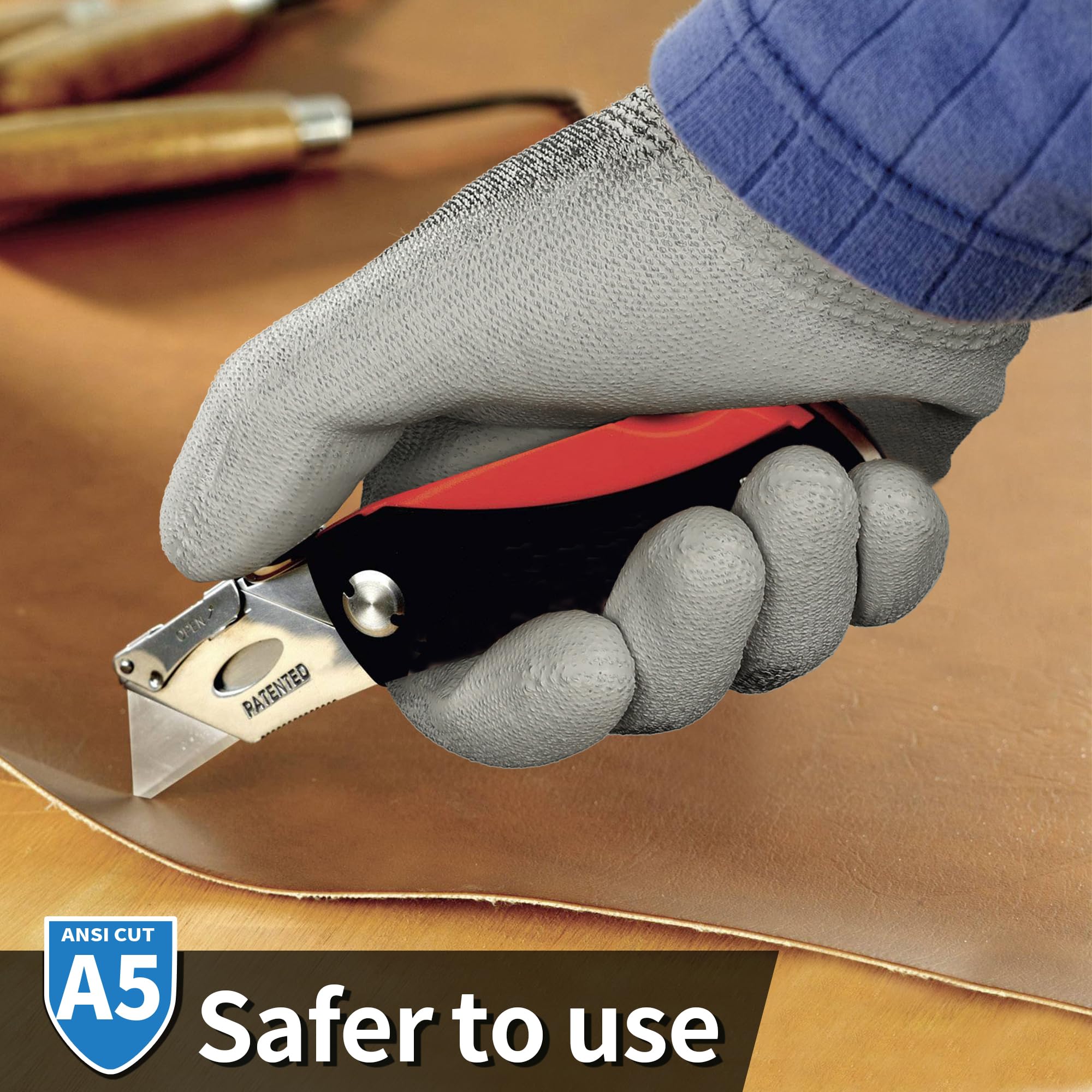
Gloves have ratings that show how much cut resistance they provide. The ANSI/ISEA and EN 388 standards are most common. Look for gloves with higher cut levels for metal work.
- Kevlar:Lightweight and flexible, good for moderate cuts.
- Steel Fiber:Strong and durable, ideal for sharp metals.
- High-Performance Polyethylene (HPPE):Lightweight with high cut resistance.
- ANSI/ISEA Ratings:Level A1 (lowest) to A9 (highest) cut protection.
- EN 388 Ratings:Levels range from 1 to 5 for cut resistance.
Sizing And Fit
Proper fit is key for comfort and safety. Gloves that are too tight can cause hand fatigue. Gloves that are too loose reduce grip and protection.
Measure your hand size before buying gloves. Check the glove size chart carefully. Try on gloves if possible to ensure they fit your fingers well and allow movement.
- Measure around your palm at the widest point.
- Check finger length to avoid pinching or excess space.
- Choose gloves with some stretch for better fit.
- Consider gloves with adjustable wrist closures.
Types For Metal Work
There are different glove types for metal work tasks. Some gloves focus on cut resistance only. Others also protect against heat, abrasion, or impact.
Choose gloves based on your specific metal work needs. For example, welding requires heat-resistant gloves. For sharp sheet metal, high cut resistance is most important.
- Cut-Resistant Gloves:Best for handling sharp metal edges and sheets.
- Impact-Resistant Gloves:Protect hands from heavy metal tools and impacts.
- Heat-Resistant Gloves:Used in welding and hot metal handling.
- Coated Gloves:Provide extra grip and resistance to abrasion.
Credit: www.amazon.ca
Proper Glove Wearing Techniques
Wearing cut-resistant gloves properly helps protect your hands during metal work. It is important to follow the right steps for safety and comfort.
This guide covers how to inspect gloves, put them on correctly, and ensure they fit well.
Inspecting Gloves Before Use
Check your gloves before each use to avoid accidents. Look for holes, tears, or worn areas that reduce protection.
- Examine the fabric and seams for damage.
- Look for dirt or chemicals that can weaken the material.
- Make sure the gloves are dry and clean.
- Replace gloves if you find any defects.
Correct Donning Methods
Putting on gloves the right way helps keep them in place and protects your hands fully.
- Wash and dry your hands before wearing gloves.
- Hold the glove at the opening and slide your hand in gently.
- Adjust each finger carefully without forcing the glove.
- Pull the cuff over your wrist for full coverage.
Ensuring Secure Fit
A secure fit improves safety and comfort. Gloves that are too loose or tight reduce protection.
| Fit Issue | Effect | Solution |
|---|---|---|
| Too Loose | Glove slips, less control | Choose smaller size or use gloves with elastic wrists |
| Too Tight | Restricts movement, causes fatigue | Pick a larger size or gloves with stretch fabric |
| Proper Fit | Comfort and full protection | Snug but flexible, no gaps or bunching |
Safety Practices While Wearing Gloves
Wearing cut-resistant gloves is vital for metal work safety. Gloves protect your hands from sharp edges and cuts.
Follow key safety practices to keep gloves effective and protect yourself during metal handling tasks.
Avoiding Glove Contamination
Keep your gloves clean to prevent contamination and reduce injury risks. Dirty gloves can cause slips or weaken protection.
- Remove gloves before touching your face or tools not related to metal work.
- Store gloves in a clean, dry place away from chemicals and oils.
- Wash gloves regularly if they are washable, or replace them if damaged.
- Avoid sharing gloves between workers to reduce contamination risks.
Handling Sharp Metal Safely
Cut-resistant gloves help, but careful handling is still needed around sharp metal parts. Use proper techniques to avoid cuts.
- Hold metal pieces firmly and avoid quick, careless movements.
- Use tools like clamps or pliers to secure sharp metals when possible.
- Inspect metal edges before handling to spot dangerous burrs or points.
- Dispose of metal scraps safely to prevent injuries.
Maintaining Dexterity And Grip
Good dexterity and grip reduce accidents while wearing gloves. Choose gloves that fit well and keep your hands steady.
| Tip | Description |
| Proper Fit | Gloves should be snug but not tight to allow finger movement. |
| Textured Surface | Helps improve grip on smooth or oily metal surfaces. |
| Flexible Material | Supports hand movement without stiffness or discomfort. |
| Regular Checks | Inspect gloves for wear that may reduce grip or dexterity. |
Glove Maintenance And Replacement
Cut-resistant gloves protect your hands during metal work. Proper care keeps them strong and safe. Regular cleaning and good storage extend their life.
Knowing when to replace gloves is important. Worn gloves lose protection and can cause injuries.
Cleaning Procedures
Clean gloves after each use to remove dirt and metal dust. Use mild soap and warm water. Avoid harsh chemicals that can damage glove fibers.
- Rinse gloves thoroughly under warm water
- Use soft brush for stubborn dirt
- Air dry gloves away from direct heat or sunlight
- Do not wring gloves to prevent damage
Storage Tips
Store gloves in a dry, cool place to keep their strength. Avoid folding or compressing gloves as this can weaken them.
- Keep gloves away from direct sunlight
- Do not store near chemicals or oils
- Place gloves flat or hang them
- Ensure gloves are fully dry before storing
When To Replace Gloves
Inspect gloves before each use. Replace them if you find damage. Worn gloves offer less protection.
| Damage Type | Reason to Replace |
| Holes or tears | Cut resistance is lost |
| Stretched or loose fit | Less grip and safety |
| Worn fingertips | High risk of injury |
| Discoloration or stiffness | Material may be weakened |
Common Mistakes To Avoid
Wearing cut-resistant gloves is key for safety in metal work. Many people make errors that reduce glove protection. Avoid these mistakes to keep your hands safe.
This guide covers common errors to help you use your gloves the right way every time.
Wearing Damaged Gloves
Using gloves with cuts, holes, or worn spots lowers protection. Damaged gloves can let sharp metal pieces reach your skin.
Check gloves before each use. Replace them if you find any damage or signs of wear.
- Inspect gloves for tears or holes
- Look for thinning material or loose threads
- Do not use gloves past their lifespan
- Throw away gloves that show damage
Using Gloves For Wrong Tasks
Cut-resistant gloves protect against sharp edges but not all dangers. Using them for the wrong jobs can cause accidents.
Know the glove’s limits. Avoid using cut-resistant gloves for heat, chemical, or electrical hazards.
- Do not use cut-resistant gloves for welding
- Avoid using them with chemicals or solvents
- Use gloves designed for specific hazards
- Follow safety guidelines for each task
Ignoring Fit And Comfort
Gloves that are too loose or too tight reduce safety and cause discomfort. Poor fit lowers hand movement and control.
Choose gloves that fit well and feel comfortable. This helps you work better and stay protected.
- Measure your hand size before buying
- Try on gloves to check fit and flexibility
- Pick gloves that allow full finger movement
- Replace gloves if they cause pain or numbness

Credit: www.amazon.com
Frequently Asked Questions
How Do Cut-resistant Gloves Protect Hands During Metal Work?
Cut-resistant gloves prevent injuries by blocking sharp edges and metal shards. They are made from strong fibers like Kevlar or steel mesh, providing durable protection while maintaining flexibility for precise tasks.
When Should I Wear Cut-resistant Gloves For Metal Work?
Wear cut-resistant gloves whenever handling sharp metal parts, cutting tools, or sheet metal. They are essential during tasks with high risk of cuts to reduce injury and improve safety.
How To Choose The Right Cut-resistant Gloves?
Select gloves based on cut resistance level, fit, and comfort. Check the glove’s rating and ensure they allow dexterity for metal work. Proper fit enhances protection and usability.
Can Cut-resistant Gloves Reduce Hand Fatigue?
Yes, quality cut-resistant gloves provide a snug fit and flexibility, reducing hand strain. They support safe gripping and minimize muscle fatigue during extended metal work.
Conclusion
Wearing cut-resistant gloves is crucial for metal work safety. They protect your hands from sharp edges and accidents. Always choose gloves that fit well. Comfort and flexibility matter. Ensure your gloves meet the safety standards. Check them regularly for wear and tear.
Replace them when needed. Training is important too. Learn the correct techniques for using gloves. Practice regularly. This ensures safety and boosts confidence. Remember, safety always comes first in metal work. Prioritize your protection. Stay safe and work efficiently with the right gloves.