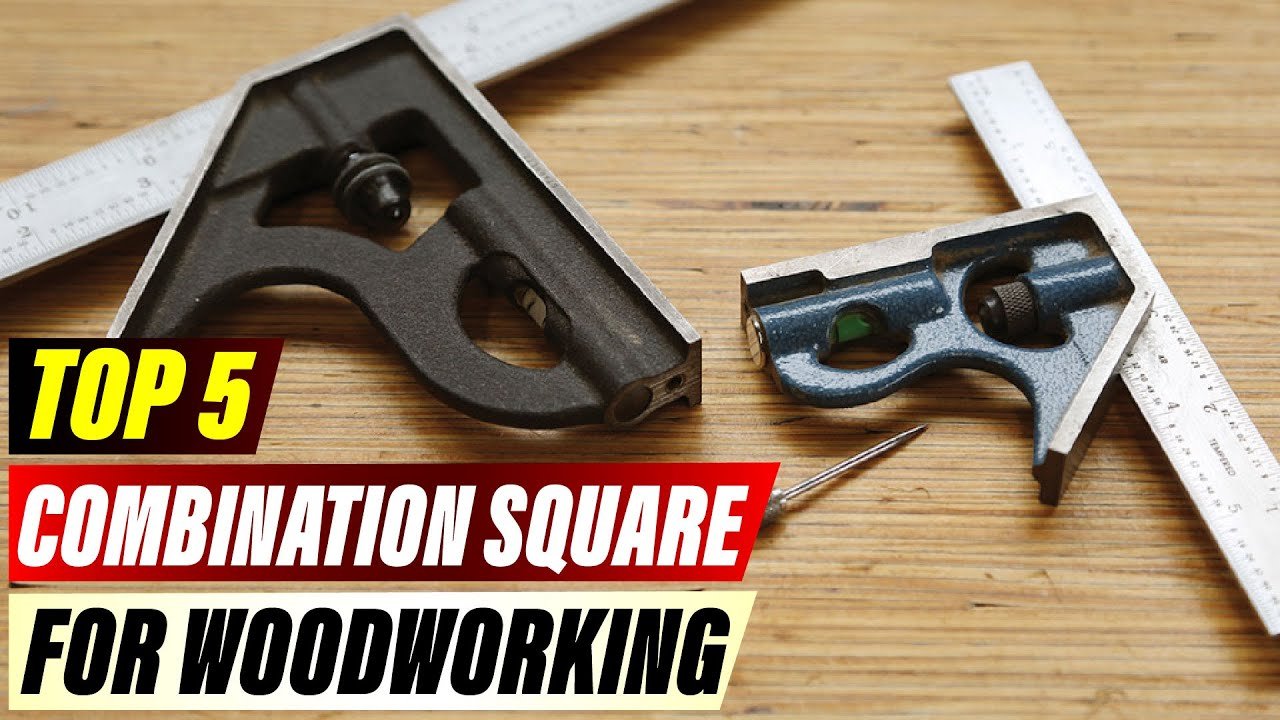
If you’re serious about woodworking, mastering your tools is key—and the combination square is one tool you can’t afford to overlook. Whether you’re measuring, marking, or checking angles, this simple device can make your work more precise and your projects look professional.
But are you really using your combination square to its full potential? You’ll discover practical tips that will help you get accurate measurements every time, avoid common mistakes, and speed up your workflow. Keep reading, and you’ll soon feel more confident and skilled with this essential woodworking tool.
Choosing The Right Combination Square
A combination square is a key tool for woodworking. It helps you measure, mark, and check angles with ease. Choosing the right one can save time and improve your work quality.
This guide covers types, materials, and sizes to help you find the best combination square for your projects.
Types Of Combination Squares
There are several types of combination squares. Each type has a specific use in woodworking tasks.
- Standard Combination Square:Used for measuring and marking 90 and 45-degree angles.
- Center Square:Helps find the center of round objects like dowels or pipes.
- Protractor Head:Allows measuring and marking angles other than 45 and 90 degrees.
- Depth Gauge:Used to measure depths or heights accurately.
Materials And Build Quality
Material quality affects the tool’s durability and accuracy. Choose a combination square made with strong materials.
| Material | Advantages | Disadvantages |
| Stainless Steel | Rust-resistant, durable | Usually more expensive |
| Carbon Steel | Strong, holds accuracy well | May rust if not cared for |
| Plastic or Aluminum | Lightweight, affordable | Less durable, less precise |
Size Considerations
Combination squares come in different sizes. The size impacts how you use the tool and what projects it suits.
- 6-inch squares:Good for small projects and tight spaces.
- 12-inch squares:Best for general woodworking and larger materials.
- Longer rulers:Useful for measuring long boards or panels.

Credit: www.reddit.com
Setting Up Your Combination Square
A combination square is a handy tool for woodworking. It helps you measure and mark angles and lines. Setting it up right makes your work easier and more precise.
This guide covers how to adjust the blade, use the locking mechanism, and check the tool’s accuracy. These steps prepare your combination square for any project.
Adjusting The Blade
The blade is the metal ruler part of your combination square. You can slide it in or out to match your needed measurements. Make sure it moves smoothly but stays firm.
To adjust the blade, loosen the locking screw. Slide the blade to the right length. Tighten the screw to hold the blade steady. Avoid overtightening to prevent damage.
Locking Mechanism Tips
The locking mechanism keeps the blade in place. It stops the blade from moving while you work. Check the lock before starting to ensure it holds tight.
- Use the knob or screw to lock the blade
- Turn slowly to avoid stripping the threads
- Test the lock by gently pushing the blade
- Re-tighten if the blade shifts during use
Calibrating For Accuracy
Calibration ensures the square measures angles correctly. Start by checking the 90-degree angle with a known straight edge. Place the blade and body flush against the edge.
- If the blade is off, adjust it and re-tighten the lock
- Use a carpenter’s square to compare angles
- Make small changes and test again until perfect
- Regular calibration keeps your tool reliable
Marking And Measuring Techniques
A combination square is a useful tool for woodworking. It helps you mark and measure wood accurately. Learning how to use it correctly makes your work neat.
This guide covers marking straight lines, measuring depth and height, and using the protractor feature. These tips improve your woodworking projects.
Marking Straight Lines
Use the combination square to mark straight lines easily. Place the ruler against the wood edge. Hold the head firmly to keep it steady.
Draw your line along the ruler edge. This ensures the line is straight and at a right angle to the wood edge. It helps with cutting or joining pieces.
- Place the square head against the wood edge
- Hold it tight so it does not move
- Draw a line along the ruler edge
- Check the line is straight and square
Measuring Depth And Height
The combination square can measure depth or height inside or outside the wood. Adjust the ruler to the needed length. Lock it in place with the screw.
Slide the ruler into holes or slots to check depth. For height, stand the square on a flat surface and measure from the base. This helps with even cuts and fitting.
- Loosen the lock screw to move the ruler
- Set the ruler to the desired depth or height
- Tighten the screw to fix the ruler
- Use the ruler end to measure inside holes or outside heights
Using The Protractor Feature
The combination square has a protractor for measuring angles. Loosen the knob and rotate the ruler to the angle needed. Tighten the knob to hold it.
Place the tool on your wood piece and mark along the ruler edge. This helps create precise angled cuts or joints for your project.
- Loosen the protractor knob
- Rotate the ruler to the correct angle
- Tighten the knob to lock the angle
- Mark your wood along the ruler edge
Checking And Squaring Edges
A combination square is a useful tool for woodworking. It helps check edges and angles precisely.
Using it properly ensures your workpieces fit well and look professional.
Verifying 90-degree Angles
To check if an edge is square, place the combination square’s blade against the side of the wood. The stock should sit flush on the adjacent surface.
- Slide the blade until it touches the edge to test the angle.
- Look for gaps between the stock and the wood surface.
- Adjust the piece if you see any light or space.
Testing 45-degree Angles
Many combination squares have a 45-degree angle built in. Use this to check miters or bevel cuts.
| How to Test | What to Look For |
| Place blade at 45 degrees on edge | Blade and edge fit tightly without gaps |
| Check both sides of the angle | Consistent contact on both surfaces |
| Adjust saw or sanding if needed | Angle matches the tool’s 45 degrees |
Correcting Out-of-square Workpieces
If your piece is not square, mark the high spots with a pencil. Use the combination square to guide your corrections.
Follow these tips to fix the shape:
- Place the square against the edge to find where it is out of line.
- Mark the areas that stick out or are uneven.
- Use a plane or sandpaper to remove excess material.
- Recheck the angle with the square.
- Repeat until the edge is perfectly square.
Advanced Uses For Precision
A combination square is a great tool for woodworking. It helps you make accurate measurements and cuts. You can use it for more than just basic tasks.
Here are some advanced ways to use a combination square for precise woodworking projects.
Transferring Measurements
You can use a combination square to transfer measurements from one piece of wood to another. This helps keep parts the same size and shape. It is very useful for making multiple pieces that fit together.
Set the ruler on the wood and lock the head in place. Move the square to the new piece and mark the measurement. This saves time and reduces errors.
Scribing Parallel Lines
A combination square can draw parallel lines easily. The adjustable ruler lets you set the distance from the edge. You can then run the square along the wood to mark a straight line.
This method is good for marking cut lines or guide lines for joinery. It ensures your lines stay parallel and consistent across the workpiece.
- Set the ruler to the desired width
- Lock the head to hold the measurement
- Slide the square along the edge to scribe the line
Combining With Other Tools
You can use a combination square with other tools for better accuracy. For example, pair it with a marking knife to score precise lines. Use it with a try square for checking right angles.
It also works well with calipers or rulers for detailed measurements. Using multiple tools together helps improve the quality of your woodworking projects.

Credit: www.youtube.com
Maintenance And Care
Keeping your combination square in good shape ensures accurate measurements. Proper care extends its life and performance.
Follow simple steps for cleaning, storing, and protecting your tool from damage and rust.
Cleaning Tips
After each use, wipe the combination square with a clean cloth. Remove dirt, dust, and sawdust to keep it clear.
- Use a soft brush to clean hard-to-reach areas.
- Apply a light machine oil on metal parts to prevent buildup.
- Avoid harsh chemicals that may damage the finish.
Storage Suggestions
Store your combination square in a dry and safe place. This prevents accidental damage and keeps it ready to use.
| Storage Method | Benefit |
| Toolbox with padding | Protects from knocks and scratches |
| Dedicated tool rack | Easy access and organization |
| Plastic case with seal | Keeps out dust and moisture |
Preventing Rust And Damage
Rust weakens your tool and affects accuracy. Take these steps to keep it rust-free and safe.
- Keep the tool dry; wipe off water after use.
- Apply a thin coat of rust inhibitor or light oil regularly.
- Check the tool for damage and fix loose parts quickly.
- Avoid dropping or banging the square to maintain its shape.

Credit: www.familyhandyman.com
Frequently Asked Questions
How Do I Use A Combination Square For Woodworking?
To use a combination square, set the ruler to the desired measurement. Lock it in place, then align the head with your workpiece edge. Use it to mark, measure, or check angles accurately. It helps ensure precise cuts and consistent joinery in woodworking projects.
What Are Common Combination Square Tips For Accuracy?
Always calibrate your combination square before use. Keep the ruler clean and free from damage. Use the square’s spirit level to check flatness. Apply steady pressure when marking lines to avoid slips. These tips improve measurement accuracy and woodworking quality.
Can A Combination Square Measure Angles Besides 90 Degrees?
Yes, a combination square can measure 45-degree and 90-degree angles. It features a movable head that locks at these angles. This versatility makes it ideal for marking miters, checking joints, and laying out angled cuts in woodworking.
How To Maintain And Store A Combination Square Properly?
Keep the combination square dry and clean after use. Store it in a protective case or toolbox to prevent damage. Periodically check calibration and tighten any loose parts. Proper maintenance extends tool life and ensures consistent woodworking results.
Conclusion
Using a combination square in woodworking simplifies your projects. It’s a versatile tool. Ensures precise measurements and clean cuts. Always keep it handy in your toolbox. Practicing with it boosts your confidence. Helps avoid costly mistakes. Remember to check for square regularly.
A reliable combination square becomes your best friend. It guides you through complex tasks. Suitable for both beginners and experts. Enhances the quality of your work. So, next time you start a project, grab your combination square. Let it lead the way to success.
Happy woodworking!