When you’re working on woodworking projects, dust can quickly become a big problem. Tiny particles float in the air and can harm your lungs without you even realizing it.
Using the right dust mask is one of the simplest and most effective ways to protect yourself. But not all masks work the same, and wearing one the wrong way can leave you vulnerable. You’ll discover easy tips to choose, wear, and maintain dust masks that keep you safe and comfortable while you create.
Keep reading to learn how a simple mask can make a huge difference in your woodworking experience.

Credit: www.youtube.com
Choosing The Right Dust Mask
Using a dust mask is important for woodworking projects. It protects your lungs from harmful dust and particles.
Choosing the right dust mask helps keep you safe and comfortable during work.
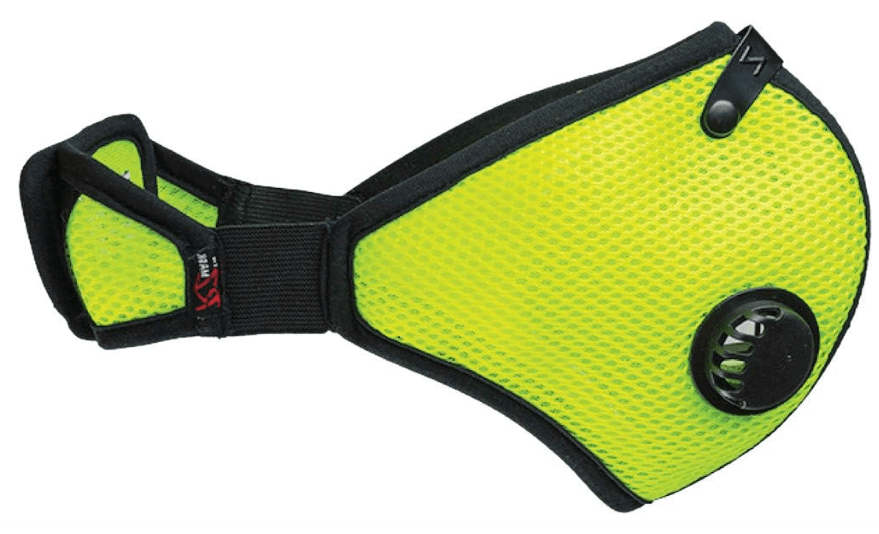
Types Of Dust Masks
There are different types of dust masks. Each type offers different levels of protection.
- Disposable masks: Light use, easy to throw away after use
- Reusable masks: Have replaceable filters, last longer
- Respirators: Provide higher protection, used for heavy dust
Filter Ratings To Consider
Dust masks have filter ratings. These show how well the mask blocks dust and particles.
- N95: Blocks 95% of small particles
- N99: Blocks 99% of small particles
- P100: Blocks 99.97% of particles, also oil-resistant
Fit And Comfort Factors
A good fit keeps dust out and makes the mask easier to wear. Comfort helps you wear the mask longer.
- Look for adjustable straps for a snug fit
- Check for a nose clip to seal around your nose
- Choose masks made from breathable materials
- Consider masks with soft inner lining to reduce irritation
Credit: treecarezone.com
Preparing For Woodworking
Woodworking creates dust that can harm your lungs. Using a dust mask helps protect your health. Proper preparation makes your work safer and easier.
Before starting, check your dust mask and set up a clean workspace. Good airflow also reduces dust in the air. Follow these tips to prepare well.
Inspecting Your Dust Mask
Look over your dust mask before each use. A damaged mask will not protect you well. Check the straps, filters, and mask body for problems.
- Make sure straps are not stretched or broken
- Check filters for dirt or clogging
- Look for cracks or holes in the mask
- Replace filters regularly for best protection
- Test the mask fit to your face before working
Setting Up A Dust-free Workspace
Keep your workspace clean to reduce dust buildup. Organize your tools and remove scrap wood often. Use a vacuum or broom to clean floors and surfaces.
| Task | Tip |
|---|---|
| Tool Storage | Store tools properly to avoid clutter and dust traps |
| Wood Scraps | Clear scraps regularly to prevent dust spread |
| Cleaning | Sweep or vacuum daily for a dust-free floor |
| Work Surfaces | Wipe down surfaces after each project |
Proper Ventilation Tips
Good airflow lowers dust and fumes in your workspace. Open windows or use fans to move air outside. Avoid breathing dust by keeping air fresh.
- Open windows near your work area
- Use exhaust fans to pull dust outside
- Place a fan behind you to blow dust away
- Keep doors open to create air flow
- Do not rely on your dust mask alone for air quality
Wearing Dust Masks Correctly
Using dust masks is very important for woodworking safety. Masks protect your lungs from dust and small particles. Wearing them right helps keep you safe during projects.
Make sure your dust mask fits well and stays clean. This guide will help you wear your mask properly for better protection.
Steps For Proper Mask Fit
Follow these steps to make sure your dust mask fits your face tightly and comfortably. A good fit stops dust from leaking inside.
- Wash your hands before touching the mask.
- Hold the mask by the straps and place it over your nose and mouth.
- Pull the straps over your ears or around your head.
- Press the nose clip firmly to fit the shape of your nose.
- Check for gaps by breathing in and out. Adjust if air leaks around the edges.
- Make sure the mask feels snug but not too tight.
Common Fit Issues And Fixes
Sometimes masks do not fit well. Here are common problems and ways to fix them.
| Issue | Cause | Fix |
| Mask slips down | Straps too loose | Tighten or replace straps |
| Air leaks near nose | Nose clip not shaped properly | Press nose clip firmly to fit nose |
| Mask gaps at cheeks | Wrong mask size | Try smaller or larger mask |
| Mask feels uncomfortable | Too tight or wrong shape | Adjust straps or try different mask style |
Avoiding Mask Contamination
Keep your dust mask clean to protect your health. Follow these tips to avoid contamination.
- Store masks in a clean, dry place.
- Do not touch the mask surface while wearing it.
- Wash reusable masks after each use.
- Replace disposable masks if they get dirty or damaged.
- Never share your mask with others.
Maintaining Dust Masks
Dust masks protect your lungs from sawdust and small particles. Keeping them clean and in good shape helps them work well. Proper care extends their life and keeps you safe during woodworking.
This guide covers cleaning reusable masks, when to replace disposable ones, and the best ways to store your dust masks.
Cleaning Reusable Masks
Reusable dust masks need regular cleaning to remove dust and germs. Clean them after each use to keep them fresh and effective. Use mild soap and warm water for washing.
- Remove filters before washing if possible.
- Gently scrub the mask with soap and water.
- Rinse thoroughly to remove all soap.
- Air dry the mask completely before use.
- Check for damage or wear during cleaning.
When To Replace Disposable Masks
Disposable masks lose their ability to filter dust after some use. Replace them to avoid breathing in harmful particles. Watch for these signs to know when to change your mask.
| Sign | Reason to Replace |
| Difficulty breathing | Mask is clogged with dust |
| Mask becomes damaged | Loss of proper fit or protection |
| Visible dirt or stains | Mask is contaminated |
| After heavy use | Filters are no longer effective |
Storage Best Practices
Store your dust masks in a clean, dry place to keep them ready for use. Proper storage stops damage and contamination. Avoid places with dirt, moisture, or direct sunlight.
- Keep masks in a sealed container or bag.
- Store reusable masks separately from disposable ones.
- Do not crush or bend masks during storage.
- Label storage containers for easy identification.
- Check stored masks regularly for any signs of damage.
Additional Safety Measures
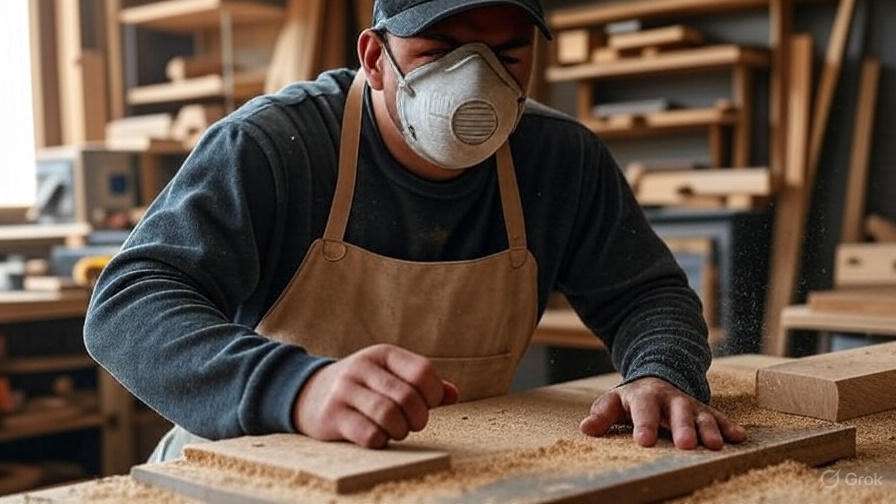
Using dust masks during woodworking protects your lungs from harmful particles. You should also follow other safety steps. These steps help keep you safe and healthy while working.
Pay attention to all safety rules. This stops accidents and long-term health problems.
Using Eye And Ear Protection
Wear safety glasses to protect your eyes from dust and wood chips. Use earplugs or earmuffs to reduce loud noise from tools.
Eye and ear protection helps prevent injuries and hearing loss. Always wear them along with your dust mask.
- Choose glasses with side shields for full eye protection.
- Use ear protection with a proper noise reduction rating (NRR).
- Check your gear for damage before use.
- Replace worn-out protection immediately.
Handling Wood Dust Safely
Wood dust can irritate your skin and lungs. Avoid touching your face or eyes after contact with dust.
Keep your workspace clean and well-ventilated. Use a vacuum or dust collection system to reduce dust levels.
- Wear gloves to protect your skin from dust.
- Wash your hands and face after finishing your work.
- Dispose of dust and wood scraps safely.
- Use a dust mask even when cleaning up.
Emergency Procedures For Exposure
If you breathe in a large amount of wood dust, move to fresh air right away. If you feel dizzy or have trouble breathing, get medical help.
If dust gets into your eyes, rinse them with clean water for several minutes. Seek medical attention if irritation continues.
- Have a first aid kit nearby.
- Know the location of the nearest emergency room.
- Inform someone about your work schedule.
- Keep emergency phone numbers handy.
Credit: treecarezone.com
Frequently Asked Questions
What Type Of Dust Mask Is Best For Woodworking?
For woodworking, use N95 or higher-rated masks. They filter fine wood dust effectively. Ensure the mask fits snugly to prevent dust inhalation and provides comfort for long use.
How Often Should I Replace My Woodworking Dust Mask?
Replace disposable dust masks after one day of heavy use. For reusable masks, follow manufacturer instructions and replace filters regularly to maintain proper protection.
Can Dust Masks Protect Against All Wood Dust Types?
Dust masks protect against most wood dust particles, but not chemical fumes. Use respirators for harmful chemicals or finishes. Always choose masks rated for your specific woodworking tasks.
How Do I Ensure Proper Fit For My Dust Mask?
Ensure a snug fit by adjusting nose clips and straps. Perform a fit check by inhaling to feel if the mask seals well. A proper fit maximizes dust protection during woodworking.
Conclusion
Dust masks are crucial for woodworking safety. They protect your lungs from dust. Choosing the right mask is vital. Ensure a snug fit for maximum protection. Replace masks regularly to maintain effectiveness. Consider comfort, especially for long projects. Always follow manufacturer guidelines for best results.
Clean your workspace to reduce dust levels. Safety should never be compromised. A good dust mask keeps you healthy while crafting. Remember, safety first in every project. Happy woodworking!