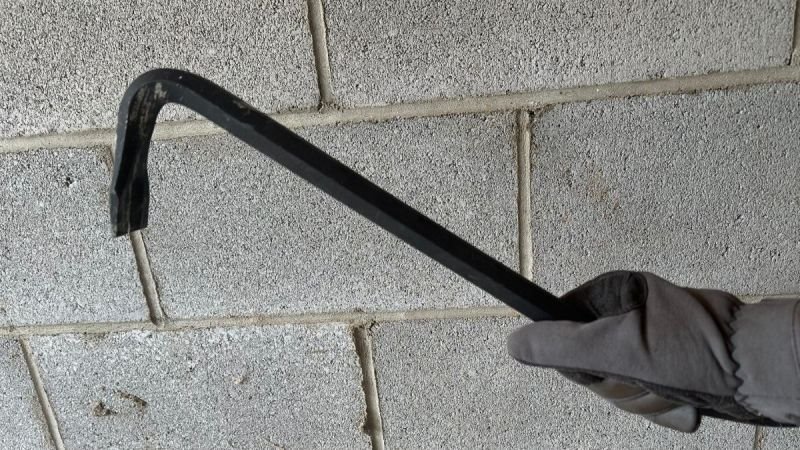
Are you planning to use a crowbar for your next project? Whether you’re prying open old floorboards or removing nails, using a crowbar might seem simple—but it can be dangerous if you’re not careful.
Knowing how to handle it safely can protect you from injuries and make your work much easier. In this guide, you’ll discover practical tips and expert advice to use your crowbar with confidence. Keep reading to learn how to work smarter and stay safe every time you pick up this powerful tool.
Choosing The Right Crowbar
Choosing the right crowbar makes your work easier and safer. Crowbars come in many shapes and sizes. Picking the right one depends on the job you want to do.
Using the wrong crowbar can cause damage or injury. This guide helps you select the right type, size, and material for your task.
Types Of Crowbars
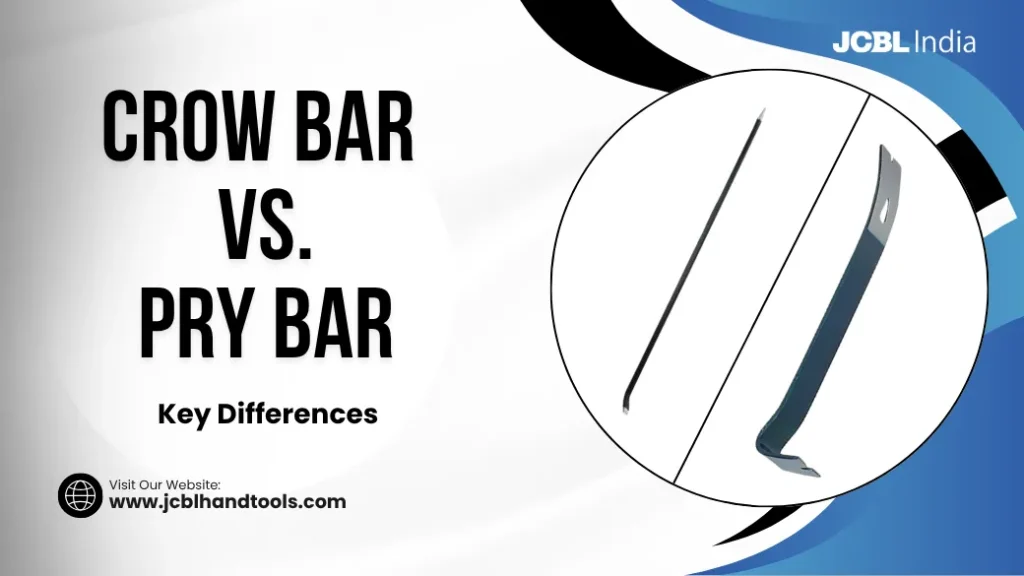
Crowbars vary by shape and use. Some are flat and thin for prying. Others are thick and curved for heavy lifting. Knowing the types helps you pick the right tool.
- Flat Bar: Thin and flat, good for lifting and prying.
- Gooseneck Bar: Curved end for strong leverage.
- Cat’s Paw: Small and sharp, ideal for removing nails.
- Pinch Bar: Long and narrow, used for heavy prying.
- Wrecking Bar: Large and heavy for demolition.
Material And Size Considerations
| Material | Strength | Weight | Common Use |
|---|---|---|---|
| Steel | High | Heavy | Heavy-duty jobs and demolition |
| Alloy Steel | Very High | Moderate | Strong and durable for tough tasks |
| Carbon Steel | High | Moderate | General purpose prying and lifting |
| Aluminum | Moderate | Light | Light tasks and easy handling |
Size matters too. Longer crowbars give more leverage but weigh more. Shorter bars are easier to handle in tight spaces.
Selecting For Specific Tasks
Pick a crowbar that fits the task. Use a small cat’s paw for nail removal. Choose a heavy wrecking bar for demolition. Match size and strength to your work.
- For nail removal, use a cat’s paw or flat bar.
- For lifting floorboards, a gooseneck bar works well.
- For demolition, pick a heavy steel wrecking bar.
- For light prying, an aluminum bar is easier to carry.
- For tight spaces, choose a short, thin crowbar.
Preparing Your Workspace
Using a crowbar can be dangerous if your workspace is not ready. You need to prepare the area to avoid accidents.
Good preparation helps you work faster and stay safe. Focus on clearing space, lighting, and safety zones.
Clearing The Area
Remove all objects that can block your movement or cause you to trip. Keep the floor clean and dry.
- Pick up tools and materials not in use
- Move furniture and obstacles away
- Check for loose rugs or cords
- Make sure the ground is stable and flat
Ensuring Proper Lighting
Good lighting helps you see what you are doing. It reduces mistakes and prevents injuries.
| Lighting Type | Use | Tip |
| Natural Light | Daytime work | Open windows or doors |
| Overhead Light | General lighting | Use bright bulbs |
| Task Light | Focused areas | Use portable lamps or flashlights |
Setting Up Safety Zones
Safety zones keep others away from your work. They help avoid accidents and distractions.
- Mark the area with tape or cones
- Use signs to warn others
- Keep pets and children out
- Wear proper safety gear inside the zone
Personal Protective Equipment
Using a crowbar involves risks that can cause injury. Wearing the right protective gear keeps you safe. This guide covers key personal protective equipment for crowbar use.
Protecting your hands, eyes, and feet lowers the chance of harm. Always wear the proper equipment before starting work.
Gloves And Hand Protection
Gloves protect your hands from cuts, bruises, and splinters. Choose gloves that fit well and offer a good grip on the crowbar.
- Wear heavy-duty work gloves made of leather or reinforced fabric.
- Check gloves for holes or tears before use.
- Replace gloves if they become wet or damaged.
- Ensure gloves allow good finger movement for control.
Eye Protection
Eye injuries can happen if debris flies while using a crowbar. Protect your eyes by wearing safety glasses or goggles.
Choose eye protection that:
- Fits snugly and covers your entire eye area
- Is made of impact-resistant materials
- Has anti-fog and scratch-resistant coatings
- Meets safety standards like ANSI Z87.1
Footwear And Clothing
Proper footwear and clothing prevent injuries from falling objects and sharp materials. Wear sturdy boots and durable clothes.
| Item | Recommended Features | Purpose |
| Work Boots | Steel toe, non-slip soles | Protect feet from heavy impacts and slips |
| Long Pants | Thick, tear-resistant fabric | Shield legs from cuts and scrapes |
| Long-Sleeve Shirt | Durable material, close-fitting cuffs | Protect arms from scratches and debris |

Credit: www.tataagrico.com
Proper Handling Techniques
Using a crowbar safely reduces the risk of injury. Proper handling helps you work better and protects your body.
Focus on the right grip, stance, and force to avoid accidents. Learning these basics keeps you safe during tasks.
Correct Grip And Stance
Hold the crowbar firmly with both hands. Keep your dominant hand near the curved end and the other hand near the middle.
- Stand with feet shoulder-width apart
- Bend your knees slightly for balance
- Keep your back straight to avoid strain
- Face the work area directly to control the tool
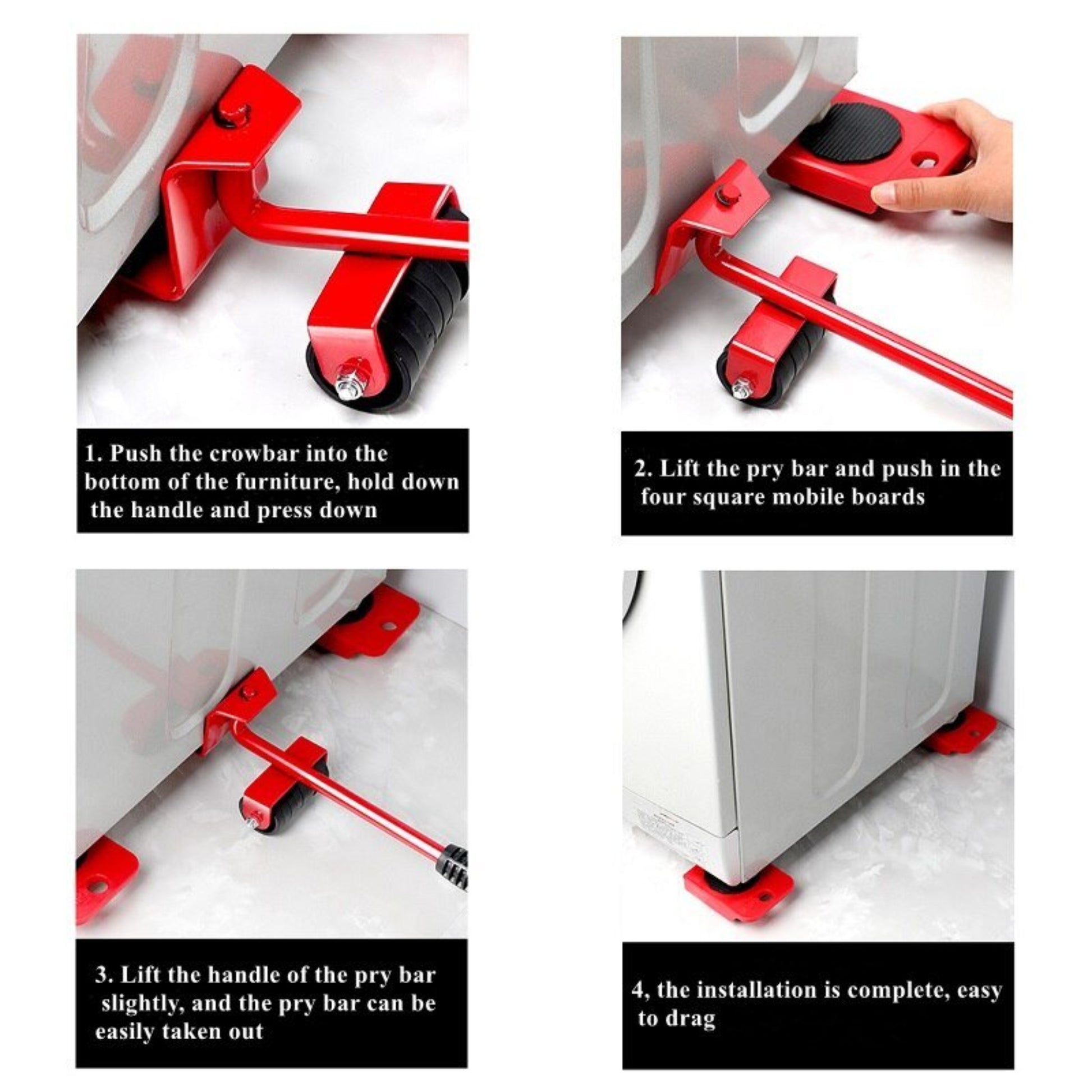
Applying Force Safely
Push or pull slowly to avoid sudden movements. Use your body weight, not just your arms, to apply force.
| Force Type | How to Apply |
| Leveraging | Use the curved end to pry with steady pressure |
| Pulling | Grip firmly and pull toward your body |
| Pushing | Push away with your hands and body weight |
Avoiding Overreach And Strain
Keep the crowbar close to your body. Avoid stretching or twisting your arms and back too much.
- Move your feet instead of overreaching
- Take breaks to rest muscles
- Use gloves to improve grip and reduce blisters
- Check your posture often during work
Common Hazards To Avoid
Using a crowbar can be dangerous if you do not take care. Knowing common hazards helps keep you safe.
This guide covers pinch points, sharp edges, unstable materials, and fatigue. Avoiding these risks reduces injury chances.
Pinch Points And Sharp Edges
Pinch points happen where the crowbar can trap your fingers or hands. Sharp edges on the tool or materials can cut you.
- Keep your hands clear of the contact areas.
- Wear gloves to protect from cuts and scrapes.
- Inspect the crowbar for burrs or rough edges before use.
- Use the right tool size to avoid slipping.
Unstable Materials
Unstable materials can shift or fall while using a crowbar. This can cause falls or crush injuries.
| Hazard | Safety Tip |
| Loose bricks | Secure before prying |
| Stacked wood | Check stability first |
| Heavy objects | Use supports or helpers |
| Debris piles | Clear area before work |
Fatigue And Loss Of Focus
Fatigue makes accidents more likely. Losing focus causes mistakes with the crowbar.
To stay safe:
- Take regular breaks during long tasks
- Work in well-lit areas
- Keep your mind on the task
- Stop if you feel tired or distracted
Credit: scccltd.com
Maintenance And Storage Tips
Keeping your crowbar in good shape helps it last longer. Proper care also keeps you safe while using it.
Follow simple steps to clean, store, and know when to replace your crowbar. This guide covers those tips.
Cleaning And Inspecting The Tool
Clean your crowbar after every use to remove dirt and rust. Use a wire brush or cloth with mild soap and water.
- Dry the tool completely to stop rust.
- Look for cracks, bends, or loose parts.
- Check the tip and claw for damage.
- Apply light oil to metal parts to prevent rust.
Safe Storage Practices
| Storage Method | Benefit |
| Hang on a wall rack | Keeps tool dry and easy to find |
| Store in a toolbox | Protects from dust and damage |
| Keep in a dry place | Prevents rust and corrosion |
| Cover with cloth or plastic | Blocks moisture and dirt |
Choose a storage spot that is dry and safe. Avoid leaving your crowbar on the ground or outside.
When To Replace Your Crowbar
Replace your crowbar if you see these signs to avoid accidents:
- Large cracks or breaks in the metal
- Severe bending that stops it from working well
- Worn or damaged tips and claws
- Rust that cannot be cleaned off
- Loose or missing parts
Emergency Procedures
Using a crowbar can lead to injuries if not handled carefully. Knowing what to do in an emergency is important to keep yourself and others safe.
This guide covers how to respond to injuries, basic first aid, and when to seek professional help.
Responding To Injuries
Stay calm and act quickly if someone is hurt. Check the injured person’s condition before doing anything.
- Stop any bleeding by pressing a clean cloth on the wound.
- Do not move the person unless they are in danger.
- Keep the injured person comfortable and still.
- Call for help if the injury is serious.
First Aid Basics
Knowing simple first aid can prevent injuries from getting worse. Always have a first aid kit nearby when working with tools like crowbars.
| Injury Type | First Aid Action |
| Cut or Puncture | Clean wound, apply pressure, cover with bandage |
| Bruise | Apply cold pack to reduce swelling |
| Sprain | Rest the area, use ice, compress with bandage |
| Burn | Cool with running water, cover with sterile dressing |
Seeking Professional Help
Some injuries need medical attention. Know when to get help from doctors or emergency services.
- Severe bleeding that won’t stop
- Broken bones or deep wounds
- Loss of consciousness or confusion
- Signs of infection like redness or swelling
- Burns larger than a few inches
Credit: jcblhandtools.com
Frequently Asked Questions
How Do I Hold A Crowbar Safely?
Hold the crowbar firmly with both hands. Keep your grip near the base for better control. Always wear gloves to avoid blisters and improve grip.
What Personal Protective Equipment Is Needed?
Wear safety goggles to protect your eyes from flying debris. Use gloves to prevent hand injuries. Steel-toed boots are recommended for foot protection.
How Do I Avoid Damaging Surfaces With A Crowbar?
Use a wooden block as a buffer between the crowbar and the surface. Apply steady, controlled pressure. Avoid sudden or excessive force to prevent damage.
When Should I Replace My Crowbar?
Replace your crowbar if it shows cracks, bends, or rust. A damaged tool can break and cause injuries. Regularly inspect your crowbar for wear and tear.
Conclusion
Using a crowbar safely is essential for avoiding injuries. Always wear protective gear like gloves and goggles. Position your hands securely on the handle. Ensure the crowbar is in good condition before use. Avoid using excessive force to prevent accidents.
Proper technique reduces the risk of damage to surfaces. Remember, safety comes first. Practice makes handling a crowbar easier and safer. Keep your workspace organized and free of obstacles. This ensures a safer environment while working. Follow these tips to work efficiently and safely.
Your safety is important, so take precautions seriously. Stay safe and work smart.