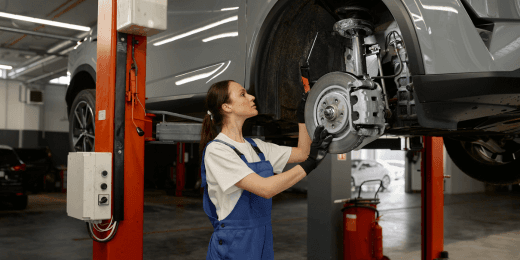
Your protective clothing is your first line of defense in any workshop. If you want it to keep you safe, you need to take care of it the right way.
Imagine working with gear that’s worn out or dirty—it puts you at risk and lowers your confidence. But don’t worry, maintaining your protective clothing doesn’t have to be complicated. You’ll discover simple, effective steps to keep your gear in top shape.
By following these tips, you’ll protect yourself better and make your work environment safer. Ready to learn how to care for your protective clothing like a pro? Let’s dive in.
Choosing The Right Protective Clothing
Protective clothing keeps workers safe from hazards in workshops. Choosing the right type is important for safety and comfort.
Knowing the materials, fit, and specific needs helps pick the best clothing for each job.
Materials And Fabrics
Protective clothing is made from many materials. Each fabric protects against different risks like fire, chemicals, or cuts.
Common materials include cotton, polyester, Kevlar, and leather. Some fabrics resist heat, while others stop liquids or sharp objects.
- Cotton: Breathable and good for low-risk jobs
- Polyester: Durable and water-resistant
- Kevlar: Strong and cut-resistant
- Leather: Protects against heat and sparks
Fit And Comfort
Clothing must fit well to protect properly. Too loose or too tight clothes can cause accidents or discomfort.
Comfort matters because workers wear protective gear for long hours. Choose clothes that allow easy movement and good air flow.
- Check sizes carefully before buying
- Try different styles for best fit
- Look for adjustable features like straps or elastic bands
- Pick breathable fabrics to reduce sweating
Industry-specific Requirements
Different workshops have unique dangers. Protective clothing must meet rules for each industry to keep workers safe.
For example, welders need flame-resistant clothing. Painters need protection against chemicals. Choose clothing made for the job.
- Welding: Flame-resistant and heat-proof fabrics
- Painting: Chemical-resistant suits
- Construction: High-visibility and durable materials
- Electrical work: Insulating and non-conductive clothing

Credit: www.esedirect.co.uk
Daily Inspection And Cleaning
Protective clothing keeps workers safe in workshops. Regular checks and cleaning help keep them effective.
Daily care extends the life of protective gear and ensures safety at all times.
Spot Checks For Damage
Check protective clothing every day before use. Look for tears, holes, or worn areas.
Damaged clothing might not protect well. Replace or repair gear with any defects.
- Look closely at seams and edges
- Check for stains that weaken fabric
- Test zippers and fasteners
- Ensure reflective strips are intact
Proper Cleaning Techniques
Clean protective clothing according to the label instructions. Use mild detergents and cold water.
Air dry the clothing away from direct sunlight to avoid damage. Avoid using a dryer if possible.
- Remove dirt and grease gently
- Do not scrub fabric hard
- Wash separately from regular clothes
- Use soft brushes for stubborn stains
Avoiding Harsh Chemicals
Harsh chemicals can weaken protective clothing fibers. Do not use bleach or strong solvents.
Choose gentle cleaning agents safe for your clothing type. Harsh chemicals reduce protection over time.
- Skip bleach and chlorine products
- Avoid fabric softeners
- Use eco-friendly detergents
- Test any new cleaner on a small area first
Storage Best Practices
Proper storage helps keep protective clothing in good shape. It extends the life of the clothes and keeps them ready for use.
Good storage stops damage and keeps the clothes clean and safe. Follow these tips to store your protective gear well.
Dry And Ventilated Areas
Store protective clothing in dry places to stop mold and mildew. Moisture can break down the fabric and cause bad smells.
Ventilation helps air move around the clothes. This keeps them fresh and stops moisture build-up.
- Choose rooms with good airflow
- Use racks or hangers to avoid stacking wet clothes
- Keep storage areas clean and dry
Avoiding Sunlight And Heat
Sunlight and heat can weaken protective fabrics over time. They cause colors to fade and materials to break.
Keep your clothing away from windows and heaters. Store them in cool, shaded spaces to keep their strength.
- Do not store near direct sunlight
- Avoid areas close to heating devices
- Use curtains or covers if needed
Organizing For Easy Access
Organize clothing so workers find what they need quickly. Good order helps save time and keeps clothes neat.
Label shelves or racks by clothing type or size. Keep frequently used items at eye level or near the door.
- Use clear labels on storage units
- Group similar items together
- Keep heavy or bulky items on lower shelves
- Reserve space for quick access to daily gear

Credit: m.youtube.com
Repair And Replacement Guidelines
Protective clothing keeps workers safe in workshops. It needs regular care to work well.
Knowing when to fix or replace gear saves money and keeps safety high.
Identifying Wear And Tear
Check protective clothes often for holes, tears, or worn areas. Look at seams and fasteners too.
Stains or burns may weaken the fabric. Fading can show material damage from sun or chemicals.
- Holes or rips in key areas
- Loose or broken seams
- Worn out fasteners like zippers or buttons
- Burn marks or stains
- Faded or thin fabric spots
When To Repair Vs Replace
Small holes and loose threads can often be repaired safely. Large tears or burns need replacement.
Replace protective gear if damage affects safety or comfort. Old or very worn clothes should also be replaced.
- Repair small holes or loose seams
- Replace if damage is bigger than 3 inches
- Replace if fabric is weak or thin
- Replace if safety features fail
- Replace old gear past its lifespan
Professional Repair Services
Some protective clothing needs expert repair. Professionals use special tools and materials.
They ensure repairs keep safety standards. Use professional services for fireproof or chemical-resistant gear.
- Professional repair keeps gear safe
- Experts fix complex damage
- Use for specialized protective clothing
- Check repair certifications
- Ask about repair time and cost
Safety Protocols For Use
Protective clothing is vital in workshops to keep workers safe. Following safety protocols helps prevent injuries.
Proper use and care of protective gear ensure it works well every time. This guide explains key safety steps.
Proper Wearing Techniques
Wear protective clothing correctly to get full protection. Check that all parts fit well and cover the right areas.
Make sure to fasten buttons, zippers, or straps securely. Avoid loose clothing that can catch on machines.
- Put on the clothing before starting any work
- Cover arms, legs, and torso fully
- Secure all fasteners tightly but comfortably
- Wear gloves, helmets, or masks if needed
Maintaining Mobility And Protection
Protective clothing must allow you to move easily. Mobility helps you work safely without strain.
Choose clothing that fits your body and job tasks. Avoid materials that restrict movement or cause discomfort.
- Try on gear before use to test comfort
- Check for flexibility in arms, legs, and joints
- Replace worn-out or damaged clothing quickly
- Keep clothing clean to maintain protection
Regular Training And Updates
Training helps workers understand how to use protective clothing. It keeps safety knowledge up to date.
Hold regular sessions to review correct wearing, cleaning, and storage. Update training when new gear arrives.
- Schedule safety training every few months
- Teach how to inspect clothing for damage
- Show proper cleaning and storage methods
- Inform about new safety gear and rules

Credit: www.ted.ie
Extending Lifespan Of Protective Clothing
Protective clothing keeps workers safe in workshops. Taking care of this clothing helps it last longer.
Good maintenance saves money and ensures safety every day.
Rotating Gear Usage
Using the same protective clothing every day causes fast wear. Rotating gear helps spread out use.
Having extra sets lets you clean and dry clothes properly between uses.
- Buy multiple sets of protective clothing.
- Use one set while others dry or get cleaned.
- Rotate gear to prevent early damage.
- Check each item before use for signs of wear.
Avoiding Contamination
Protective clothing can get dirty or contaminated in workshops. Avoiding this keeps clothes safer and cleaner.
Do not wear protective clothing outside the workshop. Keep it away from harmful chemicals or dirt.
- Store clothing in a clean, dry place.
- Remove clothing before eating or leaving the work area.
- Handle clothes with clean hands to avoid stains.
- Use separate bags for dirty and clean clothing.
Routine Maintenance Schedules
Regular cleaning and inspection help keep protective clothing in good condition. Follow a set schedule for care.
Fix small tears or loose threads quickly to stop bigger damage.
- Clean clothing after each use according to manufacturer rules.
- Inspect gear weekly for damage or wear.
- Repair or replace damaged parts immediately.
- Record maintenance dates to track care history.
Frequently Asked Questions
How Often Should I Clean Protective Workshop Clothing?
You should clean protective clothing after every use to remove dirt and contaminants. Follow manufacturer instructions for washing to maintain fabric integrity. Regular cleaning ensures safety, prolongs garment life, and keeps protection effective.
What Detergents Are Safe For Protective Clothing?
Use mild, non-bleach detergents that do not degrade fabric coatings. Avoid fabric softeners as they reduce protective qualities. Always check garment labels for recommended cleaning agents to maintain performance.
How Should I Store Protective Clothing Properly?
Store clothing in a cool, dry place away from direct sunlight. Hang garments to prevent creases and damage. Proper storage preserves material strength and ensures readiness for the next use.
When Should Protective Clothing Be Replaced?
Replace clothing if it shows tears, burns, or significant wear. Loss of water or chemical resistance signals the need for replacement. Regular inspections help maintain workplace safety standards.
Conclusion
Proper care of protective clothing is crucial for safety. Clean gear regularly to remove dirt and chemicals. Inspect for damage before each use. Repair or replace worn-out items promptly. Store in a cool, dry place away from sunlight. Follow manufacturer’s guidelines for maintenance and cleaning.
This extends the lifespan of your gear. Also, ensures optimal protection. Invest time in care, reap the benefits in safety. Good maintenance practices keep you safe and efficient. Remember, well-maintained clothing is your first line of defense. Safety starts with proper gear care.
Stay safe, stay protected.