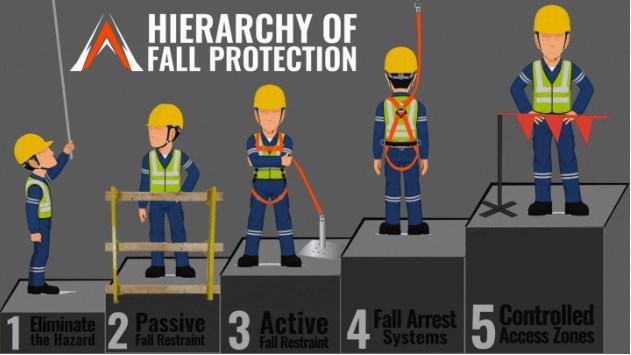
Working at heights can be risky, but it doesn’t have to be dangerous for you. Using the right fall arrest system is your best way to stay safe and avoid serious injuries.
Imagine having the confidence to focus on your job without worrying about a fall. This guide will show you exactly how to choose, use, and maintain fall arrest systems so you can protect yourself every time you work above ground.
Keep reading to learn the simple steps that can save your life.
Credit: www.ehs.washington.edu
Fall Arrest System Basics
Working at heights can be dangerous. Fall arrest systems help protect workers from serious injury if they fall.
These systems stop a fall quickly and reduce the force on the body. They are important for safety on job sites.
Key Components
A fall arrest system has several main parts. Each part plays a role in protecting the worker.
The key components include the harness, connectors, anchor points, and a shock absorber.
- Harness:Worn by the worker to attach to the system.
- Connectors:Link the harness to the anchor or lifeline.
- Anchor Points:Strong spots where the system is secured.
- Shock Absorber:Reduces the force on the worker during a fall.
Types Of Systems
There are different types of fall arrest systems. Each suits different kinds of work and heights.
Common types include personal fall arrest, lifelines, and travel restraint systems.
- Personal Fall Arrest System:Stops a fall after it starts.
- Lifeline Systems:Allow movement while connected to a safety line.
- Travel Restraint System:Prevents the worker from reaching a fall edge.
How They Work
Fall arrest systems catch a worker if they fall. They slow the fall and stop it safely.
The harness holds the worker, the connectors link to anchors, and the shock absorber lowers the impact.
- The anchor point stays secure to hold the fall force.
- The shock absorber stretches to reduce sudden force.
- The worker is stopped before hitting the ground or lower level.
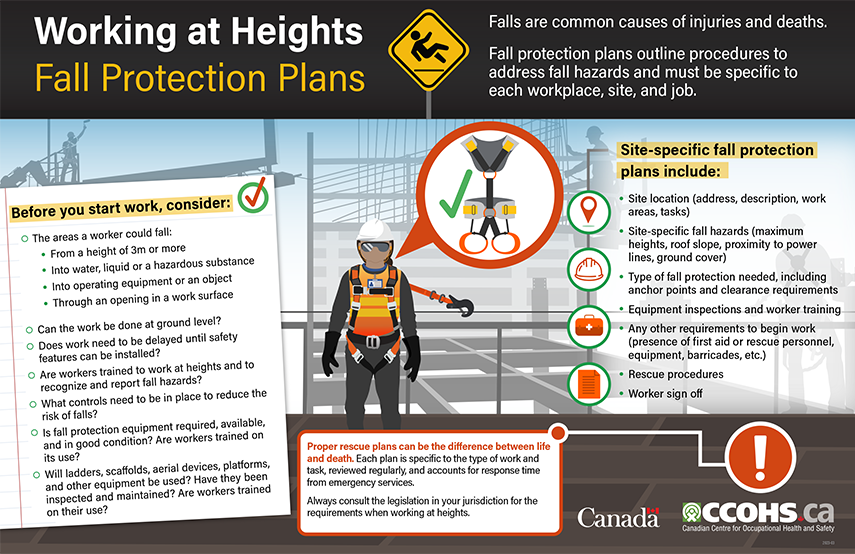
Credit: www.ccohs.ca
Choosing The Right System
Using fall arrest systems is key for safety when working at heights. Picking the right system helps protect workers from falls.
Each work situation needs a system that fits the environment and the worker’s needs. This guide helps you choose the best option.
Assessing Work Environment
Look at the job site carefully before choosing a fall arrest system. Check the height and type of work to be done.
Also, think about the surfaces and structures where the system will attach. This helps find a system that works well and stays secure.
- Indoor or outdoor work
- Height of the work area
- Attachment points available
- Weather conditions
Weight And Height Considerations
Choose a system that fits the worker’s body size and weight. Systems have limits for safe use.
Make sure the system adjusts for different heights. This keeps comfort and safety high during work.
| Factor | What to Check |
|---|---|
| Worker Weight | System’s weight limit must cover all users |
| Worker Height | Adjustable harness and lanyards for comfort |
| Clothing and Gear | Allow room for work clothes and equipment |
Compatibility With Equipment
The fall arrest system must work well with other tools and gear. Check if the system fits with helmets, boots, and gloves.
Also, confirm the system matches the anchor points and safety devices already in use. This avoids problems during work.
- Check harness and lanyard connections
- Ensure anchor points support the system
- Match system with personal protective equipment
- Test compatibility before starting work
Proper Installation Techniques
Using fall arrest systems correctly keeps workers safe at heights. Proper installation is key to prevent accidents.
This guide covers important steps for installing fall arrest systems safely and effectively.
Anchor Point Selection
Choose a strong anchor point that can hold the force of a fall. It should support at least 5,000 pounds.
Anchor points must be stable and secure to prevent movement during a fall.
- Use structural beams or engineered anchors
- Avoid weak or damaged surfaces
- Check manufacturer guidelines for anchor strength
- Position anchors overhead when possible
Securing Harnesses
Wear the harness correctly to ensure safety. It should fit snugly but allow movement.
Fasten all buckles and straps. Double-check for twists or loose ends.
- Adjust shoulder, chest, and leg straps evenly
- Attach the dorsal D-ring at the back between shoulder blades
- Inspect harness for wear or damage before use
- Follow manufacturer’s instructions for fitting
Connecting Lanyards And Lifelines
Use lanyards and lifelines that meet safety standards. Connect them firmly to the harness and anchor.
Inspect all connectors like carabiners and hooks to ensure they lock properly.
- Attach lanyard to the harness D-ring securely
- Connect the other end to the anchor point
- Use shock-absorbing lanyards to reduce fall impact
- Keep lifelines free of knots and damage
Inspection And Maintenance
Fall arrest systems keep workers safe at heights. Regular inspection and maintenance are important. They help find problems before accidents happen.
Proper care makes sure the equipment works well. It also extends the life of the system parts. Learn how to inspect and maintain fall arrest gear.
Routine Checks
Check your fall arrest system before each use. Look at all parts, including harnesses, lanyards, and anchors. Make sure everything is clean and working.
Look for loose stitching, broken parts, or dirt. Test the locking mechanism on connectors. Keep a checklist to track inspections regularly.
- Inspect harness straps for cuts or tears
- Check metal parts for rust or cracks
- Test hooks and buckles for proper locking
- Ensure labels and instructions are readable
- Clean dirt and debris from all components
Identifying Wear And Damage
Wear and damage reduce safety. Look closely at webbing for frays or burns. Check metal parts for dents or bends. Replace gear that shows signs of damage.
Small damage can grow into bigger problems. Do not use equipment with deep cuts or heavy wear. Always follow manufacturer guidelines to spot damage.
- Frayed or cut fibers in straps
- Discoloration or hard spots on webbing
- Rust, corrosion, or cracks in metal parts
- Deformed hooks or buckles
- Missing or unreadable labels
Storage Best Practices
Store fall arrest systems in a clean, dry place. Avoid direct sunlight and chemicals. Keep gear away from sharp objects and heat sources.
Proper storage keeps equipment in good shape. Hang harnesses to keep their shape. Store lanyards coiled without tight bends to avoid damage.
- Use a cool, dry storage area
- Keep away from sunlight and moisture
- Hang harnesses on hooks or hangers
- Coil lanyards loosely to prevent kinks
- Avoid storing near chemicals or heat
Safe Usage Practices
Using fall arrest systems safely is key to protecting workers at height. Knowing the right steps helps reduce risks.
This guide covers important checks, common mistakes, and what to do in emergencies with fall arrest equipment.
Pre-use Safety Checks
Inspect all parts of the fall arrest system before each use. Look for damage or wear on harnesses, lanyards, and anchors.
- Check webbing for cuts, frays, or burns
- Ensure metal parts are not cracked or corroded
- Test buckles and connectors for proper function
- Confirm anchor points are secure and rated for the load
- Verify that the system fits the user correctly
Avoiding Common Mistakes
Many accidents happen due to simple errors. Avoid these mistakes when using fall arrest systems.
| Mistake | Risk | How to Avoid |
| Using damaged equipment | System failure | Inspect before use |
| Incorrect harness fit | Reduced protection | Adjust straps properly |
| Unsecured anchor points | Fall hazard | Check anchor strength |
| Improper lanyard length | Excess fall distance | Choose correct lanyard size |
| Skipping training | Wrong use of system | Attend safety training |
Emergency Procedures
Know how to act quickly if a fall happens. Rescue plans must be ready before starting work.
- Call for emergency help immediately
- Do not leave the fallen worker alone
- Use rescue equipment to safely lower or raise the worker
- Perform first aid if trained to do so
- Report the incident to supervisors
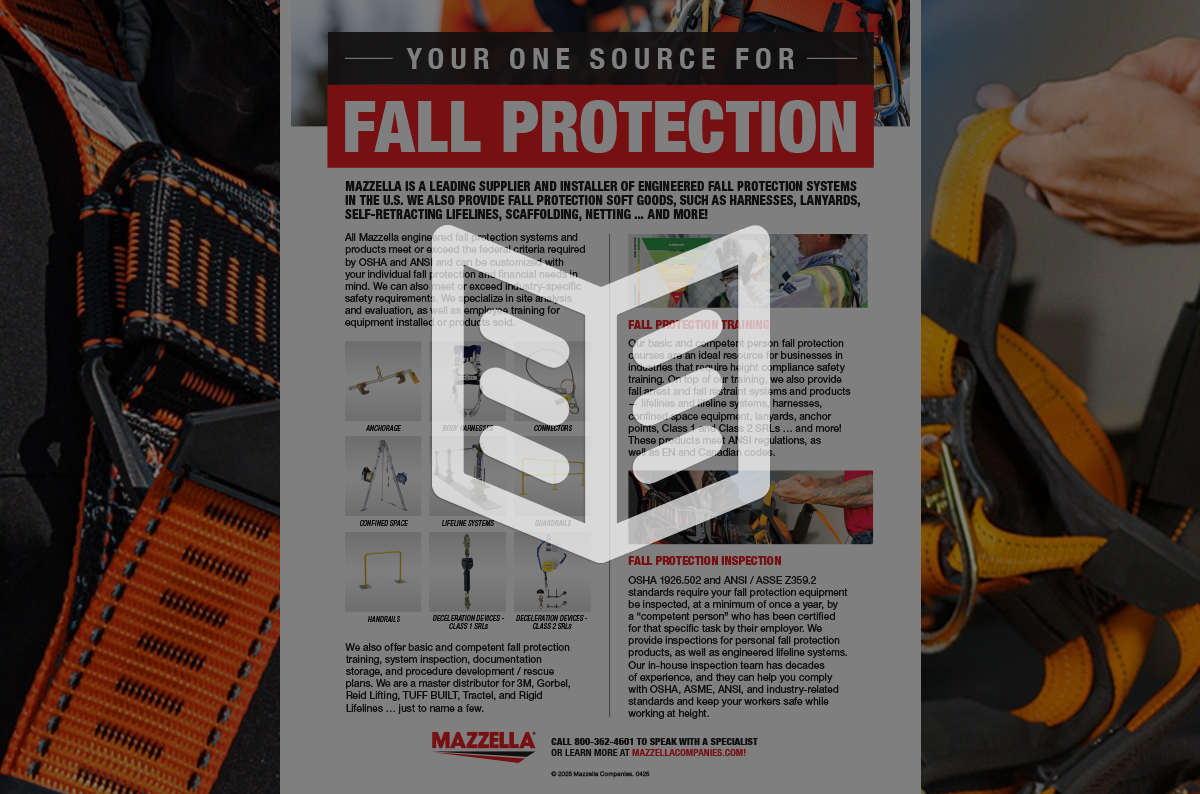
Credit: www.mazzellacompanies.com
Training And Certification
Using fall arrest systems safely requires proper training and certification. Workers must understand how to use the equipment correctly to prevent accidents.
Training ensures that users know the risks and follow safety rules. Certification proves that the worker has the needed skills and knowledge.
Required Skills
Workers need several skills to use fall arrest systems safely. They must know how to inspect equipment and handle emergencies.
- Understanding different types of fall arrest equipment
- Correctly fitting and adjusting harnesses
- Proper anchoring techniques
- Emergency rescue procedures
- Recognizing hazards at height
Available Courses
Many courses teach fall arrest system use. These courses combine theory and hands-on practice.
| Course Name | Duration | Focus Area |
| Fall Protection Basics | 1 Day | Equipment Use |
| Advanced Fall Arrest Training | 2 Days | Rescue & Safety |
| Competent Person Certification | 3 Days | Inspection & Supervision |
Maintaining Competence
Skills can fade without practice. Regular refresher training keeps workers safe and confident.
- Attend refresher courses every year
- Practice using equipment on site
- Review safety procedures before each job
- Report and fix any damaged equipment
- Stay updated with new safety rules
Legal And Compliance Aspects
Using fall arrest systems for work at heights requires following laws and rules. These rules protect workers from injuries and deaths.
Employers must know the legal needs before letting workers use fall protection gear. This guide explains key legal points.
Industry Standards
Industry standards set minimum safety levels for fall arrest systems. These standards come from trusted organizations.
- ANSI/ASSE Z359 series covers fall protection equipment and training.
- OSHA standards guide safe use of fall arrest systems.
- CSA Z259 is a Canadian standard for fall protection.
- EN 363 is a European standard for personal fall protection.
Following these standards helps companies keep workers safe and avoid legal trouble.
Regulatory Requirements
Regulations require employers to provide fall arrest systems when workers are at risk of falling.
| Requirement | Description |
| Risk Assessment | Identify fall hazards before work starts. |
| Training | Teach workers how to use equipment properly. |
| Equipment Inspection | Check gear regularly for damage or wear. |
| Rescue Plan | Have a plan to save workers after a fall. |
Failing to meet regulatory requirements can lead to fines and legal action.
Record Keeping
Keeping records of training, inspections, and incidents is legally required in many places.
- Document worker training dates and topics.
- Record equipment inspections and maintenance.
- Log any fall incidents or near misses.
- Store rescue plans and emergency contacts.
Good record keeping proves compliance and helps improve safety programs.
Frequently Asked Questions
What Is A Fall Arrest System?
A fall arrest system is safety equipment designed to stop a person’s fall from heights. It includes harnesses, lanyards, and anchors. It prevents serious injuries by safely catching workers before they hit the ground.
How Do Fall Arrest Systems Work?
Fall arrest systems work by absorbing the energy from a fall. The harness connects to a secure anchor point. When a fall occurs, the system stops the fall quickly to reduce impact forces on the body.
When Should You Use A Fall Arrest System?
Use a fall arrest system anytime you work above 6 feet or near fall hazards. It is essential for construction, roofing, and maintenance jobs. Always assess risks and wear proper safety gear to prevent falls.
Are Fall Arrest Systems Mandatory By Law?
Yes, OSHA and other safety agencies require fall arrest systems in many workplaces. Employers must provide and enforce their use to protect workers from height-related injuries. Compliance ensures safer work environments and avoids legal penalties.
Conclusion
Using fall arrest systems keeps workers safe at heights. It prevents accidents. Choose the right equipment for your specific job needs. Inspect gear regularly. Ensure it functions properly. Train workers to use systems correctly. Practice drills to enhance safety awareness.
Simple steps save lives. By following these guidelines, you protect your team. Safety is everyone’s responsibility. Your commitment to safety makes a difference. Stay informed. Stay cautious. Prioritize safety at every step. Remember, safety gear is essential. Don’t compromise on quality.
A safe work environment benefits everyone. Be vigilant. Be prepared. Protect your workers and ensure their safety every day.