Are you ready to take control of your plumbing projects and save money on repairs? Learning how to solder PEX pipes can make a huge difference in your home’s water system.
Whether you’re fixing a leak or installing new pipes, this guide will give you clear, simple steps to get the job done right. You don’t need to be an expert—just follow along, and you’ll gain the confidence to handle your PEX pipes like a pro.
Keep reading to discover the secrets that make soldering PEX pipes easy and effective.
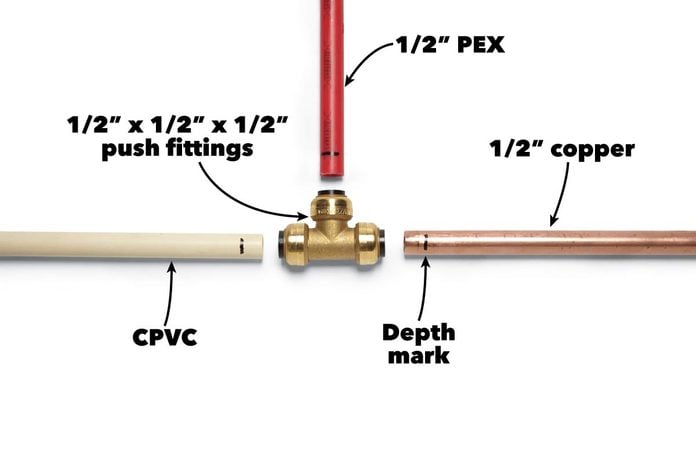
Credit: www.familyhandyman.com
Tools And Materials Needed
Soldering PEX pipes requires the right tools and materials. Using proper items helps make strong and leak-free joints.
This guide explains the types of PEX pipes, necessary soldering equipment, and safety gear.
Types Of Pex Pipes
PEX pipes come in different types based on their structure and use. Knowing the type helps you choose the right tools.
There are three common types of PEX pipes: PEX-A, PEX-B, and PEX-C.
- PEX-A:Most flexible and easy to bend. It uses a peroxide method for cross-linking.
- PEX-B:Stiffer than PEX-A. It is made using silane cross-linking.
- PEX-C:Least common. Made with electron beam cross-linking.
Soldering Equipment
Soldering PEX pipes needs special equipment to heat and join the pipes properly.
Common soldering tools include a propane torch, solder, flux, and fittings.
- Propane Torch:Provides the flame to heat the pipe and fitting.
- Solder:A metal alloy that melts to join pipes.
- Flux:A chemical that cleans metal surfaces for a better bond.
- Fittings:Connectors that hold pipes together during soldering.
- Pipe Cutter:Used to cut PEX pipes cleanly.
Safety Gear
Safety gear protects you from burns, fumes, and sharp tools while soldering PEX pipes.
Wear protective items to stay safe during the soldering process.
- Heat-resistant Gloves:Protect hands from hot surfaces and flames.
- Safety Glasses:Shield eyes from sparks and debris.
- Respirator Mask:Filters harmful fumes from flux and solder.
- Long Sleeves:Cover skin to avoid burns.
- Fire Extinguisher:Keep nearby in case of accidental fire.
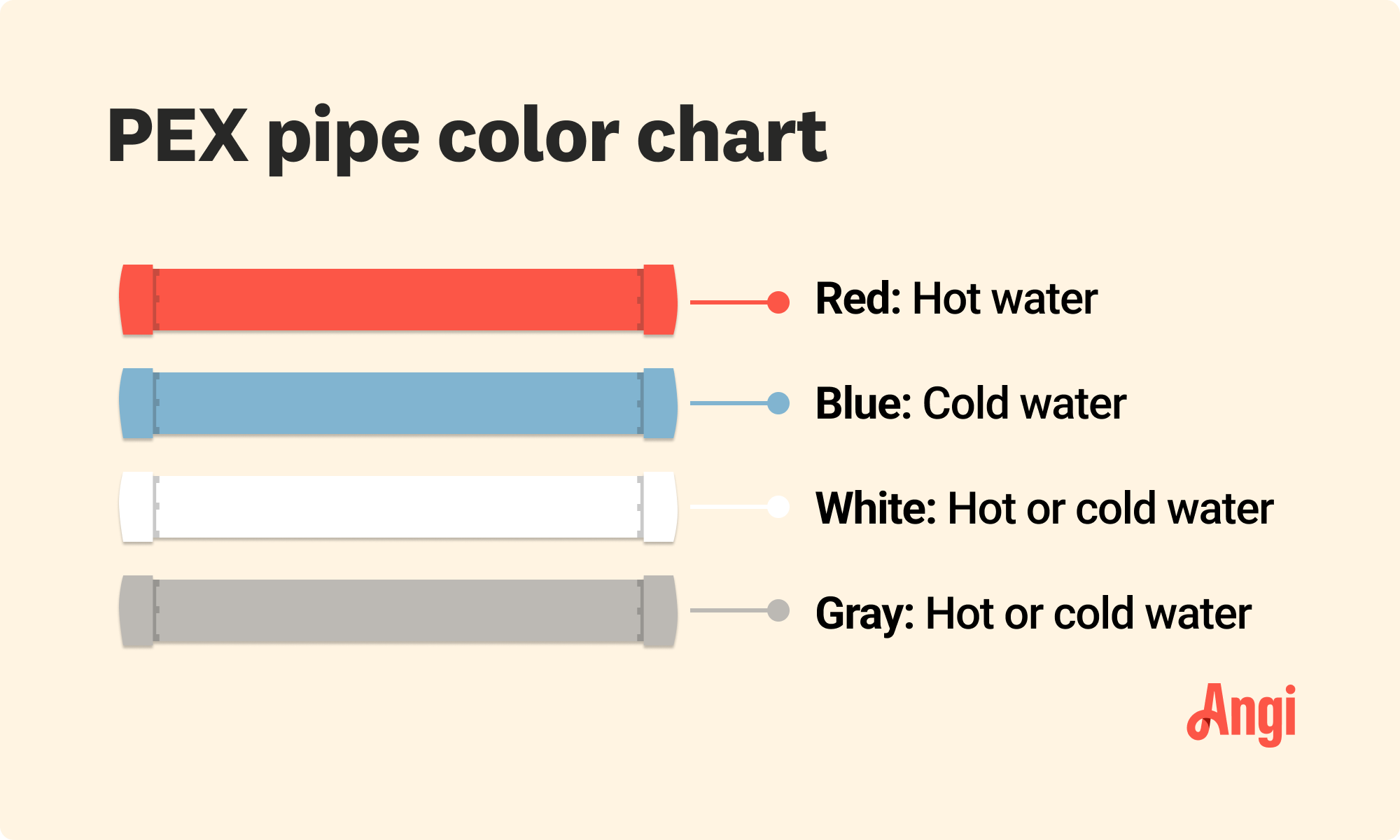
Credit: www.angi.com
Preparing Pex Pipes
Preparing Pex pipes is important for strong and leak-free connections. Proper preparation helps the pipes fit well with fittings.
Follow the right steps to cut, clean, and fit the pipes before soldering or joining.
Cutting Pipes Accurately
Use a sharp pipe cutter designed for Pex pipes. Cut the pipe straight to avoid gaps and leaks.
Make sure the pipe end is smooth and not crushed after cutting. A clean cut helps create a tight seal.
Cleaning And Deburring
Remove any dirt, grease, or moisture from the pipe ends before fitting. This ensures a strong connection.
Use a deburring tool or sandpaper to smooth the inside and outside edges of the cut pipe. This stops damage to fittings.
- Clean pipe ends with a cloth
- Use a deburring tool for smooth edges
- Check for cracks or damage before fitting
Fitting Components
Slide the fitting onto the pipe fully. Make sure it fits snugly without forcing it.
Check that the fitting is aligned properly to avoid stress on the joint after installation.
- Use the correct fittings for your Pex pipe type
- Push fittings firmly to the pipe end
- Confirm fittings are clean and free of debris
Soldering Techniques
Soldering PEX pipes requires careful technique for a strong, leak-free joint. Proper tools and preparation make the job easier.
This guide covers key steps: applying flux, heating the joint, and applying solder.
Applying Flux
Flux cleans and prepares the pipe surfaces to help solder flow evenly. Use a brush to spread a thin layer of flux on both the pipe and fitting.
- Choose a flux suitable for PEX-compatible metal fittings
- Apply flux evenly without clumps
- Cover all surfaces that will join
- Wipe off excess flux to avoid weak joints
Heating The Joint
Heat the joint evenly with a propane torch. Move the flame in small circles to warm the area without overheating.
| Heating Tip | Reason |
| Keep flame moving | Prevents damage to pipe and fitting |
| Heat until flux bubbles | Shows pipe is hot enough for solder |
| Do not overheat | Avoids weakening the joint |
Applying Solder
Touch the solder to the heated joint, not the flame. The heat melts the solder, drawing it into the joint by capillary action.
- Feed solder into the joint evenly
- Stop once solder flows around the whole joint
- Remove heat and let the joint cool naturally
- Do not move pipes while solder cools
Common Mistakes To Avoid
Soldering PEX pipes needs care and attention. Avoiding common errors helps make strong, leak-free joints.
Learn about the mistakes that can cause problems. Fixing these will save time and money.
Overheating Pipes
Too much heat can damage PEX pipes. It can cause pipes to melt or weaken, leading to leaks.
Keep the heat steady and moderate. Use a heat shield to protect the pipe from direct flame.
- Do not hold the torch in one spot too long
- Use a heat guard to prevent pipe damage
- Check pipe temperature regularly during heating
Poor Joint Preparation
Clean joints carefully before soldering. Dirt, grease, or moisture can stop the solder from sticking.
Use sandpaper or a brush to clean pipe ends. Dry all parts well before applying solder.
- Remove all dirt and oxidation from pipe ends
- Dry pipes and fittings completely
- Apply flux evenly to help solder flow
Using Incorrect Solder
Using the wrong solder can cause weak joints or damage pipes. Only use solder made for PEX or copper pipes.
Lead-free solder is best for plumbing. Avoid solder with additives that harm the pipe material.
- Choose solder labeled safe for PEX or copper
- Use lead-free solder for health and safety
- Do not mix different types of solder in one joint
Testing And Inspecting Seals
Checking the seals on soldered PEX pipes is important to avoid leaks. Testing and inspecting help ensure the pipes work well under pressure. This guide covers ways to find leaks, test pressure, and fix problems.
Good inspection prevents water damage and costly repairs. Use clear methods to find issues early and keep your plumbing safe.
Leak Detection Methods
Leaks can hide inside walls or under floors. Use these methods to find leaks in soldered PEX pipe seals:
- Visual inspection for wet spots or corrosion
- Use soapy water on joints to see bubbles
- Listen for hissing sounds near connections
- Check water meter for unexpected use
- Use moisture sensors or infrared cameras
Pressure Testing
Pressure testing shows if seals hold well under normal use. Follow these steps:
- Turn off water supply and drain pipes
- Connect a pressure gauge to the system
- Pressurize pipes to recommended level (usually 50 psi)
- Watch pressure gauge for 15–30 minutes
- If pressure drops, inspect joints for leaks
Fixing Leaks
Fix leaks quickly to avoid damage. Use this table to choose the right fix for common issues:
| Type of Leak | Cause | Fix Method |
| Small drip | Loose fitting | Tighten connection with wrench |
| Joint leak | Poor soldering | Cut and resolder joint properly |
| Crack in pipe | Damage or wear | Replace damaged pipe section |
| Seal failure | Old or bad seal | Replace seal or O-ring |
Maintenance Tips For Pex Pipes
PEX pipes are popular for plumbing because they last long and resist damage. Keeping them in good shape needs regular care and checks.
This guide shares easy tips for inspecting, cleaning, and fixing PEX pipes. Follow these steps to avoid leaks and costly repairs.
Regular Inspections
Check your PEX pipes often for signs of wear or damage. Look at joints and fittings to catch leaks early. Early detection helps save water and money.
- Inspect pipes every six months
- Look for cracks, bulges, or discoloration
- Check connections for tightness and corrosion
- Listen for unusual sounds in water flow
- Ensure pipes are not exposed to direct sunlight
Cleaning Techniques
Keep PEX pipes clean to prevent blockages and buildup. Use gentle methods to avoid damage. Avoid harsh chemicals that can weaken pipes.
| Cleaning Method | Description | Frequency |
| Flush with water | Run clean water through pipes to clear debris | Every 3 months |
| Mild soap solution | Use diluted soap and soft cloth for surface cleaning | Every 6 months |
| Vinegar rinse | Pour vinegar to remove mineral deposits | Once a year |
| Avoid harsh chemicals | Do not use bleach or strong acids | Always |
Handling Repairs
Fix leaks or damage quickly to stop bigger problems. Use proper tools and follow safety steps. If unsure, call a professional plumber.
- Turn off the water supply before repairs
- Cut out damaged pipe sections cleanly
- Use compatible fittings for re-joining pipes
- Secure connections with clamps or crimp rings
- Test the repair by slowly turning water back on

Credit: www.familyhandyman.com
Frequently Asked Questions
What Tools Are Needed For Soldering Pex Pipes?
You need a PEX pipe cutter, a soldering torch, fittings, and flux. These tools ensure clean cuts and secure joints. Proper tools help prevent leaks and make soldering easier and safer.
How Do You Prepare Pex Pipes For Soldering?
First, cut the pipe squarely and clean the ends. Then, apply flux to the pipe and fitting. Proper preparation ensures a strong, leak-free connection between the pipe and fitting.
Can Pex Pipes Be Soldered Like Copper Pipes?
No, PEX pipes cannot be soldered directly. They require special fittings designed for PEX. Always use compatible fittings and tools for reliable PEX connections.
What Safety Precautions Are Essential When Soldering Pex Pipes?
Always wear safety goggles and gloves. Work in a well-ventilated area to avoid inhaling fumes. Keep a fire extinguisher nearby to handle any sparks or flames safely.
Conclusion
Soldering PEX pipes can seem challenging at first. With patience and practice, it becomes easier. Always have the right tools ready. Follow safety measures to avoid accidents. Double-check your connections for leaks. Consistency is key in achieving strong joints. Remember, every project improves your skills.
Keep learning and gaining experience. Soon, you’ll handle PEX soldering with confidence. Your plumbing tasks will become smoother. Enjoy the satisfaction of a job well done.