If you spend a lot of time on your knees—whether working, gardening, or playing sports—you know how uncomfortable knee pads can be. But what if wearing knee pads didn’t mean sacrificing comfort?
You deserve protection that fits well and feels good all day long. You’ll discover simple tips and tricks to wear knee pads the right way, so you stay comfortable and supported no matter what you’re doing. Keep reading, and transform how your knees feel every time you gear up.
Credit: www.walmart.com
Choosing The Right Knee Pads
Wearing knee pads can protect your knees and keep you comfortable. It is important to pick the right ones for your needs. The right knee pads should fit well and feel soft.
Many types of knee pads exist. Choosing the best materials and size helps you wear them longer without pain or slipping.
Materials That Maximize Comfort
Comfort depends on the materials used in knee pads. Soft padding reduces pressure on your knees. Breathable fabric stops sweat and heat build-up.
Look for knee pads with foam or gel padding. These materials cushion your knees well. Also, elastic or mesh covers improve airflow and comfort.
- Foam padding for soft cushioning
- Gel inserts to absorb shock
- Mesh fabric for better airflow
- Elastic straps for flexible fit
Proper Size And Fit
Choosing the right size keeps knee pads in place. Too tight pads can hurt your skin. Too loose pads can slip and not protect well.
Measure your knee circumference before buying. Check the size chart of the brand you choose. Adjust the straps to fit snugly but not tight.
- Measure knee size with a tape measure
- Compare measurements to size charts
- Adjust straps for firm but gentle hold
- Try moving to test comfort and fit
Types For Different Activities
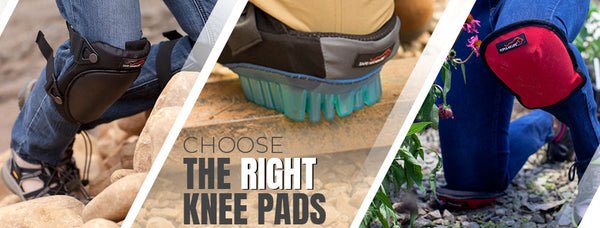
Knee pads vary by activity. Some are made for sports, others for work or gardening. Choose pads designed for your main use.
Sports knee pads focus on shock absorption. Work knee pads usually have hard shells for impact. Gardening pads often have soft foam for kneeling.
- Sports: shock-absorbing gel and foam
- Work: hard plastic shell with padding
- Gardening: thick foam for soft kneeling
- Casual: lightweight and flexible
Preparing Your Knees
Wearing knee pads can protect your knees during work or sports. Getting your knees ready makes wearing pads more comfortable.
Proper preparation stops skin irritation and keeps the pads in place. Follow simple steps before putting on knee pads.
Cleaning And Drying Skin
Clean skin helps knee pads fit well and reduces sweat buildup. Use mild soap and warm water to wash your knees.
Dry your skin completely before wearing knee pads. Damp skin can cause slipping and discomfort.
- Wash knees with gentle soap
- Rinse off all soap residue
- Pat skin dry with a clean towel
- Wait a few minutes to ensure dryness
Using Protective Barriers
Protective barriers keep your skin safe from rubbing and pressure. Thin sleeves or bandages work well under knee pads.
These barriers reduce friction and prevent blisters. Choose soft, breathable materials to keep your skin comfortable.
- Use knee sleeves made of soft fabric
- Apply adhesive bandages on sensitive spots
- Wear moisture-wicking liners if you sweat a lot
- Check that barriers do not bunch up
Correct Placement Techniques
Wearing knee pads correctly helps keep your knees safe and comfortable. Proper placement stops pain and stops the pads from slipping.
Learn how to fit knee pads right for better support. This guide covers key tips for a good fit.
Aligning Pads With Knee Caps
Place the knee pad so the hard part covers your kneecap. This shields the joint from impact and pressure.
Make sure the pad centers on your knee cap. If it sits too high or low, it will not protect well.
- Stand straight and bend your knee slightly
- Position the pad over the kneecap
- Check that the edges wrap around the knee
Adjusting Straps For Stability
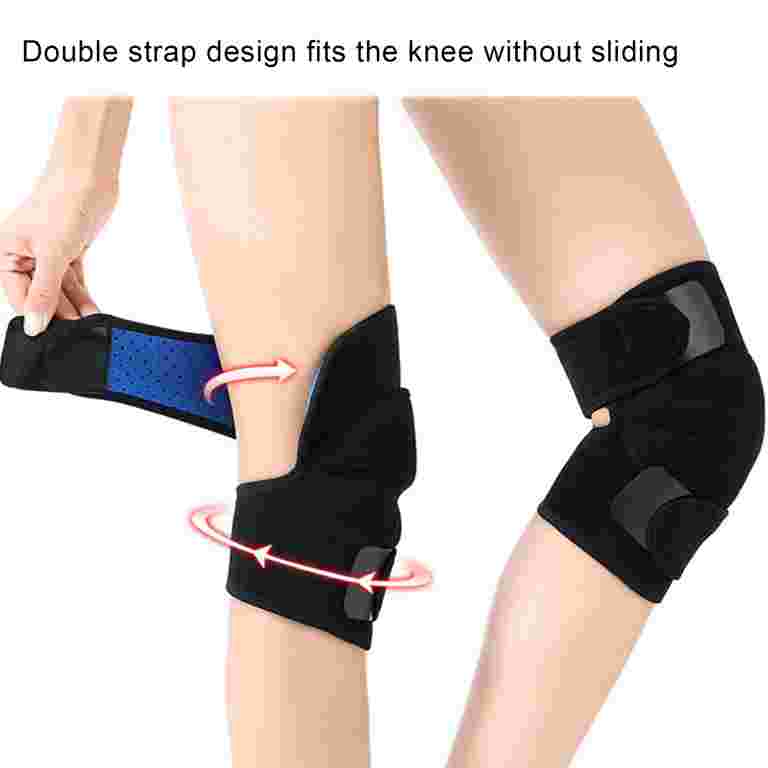
Tighten the straps to hold the knee pad firmly in place. Loose straps let the pad slip and cause discomfort.
Straps should be snug but not cut off circulation. Find a balance that keeps the pad steady during movement.
- Fasten straps evenly on both sides
- Pull straps until the pad feels secure
- Test by bending the knee to check movement
Avoiding Pressure Points
Pressure points cause pain and skin irritation under the pad. Avoid tight spots by adjusting the fit carefully.
Look for areas where the pad presses too hard. Loosen straps or reposition the pad to reduce pressure.
- Check skin after wearing knee pads for a while
- Adjust straps if you feel discomfort or numbness
- Choose pads with soft padding in sensitive areas

Credit: www.bikemag.com
Maintaining Comfort Throughout The Day
Wearing knee pads for long hours can feel uncomfortable without the right care. Comfort matters to keep you focused and pain-free.
Simple habits help you wear knee pads all day without problems. Let’s explore how to stay comfortable while using them.
Taking Breaks And Adjustments
Taking short breaks helps reduce pressure on your knees. Removing or loosening knee pads for a few minutes refreshes your skin and muscles.
- Pause every 1-2 hours to check your knee pads
- Adjust straps to avoid tight spots
- Change padding position if it feels off
- Stand and stretch your legs during breaks
Managing Sweat And Moisture
Sweat builds up inside knee pads and causes discomfort. It can also make the pads slip or irritate your skin.
| Tip | Reason |
| Wear moisture-wicking socks | Keeps sweat away from skin |
| Use knee pads with breathable fabric | Allows air to flow |
| Take off pads during breaks | Lets sweat dry faster |
| Clean pads regularly | Prevents bacteria build-up |
Preventing Skin Irritation
Skin irritation can cause pain and rash under your knee pads. Taking care of your skin stops irritation before it starts.
- Apply a thin layer of skin-friendly barrier cream
- Wear thin, soft knee sleeves beneath the pads
- Keep skin clean and dry before putting on pads
- Replace worn-out pads that rub harshly
- Check skin often for red spots or sores
Caring For Your Knee Pads
Wearing knee pads keeps your knees safe and comfortable. Taking care of them helps them last longer. Clean and store them well to keep them in good shape.
This guide covers cleaning tips, storage ideas, and signs that show it’s time to replace your knee pads.
Cleaning Tips
Clean your knee pads regularly to remove dirt and sweat. Use mild soap and water. Avoid harsh chemicals that can damage the material.
- Hand wash with warm water and gentle soap
- Use a soft brush to scrub off tough stains
- Rinse thoroughly to remove all soap
- Air dry in a cool, shaded area
- Do not use a dryer or direct sunlight to dry
Storage Recommendations
Store knee pads in a dry and clean place. Avoid folding or crushing them to keep their shape. Keep them away from heat and moisture.
- Place knee pads on a flat shelf or in a drawer
- Use a breathable bag to carry or store them
- Keep away from damp areas like basements
- Check them monthly for signs of wear or mildew
When To Replace Pads
Knee pads lose protection over time. Watch for damage or wear that reduces their comfort and safety.
| Sign | What to Check | Why Replace |
|---|---|---|
| Cracked or torn outer shell | Look for splits or holes | Protection is weaker |
| Compressed or flattened padding | Press the pad to feel softness | Less shock absorption |
| Straps or fasteners broken | Try fastening and moving straps | Pads may fall off or move |
| Persistent bad odor | Smell after cleaning | May cause skin irritation |

Credit: www.amazon.com
Frequently Asked Questions
How Do I Wear Knee Pads For Maximum Comfort?
Wear knee pads snugly but not too tight. Adjust straps evenly to avoid pressure points. Position padding directly over the knee cap for optimal cushioning and support.
Can I Wear Knee Pads All Day Without Discomfort?
Yes, if you choose breathable, well-padded knee pads. Take breaks to remove them occasionally. Proper fit and material reduce sweat and irritation during long use.
What Material Makes Knee Pads More Comfortable?
Soft, breathable fabrics like neoprene or gel padding enhance comfort. These materials provide cushioning and reduce skin irritation. They also allow airflow to keep knees cool.
How Tight Should Knee Pads Be Worn?
Knee pads should be snug enough to stay in place but not restrict circulation. Tight straps can cause discomfort and numbness. Adjust for a secure yet comfortable fit.
Conclusion
Comfort is key when wearing knee pads. Choose the right size. Ensure they fit snugly without pinching. Adjust straps for a secure hold. Align pads properly over your knees. This prevents sliding during movement. Remember to check for any discomfort.
Adjust as needed for a better fit. Regularly inspect for wear and tear. Replace them when they lose cushioning. Proper care extends their lifespan. Wearing knee pads correctly protects your knees. It allows you to work or play comfortably. Enjoy your activities without pain.
Prioritize comfort and safety every time.