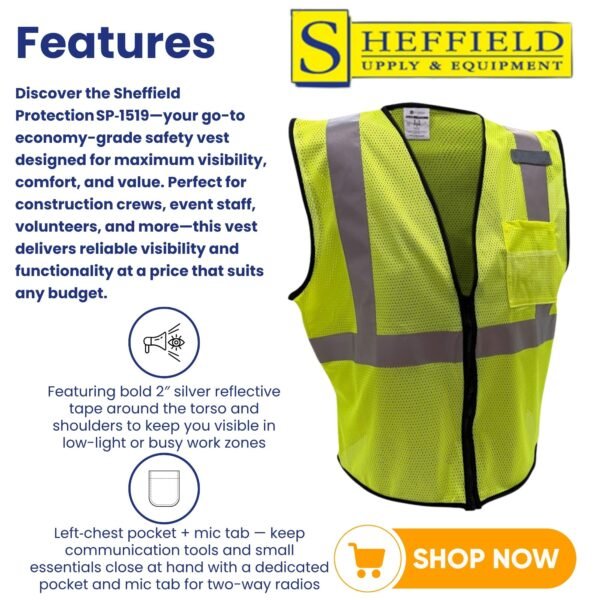
Your high-visibility vest is more than just a piece of clothing—it’s your safety shield. If you want to stay visible and protected, keeping your vest in top shape is a must.
But how do you do that without damaging the reflective strips or fading the bright colors? You’ll discover simple, effective ways to maintain your high-visibility vest so it always works when you need it most. Stick with me, and you’ll never have to worry about your vest losing its power to keep you safe.

Credit: www.vevor.com
Choosing Quality Vests
High-visibility vests keep workers safe by making them easy to see. Choosing the right vest is important for safety and comfort.
Quality vests last longer and reflect light better. Look closely at materials and design before buying.
Material Types
Vests come in different materials. Each type affects durability and comfort. Pick a material that fits your work needs.
- Polyester: Lightweight and dries quickly
- Mesh: Breathable for hot weather
- Polyethylene: Waterproof and strong
- Cotton blends: Soft but less durable
Reflective Strip Placement
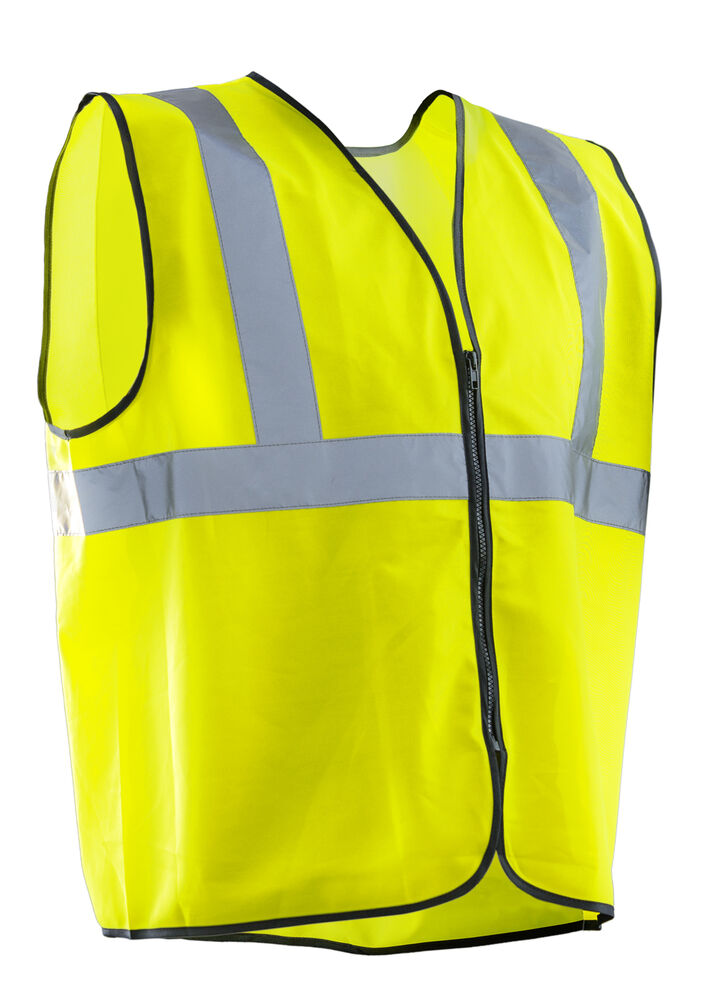
Reflective strips make vests visible in low light. Their position affects how well they reflect light.
Strips should wrap around the vest. Look for strips on the front, back, and sides for full visibility.
- Horizontal strips around the waist
- Vertical strips over the shoulders
- Additional strips on pockets or zippers
Cleaning Techniques
Maintaining high-visibility vests keeps them bright and effective. Proper cleaning helps extend their life and visibility.
Use the right washing methods to avoid damage. Follow safe steps to keep the reflective strips intact.
Hand Washing Tips
Hand washing is gentle and helps protect the vest’s material. Use mild soap and cool water for best results.
- Fill a basin with cool water and add mild detergent
- Soak the vest for 10 to 15 minutes
- Gently rub stained areas with your fingers
- Rinse thoroughly with cool water
- Hang to air dry away from direct sunlight
Machine Washing Guidelines
Machine washing can be safe if done correctly. Use a gentle cycle and avoid heavy spinning.
| Washing Setting | Recommended |
| Water Temperature | Cold or warm (max 30°C) |
| Cycle | Gentle or delicate |
| Detergent | Mild, non-bleach |
| Drying | Air dry only |
Avoiding Harsh Chemicals
Harsh chemicals can damage the reflective strips and fabric. Avoid bleach, fabric softeners, and strong solvents.
Use this checklist to avoid harmful chemicals:
- No bleach or chlorine
- No fabric softeners or conditioners
- No strong stain removers with solvents
- Choose detergents labeled safe for reflective gear
Drying And Storage
High-visibility vests need proper care to stay effective. Drying and storing them the right way helps keep their bright colors and reflective strips working well.
Wrong drying or storage can damage the vest. Learn how to dry and store your vests to keep them safe and visible.
Proper Drying Methods
After cleaning your high-visibility vest, dry it carefully. Avoid heat that can damage the reflective material.
Use air drying in a shaded area. Direct sunlight can fade colors and weaken fabric fibers.
- Hang the vest on a clothes hanger or line
- Keep it away from direct sunlight
- Do not use a tumble dryer or heater
- Ensure the vest is fully dry before storing
Storage Best Practices
Store vests in a clean, dry place to avoid damage. Moisture and dirt can reduce visibility and cause wear.
Keep vests flat or hung up to prevent wrinkles and creases. Avoid tight folds that may harm reflective strips.
- Use a hanger or flat shelf for storage
- Keep away from chemicals and sharp objects
- Store in a cool, dry area
- Check vests regularly for damage or dirt
Credit: www.jobman.se
Inspection And Repairs
High-visibility vests keep workers safe by making them easy to see. Regular inspection and quick repairs help keep these vests effective.
Checking for damage and fixing it early prevents accidents and extends vest life. Follow simple steps to maintain your safety gear.
Regular Damage Checks
Look over your vest before each use. Small problems can become big risks if not found early.
- Check for holes, tears, or worn fabric.
- Look for faded or missing reflective strips.
- Ensure all fasteners work properly.
- Notice dirt or stains that reduce visibility.
Fixing Tears And Reflective Strips
Fixing damage keeps the vest visible and safe. Use these repair tips to restore your vest quickly.
| Damage Type | Repair Method |
| Small tears | Sew with strong thread or use fabric glue |
| Large tears | Replace vest for full safety |
| Missing reflective strips | Attach new reflective tape or patches |
| Worn reflective strips | Clean or replace strips to restore shine |
Extending Vest Lifespan
High-visibility vests keep workers safe by making them easy to see. Proper care helps these vests last longer.
Understanding how often to use and when to replace vests can save money and keep safety standards high.
Usage Frequency
Vests worn daily will wear out faster than those used occasionally. Washing vests after use removes dirt and sweat. Store them in a cool, dry place to avoid damage.
- Limit vest use to necessary times only
- Clean vests regularly with mild detergent
- Avoid harsh chemicals and bleach
- Air dry vests away from direct sunlight
- Store vests folded or hung properly
Replacement Signs
Check vests often for signs of wear. Replace them if reflective tape peels off or fabric tears. Faded colors reduce visibility and need replacement.
| Damage Type | When to Replace |
| Faded fabric color | Colors no longer bright |
| Reflective tape condition | Peeling, cracking, or missing tape |
| Tears or holes | Any visible damage affecting coverage |
| Stains or dirt | Cannot be cleaned effectively |

Credit: www.amazon.com
Frequently Asked Questions
How Often Should High-visibility Vests Be Cleaned?
High-visibility vests should be cleaned regularly to maintain visibility and hygiene. Wash them after heavy use or exposure to dirt. Follow the care label instructions to avoid damage. Regular cleaning keeps reflective strips effective and fabric bright, ensuring safety compliance.
Can High-visibility Vests Be Machine Washed?
Yes, most high-visibility vests can be machine washed on a gentle cycle. Use cold water and mild detergent to protect reflective material. Avoid bleach and fabric softeners, as they degrade visibility. Always air dry to preserve vest longevity and reflectivity.
How To Store High-visibility Vests Properly?
Store vests in a cool, dry place away from direct sunlight. Avoid folding reflective strips to prevent creases and damage. Hanging vests maintains shape and visibility. Proper storage extends the vest’s life and keeps it ready for use.
What Damages High-visibility Vests Fastest?
Exposure to harsh chemicals, bleach, and high heat damages vests quickly. Frequent machine drying and abrasive washing can harm reflective materials. Avoid rough handling and prolonged sunlight exposure. Proper care prevents premature wear and maintains safety standards.
Conclusion
Maintaining high-visibility vests is essential for safety. Regular checks ensure they remain effective. Clean them gently to preserve reflective qualities. Store vests properly to avoid damage. Replace any worn or faded vests immediately. Remember, a well-maintained vest keeps you visible.
Visibility saves lives. Simple care prolongs vest life and safety. Make it a routine. Prioritize your safety with proper vest upkeep. Stay safe. Stay visible. Vests are crucial for your protection. Keep them in top condition. Your safety depends on it.