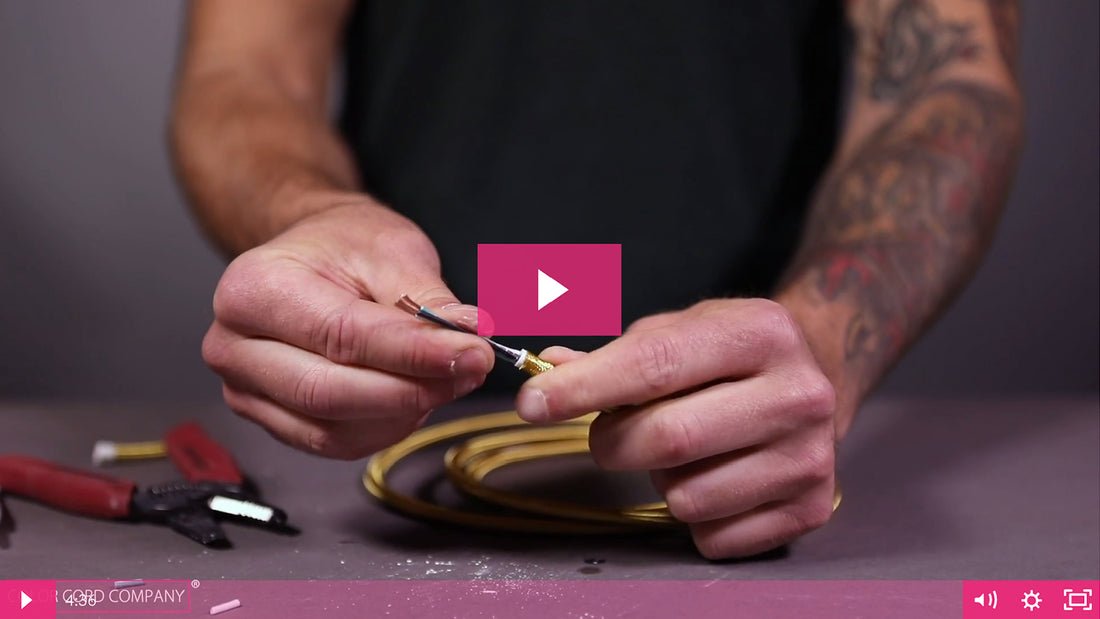
Stripping multi-strand wires might seem tricky at first, but with the right steps, you can do it quickly and safely. If you’ve ever struggled with frayed wires or damaged strands, you know how frustrating it can be.
This guide will show you exactly how to strip your wires without ruining them. By the end, you’ll feel confident handling multi-strand wires like a pro. Ready to save time and avoid costly mistakes? Let’s dive in.
Tools Needed
Stripping multi-strand wires needs the right tools. Using proper tools makes the job easier and safer.
Here are the main tools you need to strip multi-strand wires correctly.
Wire Strippers
Wire strippers are made to remove the insulation from wires without cutting the strands. They come in many sizes for different wire gauges.
Choose wire strippers with adjustable blades. This helps avoid damage to the wire strands inside.
- Automatic wire strippers save time
- Manual wire strippers give more control
- Look for comfortable grips for long use
Cutting Tools
Cutting tools help trim wires to the correct length before stripping. Clean cuts prevent frayed ends.
Use sharp cutters designed for electrical wire. Avoid using dull or general-purpose scissors.
- Diagonal cutters cut wires cleanly
- Utility knives can strip wires carefully
- Wire cutters work well for small wires
Safety Gear
Safety gear protects you from cuts and electric shocks. Always wear the right gear before working with wires.
Gloves and eye protection reduce injury risks. Use insulated gloves for extra safety around electricity.
- Insulated gloves protect from shocks
- Safety glasses guard against flying debris
- Wear long sleeves to protect your arms
Credit: www.milwaukeetool.ca
Preparing The Wire
Stripping multi-strand wires needs careful preparation. This helps avoid damage to the wires.
Preparing the wire correctly makes the stripping process easier and safer.
Measuring Length
Measure the wire length you want to strip. Use a ruler or tape measure for accuracy.
Mark the spot clearly with a marker or tape. This shows where to start stripping.
- Check the wire’s insulation thickness.
- Decide how much insulation to remove.
- Mark the wire at the measured length.
Securing The Wire
Hold the wire firmly to avoid slipping. Use a clamp or a vice if possible.
Securing the wire keeps your hands safe and helps strip the wire cleanly.
- Place the wire in a stable position.
- Use tools to hold it steady.
- Keep fingers away from cutting tools.
Stripping Techniques
Stripping multi-strand wires requires care and the right tools. The goal is to remove insulation without damaging the wire strands.
Using the proper method ensures a safe and clean connection. Follow these guidelines to strip wires correctly.
Using Wire Strippers Properly
Choose wire strippers that match the wire size. Place the wire in the correct notch of the stripper tool.
- Align the wire with the correct gauge slot
- Squeeze the handles firmly but do not crush the wire
- Pull the insulation off smoothly
- Check the wire for any nicked strands after stripping
Avoiding Wire Damage
Damaging wire strands reduces electrical conductivity. Handle wires gently to keep strands intact.
| Common Damage | Effect |
|---|---|
| Cut strands | Weakens wire strength |
| Crushed insulation | Possible short circuits |
| Over-bent wire | Broken strands inside |
Use gentle pressure and avoid twisting or bending wires sharply during stripping.
Handling Different Wire Sizes
Multi-strand wires come in many sizes. Use the right notch on your wire stripper for each size.
- Check the wire gauge before stripping
- Adjust the stripper tool to fit the wire thickness
- Strip only enough insulation to make the connection
- Practice on scrap wire if unsure about the size
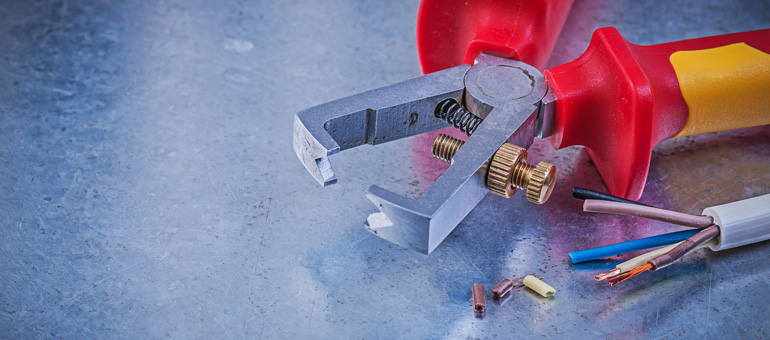
Credit: stex24.com
Managing Stripped Wires
Stripped multi-strand wires need careful handling to avoid damage. Managing them properly helps keep good connections.
Learn simple ways to twist, coat, and organize wires for better use and safety.
Twisting Strands
After stripping, twist the wire strands tightly. This keeps them from fraying and makes a solid connection.
Use your fingers or small pliers to twist the strands evenly and firmly.
- Hold the wire ends close together
- Twist strands clockwise
- Make sure no strands stick out
Tin Coating Tips
Tin coating helps protect wire strands and improves soldering. Apply a thin layer of solder to the twisted strands.
Heat the wire gently and add solder until the strands shine with a smooth coating.
- Use a clean soldering iron
- Do not overheat the wire
- Work in a well-ventilated area
Organizing For Connections
Keep stripped wires neat to avoid short circuits. Use wire labels or color codes for easy identification.
Group wires by function and secure them with ties or clips to reduce clutter.
- Label wires with tags or markers
- Group wires by destination or use
- Use cable ties to hold wires together
- Avoid sharp bends or stress on wires
Common Mistakes To Avoid
Stripping multi-strand wires needs care to avoid damage. Mistakes can cause poor connections or safety risks.
Learn about common errors and how to avoid them for better wiring results.
Over-stripping
Removing too much insulation leaves wires exposed. This can cause shorts or weak connections.
- Expose only the needed length of wire.
- Avoid pulling insulation off beyond the connection point.
- Use the right wire stripper size to prevent damage.
Cutting Strands
Cutting wire strands weakens the wire and reduces conductivity. It happens if the tool blade is too sharp or the wire is pulled hard.
| Mistake | Effect | Solution |
| Cut strands with wire stripper | Weakens wire, poor connection | Use proper stripper and gentle pressure |
| Pulling wire too hard | Breaks strands inside insulation | Hold wire steady, strip slowly |
| Using dull tools | Uneven cuts, damaged strands | Keep tools sharp and clean |
Insufficient Wire Exposure
Not exposing enough wire makes it hard to connect or solder. It may cause loose or faulty joints.
- Measure the needed wire length before stripping.
- Strip enough insulation to fit the connector well.
- Check that no insulation blocks the wire ends.
Advanced Tips
Stripping multi-strand wires requires care to avoid damage. Using the right methods improves efficiency and safety.
This guide covers advanced tips for heat shrink tubing, small gauge wires, and tool maintenance.
Using Heat Shrink Tubing
Heat shrink tubing protects wires and keeps strands together. Choose tubing size carefully to fit the wire bundle snugly.
- Slide tubing over wire before stripping.
- After stripping, position tubing over the exposed strands.
- Use a heat gun evenly to shrink tubing without burning.
- Ensure tubing covers all exposed wire for insulation.
Stripping Small Gauge Wires
Small gauge wires are delicate and easy to damage. Use precision tools and gentle pressure to avoid breaking strands.
| Wire Gauge | Recommended Tool | Tip |
| 24-28 AWG | Precision wire stripper | Use light pressure |
| 20-23 AWG | Standard wire stripper | Check blade sharpness |
| Below 20 AWG | Heavy-duty stripper | Strip multiple strands carefully |
Maintaining Tools
Well-maintained tools give clean cuts and last longer. Keep blades sharp and handles clean for best results.
Follow these maintenance tips:
- Clean tool blades after each use with a dry cloth.
- Apply light oil to moving parts monthly.
- Store tools in a dry place to prevent rust.
- Check blade sharpness and replace if dull.

Credit: stex24.com
Frequently Asked Questions
How Do You Safely Strip Multi-strand Wires?
Use a wire stripper sized for the wire gauge. Avoid nicking strands by gently squeezing and pulling the insulation off. Always cut power before starting to prevent shocks.
What Tools Work Best For Stripping Multi-strand Wires?
Wire strippers with adjustable blades work best. Needle-nose pliers and scissors can help but may damage strands. Using the right tool ensures clean, undamaged wires.
How To Avoid Damaging Strands When Stripping Wires?
Use the correct stripper size and avoid excessive pressure. Strip insulation slowly and evenly to keep strands intact. Damaged strands weaken electrical connections.
Can You Strip Multi-strand Wires Without A Wire Stripper?
Yes, but it’s risky. Use a sharp utility knife carefully. Cut the insulation without slicing the wires. This method requires skill to avoid damage.
Conclusion
Stripping multi-strand wires can be simple with practice. Remember to gather the right tools first. Safety is always important, so wear protective gear. Cut the insulation carefully to avoid damaging the wires. Practice makes perfect, so take your time. Keep your tools clean and sharp for the best results.
Stripping wires is essential for many projects. With these tips, you can achieve clean, precise results. Now, you’re ready to handle multi-strand wires with confidence. Keep learning and improving your skills. Happy wiring!