Are you tired of making cuts that don’t fit just right? Precise depth measurement is the secret to perfect woodworking every time.
When you know exactly how deep to cut, your projects look cleaner, fit better, and save you from costly mistakes. You’ll discover simple, reliable ways to measure depth that even beginners can master. Keep reading, and you’ll unlock the skills to take your woodworking from good to professional-level precision.
Tools For Measuring Depth
Measuring depth accurately is key for precise woodworking cuts. Using the right tools helps avoid mistakes.
This guide covers common tools for measuring depth. Each tool has its own use and benefits.
Calipers And Depth Gauges
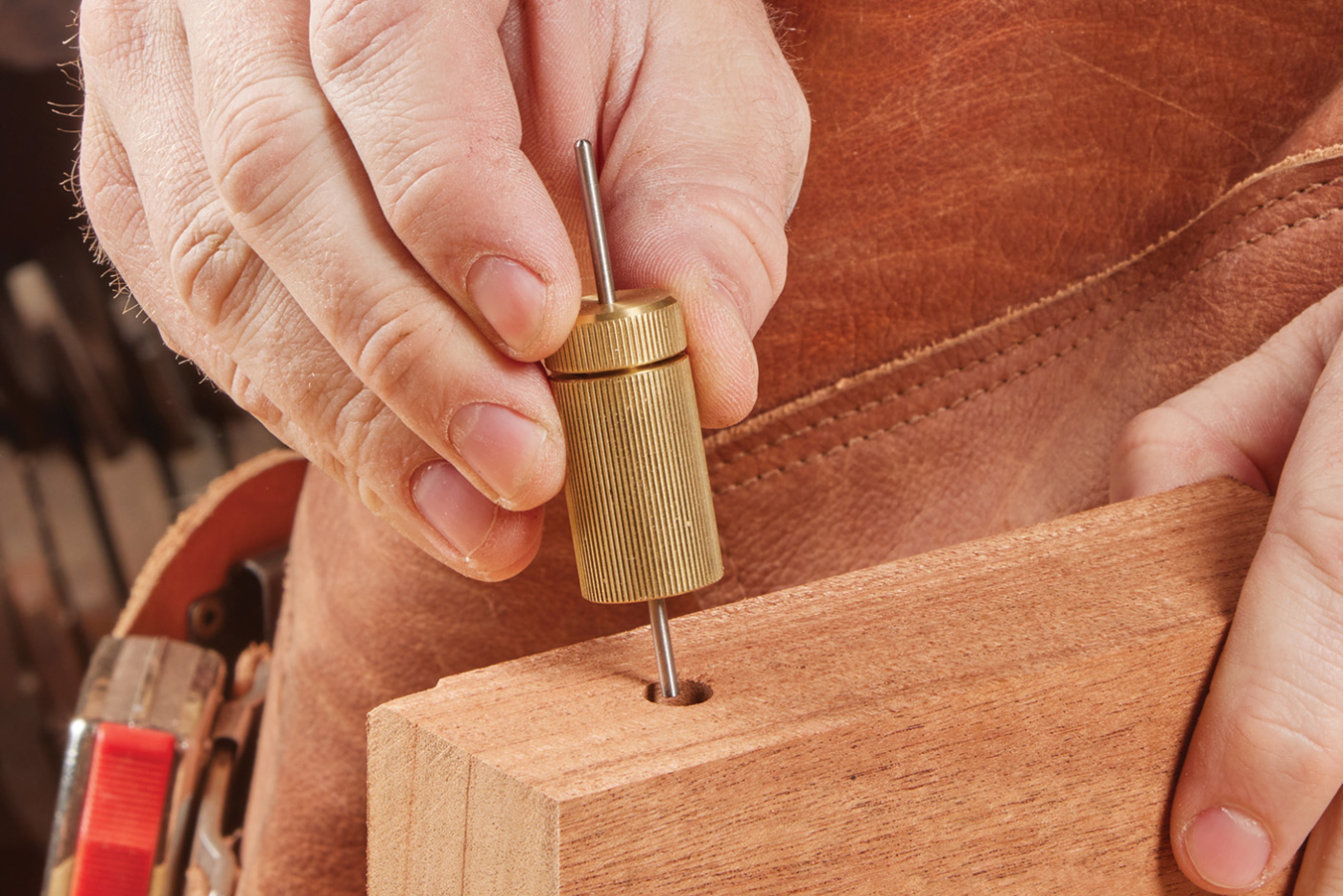
Calipers and depth gauges are precise tools for measuring depth in woodworking. They can measure small and detailed cuts.
Calipers have two jaws that open to measure depth. Depth gauges have a probe that slides to measure.
- Calipers measure internal and external depths
- Depth gauges focus only on depth measurements
- Both tools offer clear, easy-to-read scales
Rulers And Tape Measures
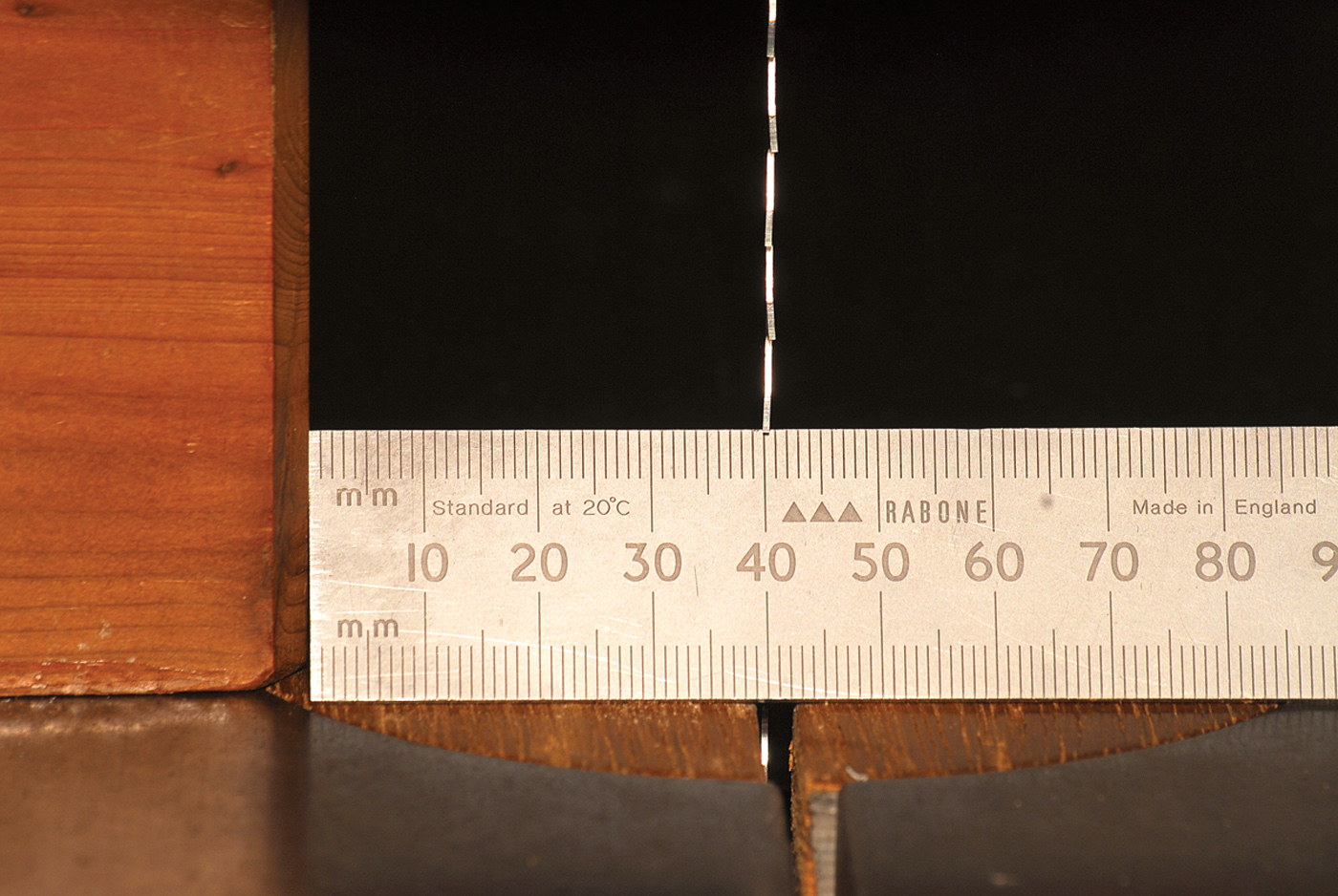
Rulers and tape measures are simple tools for quick depth checks. They work well for larger or rough measurements.
Use a ruler for flat surfaces and a tape measure for deeper or curved cuts. They are easy to use and widely available.
- Rulers give straight, clear edge measurements
- Tape measures are flexible and reach deep spots
- Both tools are affordable and easy to carry
Digital Measuring Devices
Digital measuring devices give fast and accurate depth readings. They use electronic sensors and show measurements on a screen.
These devices reduce reading errors and can switch units easily. Some models save measurements for later use.
- Provide precise digital readouts
- Often include metric and imperial units
- Useful for complex or repeated measurements
Credit: www.popularwoodworking.com
Preparing The Wood For Measurement
Measuring depth accurately is important for clean woodworking cuts. Preparing the wood before measuring helps get correct results.
Taking time to set up your wood piece ensures your tools work properly and your cuts are precise.
Choosing The Right Surface
Select a flat, stable surface to place your wood. This keeps the wood steady during measurement.
Uneven or soft surfaces can cause errors in depth measurement. Make sure your workbench or table is clean and firm.
- Use a solid workbench or table
- Avoid surfaces that wobble or tilt
- Clear debris or dust from the surface
- Check the surface is dry and free of oil
Marking Reference Points
Mark clear spots on the wood to measure from. These points guide your tools and cuts.
Use a pencil or marking tool that shows well but is easy to remove after cutting.
- Mark start and end points of the cut
- Use a ruler or square to keep marks straight
- Double-check marks before measuring depth
- Make small, light marks to avoid wood damage
Techniques For Accurate Depth Measurement
Measuring depth correctly is key for precise woodworking cuts. Accurate depth ensures clean joins and smooth finishes.
Using the right tools and methods helps avoid mistakes. This guide covers three common techniques to measure depth accurately.
Using Calipers For Fine Adjustments
Calipers are useful for small, precise depth measurements. They can measure inside recesses or the thickness of thin pieces.
- Open the caliper jaws and place them at the edge of the cut.
- Adjust until the depth rod touches the bottom surface.
- Read the measurement on the scale or digital display.
- Repeat to confirm accuracy.
Setting Depth On Saws And Routers
Setting the depth on saws and routers ensures cuts do not go too deep or stay too shallow. Proper setup improves safety and cut quality.
| Tool | Depth Adjustment Method |
| Circular Saw | Use blade guard lever and depth scale |
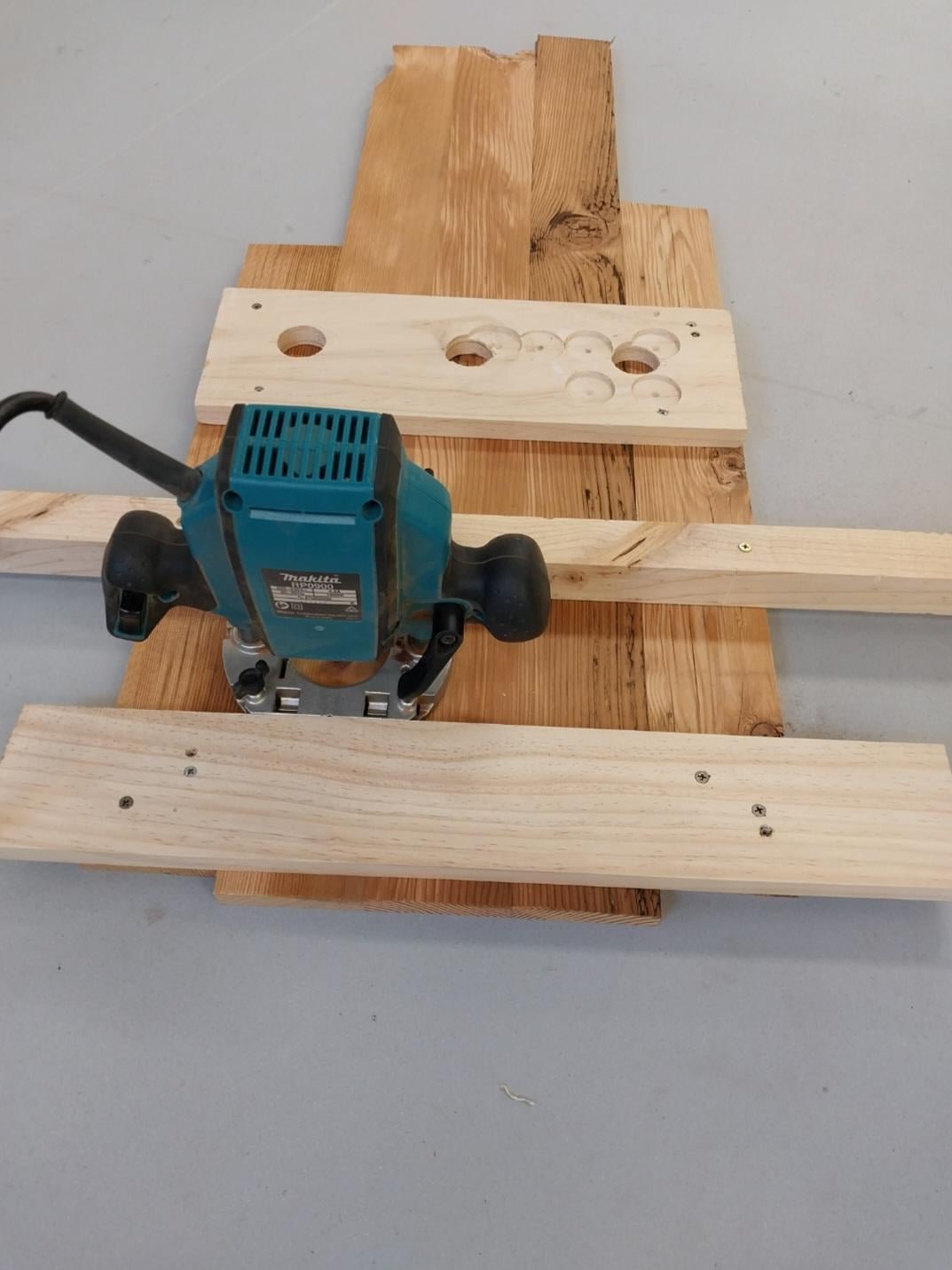
| Router | Turn depth adjustment knob and lock in place |
| Table Saw | Raise or lower blade with height wheel |
Measuring Recesses And Grooves
Measure recesses and grooves carefully to match parts or create slots. Use depth gauges or a combination of tools for best results.
- Place a depth gauge or ruler flat on the surface beside the groove.
- Extend the depth probe into the recess until it touches the bottom.
- Note the reading and compare with your project plan.
- Double-check measurements to avoid errors.
Common Mistakes To Avoid
Measuring depth correctly is vital for precise woodworking cuts. Mistakes here can ruin your project and waste materials.
Knowing common errors helps you avoid them and get accurate results every time.
Ignoring Tool Calibration
Many woodworkers forget to calibrate their tools before measuring depth. This causes wrong readings and uneven cuts.
- Check your measuring tools regularly.
- Adjust depth stops and blades carefully.
- Use a reliable calibration block if available.
- Replace worn or damaged parts promptly.
Overlooking Material Variations
Wood pieces can vary in thickness and density. Ignoring this leads to inconsistent depth and fit problems.
| Material | Common Variation | Impact on Depth |
| Softwood | Less dense, can compress | May cut deeper than expected |
| Hardwood | Denser, uneven grain | Cut depth may be shallower |
| Plywood | Layer thickness varies | Depth readings can be inaccurate |
Skipping Double-checks
Relying on a single measurement can cause costly mistakes. Always verify your depth measurements before cutting.
Follow this quick checklist before each cut:
- Measure depth twice with the same tool.
- Use a different tool to confirm measurements.
- Mark your cut line clearly on the material.
- Test the cut on scrap wood if possible.
Tips For Consistent Results
Measuring depth accurately is key for precise woodworking cuts. Small mistakes can cause big problems in your project. Use these tips to keep your cuts consistent and clean every time.
Good habits and the right tools help you work with confidence. Focus on regular tool care, using guides, and keeping records of your measurements.
Maintaining Tools Regularly
Sharp and well-maintained tools cut more precisely. Dull blades can slip or tear wood, causing uneven cuts. Check your tools before each use and clean them after.
- Sharpen blades and bits often
- Remove dust and resin build-up
- Lubricate moving parts for smooth action
- Check calibration on measuring tools
- Store tools in a dry place to avoid rust
Using Jigs And Guides
Jigs and guides help keep your cuts straight and at the right depth. They reduce errors and make repeat cuts easier. Set up your jig carefully before starting.
| Type of Jig | Use | Benefit |
|---|---|---|
| Depth Stop | Limits cut depth on saws or routers | Prevents cutting too deep |
| Fence Guide | Keeps wood aligned during cuts | Ensures straight, even cuts |
| Angle Jig | Helps make angled cuts consistently | Improves accuracy on bevel cuts |
Recording Measurements
Write down your measurements and settings. This saves time and helps you repeat successful cuts. Use a notebook or digital app to keep track.
- Note depth settings for each cut
- Record tool and jig adjustments
- Mark wood pieces with measurements
- Keep photos or sketches for reference
- Review notes before starting new cuts
Credit: www.popularwoodworking.com
Credit: www.popularwoodworking.com
Frequently Asked Questions
How Do I Measure Wood Depth Accurately?
To measure wood depth accurately, use a depth gauge or calipers. Ensure the tool is calibrated and placed perpendicularly to the wood surface. Double-check measurements for precision. Consistent practice enhances accuracy, ensuring precise cuts.
What Tools Are Best For Measuring Depth In Woodworking?
Depth gauges, calipers, and combination squares are essential for woodworking. These tools provide precise measurements, ensuring accurate cuts. Always choose high-quality tools for reliability. Regularly calibrate and maintain them for the best results.
Can Digital Calipers Be Used For Depth Measurement?
Yes, digital calipers can measure depth accurately. They provide precise readings and are user-friendly. Ensure the calipers are well-calibrated before use. Their digital display helps in achieving precise measurements easily.
Why Is Depth Measurement Crucial In Woodworking?
Depth measurement ensures accurate cuts, enhancing project quality. It prevents material wastage and ensures the pieces fit perfectly. Precise measurements contribute to the overall craftsmanship and durability of the project.
Conclusion
Measuring depth correctly ensures every woodworking cut fits perfectly. Use the right tools and double-check your measurements. Small mistakes can cause big problems later. Take your time and measure carefully each time. Practice makes measuring easier and more precise. Accurate cuts save wood and reduce waste.
Keep these tips in mind for better results. Your projects will look cleaner and more professional. Precision in depth measurement helps build confidence and skill. Stay patient, and your woodworking will improve steadily.