
When it comes to keeping your head safe on the job, a hard hat with chin straps is a must-have. But are you using yours the right way?
If your hard hat doesn’t fit well or the chin strap isn’t adjusted properly, it might not protect you when you need it most. You’ll discover simple yet powerful tips to make sure your hard hat stays secure and comfortable all day long.
Keep reading to learn how a few easy changes can boost your safety and confidence on site.

Credit: www.amazon.ca
Choosing The Right Hard Hat
Using a hard hat with chin straps improves safety on the job. Picking the right hard hat helps protect your head from injuries. It is important to consider materials, fit, and chin strap types.
This guide will help you make a good choice. Each section focuses on one key factor to look for when selecting a hard hat.
Materials And Durability
Hard hats come in different materials. Some are light but strong, while others resist heat or chemicals. Choose a material that fits your work environment and lasts long.
- High-density polyethylene (HDPE) is common and durable.
- Fiberglass offers good heat resistance.
- Thermoplastics resist chemicals and impacts.
- Aluminum is lightweight but less common.
Proper Fit And Size
A hard hat must fit well to protect you. It should sit firmly on your head without pressure points. Adjust the suspension system for comfort and security. Always check the size before buying.
| Fit Feature | Why It Matters |
| Adjustable Suspension | Ensures tight and secure fit |
| Headband Size | Matches your head circumference |
| Comfort Padding | Reduces pressure and discomfort |
| Chin Strap Attachment | Keeps hat stable during movement |
Types Of Chin Straps
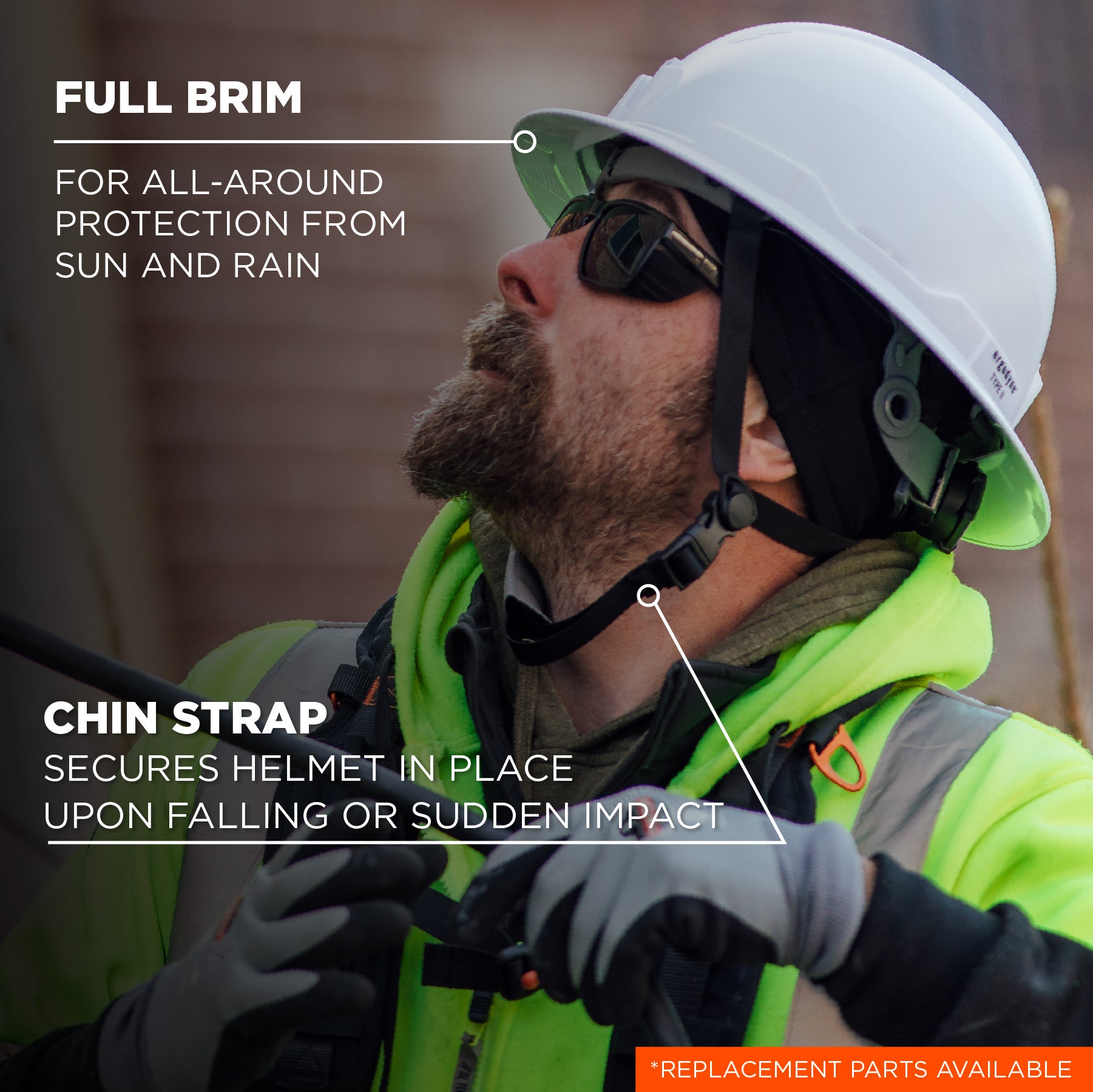
Chin straps keep your hard hat in place. Different types fit different needs. Pick one that feels comfortable and stays secure during work.
- Elastic straps stretch for a snug fit.
- Adjustable nylon straps allow size changes.
- Quick-release buckles make removal easy.
- Leather chin straps offer durability and comfort.
Adjusting The Chin Strap
Wearing a hard hat with a chin strap keeps it secure during work. Adjusting the chin strap correctly helps keep the hat in place and feels comfortable. This guide covers key tips on adjusting the chin strap.
Proper adjustment protects your head and prevents distractions. Follow these simple tips to get the best fit for your chin strap.
Securing The Strap Comfortably
The chin strap should fit snugly but not press too hard. Secure the strap under your chin so it holds the hard hat firmly in place. The strap material should lie flat without twisting.
- Place the strap under your chin evenly on both sides.
- Adjust the length until the strap feels firm but gentle.
- Make sure the strap material is smooth and untangled.
- Test the fit by shaking your head slightly.
Avoiding Over-tightening
Too tight straps can cause discomfort and skin irritation. Avoid pulling the strap too tight or it may hurt your jaw. The right tension keeps the hat secure without pain.
| Strap Tension | Effect |
| Too Loose | Hat may move or fall off |
| Just Right | Comfortable and secure fit |
| Too Tight | Discomfort and skin pressure |
Checking Strap Position
Position the strap so it stays centered under your chin. Check that the strap clips or fasteners are aligned correctly. The strap should not slide to one side.
- Look in a mirror to confirm the strap sits evenly.
- Adjust the buckle or clip to center the strap.
- Re-check strap position after moving your head.
- Replace worn or damaged straps promptly.
Maintaining Your Hard Hat And Strap
Keeping your hard hat and chin strap clean and in good shape is very important. It helps protect you at work and keeps the gear lasting longer.
Regular checks and cleaning make sure your hard hat works well every day. Learn how to care for it properly.
Regular Cleaning Tips
Clean your hard hat and chin strap often to remove dirt and sweat. Use mild soap and warm water. Avoid harsh chemicals that can damage the materials.
Let the hard hat air dry. Do not use direct heat like a hair dryer. Clean the strap gently to keep it strong.
- Use a soft cloth or sponge
- Wash with mild soap and warm water
- Rinse well to remove soap
- Air dry away from sunlight or heat
- Clean straps carefully to avoid fraying
Inspecting For Wear And Tear
Check your hard hat and strap before each use. Look for cracks, dents, or weak spots on the shell. The chin strap should not be frayed or loose.
Inspect the suspension inside the hard hat. It must be intact and tight. Replace parts if you see signs of damage. Safety depends on good condition.
- Look for cracks or dents on the shell
- Check chin strap for tears or looseness
- Ensure suspension system is strong and secure
- Replace worn or damaged parts right away
Replacing Damaged Parts
Do not use a hard hat with broken parts. Replace damaged straps or suspension components immediately. Use parts made for your hard hat model.
Keep spare parts ready to fix any damage quickly. This helps keep your safety gear working well at all times.
- Use original parts for replacement
- Replace broken chin straps right away
- Swap out cracked or damaged suspension parts
- Keep spare parts on hand for quick fixes

Credit: www.safetyandhealthmagazine.com
Wearing Techniques For Maximum Safety
Wearing a hard hat correctly keeps you safe on the job. Using chin straps adds extra security. This guide covers how to wear your hard hat for the best protection.
Follow these tips to make sure your hard hat stays in place. Proper use prevents accidents and injuries. Learn the right way to place it, adjust straps, and avoid common errors.
Proper Placement On The Head
Place the hard hat so it sits level on your head. The brim should face forward. Make sure it covers your forehead without tilting.
- Adjust the suspension system inside for a snug fit
- Keep the hat about one inch above your eyebrows
- Do not wear the hat tilted backward or too high
- Check that the hard hat does not block your vision
Using Chin Straps In Different Conditions
Chin straps keep your hard hat secure in many conditions. Tighten the strap to fit comfortably under your chin. Adjust the strap if you wear gloves or other gear.
| Condition | Chin Strap Tip |
| Windy Weather | Tighten strap firmly to stop movement |
| Rain or Snow | Check strap regularly for looseness |
| Hot Weather | Loosen strap slightly for comfort but keep secure |
| Wearing Face Shields | Adjust strap to fit comfortably with shield |
Avoiding Common Mistakes
Many people make errors that reduce hard hat safety. Avoid these mistakes to protect yourself better.
- Do not wear the hard hat too loose or too tight
- Never wear the hat backward unless designed for it
- Do not remove the chin strap when working at heights
- Avoid placing objects inside the hat that change its shape
- Replace hard hats after impact or damage
Compliance And Safety Standards
Wearing a hard hat with chin straps helps keep workers safe on job sites. It prevents the hat from falling off during work. Following safety standards ensures protection and reduces accidents.
Understanding the rules and certifications for hard hats is important. It helps workers and employers meet legal safety requirements.
Relevant Safety Regulations
Safety regulations set the rules for using hard hats properly. These rules are made by government agencies to protect workers from head injuries.
Chin straps must be used to keep the hard hat secure. Regulations often require this in jobs with high risk of falling objects or slips.
- OSHA (Occupational Safety and Health Administration) sets workplace safety rules.
- ANSI (American National Standards Institute) defines hard hat performance standards.
- Local safety laws may add extra rules for hard hat use.
Certifications To Look For
Choose hard hats with the right certifications to ensure safety. Certified hard hats meet tests for impact resistance and durability.
Check labels for these common certifications before buying or using a hard hat with chin straps.
- ANSI/ISEA Z89.1 – Standard for Industrial Head Protection
- CSA Z94.1 – Canadian standard for industrial protective headwear
- EN 397 – European standard for industrial safety helmets
Employer Safety Policies
Employers create safety policies to protect workers on site. These policies often require hard hats with chin straps in certain areas.
Following employer rules helps keep the workplace safe and meets legal standards.
- Require wearing hard hats with chin straps in hazardous zones
- Train workers on proper use and adjustment of chin straps
- Regularly inspect hard hats for damage or wear
- Replace hard hats that fail safety checks
Credit: www.ergodyne.com
Frequently Asked Questions
How Do Chin Straps Improve Hard Hat Safety?
Chin straps keep the hard hat securely on your head during movement. They prevent it from falling off in windy conditions or accidents. This ensures continuous protection, reducing injury risks on construction sites or hazardous environments.
Can I Adjust Chin Straps For A Better Fit?
Yes, most chin straps are adjustable for comfort and security. Proper adjustment prevents the hard hat from shifting or slipping. Always ensure the strap is snug but not too tight to avoid discomfort during long use.
Are Chin Straps Required By Safety Regulations?
In some industries and regions, chin straps are mandatory for hard hats. Regulations depend on the job site and local safety standards. Check your workplace safety guidelines to ensure compliance and maximize head protection.
How Do I Maintain A Hard Hat With Chin Straps?
Regularly inspect the chin strap for wear, tears, or damage. Clean the strap with mild soap and water to maintain hygiene. Replace any worn or broken parts immediately to ensure continued reliable protection.
Conclusion
Using a hard hat with chin straps boosts safety on-site. Secure fit means better protection against falls and impacts. Choose quality materials for long-lasting use. Proper adjustment is key for comfort. Don’t ignore maintenance; inspect regularly for damage. Always follow manufacturer guidelines for the best results.
Remember, safety comes first. A well-fitted hard hat can prevent serious injuries. Stay safe and protect your head. Regular checks ensure reliability. Make safety a habit every day.