Measuring something might seem simple, but getting it just right can be tricky. If you’ve ever struggled with a tape measure that won’t stay put or felt unsure about reading the numbers, you’re not alone.
Imagine how much easier your projects would be if every cut, every fit, and every mark was perfectly accurate. You’ll learn how to use a tape measure like a pro—making your measurements precise and your work flawless. Stick with me, and you’ll never doubt your measurements again.
Choosing The Right Tape Measure
Using a tape measure correctly starts with picking the right tool. The right tape measure helps you get exact measurements every time.
There are many types of tape measures. You should think about the material and length before buying one.
Types Of Tape Measures
Tape measures come in many styles. Each type fits different jobs and needs.
- Steel tape measures are strong and good for long distances.
- Cloth or fiberglass tapes are flexible and ideal for curved surfaces.
- Laser tape measures use light to measure and work well for quick checks.
- Retractable tape measures are easy to carry and store.
Material And Length Considerations
The tape measure’s material affects its durability and accuracy. Steel tapes last long but can bend. Fiberglass tapes resist stretching and are good outside.
Length depends on your projects. For small tasks, a 12-foot tape is enough. For bigger jobs, 25 feet or longer is better.
- Choose steel for toughness and straight lines.
- Pick fiberglass for flexibility and outdoor use.
- Use shorter tapes for indoor and small work.
- Use longer tapes for large spaces and construction.
Preparing For Accurate Measurement
Using a tape measure correctly starts with good preparation. Setting up the right environment helps you get the most exact numbers.
Before measuring, take time to prepare your tools and workspace. This reduces errors and speeds up your work.
Clearing The Measuring Surface
Make sure the area where you measure is free of dust and clutter. Dirt or objects can push the tape off and cause wrong readings.
- Remove any loose items from the surface
- Wipe the area with a clean cloth to remove dust
- Check that the surface is flat and even
- Place the object to be measured firmly on the surface
Avoiding Common Mistakes
Many people make simple errors that affect tape measure accuracy. Avoid these mistakes for better results.
| Mistake | How to Avoid |
|---|---|
| Not starting at zero | Check the tape hook is set at the edge before measuring |
| Bending the tape | Keep the tape straight and flat along the object |
| Reading the wrong side | Use the correct side of the tape for the unit you want |
| Moving the tape while measuring | Hold the tape firmly to keep it from shifting |
| Ignoring tape slack | Make sure the tape is tight without stretching |
Mastering Tape Measure Techniques
Using a tape measure correctly helps get accurate results. It is a simple tool but needs care to use well.
This guide shows how to read the scale, use the hook, and measure curves and angles precisely.
Reading The Scale Correctly
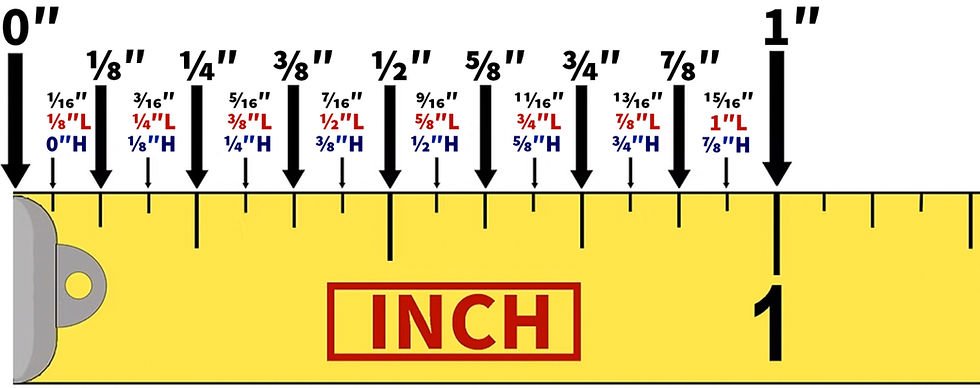
The tape measure has marks for inches and centimeters. Each inch has smaller marks for fractions.
Look closely to see if the mark is for half, quarter, or eighth of an inch. This helps measure small distances.
- Longest lines show whole inches.
- Medium lines show halves and quarters.
- Smallest lines show eighths or sixteenths.
- Use the number next to the longest line.
Using The Hook For Precision
The metal hook at the tape’s end moves slightly. This helps measure inside or outside edges correctly.
When measuring outside edges, pull the hook tight. For inside edges, push the hook against the surface.
- Hook moves to add or subtract its thickness.
- Pull hook to measure outside edges.
- Push hook to measure inside edges.
- Hold tape steady for accurate readings.
Measuring Curves And Angles
Measure curves by bending the tape along the shape. Keep the tape flat and tight for best results.
For angles, use the tape to measure each side. Then compare lengths to find the angle size.
- Bend tape gently around curves.
- Avoid twisting the tape.
- Measure each side of an angle separately.
- Use a protractor for exact angles.

Credit: www.creeklinehouse.com
Tips For Measuring Different Materials
Using a tape measure correctly helps get exact sizes for any project. Different materials need unique ways to measure them. Knowing these tips saves time and avoids mistakes.
This guide covers measuring wood, metal, and fabric. Each material has special tricks to get the best results. Follow these tips to measure with confidence.
Wood And Carpentry
Wood can be rough or smooth, so hold the tape measure tight. Measure along the grain for accuracy. Keep the tape straight and avoid bending it. Use a pencil mark to note the exact spot.
- Start measuring at the tape’s metal end hook.
- Pull the tape tight, but don’t stretch it.
- Hold the tape flat on the wood surface.
- Double-check corners and edges carefully.
- Use a square tool to keep lines straight if needed.
Metal And Construction
Metal is hard and often cold. Use the tape measure’s lock to keep it from retracting. Measure twice to avoid errors. Note that metal can reflect light, so read numbers carefully.
| Tip | Reason |
| Use tape lock | Prevents tape from snapping back |
| Measure two times | Ensures exact length |
| Read in shade | Reduces glare on numbers |
| Hold tape tight | Stops tape from bending |
Fabric And Soft Materials
Fabric moves easily, so lay it flat before measuring. Don’t pull the tape tight; let it rest gently. Use a flexible tape for curves and bends. Mark measurements with pins or chalk for best results.
- Place fabric on a flat surface
- Use a soft tape measure
- Don’t stretch fabric while measuring
- Mark edges with pins or fabric chalk
- Measure curves by following the fabric’s shape
Maintaining Your Tape Measure
Keeping your tape measure in good condition helps you get exact measurements. Regular care makes it last longer and work better.
Learn how to clean, store, and check your tape measure for damage. These simple steps keep it precise and ready to use.
Cleaning And Storage
Clean your tape measure after each use. Dirt and dust can cause it to stick or wear out.
Use a soft cloth to wipe the tape blade gently. Avoid harsh chemicals that can damage the markings.
- Wipe the tape blade with a dry or slightly damp cloth
- Let the blade dry fully before retracting it
- Store the tape measure in a dry place to prevent rust
- Keep it away from extreme heat or cold
- Use a case or pouch if available to protect it
Checking For Wear And Tear
Check your tape measure regularly for signs of damage. Cracks or bends affect measurement accuracy.
Look closely at the tape blade, hook, and case. Replace your tape if it shows serious wear.
- Inspect the tape blade for cracks, rust, or faded numbers
- Check the hook for looseness or bending
- Ensure the tape retracts smoothly without sticking
- Look at the case for cracks or broken parts
- Fix small issues early to avoid measurement errors

Credit: learn.reeb.com
Credit: www.engineersupply.com
Frequently Asked Questions
How Do I Read A Tape Measure Correctly?
To read a tape measure, align the end with the object’s edge. Note the number at the other edge. Use the smaller markings for fractions or millimeters for precise readings.
What Tips Ensure Precise Tape Measure Use?
Keep the tape straight and taut without bending. Avoid parallax errors by viewing markings directly above. Always start measuring from the tape’s zero mark for accuracy.
How Can I Measure Inside Corners Accurately?
Use a tape measure with a hook. Place the hook in the corner. Extend the tape along the walls and record the reading carefully.
Why Is The Tape Measure Hook Loose?
The hook is slightly loose to account for its thickness. This design allows accurate inside and outside measurements by compensating for the hook’s size.
Conclusion
Measuring with precision improves any project. A tape measure is essential for this. Remember to keep it straight and flat. Avoid bending or twisting for accuracy. Always start from the correct end. Measure twice, cut once. These tips help achieve the best results.
Practice makes perfect. Use your tape measure often. It becomes easier over time. With these skills, your projects will shine. Accurate measurements lead to professional results. Keep your tape measure handy. Happy measuring!