
Are you curious about how to measure electrical current safely and accurately? Whether you’re a beginner or just want to refresh your skills, understanding this simple yet essential task can save you time and prevent costly mistakes.
You’ll discover easy-to-follow steps and practical tips that make measuring current straightforward. By the end, you’ll feel confident handling your own electrical projects with precision. Ready to learn how to take control of your electrical measurements? Let’s dive in!
Credit: medium.com
Basics Of Electrical Current
Electrical current is a flow of electric charge. It powers many devices we use daily.
Understanding current helps you measure and use electricity safely and correctly.
What Is Electrical Current
Electrical current is the movement of electrons through a conductor. It flows in wires and circuits.
Current is what makes electrical devices work by moving energy from one place to another.
Units Of Measurement
Electrical current is measured in amperes, or amps for short. Amps show how much charge flows each second.
Other units related to current include milliamps and kiloamps, which measure smaller or larger currents.
- 1 amp (A) = 1 coulomb of charge per second
- 1 milliamp (mA) = 0.001 amps
- 1 kiloamp (kA) = 1,000 amps

Credit: www.youtube.com
Tools For Measuring Current
Measuring electrical current is important for many tasks. It helps check if devices work well and safely.
Different tools can measure current in different ways. Choose the right tool for your job.
Multimeter
A multimeter measures current, voltage, and resistance. It is a common tool for electricians.
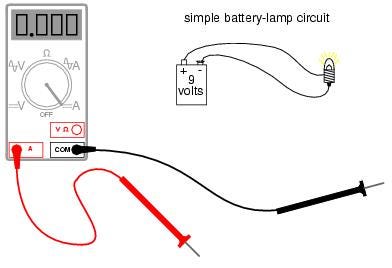
To measure current, set the multimeter to the correct current range. Connect the probes in series with the circuit.
- Measures small and large currents
- Requires breaking the circuit
- Affordable and easy to use
Clamp Meter
A clamp meter measures current without touching wires directly. It uses a clamp around a conductor.
This tool is fast and safe. It is good for measuring high currents in live wires.
- No need to disconnect wires
- Measures AC and some DC currents
- Useful for quick checks
Ammeter
An ammeter only measures current. It connects in series with the circuit to show current flow.
Ammeters are very accurate. They come in analog and digital types for different uses.
- Requires circuit interruption
- Shows current directly
- Used in labs and tests
Preparing For Measurement
Measuring electrical current is important for many tasks. It helps check if circuits work correctly and safely.
Before you measure current, you need to prepare carefully. Preparation keeps you safe and gives accurate results.
Safety Precautions
Electricity can be dangerous if you are not careful. Always follow safety rules to avoid injury or damage.
Wear insulated gloves and safety glasses. Make sure your tools are in good condition and rated for the current level.
- Turn off power before connecting the meter
- Use one hand to avoid electric shock paths
- Stand on dry surfaces and avoid wet areas
- Check for exposed wires and fix them first
Selecting The Right Tool
Choose a tool that matches the type and size of current you want to measure. Using the wrong tool can cause errors.
Common tools include clamp meters and multimeters. Clamp meters are good for quick checks without disconnecting wires.
- Clamp meter for AC current and large wires
- Multimeter for DC current and low current levels
- Ensure the meter’s current range fits your measurement
- Check if the meter supports the circuit voltage
Setting Up The Meter
Set the meter correctly before measuring. Wrong settings can damage the meter or give wrong readings.
Start by turning the dial to the correct current type: AC or DC. Then select the right range if your meter is not auto-ranging.
- Insert test leads in the proper meter ports
- For multimeters, place leads in series with the circuit
- For clamp meters, open the clamp and place it around one conductor
- Double-check the settings before turning the power on
Step-by-step Measurement Process
Measuring electrical current is important for many tasks. It helps you check if circuits work safely and correctly.
This guide shows simple ways to measure current using common tools. Follow the steps carefully for accurate results.
Measuring With A Multimeter
Use a digital multimeter to measure current by connecting it in series with the circuit. This lets the current flow through the meter.
First, set the multimeter to the correct current range. Then, turn off the power before connecting the probes to avoid shocks.
- Turn off the device and circuit power.
- Set the multimeter to the highest current range.
- Break the circuit where you want to measure.
- Connect the multimeter probes in series at the break.
- Turn the power back on and read the display.
- Turn off the power and remove the meter after measuring.
Using A Clamp Meter
A clamp meter measures current without touching wires directly. It works by clamping around a single conductor.
Switch the clamp meter to the current mode. Open the clamp jaws and place them around one wire. Read the current on the screen.
- Turn on the clamp meter and select the current setting.
- Open the clamp jaws fully.
- Place the clamp around one wire only.
- Close the jaws and hold steady.
- Read the current value on the display.
Reading The Ammeter
An ammeter shows the current flow directly. It must be connected in series with the circuit to work properly.
Before connecting, turn off the power. Insert the ammeter where you want to measure current. Turn power on and read the value.
- Turn off power to the circuit.
- Break the circuit at the measurement point.
- Connect the ammeter leads in series.
- Turn the power on.
- Check the current reading on the meter.
- Turn off power and disconnect the ammeter.
Tips For Accurate Readings
Measuring electrical current accurately is important for safety and device performance. Using the right methods helps avoid errors in readings.
This guide covers common mistakes, how to connect devices properly, and the need to calibrate your tools.
Avoiding Common Mistakes
Errors can happen if you do not follow basic rules. Always check the device limits and use the correct settings for the current range.
- Do not exceed the maximum current rating of your meter.
- Set the meter to the right measurement type (AC or DC).
- Avoid loose or dirty contacts, which cause bad readings.
- Do not touch live wires with your hands during measurement.
Ensuring Proper Connections
Good connections help get reliable readings. Make sure you connect the meter leads correctly and securely.
| Connection | Tip |
| Positive Lead | Connect to positive side of the circuit |
| Negative Lead | Connect to ground or negative side |
| Clamp Meter | Clamp around one conductor only |
| Probe Contact | Firm contact on the conductor or terminal |
Calibrating Your Device
Regular calibration ensures your meter reads current correctly. Follow the manufacturer’s instructions for calibration.
Use these tips for calibration:
- Check calibration date on your device.
- Use a known current source for testing.
- Adjust the meter if readings differ from the standard.
- Keep a record of all calibration activities.

Credit: www.youtube.com
Troubleshooting Measurement Issues
Measuring electrical current can sometimes give wrong or confusing results. Troubleshooting helps find and fix these issues. It improves accuracy and safety.
This guide explains common problems and how to solve them. Understanding these issues helps you get reliable current readings.
Inconsistent Readings
Inconsistent current readings mean the numbers keep changing. This can happen if connections are loose or wires are damaged. Electrical noise can also cause this problem.
Check all wire connections and make sure they are tight. Replace any damaged wires. Use a stable power source to reduce electrical noise.
- Secure all connections
- Inspect wires for damage
- Use shielded cables to block noise
- Avoid moving parts near the meter
No Current Detected
No current detected means the meter shows zero or close to zero. This might happen if the circuit is open or the meter is set wrong. It can also occur if the meter is not connected correctly.
Make sure the circuit is complete and power is on. Check if the meter is on the right setting for current measurement. Connect the meter in series with the circuit.
- Verify the circuit is closed and powered
- Select the correct measurement mode
- Connect the meter leads in series
- Test meter on a known live circuit
Device Malfunctions
Device malfunctions can cause wrong readings or no readings at all. This includes dead batteries, damaged meters, or internal faults. A faulty meter can be unsafe to use.
Check the battery and replace it if needed. Inspect the meter for physical damage. If problems persist, have the meter serviced or replaced.
- Replace old or weak batteries
- Look for cracks or broken parts
- Calibrate the meter if possible
- Use a backup meter to compare results
Frequently Asked Questions
What Tools Are Needed To Measure Electrical Current?
To measure electrical current, you need a multimeter or an ammeter. These tools accurately detect current flow in circuits. A clamp meter is ideal for non-contact measurement, while a multimeter measures current directly by connecting in series.
How Do You Safely Measure Electrical Current?
Always turn off power before connecting the meter. Use insulated tools and wear protective gear. Connect the meter in series with the circuit to avoid damage. Follow manufacturer instructions carefully to ensure safety and accurate readings.
Can You Measure Current Without Breaking The Circuit?
Yes, using a clamp meter allows current measurement without breaking the circuit. It detects magnetic fields around conductors and calculates current flow. This method is quick, safe, and ideal for live wires or complex systems.
What Units Are Used To Measure Electrical Current?
Electrical current is measured in amperes (amps), symbolized as “A. ” One ampere equals one coulomb of charge passing a point per second. Knowing this helps interpret meter readings and understand circuit performance.
Conclusion
Understanding how to measure electrical current is crucial. It ensures safety and accuracy in tasks. Use the right tools like multimeters. Follow the steps carefully. Always ensure proper connections. Avoid mistakes to prevent damage. Regular practice improves skill and confidence.
Remember, safety comes first. Keep learning and stay updated on techniques. This knowledge applies to many practical situations. It’s essential for both beginners and experienced individuals. Stay curious and keep improving your understanding. Measuring current is a valuable skill.
