Are you struggling with tight pipes or leaks that just won’t go away? Using a pipe expansion tool the right way can save you time, money, and frustration on your plumbing projects.
But if you don’t handle it properly, you might end up causing more damage than good. You’ll discover simple, step-by-step instructions to use a pipe expansion tool safely and effectively. Keep reading, and you’ll master the skill that can make your plumbing repairs easier and longer-lasting.
Choosing The Right Pipe Expansion Tool
Using the correct pipe expansion tool makes the job easier and safer. Picking the right tool depends on the type of pipe and work you need to do.
This guide helps you understand different tools, pipe materials, and key features to check before buying.
Types Of Pipe Expansion Tools
There are several pipe expansion tools designed for different uses. Some are manual while others are powered.
- Manual Expander:A simple tool for small jobs and thin pipes.
- Hydraulic Expander:Uses hydraulic pressure for larger pipes and tougher materials.
- Electric Expander:Powered tool that is fast and good for repeated work.
- Roller Expander:Uses rollers to widen pipes without damaging them.
Matching Tools To Pipe Materials
Choose a pipe expander based on the pipe material to avoid damage and ensure a good fit.
| Pipe Material | Recommended Tool |
| Copper | Manual or electric expander |
| Steel | Hydraulic or electric expander |
| Plastic (PVC, PEX) | Roller expander or manual with care |
| Aluminum | Manual or hydraulic expander |
Essential Features To Look For
Check these features to select a reliable pipe expansion tool that fits your needs.
- Adjustable heads for different pipe sizes
- Durable materials to withstand pressure
- Ergonomic handle for comfort
- Clear size markings on the tool
- Safety locks to prevent accidents
Preparing Pipes For Expansion
Preparing pipes correctly is important for safe and effective expansion. Proper preparation helps avoid damage and ensures a good fit.
This guide covers cleaning, marking, and aligning pipes before using a pipe expansion tool.
Cleaning And Inspecting Pipes
Clean pipes well before expanding them. Dirt and debris can cause poor expansion and leaks.
Check pipes for cracks or damage. Do not expand pipes that are weak or broken.
- Remove dirt with a cloth or brush
- Check for rust or corrosion
- Look for dents or cracks
- Ensure the pipe surface is dry
Marking Expansion Points
Mark where you want to expand the pipe. This keeps the expansion tool in the right spot.
Use a marker or tape to make clear marks. Check the marks before starting to expand.
- Measure the pipe length accurately
- Mark the exact expansion spot
- Double-check all marks for accuracy
- Use visible colors for easy spotting
Ensuring Proper Pipe Alignment
Keep pipes straight and aligned before expansion. Misalignment can cause damage or leaks.
Support the pipes firmly. Use clamps or stands if needed to hold them steady.
- Align pipes on a flat surface
- Check that pipes meet correctly
- Secure pipes to prevent movement
- Adjust alignment before expanding
Step-by-step Expansion Process
Using a pipe expansion tool correctly is important to avoid damage. Follow clear steps to expand pipes safely and efficiently.
This guide explains how to set up the tool, apply pressure, and monitor progress for the best results.
Setting Up The Tool
First, prepare the pipe and tool for expansion. Clean the pipe ends and check the tool parts for damage.
- Remove any dirt or debris from the pipe surface.
- Ensure the expansion heads fit the pipe size.
- Lubricate moving parts of the tool.
- Secure the tool firmly to prevent slipping.
Applying Controlled Pressure
Expand the pipe by applying pressure steadily. Avoid sudden or excessive force to prevent pipe damage.
- Start pumping the tool handle slowly and evenly.
- Watch the pipe as it begins to expand.
- Stop briefly to check for cracks or splits.
- Continue until the pipe reaches the required size.
- Release pressure carefully after expansion.
Monitoring Expansion Progress
Keep track of the pipe’s shape and size throughout the process. Use measurements and visual checks to ensure accuracy.
| Check Point | What to Look For | Action Required |
| Initial Expansion | Pipe starts to widen evenly | Continue with steady pressure |
| Mid Expansion | Pipe should keep shape without cracks | Slow down if any damage appears |
| Final Size | Pipe reaches target diameter | Stop and release pressure |
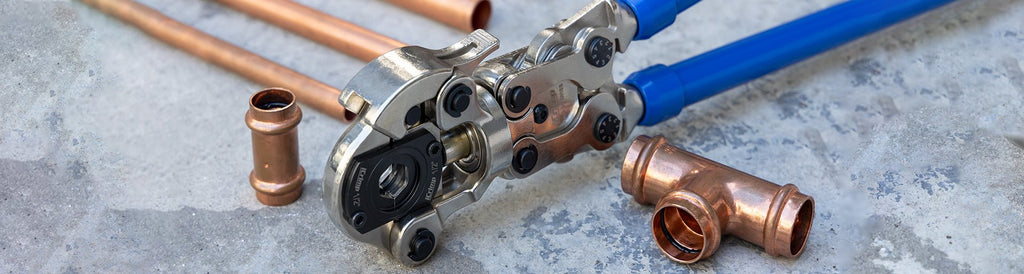
Credit: www.icrimptools.com
Safety Measures During Expansion
Using a pipe expansion tool helps fit pipes correctly. It is important to stay safe while working with these tools.
Following safety measures can prevent injuries and damage during pipe expansion tasks.
Protective Gear Recommendations
Always wear protective gear before starting pipe expansion. This protects your body from possible hazards.
- Wear safety goggles to protect your eyes from debris.
- Use gloves to shield your hands from sharp edges and heat.
- Wear long sleeves and pants to avoid skin cuts and burns.
- Use ear protection if working in noisy environments.
Avoiding Common Hazards
Recognize risks to keep yourself safe. Be aware of the workspace and tool conditions.
- Check the tool for damage before use.
- Keep the work area clean and free of obstacles.
- Do not force the tool if the pipe is stuck.
- Watch for sharp pipe edges and hot surfaces.
- Ensure good lighting to see your work clearly.
Safe Handling Of Tools
Handle the pipe expansion tool carefully to avoid accidents. Follow correct procedures during use.
- Hold the tool firmly with both hands.
- Use steady pressure when expanding the pipe.
- Keep your body balanced and stable.
- Store the tool safely after use to prevent damage.
- Follow the tool manufacturer’s instructions strictly.
Troubleshooting Common Issues
Using a pipe expansion tool can sometimes cause problems. These issues affect the quality of your work and safety.
Knowing how to fix common problems helps you work faster and avoid damage. Below are tips for solving usual troubles.
Dealing With Uneven Expansion
Uneven pipe expansion can cause leaks or weak joints. It happens when the tool is not aligned properly.
Make sure the expansion head is centered inside the pipe. Move the tool slowly and evenly during use.
- Check the tool’s position before expanding
- Rotate the tool slightly to spread the expansion evenly
- Use steady, consistent pressure on the handle
- Stop and readjust if the pipe expands more on one side
Fixing Tool Malfunctions
Tools may jam or fail to expand the pipe properly. Dirt or worn parts often cause these problems.
Clean the tool regularly and check for broken or bent parts. Replace damaged components before use.
- Remove debris from moving parts
- Lubricate the tool to ensure smooth operation
- Inspect the expansion head for cracks or wear
- Tighten loose screws or bolts
Handling Pipe Damage
Pipe damage can occur if the tool is overused or misused. Look for cracks, splits, or deformed areas.
Stop work immediately if you see damage. Replace or repair the pipe to avoid leaks or failure.
- Do not force the tool beyond its limit
- Use the right size tool for the pipe diameter
- Inspect pipes before and after expansion
- Replace pipes with visible damage

Credit: www.supplyht.com
Maintenance And Storage Tips
Using a pipe expansion tool correctly helps it last longer. Proper care keeps the tool safe and ready for use.
Follow simple steps for cleaning, checking, and storing your tool. These steps prevent damage and ensure safety.
Cleaning After Use
Clean the pipe expansion tool right after using it. Dirt and debris can cause rust and block moving parts.
Use a brush or cloth to remove dirt. Wipe metal parts with a dry cloth to avoid moisture buildup.
- Remove pipe residue and dirt
- Use a dry cloth to wipe the tool
- Do not use water directly on metal parts
- Apply light oil to prevent rust if needed
Inspecting For Wear And Tear
Check the tool for damage after every use. Look for cracks, worn parts, or loose screws.
Replace or fix any broken parts before the next use. Using a damaged tool can cause accidents.
- Examine moving parts for smooth operation
- Check the expansion heads for cracks
- Make sure handles are tight and secure
- Look for rust or corrosion spots
Proper Storage Practices
Store the pipe expansion tool in a dry, clean place. Keep it away from moisture and dust to prevent damage.
Use a tool box or hang it on a wall rack. Make sure it is not under heavy objects that can bend or break it.
- Keep the tool in a dry area
- Use protective covers if possible
- Store away from chemicals and moisture
- Organize tools to avoid damage

Credit: www.iwiss.com
Frequently Asked Questions
What Is A Pipe Expansion Tool Used For?
A pipe expansion tool enlarges pipe ends to fit other pipes or fittings. It ensures tight, leak-free connections in plumbing and HVAC systems.
How Do You Prepare Pipes For Expansion?
Clean the pipe ends thoroughly and remove any debris. Mark the expansion depth clearly to avoid over-expanding the pipe.
Can All Pipe Materials Be Expanded?
Most copper and thin-walled metal pipes can be expanded. However, PVC and thicker pipes are generally unsuitable for expansion tools.
How Much Should A Pipe Be Expanded?
Expand the pipe end just enough to fit the connecting pipe. Over-expansion can weaken the pipe and cause leaks.
Conclusion
Mastering the pipe expansion tool ensures smooth plumbing projects. Follow instructions carefully. Practice often to build confidence. Safety always comes first. Wear protective gear and stay alert. Check your tool regularly for any damage. This prevents accidents and ensures efficiency.
Enjoy hassle-free repairs and installations with these steps. Your skills will grow with each use. Keep learning and improving your technique. Soon, you’ll handle tasks like a pro. Happy plumbing!