If you work with electrical systems, you know how important it is to measure current safely and accurately. Using a clamp meter can make this job easier, but only if you handle it the right way.
Imagine avoiding shocks, equipment damage, and costly mistakes just by following a few simple safety steps. You’ll learn exactly how to use a clamp meter safely, protect yourself, and get reliable readings every time. Keep reading to discover tips that could save you from danger and help you work smarter.

Credit: www.youtube.com
Choosing The Right Clamp Meter
Using a clamp meter safely starts with picking the right tool. The right meter helps you work with electricity without risk.
Not all clamp meters are the same. You need to know the types and features before buying one.
Types Of Clamp Meters
Clamp meters come in different types for different jobs. Choose one that fits your work needs.
- AC Clamp Meters:Measure only alternating current (AC).
- AC/DC Clamp Meters:Measure both AC and direct current (DC).
- Digital Clamp Meters:Show readings on a digital screen for easy reading.
- Analog Clamp Meters:Use a needle display; less common today.
Features To Consider
Look at features that make the meter safe and easy to use. Some features improve accuracy and comfort.
- Jaw Size:Choose a jaw size that fits the cables you measure.
- Auto-Ranging:Automatically selects the right range for the measurement.
- Safety Ratings:Check for CAT ratings to ensure meter suits your environment.
- Display Type:A clear display helps avoid mistakes.
- Data Hold:Allows you to freeze readings for easier viewing.
Accuracy And Range
Accuracy means how close the meter reading is to the real value. Range is the highest and lowest current it can measure.
Pick a meter with accuracy and range that match your electrical tasks. A meter with poor accuracy can cause wrong readings.
- Check the percentage of accuracy on the meter label.
- Choose a range that covers the currents you expect to measure.
- Higher accuracy matters for sensitive electronics and detailed work.
Preparing For Measurement
Using a clamp meter safely starts with good preparation. Before measuring, you must check your tools and surroundings. This helps prevent accidents and wrong readings.
Take time to prepare well. This keeps you safe and makes your work easier and more accurate.
Inspecting The Meter
Check the clamp meter for any damage before use. Look for cracks, broken parts, or worn cables. Make sure the display is clear and the buttons work properly.
- Verify the battery level is sufficient.
- Test the meter on a known voltage source.
- Ensure the jaws open and close smoothly.
- Check the insulation on the clamp and leads.
Checking The Environment
Look around your work area before measuring. Avoid wet or slippery floors. Make sure there is good lighting and enough space to work safely.
| Condition | What to Check |
| Floor | Dry and free of obstacles |
| Lighting | Bright enough to read meter |
| Space | Clear area to move and hold meter |
| Nearby Equipment | Turn off or keep away from strong magnetic fields |
Personal Protective Equipment
Wear the right protective gear before starting. This protects you from electric shocks and other hazards. Always use gloves and eye protection when working with live circuits.
- Insulated gloves rated for electrical work
- Safety glasses or face shield
- Non-conductive footwear
- Flame-resistant clothing if needed
Safe Handling Techniques
Using a clamp meter safely is very important to avoid accidents. You should handle the meter with care and follow safety steps.
These safety tips help protect you and keep the meter working well for a long time.
Proper Grip And Positioning
Hold the clamp meter firmly but not too tight. Use your dominant hand to keep control.
Position the meter so the jaws fully close around the wire. This gives accurate readings and avoids slips.
- Use one hand to hold the meter steady
- Keep fingers away from the jaws
- Make sure the wire fits inside the clamp fully
Avoiding Electrical Hazards
Do not touch exposed wires or metal parts. This lowers the risk of electric shock.
Check the meter and its cables for damage before use. Broken parts can cause accidents.
- Wear insulated gloves if possible
- Use a meter rated for the voltage you test
- Turn off power if you can before testing
Maintaining Distance From Live Circuits
Keep your body and tools away from live parts. Stay at a safe distance while measuring.
Use the clamp meter’s long jaws to reach wires without touching other parts.
- Stand on a dry surface
- Keep one hand free to avoid completing a circuit
- Use insulated tools if needed
Performing Measurements
Using a clamp meter safely helps you measure electrical values without risk. Understanding how to perform measurements correctly is important.
Always follow safety rules and use the meter as instructed. This section explains how to measure current, voltage, and resistance.
Measuring Ac And Dc Current
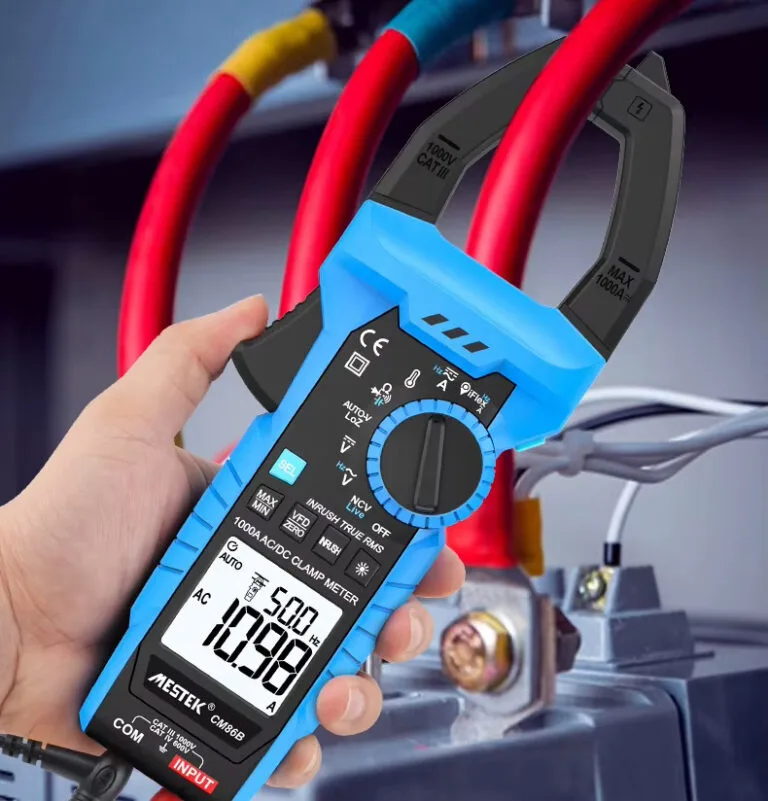
Clamp meters measure current by clamping around a conductor. They can measure both AC and DC current safely without breaking the circuit.
To measure current, open the clamp and place it around one wire only. Make sure the meter is set to the correct current type, AC or DC.
- Set meter to AC or DC current mode
- Open clamp jaws and place around one conductor
- Do not clamp around multiple wires at once
- Read the displayed current value carefully
Using The Meter For Voltage And Resistance
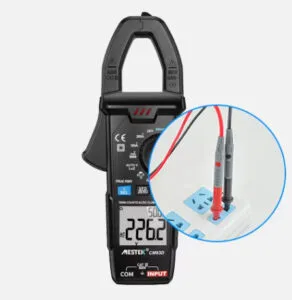
Clamp meters often have leads to measure voltage and resistance. Use the test probes and connect them properly for safe measurement.
Set the meter to the correct mode: voltage (AC or DC) or resistance (ohms). Connect the probes across the component or circuit you want to test.
- Turn dial to voltage or resistance mode
- Connect red probe to positive and black to negative
- Touch probes to test points carefully
- Keep fingers away from probe tips
- Read the measurement on the display
Interpreting Readings Correctly
Readings on the clamp meter show electrical values. Know the units and what normal ranges are for your circuit.
Check if the reading matches expected values. If numbers are too high or low, there could be a problem or a wrong setting on the meter.
- Current is shown in amps (A)
- Voltage appears in volts (V)
- Resistance shows in ohms (Ω)
- Watch for negative signs in DC readings
- Compare readings with device specs
Common Mistakes To Avoid
Using a clamp meter safely requires attention and care. Many users make simple mistakes that can cause damage or injury.
This guide covers common errors you should avoid to keep your meter and yourself safe while measuring electrical currents.
Overloading The Meter
Overloading happens when the current exceeds the clamp meter’s maximum rating. This can damage the meter and cause inaccurate readings.
- Check the meter’s maximum current rating before use.
- Do not try to measure currents above the rating.
- Use a meter with a higher rating for large currents.
- Avoid sudden high current spikes during measurement.
Ignoring Safety Warnings
Clamp meters come with safety warnings that protect users from electric shock and injury. Ignoring these warnings is risky.
| Safety Warning | Reason to Follow |
| Wear insulated gloves | Prevents electric shock |
| Do not open meter case | Exposes dangerous parts |
| Keep meter dry | Avoids short circuits |
| Use proper category rating | Ensures safe operation in environment |
Neglecting Calibration
A clamp meter must be calibrated regularly. Neglecting calibration causes wrong readings and unsafe measurements.
- Set a regular schedule to calibrate your meter.
- Use professional calibration services or follow manufacturer instructions.
- Keep calibration records for accuracy tracking.

Credit: www.youtube.com
Maintaining Your Clamp Meter
Keeping your clamp meter in good shape helps it work correctly. Regular care extends its life and ensures safety.
Simple maintenance tasks can prevent errors and damage. Follow these tips to keep your tool ready for use.
Regular Calibration
Calibration checks the accuracy of your clamp meter. It compares the meter readings to a known standard.
Have your meter calibrated at least once a year. If you use it often, consider more frequent checks.
Cleaning And Storage
- Wipe the meter with a soft, dry cloth after use.
- Do not use harsh chemicals or water on the meter.
- Store the meter in a cool, dry place away from direct sunlight.
- Keep the clamp jaws closed when storing to protect sensors.
- Use the original case or a padded container for extra protection.
Battery Care
| Battery Tip | Details |
|---|---|
| Check Regularly | Test battery voltage before each use to avoid sudden power loss. |
| Replace Timely | Change batteries as soon as the meter shows low power signs. |
| Remove if Stored Long | Take out batteries if the meter will not be used for months. |
| Use Correct Type | Always use the battery type recommended by the manufacturer. |
Advanced Safety Tips
Using a clamp meter safely is important to avoid accidents. This guide shares advanced tips for safe use.
These tips help protect you in tough situations and keep your tools in good condition.
Working In Hazardous Environments
Hazardous environments can have risks like live wires and wet surfaces. Always check the area first.
Wear protective gear such as gloves and safety glasses. Keep a safe distance from live parts.
- Inspect the area for hazards before starting
- Use barriers or signs to warn others
- Keep hands dry and tools clean
- Stand on insulated mats if possible
Using Insulated Tools
Insulated tools reduce the risk of electric shock. Always use tools rated for the voltage you work with.
Check insulation for cracks or damage before use. Replace tools if insulation is worn out.
- Choose tools with proper voltage rating
- Inspect insulation regularly
- Do not use damaged or worn tools
- Store tools in dry, clean places
Emergency Procedures
Be ready for emergencies when using a clamp meter. Know how to react quickly to avoid harm.
Have a plan to disconnect power and call for help. Keep a first aid kit nearby.
- Turn off power immediately if safe
- Call emergency services if needed
- Use first aid for electric shock
- Report accidents to supervisors
Credit: mestekinstruments.com
Frequently Asked Questions
What Is A Clamp Meter Used For?
A clamp meter is used to measure electrical current without direct contact. It’s essential for diagnosing electrical issues safely. By clamping around a conductor, it measures the current flowing through the circuit. This tool is crucial for electricians and technicians to ensure accurate readings and maintain electrical safety.
How Do You Use A Clamp Meter Safely?
To use a clamp meter safely, ensure the device is set to the correct measurement mode. Always keep your hands away from live circuits. Clamp the meter around one conductor at a time. Never attempt to measure current with the meter’s jaws open.
Always follow the manufacturer’s safety guidelines.
Can A Clamp Meter Measure Voltage?
Yes, a clamp meter can measure voltage. However, it requires probes for voltage measurement. Ensure the meter is set to the correct voltage setting. Insert the probes into the appropriate sockets. Always handle the probes with care to avoid electric shock.
Follow safety guidelines for accurate voltage readings.
What Is The Difference Between A Clamp Meter And A Multimeter?
A clamp meter measures current without direct contact, ideal for high-current circuits. A multimeter measures voltage, resistance, and current with direct contact. Clamp meters are preferred for high-current applications. Multimeters offer versatility for various measurements. Both tools are essential for electrical diagnostics and safety.
Conclusion
Using a clamp meter safely protects you from harm and keeps your work accurate. Always check the meter’s condition before use. Wear proper safety gear and follow instructions carefully. Never touch live wires with bare hands. Stay alert and avoid distractions during measurements.
Safe habits reduce risks and help you get good results. Keep learning and practicing these safety steps every time. Safety first—always.