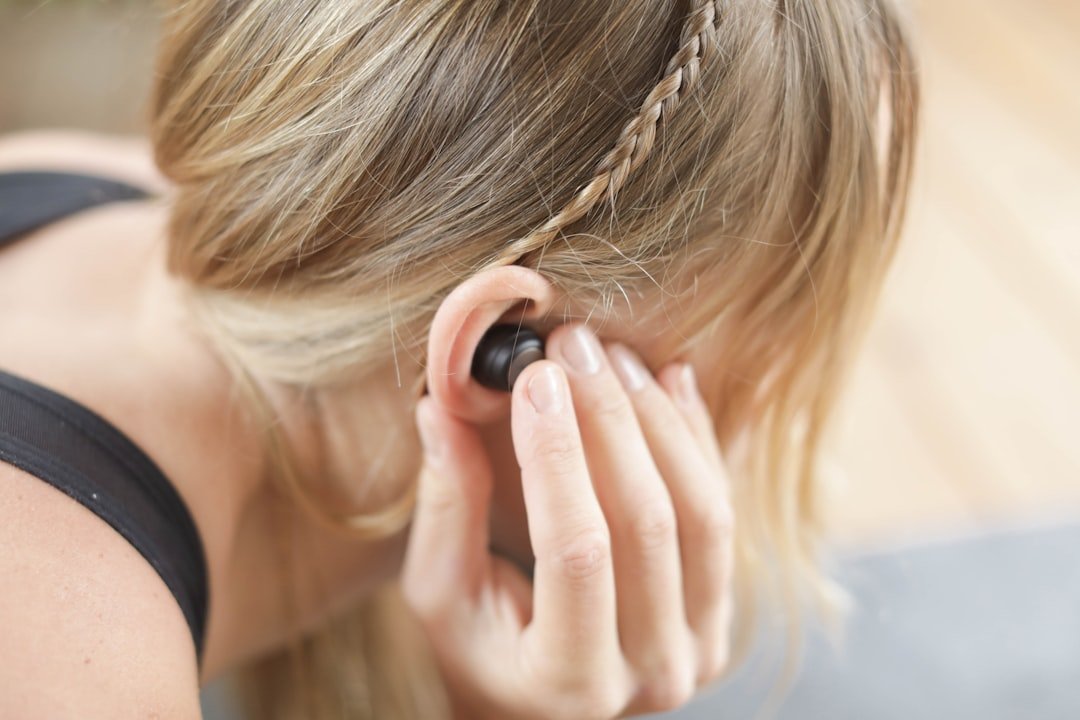
Are loud noises keeping you awake at night or distracting you during important tasks? If you’ve ever wished for a simple way to protect your ears and find peace, ear plugs might be the answer.
But using them the right way makes all the difference. This guide will show you exactly how to use ear plugs effectively, so you can enjoy quiet moments whenever you need them. Keep reading, and you’ll discover tips that make wearing ear plugs easy, comfortable, and most importantly, effective.
Your ears will thank you.
Choosing The Right Ear Plugs
Ear plugs protect your ears from loud noise and water. Choosing the right type helps you stay comfortable and safe.
This guide covers types of ear plugs, material choices, and how to find the best size and fit for you.
Types Of Ear Plugs
There are several types of ear plugs for different needs. Foam ear plugs are soft and disposable. Silicone ear plugs can be reusable and mold to your ear shape. Wax ear plugs are good for blocking water.
- Foam: Cheap, soft, good for noise reduction.
- Silicone: Reusable, fits well, blocks water and noise.
- Wax: Soft and moldable, great for swimming.
Material Considerations
| Material | Advantages | Disadvantages |
| Foam | Cheap, effective noise blocking | Single use, less durable |
| Silicone | Reusable, comfortable | More expensive |
| Wax | Good for water protection | Can be sticky, needs shaping |
Choose a material that fits your needs and comfort. Some may cause allergies, so test before long use.
Size And Fit
Ear plugs must fit well to work properly. Too small means poor noise blocking. Too large can hurt or fall out.
- Measure your ear canal if possible.
- Try different sizes to find comfort.
- Look for plugs with different size options.
- Make sure the plugs stay securely in place.
Proper Insertion Techniques
Using ear plugs correctly helps protect your hearing and improves comfort. This guide shows how to insert them the right way.
Follow these simple steps to make sure your ear plugs fit well and block noise effectively.
Preparing Your Ears
Before inserting ear plugs, clean your hands well. Dirty hands can cause ear infections.
Check your ears for wax buildup. Excess wax can stop ear plugs from fitting right.
- Wash hands with soap and water
- Dry your hands completely
- Inspect ears for wax or dirt
- Clean ears gently if needed
Step-by-step Insertion
Start by rolling the ear plug into a small, thin shape. This makes it easier to insert.
Pull your ear gently upward and backward. This opens the ear canal for easier insertion.
- Roll the ear plug into a tight cylinder
- Pull the top of your ear up and back
- Insert the ear plug slowly into the ear canal
- Hold the plug in place until it expands
- Check that the plug fits snugly and blocks sound
Common Mistakes To Avoid
Do not insert ear plugs with dirty hands. This can cause infections or irritation.
Avoid pushing the ear plug too deep. This can hurt your ear or damage the plug.
- Using ear plugs without cleaning hands
- Not rolling the plug tightly before insertion
- Failing to pull the ear to open the canal
- Pushing the plug in too far or forcing it
- Reusing disposable plugs too many times
Maximizing Comfort
Wearing ear plugs can protect your ears and help you focus. Comfort is key to wearing them all day. This guide shows how to make ear plugs feel better.
Good fit and care reduce pain and ear problems. Small changes can make a big difference in comfort.
Adjusting Fit Throughout The Day
Your ears may change size slightly during the day. Ear plugs can feel tight or loose at times. Adjust them to keep comfort and protection.
Gently remove and reinsert the plugs if you feel pressure or pain. Make sure they sit snugly but not too deep.
- Check fit after physical activity or changes in temperature
- Use fingers to slightly reshape soft plugs for better fit
- Take breaks if you feel discomfort
Dealing With Ear Sensitivity
Some people have sensitive ears that react to ear plugs. Redness, itching, or soreness can happen. Choose gentle materials to reduce irritation.
Clean ears and plugs before use. If irritation continues, try different types or sizes of plugs. Avoid wearing them too long without breaks.
- Use hypoallergenic ear plugs made of soft foam or silicone
- Wash reusable plugs regularly with mild soap and water
- Give your ears rest periods without plugs
When To Replace Ear Plugs
Ear plugs lose effectiveness and comfort over time. Replace them if they become hard, dirty, or misshaped. Old plugs can cause discomfort or infections.
Disposable plugs usually last one use or a few days. Reusable plugs should be replaced every few months or as needed.
- Replace disposable plugs after each use or if dirty
- Inspect reusable plugs for cracks, stiffness, or damage
- Follow manufacturer guidelines for replacement timing

Credit: www.amazon.ca
Ensuring Safety And Hygiene
Using ear plugs helps protect your hearing in loud places. Keeping them safe and clean is very important.
Dirty or damaged ear plugs can cause ear problems. Learn how to use them safely and hygienically.
Cleaning Reusable Ear Plugs
Reusable ear plugs must be cleaned after each use. This removes dirt, wax, and bacteria from the surface.
Use warm water and mild soap to clean them gently. Avoid using harsh chemicals that can damage the plugs.
- Rinse plugs under warm water
- Apply mild soap and rub softly
- Rinse again to remove all soap
- Dry with a clean towel or air dry
Storage Tips
Store ear plugs in a clean, dry case to protect them. Avoid leaving them in dusty or humid places.
Keep the storage case closed when not in use. This stops dust and germs from reaching the ear plugs.
- Use a hard case with a lid
- Keep the case away from moisture
- Do not share your ear plugs with others
- Replace the case if it becomes dirty
Avoiding Ear Infections
Ear infections can happen if ear plugs are dirty or used wrong. Always use clean plugs and dry ears.
Stop using ear plugs if you feel pain or itchiness in your ear. See a doctor if problems continue.
- Wash hands before inserting ear plugs
- Do not share ear plugs with others
- Clean plugs after every use
- Replace plugs if damaged or very dirty
Using Ear Plugs For Different Situations
Ear plugs help protect your ears from loud noises. They also block out unwanted sounds. Using them correctly makes a big difference.
This guide explains how to use ear plugs for sleeping, working, and traveling. Each situation needs a different approach.
Sleeping
Ear plugs can block noise that stops you from sleeping well. They help create a quiet space for rest.
- Choose soft foam plugs for comfort during sleep.
- Clean your ears before use to avoid irritation.
- Insert plugs gently to avoid pushing them too deep.
- Use plugs that fit your ear size for best noise blocking.
Working In Noisy Environments
Many jobs expose you to loud sounds that can damage hearing. Ear plugs protect your ears during work hours.
| Type of Noise | Recommended Ear Plug | Use Tips |
| Construction Site | High Noise Reduction Foam | Replace daily for hygiene |
| Factory Floor | Reusable Silicone | Clean regularly to avoid buildup |
| Concerts or Events | Music Filters | Allows sound but lowers volume |
Travel And Airplane Use
Airplanes are noisy and the pressure can hurt ears. Ear plugs ease noise and help balance ear pressure.
Tips for using ear plugs during travel:
- Use pressure-reducing plugs to avoid ear pain.
- Insert plugs before takeoff and landing.
- Carry extra plugs for long trips.
- Clean reusable plugs after each flight.

Credit: www.amazon.com
Troubleshooting Common Issues
Using ear plugs can protect your ears and help you focus. Sometimes, you may face small problems with them.
This guide explains how to fix common troubles with ear plugs. You will learn easy ways to improve comfort and use.
Ear Pain Or Discomfort
If ear plugs cause pain, they might be too large or pushed in too far. This can hurt the ear canal or outer ear.
Try using smaller ear plugs or soft materials. Insert them gently and stop if you feel pain.
- Choose ear plugs made of soft foam or silicone
- Insert ear plugs slowly and carefully
- Do not push ear plugs deep into the ear canal
- Take breaks from wearing ear plugs if needed
Reduced Hearing Or Muffled Sound
Ear plugs block sound to protect your ears. Sometimes, they may make hearing too quiet or unclear.
Check if the ear plugs fit well and are clean. Poor fit or dirt can cause muffled sound and reduce hearing too much.
- Clean ear plugs before each use
- Make sure ear plugs fit snugly but not too tight
- Try different sizes or shapes to improve fit
- Remove ear plugs if you need to hear clearly
Ear Plugs Falling Out
Ear plugs that fall out may be too small or not inserted properly. This stops them from working well.
Use the right size for your ears and insert ear plugs fully. Hold them gently while pushing to keep them in place.
- Choose ear plugs that match your ear size
- Roll foam ear plugs tightly before inserting
- Insert ear plugs slowly and fully into the ear canal
- Check fit before starting noisy activities

Credit: www.safetyandhealthmagazine.com
Frequently Asked Questions
How Do I Choose The Right Ear Plugs For Me?
Select ear plugs based on your needs: noise reduction, comfort, or sleep. Consider materials like foam, silicone, or wax for best fit and effectiveness.
How Should I Insert Ear Plugs Correctly?
Roll foam ear plugs into a tight cylinder, pull your ear up, then insert slowly. Hold in place for a few seconds to expand and seal.
Can I Reuse Ear Plugs Safely?
Reusable ear plugs made of silicone or rubber can be cleaned and reused. Foam ear plugs are usually disposable and should be replaced after one use for hygiene.
How Do Ear Plugs Protect My Hearing?
Ear plugs reduce noise levels by blocking sound waves from entering the ear canal. This prevents hearing damage in loud environments and promotes better sleep.
Conclusion
Ear plugs can significantly enhance your daily life. They help block out noise. This means better sleep and focus. Follow our guide to use them correctly. Ensure they fit snugly in your ears. Clean them regularly to maintain hygiene. Choose the right type for your needs, whether foam or silicone.
Practice inserting them for a comfortable fit. Protect your ears from loud noises. Enjoy the peace and quiet they bring. Ear plugs are simple tools with big benefits. Start using them today for a quieter world.